Psychology
-
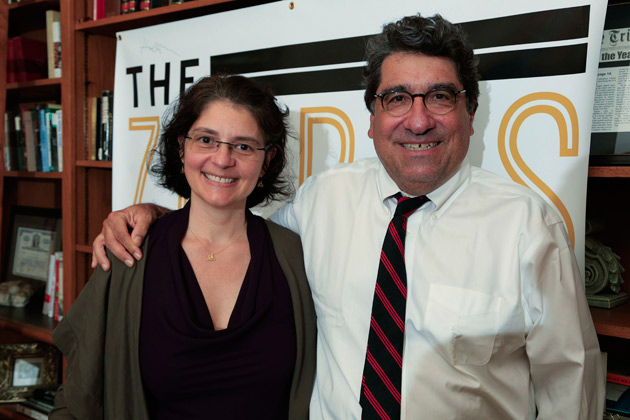
Neuroscientist Suzana Herculano-Houzel discusses the formation of remarkable brains—and minds—on ‘The Zeppos Report’
The latest episode of the podcast features Associate Professor of Psychology and Biological Sciences Suzana Herculano-Houzel and the groundbreaking research featured in her book, "The Human Advantage." Read MoreOct 16, 2017
-
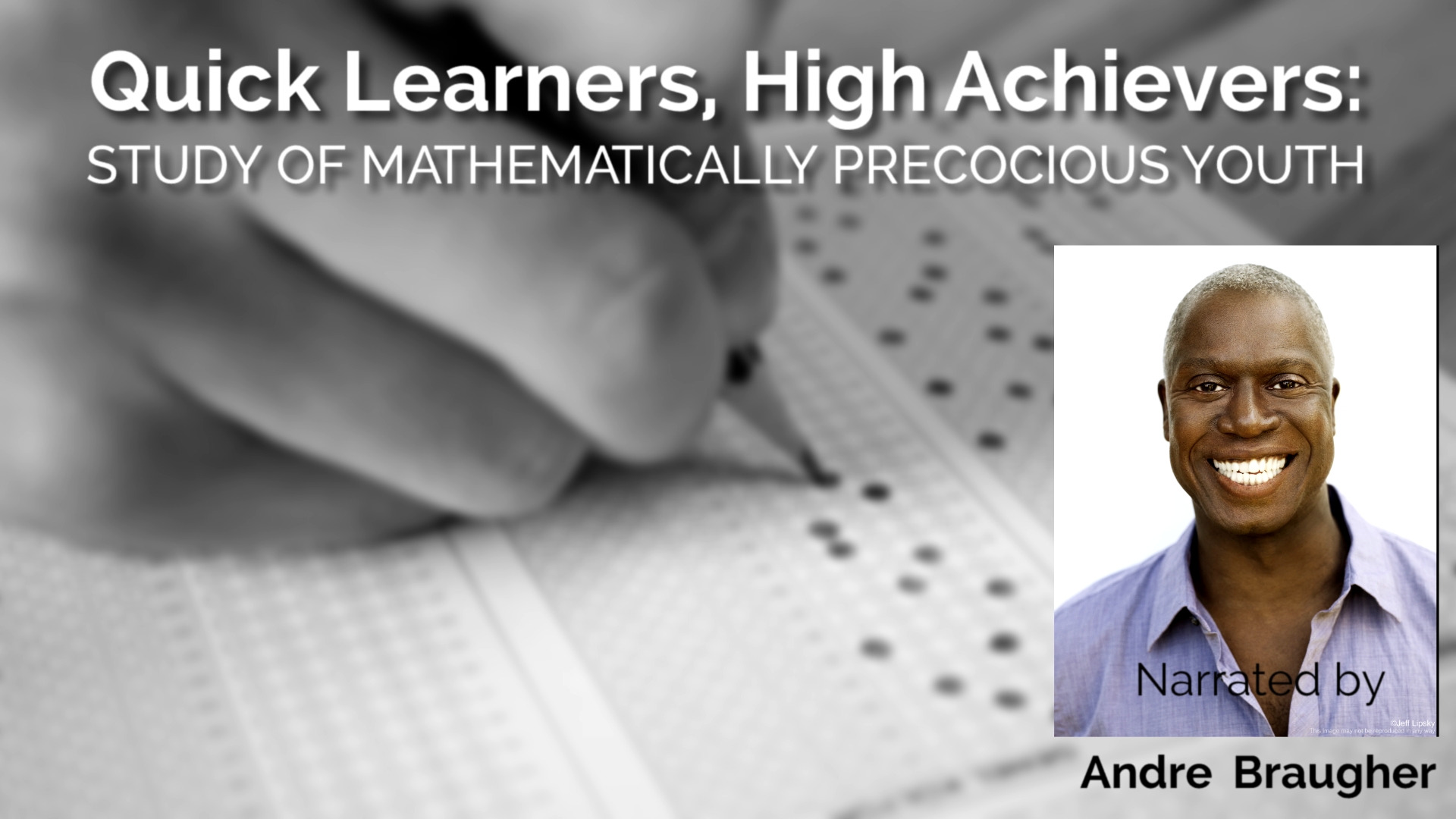
WATCH: A 45-year study has changed the way we view giftedness
Film and television actor Andre Braugher (“The Mist,” “City of Angels”) lends his voice talent to the 14-minute mini-documentary about the nation's foremost study of giftedness. Read MoreSep 14, 2017
-
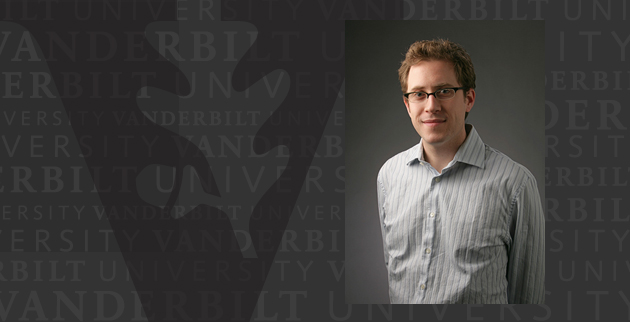
Polyn elected fellow of Association for Psychological Science
Associate Professor of Psychology Sean Polyn has been elected as a 2017 fellow of the Association for Psychological Science. Read MoreAug 15, 2017
-

Online stress management program for kids with cancer receives funding
Psychology professor Bruce Compas has received a grant to develop an online stress management program for kids with cancer. Read MoreJun 6, 2017
-

Sick kids live longer, but brain function may suffer
Survival rates continue to rise for children living with once-fatal chronic pediatric health conditions, but their survival comes at a cost. Read MoreMay 16, 2017
-

14 in engineering, A&S, Peabody earn NSF Graduate Research Fellowships
The National Science Foundation recently selected 14 Vanderbilt graduate students in fields as diverse as mechanical engineering and psychology to receive Graduate Research Fellowships. The fellowships are highly sought-after because they provide students with $34,000 annually for three years and the freedom to conduct their research at any accredited U.S. university. Read MoreMay 4, 2017
-
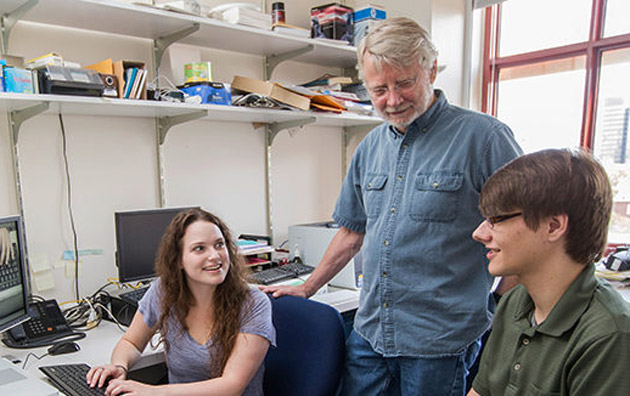
Gordon Logan receives APA Award for Distinguished Scientific Contributions
The American Psychological Association has honored Centennial Professor of Psychology Gordon D. Logan with its most prestigious award for scientific achievement. Read MoreApr 25, 2017
-
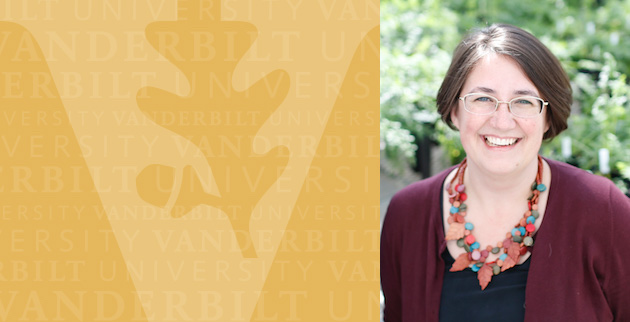
Wisecaver named Vanderbilt ‘Postdoc of the Year’
Accomplished postdocs and faculty "Mentor of the Year" honored at annual Vanderbilt Postdoctoral Association and Shared Resources Symposium April 19. Read MoreApr 21, 2017
-
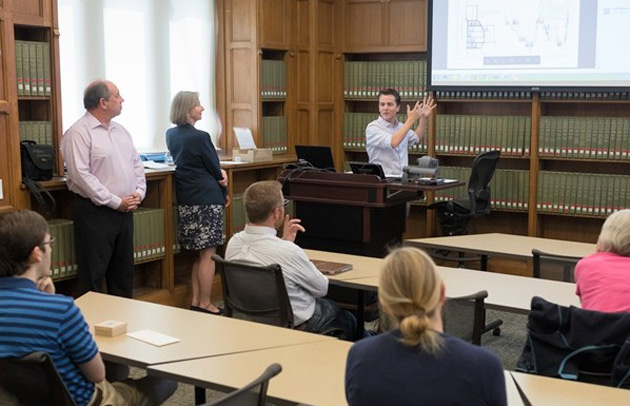
Students recognized for eye-catching data visualizations
Blake Quigley and Ben Shapiro received first-place awards in a student visualization competition that was held in conjunction with the "Places and Spaces: Mapping Science" exhibition on campus. Read MoreApr 20, 2017
-
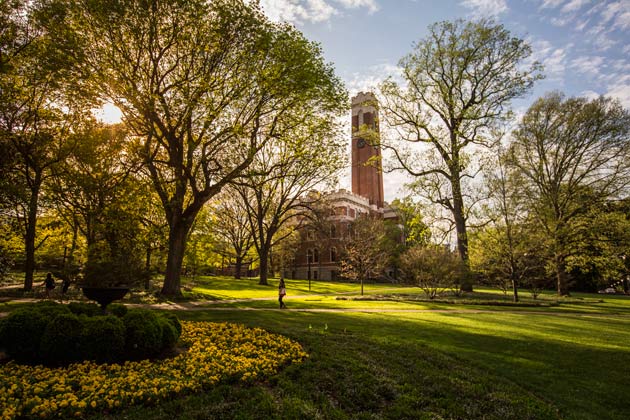
Four Vanderbilt graduate, professional schools score in top 20 in ‘U.S. News’ rankings
"U.S. News & World Report" rankings are out for graduate schools and programs. See how Vanderbilt did this year. Read MoreMar 14, 2017
-
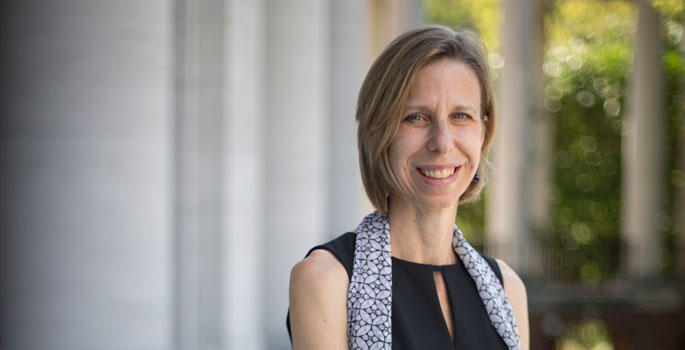
Vanderbilt’s Heinrich named AERA Fellow
Vanderbilt education professor Carolyn J. Heinrich is among 14 scholars selected as 2017 fellows by the American Educational Research Association. Read MoreFeb 21, 2017
-
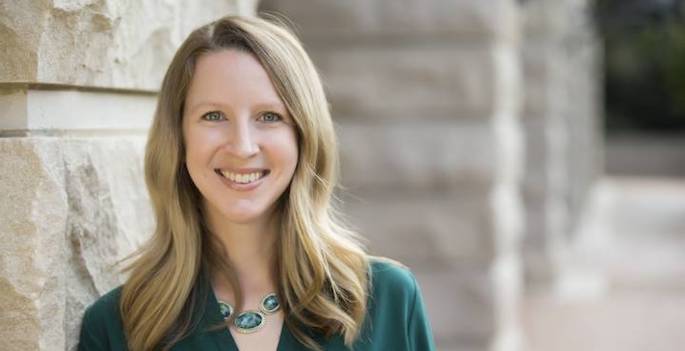
Vanderbilt psychologist wins Sloan research fellowship
Psychologist Jennifer Trueblood has been awarded a $60,000 research fellowship from the Alfred P. Sloan Foundation aimed at encouraging promising young scholars. Read MoreFeb 21, 2017
-

Kudos: Read about faculty and staff awards, appointments and achievements
Read about the latest faculty and staff awards, appointments and achievements. Read MoreJan 31, 2017
-
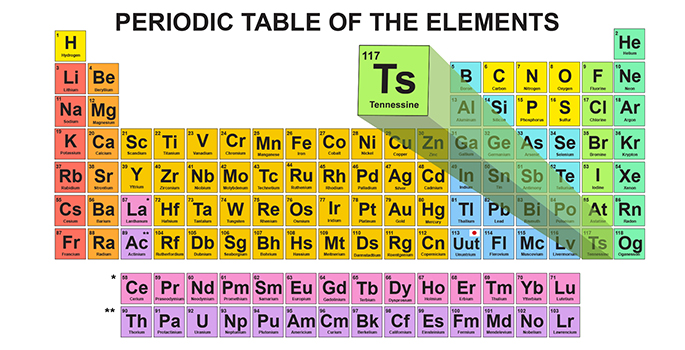
Research that ruled in 2016: Readers’ favorite stories
Artificial kidneys, gay-straight alliances and junkyard batteries captured readers' attention in 2016. Read MoreDec 16, 2016
-

Broken shoulder leads to carpal tunnel syndrome surgery study
After injuring his shoulder, a psychology professor collaborated with his orthopedic surgeon on a study to see how quickly patients regained their typing speed after carpal tunnel surgery. Read MoreDec 13, 2016
-
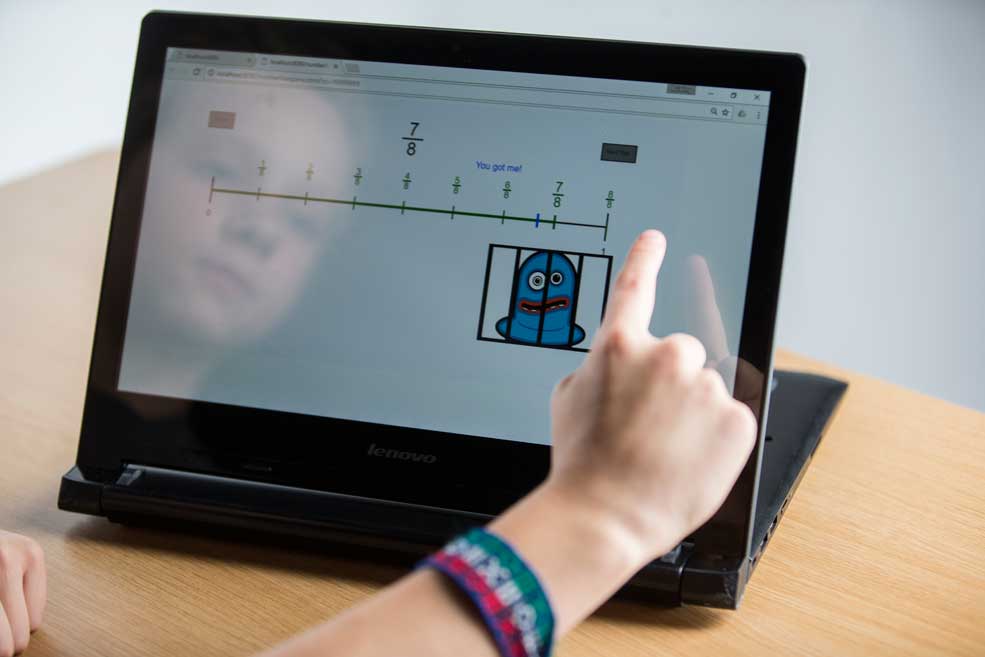
Study finds Common Core’s take on fractions is on target
Research using a computer game concludes teaching fractions on a number line is highly effective. Read MoreDec 12, 2016
-
Vanderbilt earns top rankings, including a No. 1, for successful minority recruitment in master’s and Ph.D. programs
"Diverse: Issues In Higher Education" has ranked Vanderbilt University No. 1 in the country for the number of doctoral degrees awarded to African Americans in the biological and biomedical sciences. Read MoreDec 12, 2016
-

Type of psychotherapy matters in treatment of irritable bowel syndrome
A new study has found that the type of psychotherapy used to treat the gastrointestinal disorder irritable bowel syndrome makes a difference in improving patients' daily functioning. Read MoreDec 12, 2016
-

Early math knowledge related to later achievement
Findings will inform educators and school administrators developing curricula for the early years. Read MoreDec 6, 2016
-

Finally, a type of face that men recognize better than women
A study finds men are better at recognizing Transformer faces while women are better at recognizing Barbie faces, supporting the theory that we're more likely to recognize what we're used to seeing. Read MoreNov 16, 2016