Psychology
-
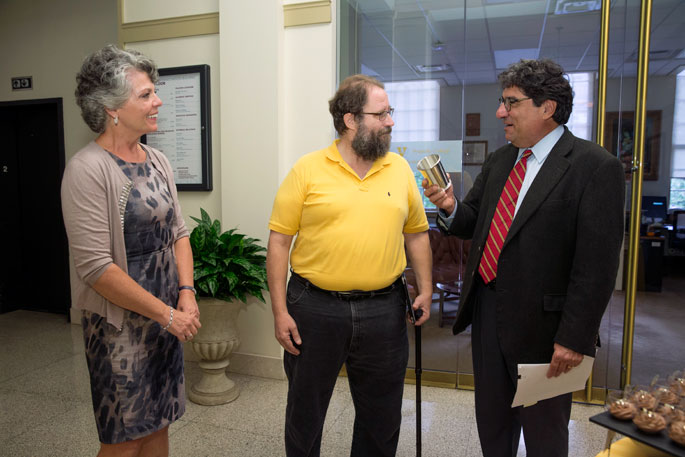
Psychology professor honored with annual Chancellor’s Cup
Vanderbilt's chancellor presented psychology professor Craig A. Smith with the 2016 Chancellor’s Cup. Read MoreNov 2, 2016
-

Spending more on pre-K doesn’t guarantee success: Report
Many U.S. states have been quick to invest in pre-k without a clear strategy for success. Read MoreOct 25, 2016
-
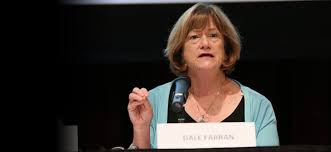
MEDIA ADVISORY: Farran to discuss new pre-K report at Brookings panel
Vanderbilt professor and pre-K expert Dale Farran will discuss her latest pre-K research Oct. 26. Read MoreOct 25, 2016
-

Vanderbilt and TN Department of Education partner to support school improvement
The Tennessee Education Research Alliance will carry out research with clear, practical implications for the state’s key education strategies. Read MoreOct 20, 2016
-
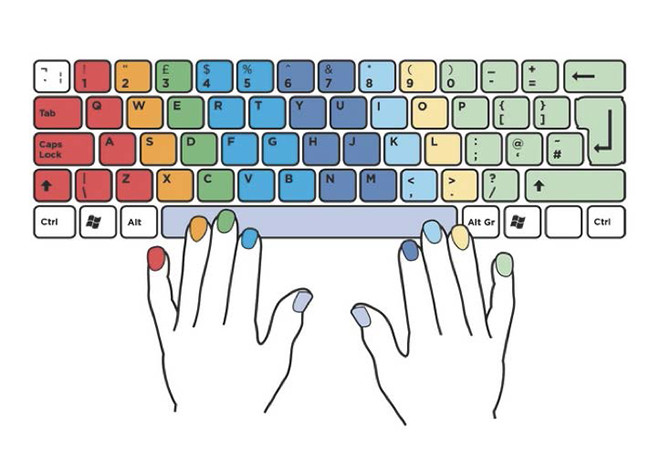
Today’s self-taught typists almost as fast as touch typists – as long as they can see the keyboard
Sometimes you can't improve on a classic method: Touch typing is still the fastest. Read MoreOct 18, 2016
-
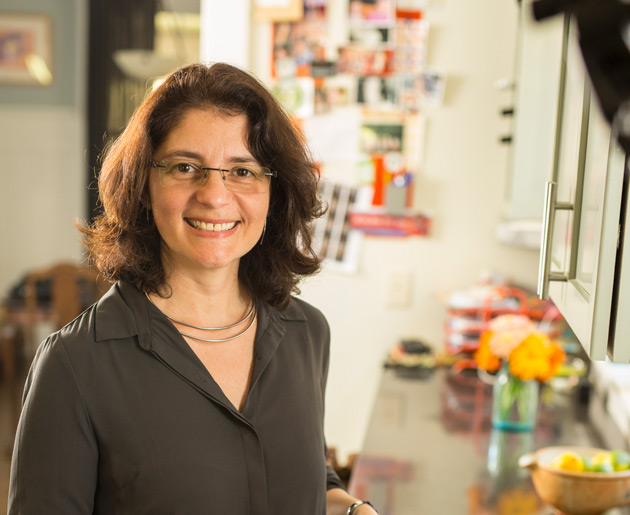
New faculty: Suzana Herculano-Houzel examines the evolution of the brain
New Associate Professor of Psychology Suzana Herculano-Houzel produced the first accurate count of the number of neurons in the human brain—86 billion, making it simply an enlarged primate brain. Read MoreOct 17, 2016
-

New ‘toolkit’ for math teachers designed to make algebra easier
The three-year experiment is a partnership with Chelmsford, Massachusetts, public schools. Read MoreSep 23, 2016
-
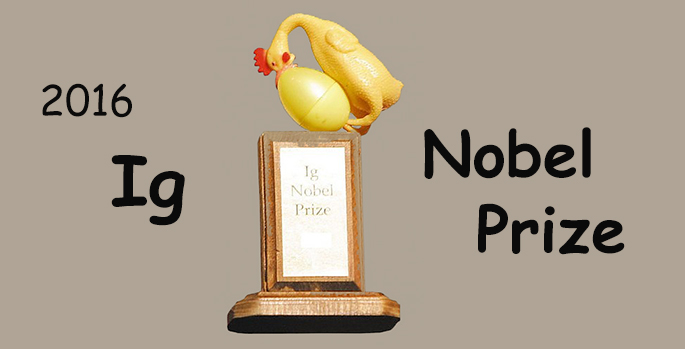
Study about how lying varies with age receives Ig Nobel Prize
Professor of Psychology Gordon Logan is co-author of a paper on deception and lying that has received the 2016 Ig Nobel Prize for psychology. Read MoreSep 22, 2016
-

Kudos: Read about faculty and student awards, appointments and achievements
Read about the latest faculty and student awards, appointments and achievements. Read MoreAug 31, 2016
-

Study: IES-funded research improves quality of math education
Researchers found 28 distinct contributions that IES grants have made to K-12 math teaching and learning. Read MoreAug 30, 2016
-

Study: Self-explanations don’t always enhance math learning
New research from Vanderbilt’s Peabody College looks at the constraints of a popular teaching practice. Read MoreAug 26, 2016
-
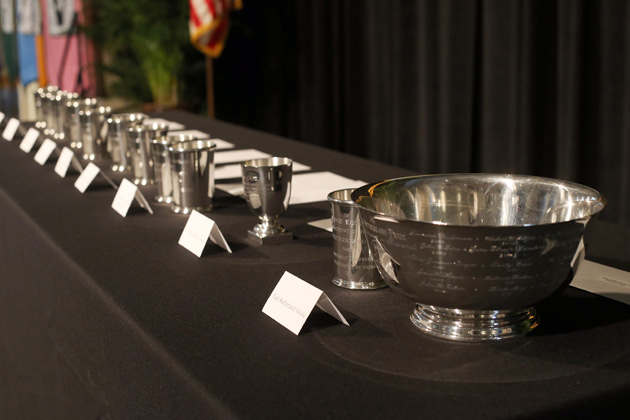
Chancellor presents top prizes, including new award for excellence in equity, diversity and inclusion research, at fall assembly
Chancellor Nicholas S. Zeppos presented seven faculty research awards, including two new awards for efforts that advance understanding of diversity, at the Fall Faculty Assembly Aug. 25. Read MoreAug 25, 2016
-
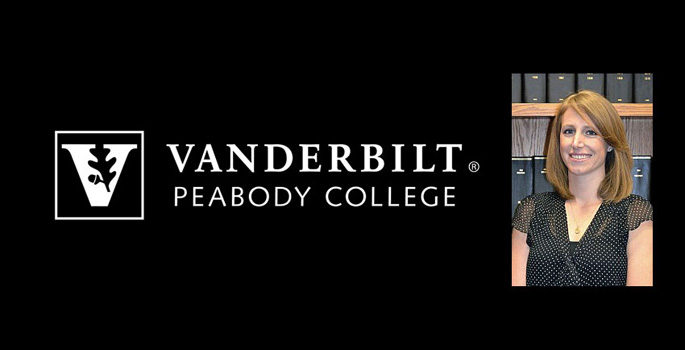
Peabody professor named ‘Emerging Leader’ by Nashville Chamber
Michelle Reising Scobey, assistant professor of the practice and co-director of the M.Ed. clinical psychological assessment program at Peabody College, has been given an Emerging Leader award by the Nashville Area Chamber of Commerce and the Young Professionals Network of Nashville. Read MoreAug 11, 2016
-
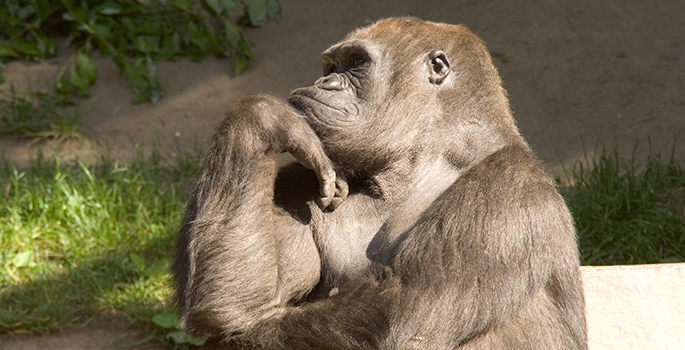
Total number of neurons—not enlarged prefrontal region—hallmark of human brain
Research by Associate Professor of Psychology Suzana Herculano-Houzel finds that human intelligence comes from the number of neurons in our brains—and it was the invention of cooking that made neuron development possible. Read MoreAug 9, 2016
-
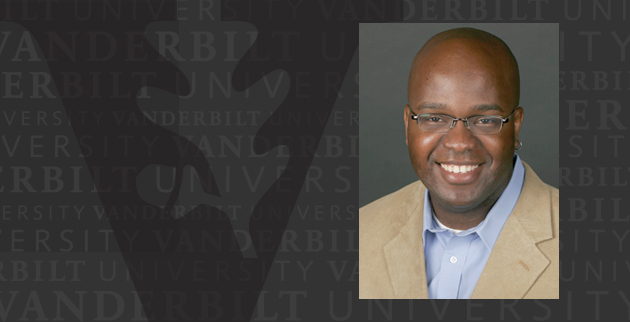
Psychopathologist elected fellow of Association for Psychological Science
Associate Professor of Psychology Bunmi Olatunji is one of 45 members elevated this year to the status of fellow by the Association for Psychological Science. Read MoreJul 26, 2016
-
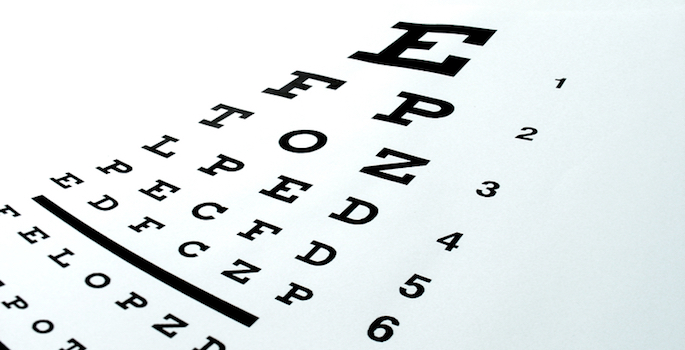
A little spark for sharper sight
Stimulating the brain with a mild electrical current can temporarily sharpen vision without glasses or contacts, Vanderbilt University researchers have found. (But please don't try this at home.) Read MoreJun 30, 2016
-
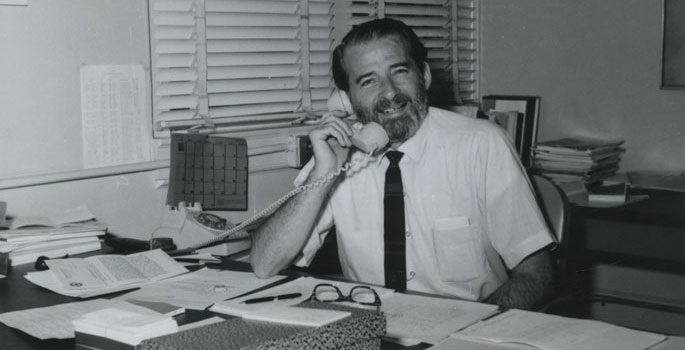
Former Peabody psychology chair Phil Schoggen dies
Phil Schoggen, former psychology chair at Vanderbilt’s Peabody College, dies at age 92. Read MoreJun 23, 2016
-

Blake, Winder to lead national search committee for Vanderbilt Brain Institute director
Provost and Vice Chancellor for Academic Affairs Susan R. Wente has appointed an 18-member committee of faculty and students to conduct the national search for the Barlow Family Director of the Vanderbilt Brain Institute chaired by Randolph Blake, Centennial Professor of Psychology, and Danny Winder, director for the Vanderbilt Center for Addiction Research. Read MoreJun 22, 2016
-
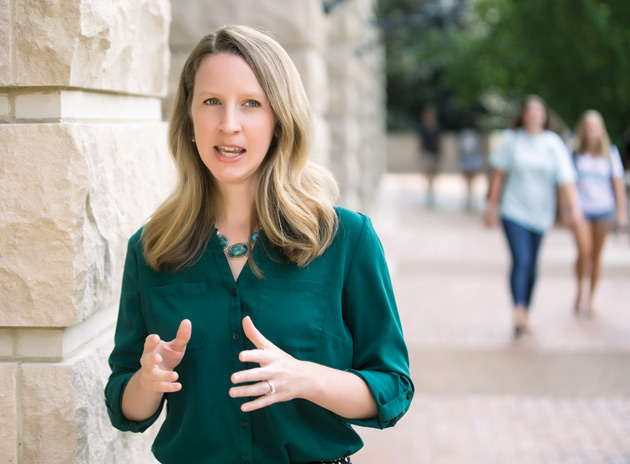
Trueblood receives early career award from Psychonomic Society
Assistant Professor of Psychology Jennifer Trueblood is one of four young scientists who have made significant contributions to psychological science chosen by the Psychonomic Society to receive its 2016 Early Career Award. Read MoreJun 14, 2016
-
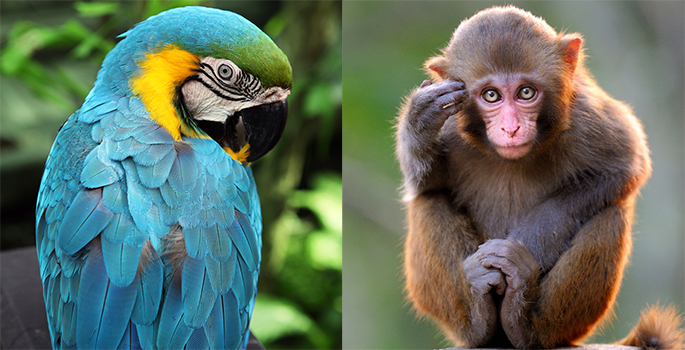
Study gives new meaning to the term ‘bird brain’
The first study to systematically measure the number of neurons in the brains of birds has found that they have significantly more neurons packed into their small brains than are stuffed into mammalian and even primate brains of the same mass. Read MoreJun 13, 2016