School Of Medicine Basic Sciences
-
Scientists discuss inclusion and equity in biomedical research at virtual event
Biomedical researchers across Vanderbilt University will convene to discuss the history and impact of Black biomedical scientists on Monday, Feb. 15, at noon CT. Read MoreFeb 9, 2021
-
Gene network for leukemia factor
A new method speeds the analysis of factors that control gene expression from days to minutes, allowing researchers to uncover new targets for cancer treatment. Read MoreFeb 4, 2021
-
Trans-institutional collaboration receives $2 million BRAIN Initiative grant, developing brain organoids to map neurological development
Researchers will combine expertise in developmental cell biology and tissue engineering/microfluidics to develop highly complex organoids, with the goal of understanding currently incurable neurological disorders. Read MoreFeb 1, 2021
-

A protein that can melt tumors discovered at Vanderbilt
For the second time, cancer researchers at Vanderbilt have discovered a protein that—when genetically manipulated to impede it from interacting with a gene responsible for cancer genesis—effectively melts tumors in days. Read MoreJan 27, 2021
-
WIN for blocking cancer growth
William Tansey and colleagues identified proteins that interact with the cancer drug target WDR5 and are important for cancer cell growth. Read MoreJan 21, 2021
-

Early research shows promise for therapeutics that delay Type 2 Diabetes
Discovering the mechanism behind cell behavior that is a hallmark of type 2 diabetes, Vanderbilt researchers move closer to treatments for the disease, which affects 34 million Americans. Read MoreJan 12, 2021
-
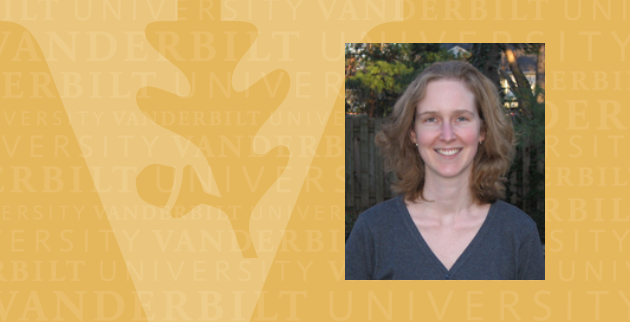
Borden Lacy named director of Vanderbilt’s Center for Structural Biology
Borden Lacy, Edward and Nancy Fody Chair in Pathology and professor of biochemistry and pathology, microbiology and immunology, has been named director of the Vanderbilt Center for Structural Biology, effective Jan. 1. Read MoreJan 11, 2021
-

Vanderbilt alum and faculty member named to 2021 ‘Forbes’ 30 under 30
Vanderbilt alumnus Graham Gaylor and Assistant Professor of Pharmacology Cody Siciliano have been named to the 2021 Forbes “30 Under 30.” Read MoreJan 8, 2021
-
Discovery Science Emerging Scholars Lecture: Florentine Rutaganira Jan. 21
Florentine Rutaganira, HHMI Hannah H. Gray Fellow at the University of California-Berkeley, will discuss “Kinase Chemical Genetics in the Closest Living Relatives of Animals" on Thursday, Jan. 21, at 4 p.m. CT via Zoom. Read MoreJan 5, 2021
-
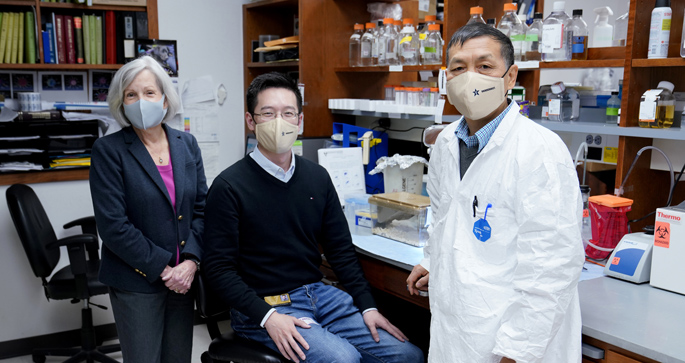
Study reveals new strategy for reducing tumor growth, metastasis
A team of Vanderbilt investigators has discovered that blocking a certain signaling pathway boosts antitumor immunity and reduces tumor growth and metastasis in models of breast cancer and melanoma. Read MoreDec 17, 2020
-
American Chemical Society appoints Craig Lindsley editor in chief of ‘Journal of Medicinal Chemistry’
Craig Lindsley, William K. Warren, Jr. Chair in Medicine and university professor of chemistry, pharmacology and biochemistry, has been named editor in chief of the "Journal of Medicinal Chemistry." His appointment will begin Jan. 1. Read MoreDec 14, 2020
-
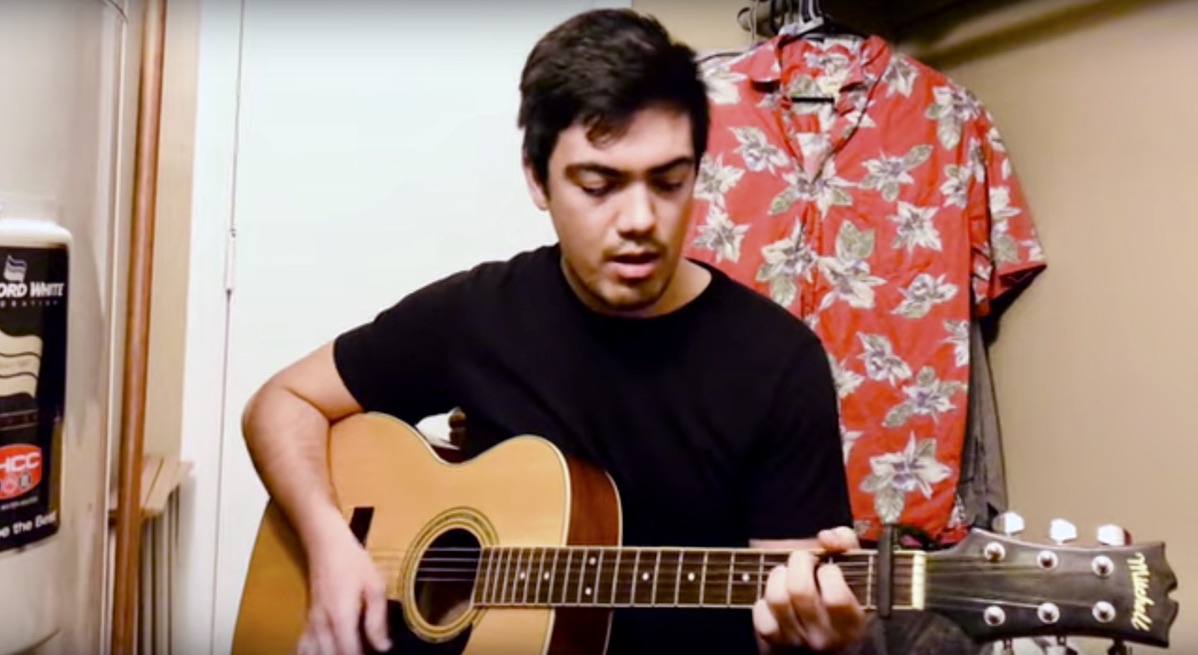
Basic Sciences winter showcase gets researchers out of the lab, into the spotlight
Singing, painting, strumming, baking, crocheting and even gymnastic tumbling filled a virtual stage as graduate students, faculty and staff in the School of Medicine Basic Sciences held their third annual winter showcase. Read MoreDec 14, 2020
-

Cortez named interim chair in the Department of Biochemistry; York named Impossible Foods chief science officer
David Cortez, Richard N. Armstrong Chair for Innovation in Biochemistry and professor of biochemistry, has been named interim chair in the Department of Biochemistry beginning Jan. 1. This follows the departure of John York, who was recently named chief science officer of California-based food technology startup Impossible Foods. Read MoreDec 8, 2020
-
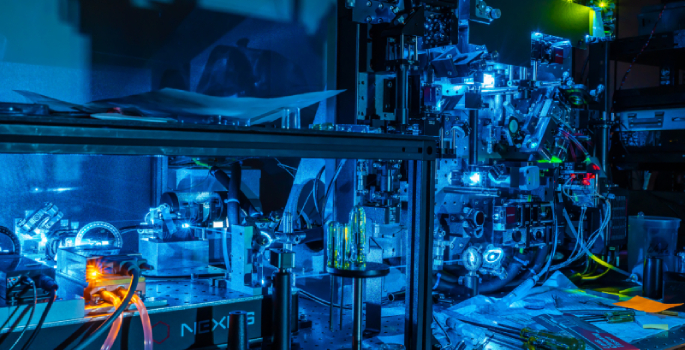
Vanderbilt microscopist receives Chan Zuckerberg Initiative grant to expand access to imaging technologies
Bryan Millis, research assistant professor of cell and developmental biology and biomedical engineering, has been awarded a grant from the Chan Zuckerberg Initiative’s Imaging Scientists program. The proceeds will go toward building an immersive virtual education platform to expand instruction and accessibility of high-end microscopy techniques within and beyond the Vanderbilt research community. Read MoreDec 2, 2020
-
Discovery Science Emerging Scholars Lecture: Christina Termini Dec. 8
Christina Termini, a University of California President’s Postdoctoral Fellow at UCLA, will discuss “Leveraging Proteoglycans for Hematopoietic Stem Cell Regeneration” on Tuesday, Dec. 8, beginning at 4 p.m. CT via Zoom. Read MoreDec 1, 2020
-
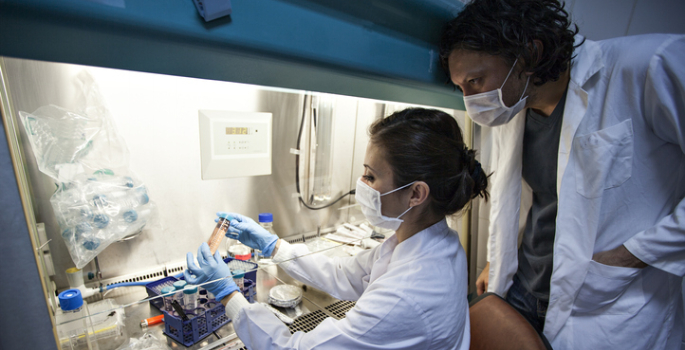
Vanderbilt awarded NIH grant to continue mentoring and career training among biomedical research graduate students from underrepresented groups
The Vanderbilt School of Medicine Basic Sciences has won continued funding from the National Institutes of Health for its Initiative for Maximizing Student Diversity program supporting the success of biomedical graduate students from underrepresented backgrounds. Read MoreDec 1, 2020
-

Kudos: Read about faculty, staff and student awards, appointments and achievements
Read about the latest faculty, staff and student awards, appointments and achievements. Read MoreNov 24, 2020
-
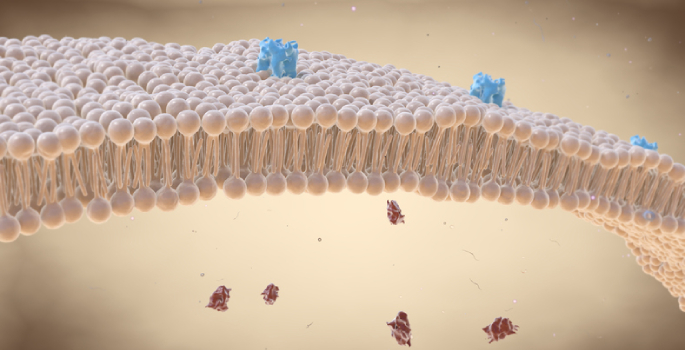
Vanderbilt-Ancora partnership advances research for Charcot-Marie-Tooth disease
Further research by biochemistry professors Charles Sanders and Bruce Carter into therapeutics for Charcot-Marie-Tooth disease, an inherited condition that damages peripheral nerves, will be funded by Ancora Innovation LLC, a Deerfield Management company that supports Vanderbilt’s innovative life science research. Read MoreNov 17, 2020
-
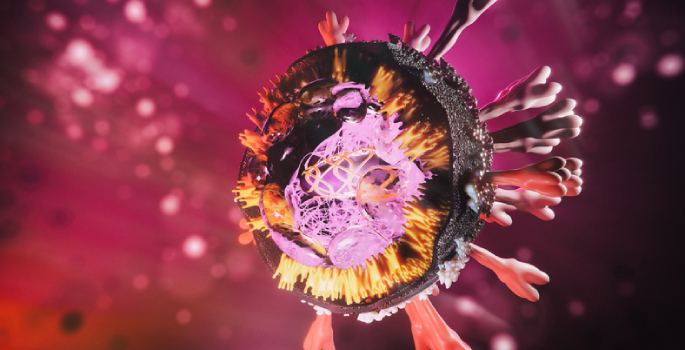
Vanderbilt researchers work to build a molecular Trojan horse to battle COVID-19
Vanderbilt biochemists figure out how the little-understood Envelope protein helps SARS-CoV-2 function and how to disrupt the endogenously creative virus. Read MoreNov 17, 2020
-
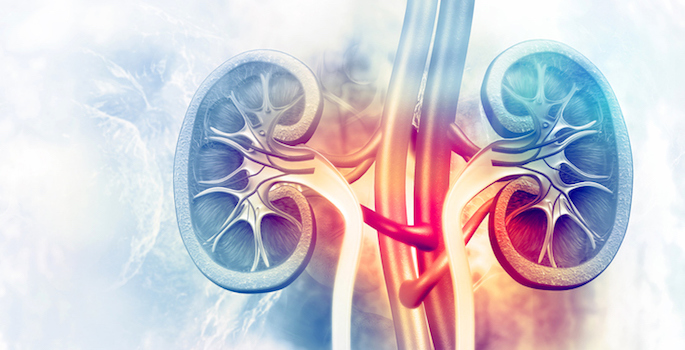
Vanderbilt contributes to the ‘Google Earth’ of the human body, starting with the kidney
Vanderbilt contributes molecular imaging data of kidney to the Human BioMolecular Atlas Program, a consortium of 18 diverse collaborative research teams across the United States and Europe. Read MoreNov 12, 2020