School Of Medicine Basic Sciences
-
Vanderbilt joins Meharry Medical College, Fisk University in hosting Tri-Institutional Seminar series
A Tri-Institutional Seminar series has been initiated by the School of Medicine Basic Sciences, Meharry Medical College and Fisk University, focused on trainee development and promoting collaboration and existing ties between scientists affiliated with all three institutions. The series is open to the public. Read MoreMay 13, 2024
-
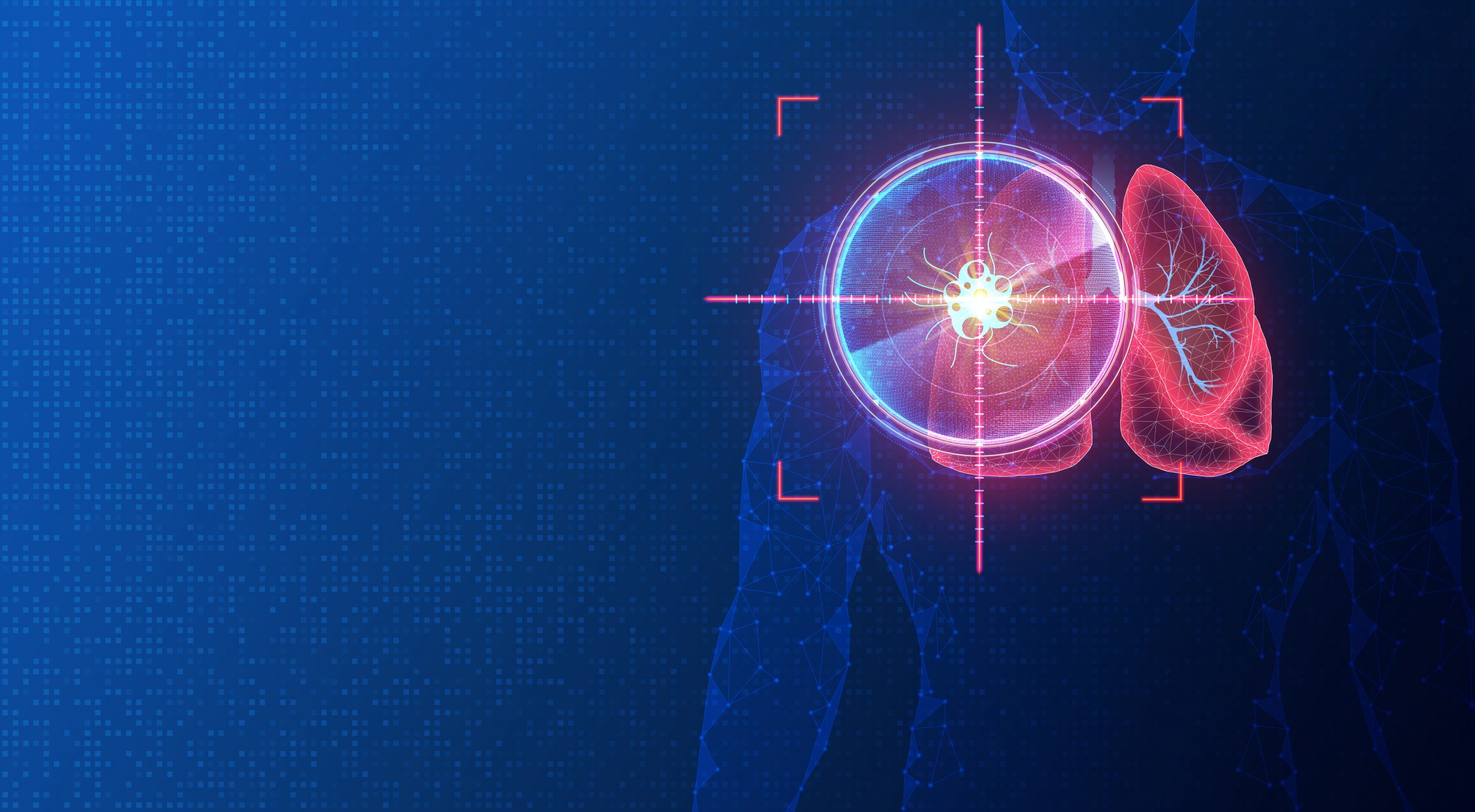
Lau lab publishes authoritative reference article on the hallmarks of precancer
Ken Lau, professor of cell and developmental biology, and colleagues have laid out the principles governing the biology of early, precancerous lesions, which are different from the principles that govern cancers. Their authoritative perspective was published in Cancer Discovery in April 2024. Read MoreMay 9, 2024
-
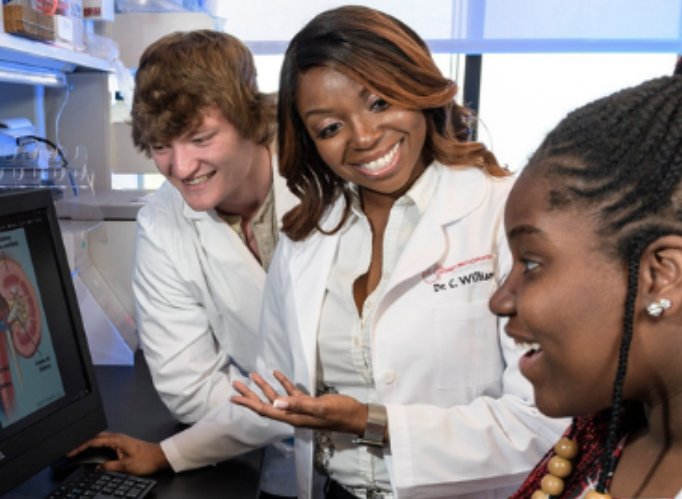
Hinton lab grows, American Physiological Society award adds Clintoria Williams as Visiting Scholar
Clintoria Williams, associate professor in the Department of Neuroscience, Cell Biology and Physiology at Wright State University, has received the John F. Perkins, Jr. Research Career Enhancement Award from the American Physiological Society. This will enable her to join Vanderbilt as a visiting scholar in the Department of Molecular Physiology and Biophysics for four months to collaborate more closely with Antentor Hinton Jr., assistant professor in the department. Read MoreMay 7, 2024
-
David Cortez wins Protein Society award for contributions to basic protein science
David Cortez, a world-renowned leader in DNA damage response and repair mechanisms and the pathophysiology of cancer, developed and applied highly creative technological approaches to identify and characterize proteins involved in DNA and genome maintenance. The Protein Society is the premier international society dedicated to supporting protein research. Read MoreApr 30, 2024
-
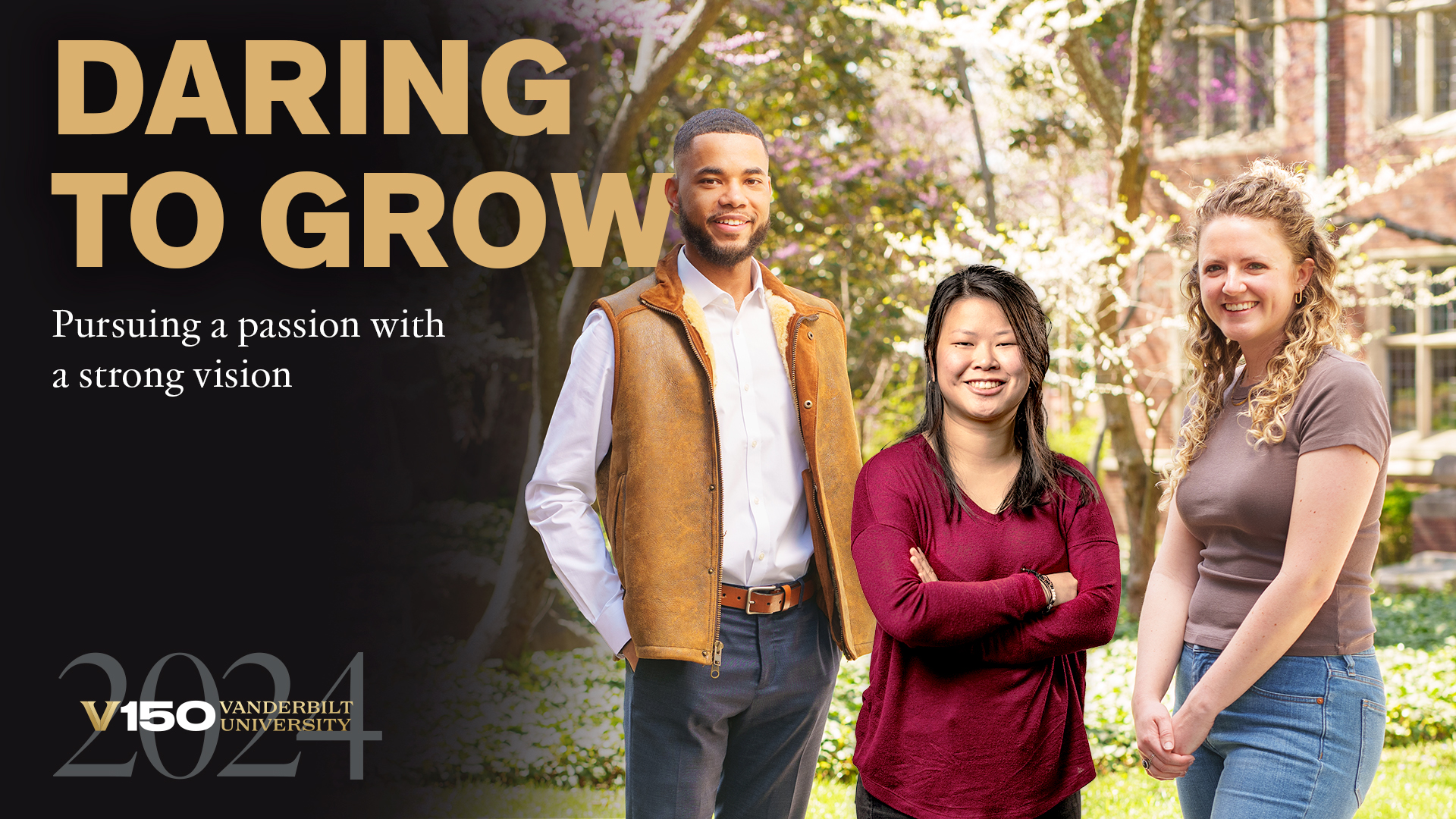
WATCH: These Class of 2024 students use ‘dare to grow’ passion to help others
Meet members of the Class of 2024 with a unique passion and perspective on how to live out the Dare to Grow motto. Read MoreApr 26, 2024
-
Seven Vanderbilt faculty members named fellows by the American Association for the Advancement of Science
After a rigorous nomination and review process, Vanderbilt University professors -- Jada Benn Torres, David Cliffel, Volker Haase, Janet Macdonald, Xiao-Ou Shu, Keith Wilson and Zheng Wei -- were named fellows of the American Association for the Advancement of Science. Read MoreApr 25, 2024
-
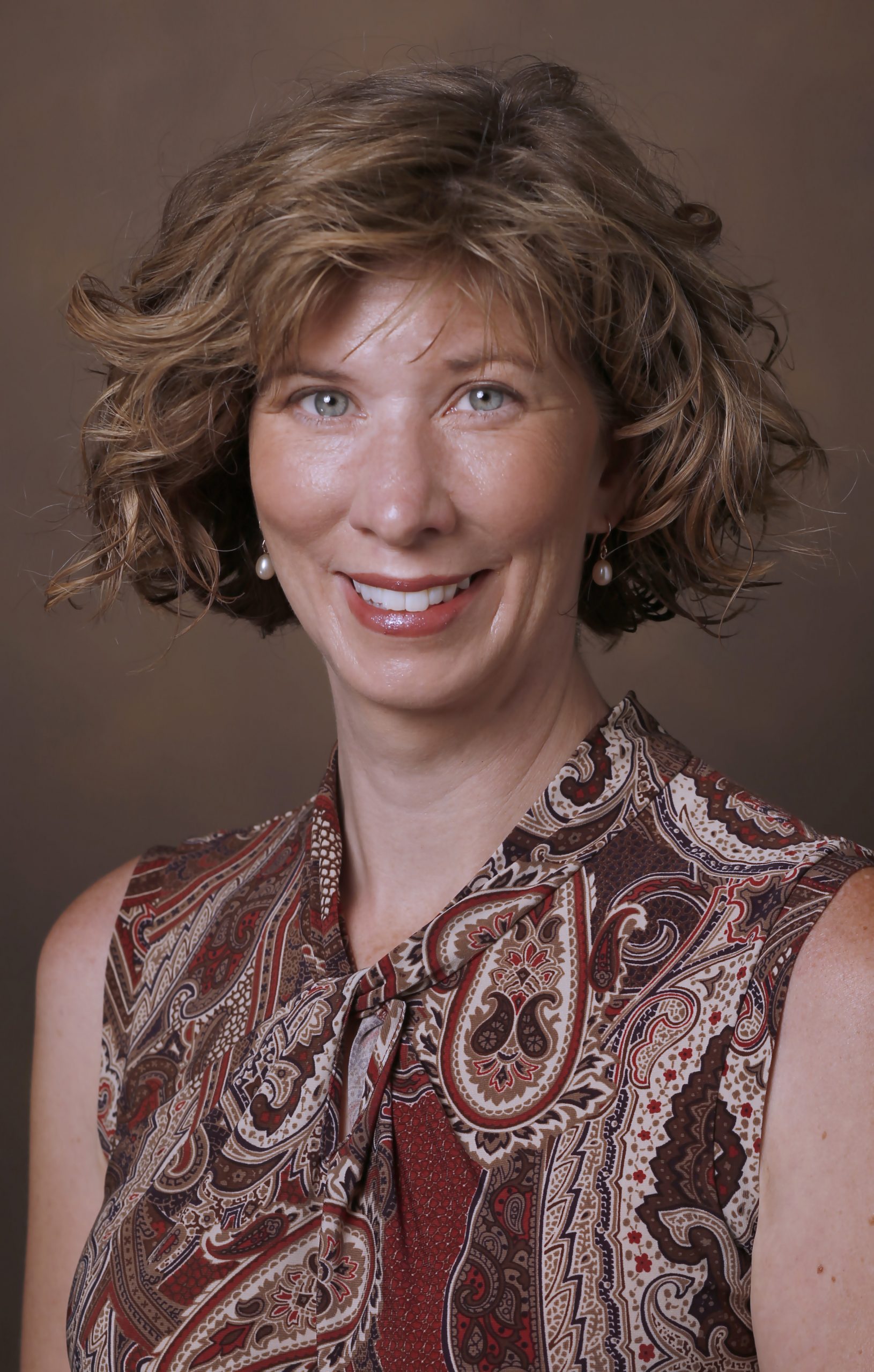
New structures offer insight into how a bacterial motor powers bacterial chemotaxis, a key infectious process
The lab of Tina Iverson, Louise B. McGavock Professor and professor of pharmacology, in collaboration with researchers at the University of California, San Francisco; Stanford University; and The Weizmann Institute of Science in Israel have published new work in Nature Microbiology, providing new insights on chemotaxis. Read MoreApr 22, 2024
-
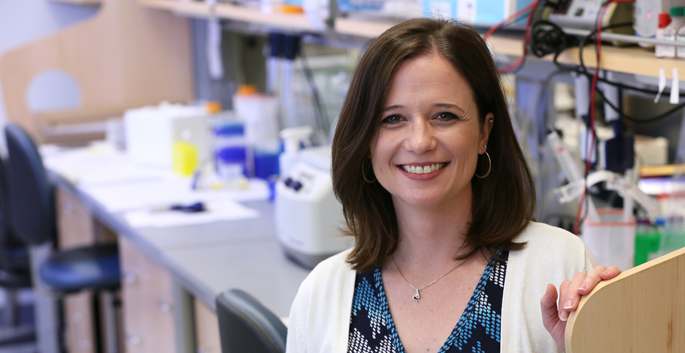
Hodges lab sheds new light on mechanisms of gene regulatory divergence between species
Molecular biologist Emily Hodges, assistant professor of biochemistry, studies the regulatory elements of our genome and is interested in parsing how changes in DNA sequence affect gene regulation. Read MoreApr 22, 2024
-
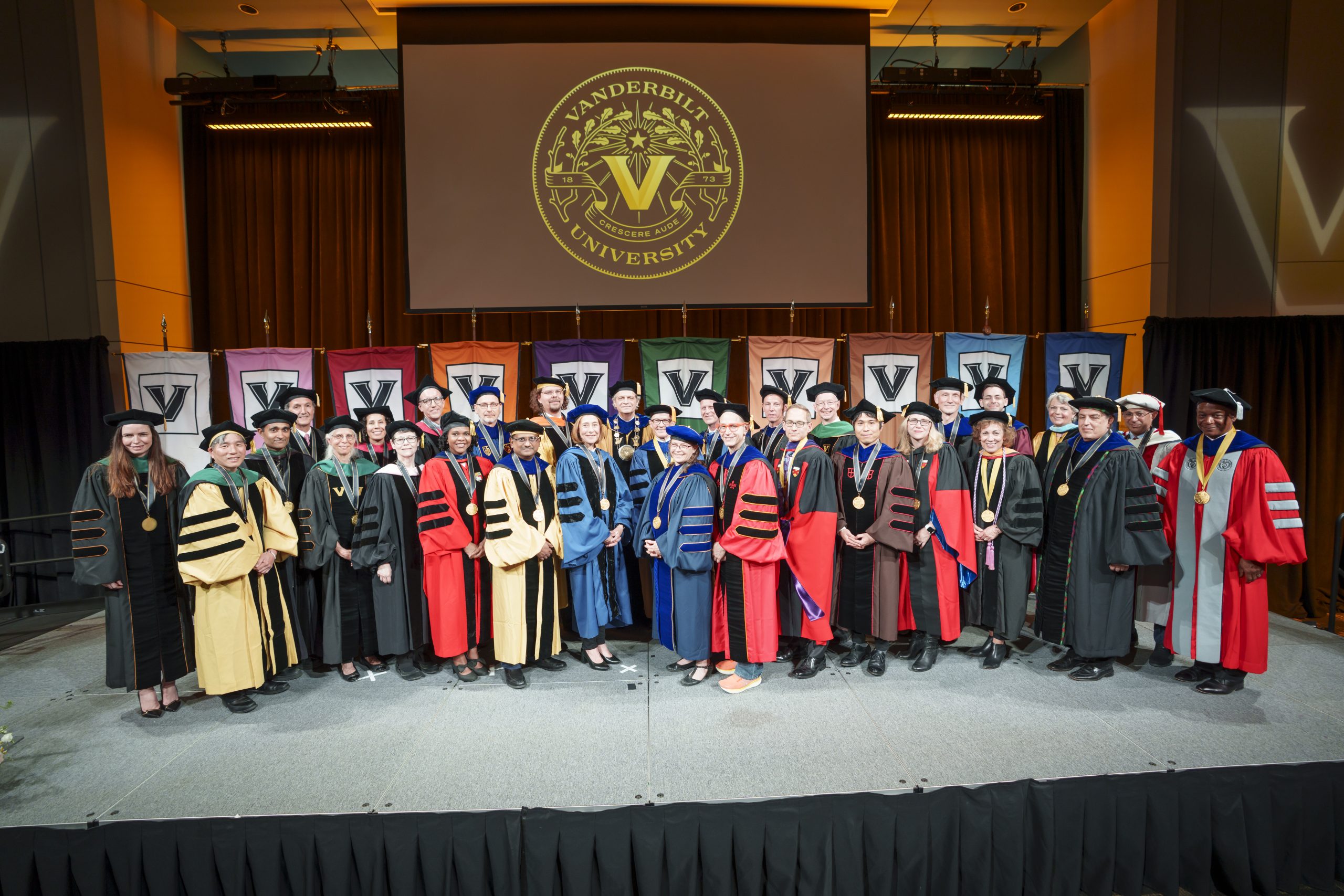
28 faculty honored at endowed chair investiture
The distinguished faculty members and deans representing eight colleges and schools were presented with medallions that symbolize the attainment of their positions and will become part of their official academic regalia. Chair holders contribute their expertise to real-world challenges, including climate change, political inequality and access to justice, artificial intelligence and ICU trauma. Read MoreApr 11, 2024
-
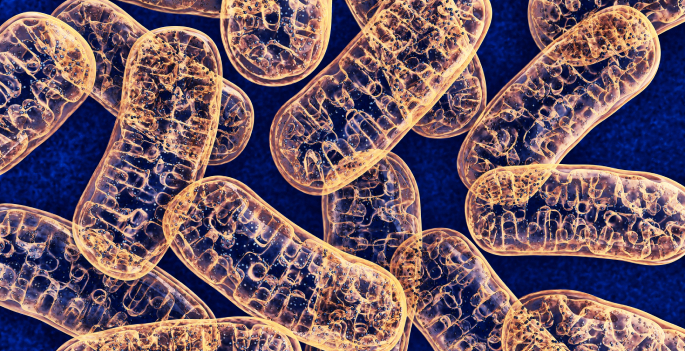
Hinton lab maps structure of mitochondria at different life stages
The lab of Antentor O. Hinton Jr., assistant professor of molecular physiology and biophysics, came together with collaborators from across Vanderbilt University, Vanderbilt University Medical Center, the U.S., and Brazil to determine the differences in the 3D morphology of mitochondria and their cristae in brown adipose tissue. Read MoreApr 5, 2024
-
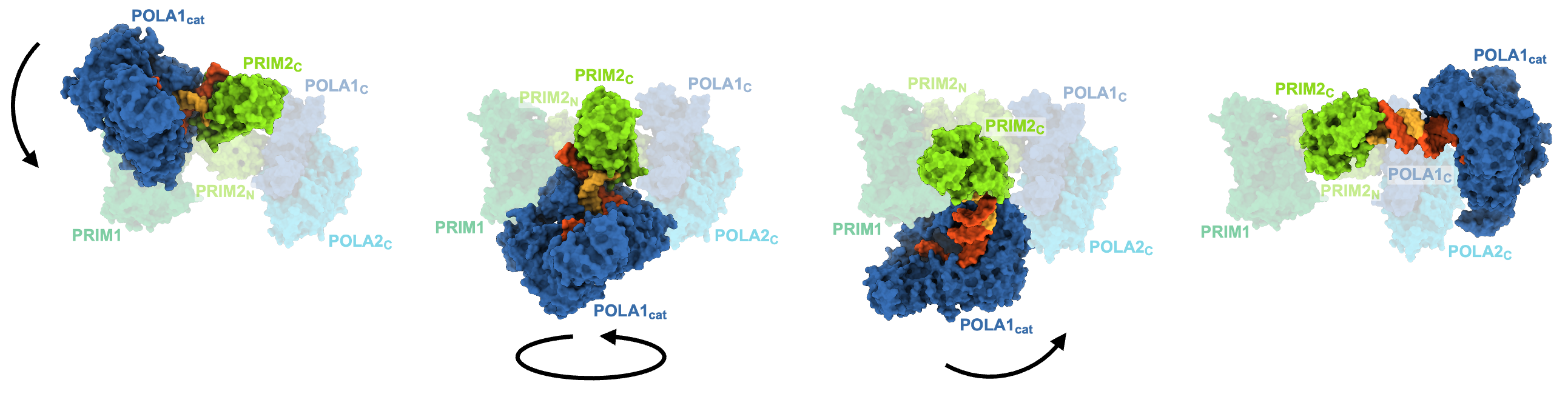
Q&A: Illuminating a critical step in initiating DNA replication in eukaryotes
Brandt Eichman and Walter Chazin, professors of biochemistry, have worked together to provide a better understanding of how exactly DNA replication is initiated in eukaryotes. Using Vanderbilt’s state-of-the-art instrumentation in the Center for Structural Biology’s Cryo-Electron Microscopy Facility, Eichman, Chazin and their colleagues provided detailed visualizations of a multi-functional protein in action, which sheds light on how DNA replication is initiated in humans. Read MoreMar 15, 2024
-
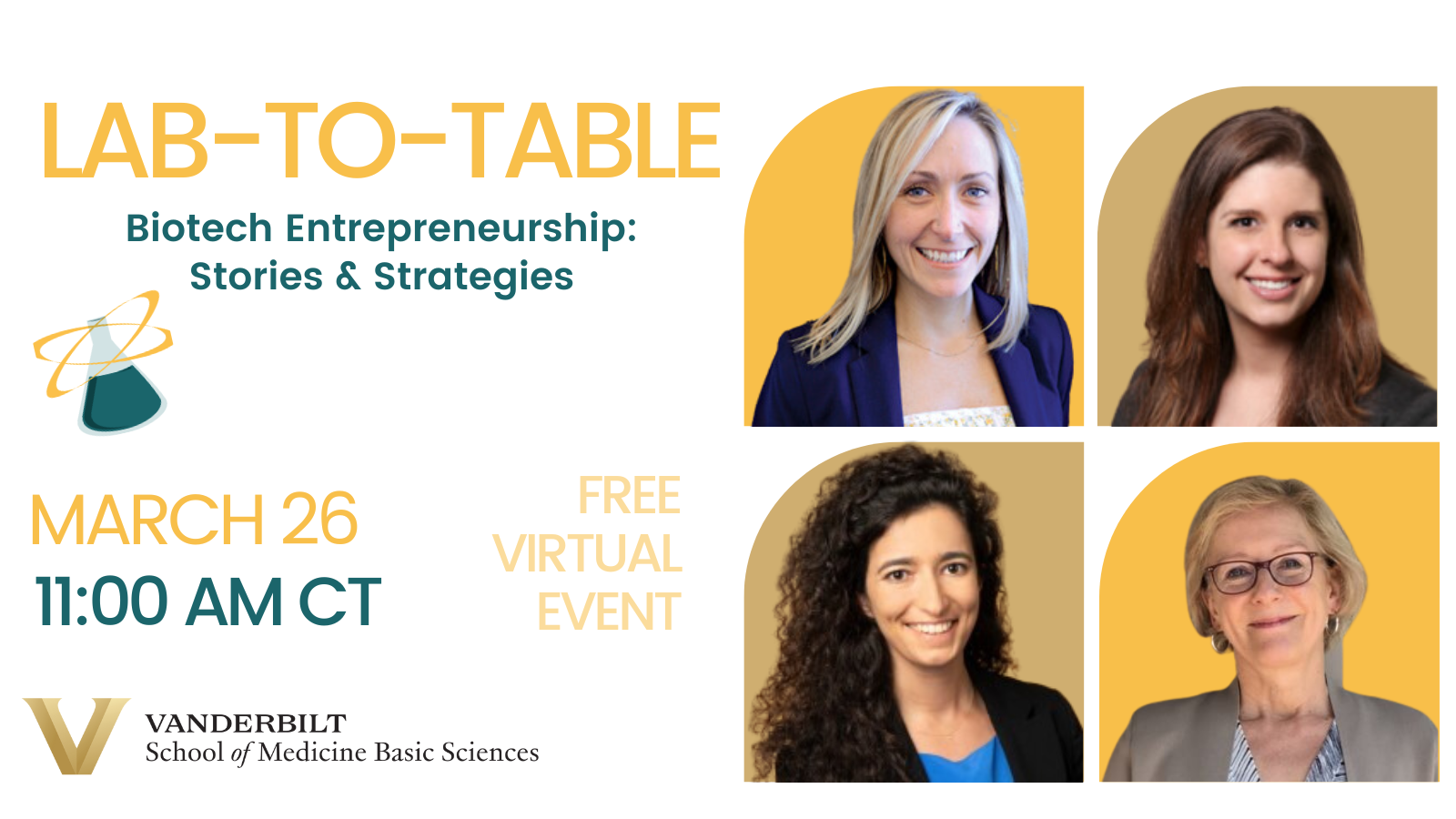
Watch Now: Lab-to-Table Conversation ‘Biotech Entrepreneurship: Stories & Strategies’
Join the next Lab-to-Table conversation, “Biotech Entrepreneurship: Stories & Strategies” on March 26 at 11 a.m. CT. Read MoreMar 12, 2024
-
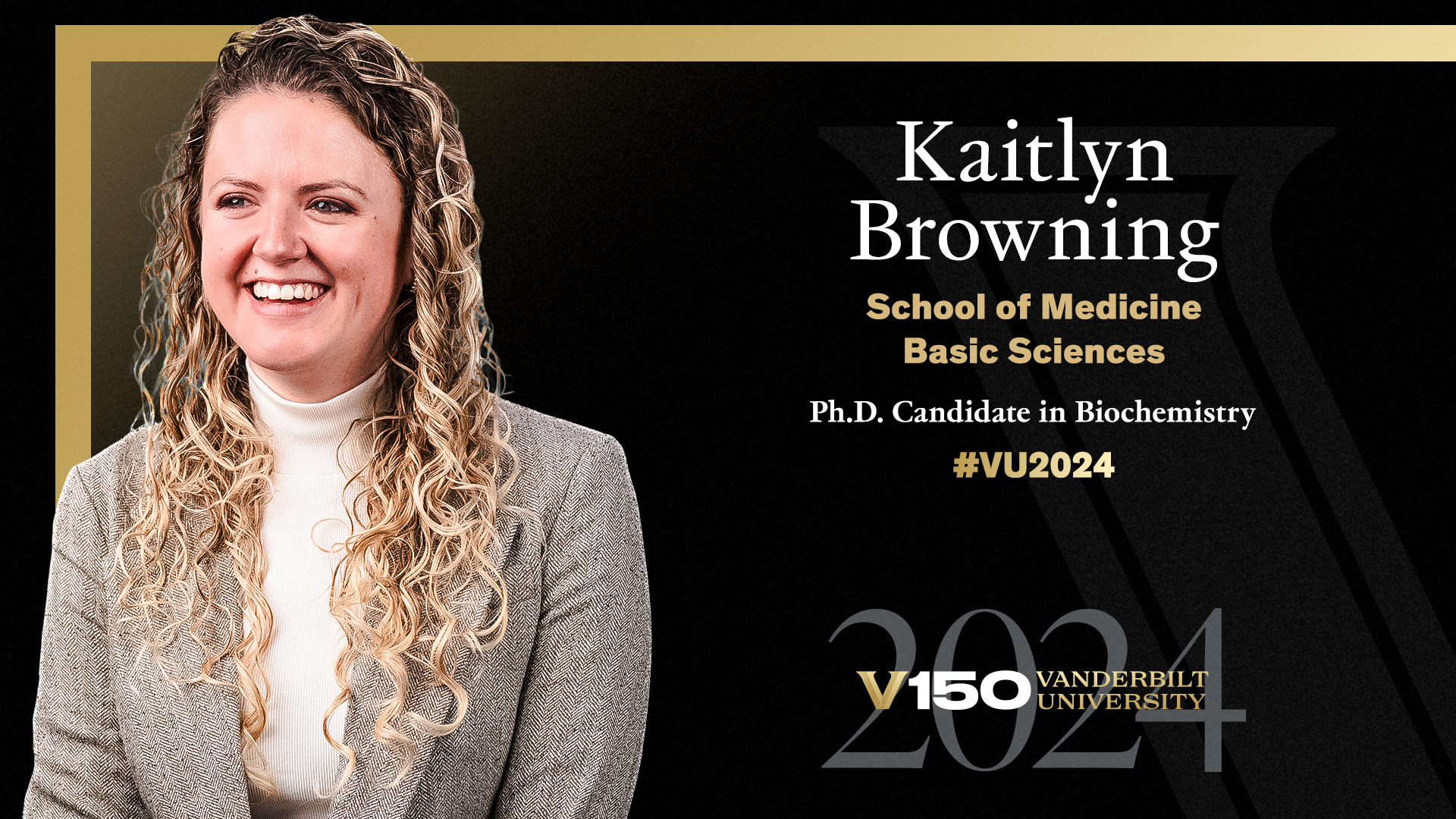
CLASS OF 2024: Discovery and communication key to biochemistry Ph.D. Kaitlyn Browning
WATCH: See how Ph.D. candidate Kaitlyn Browning wants to fight miscommunication and misinformation around science. Read MoreFeb 16, 2024
-
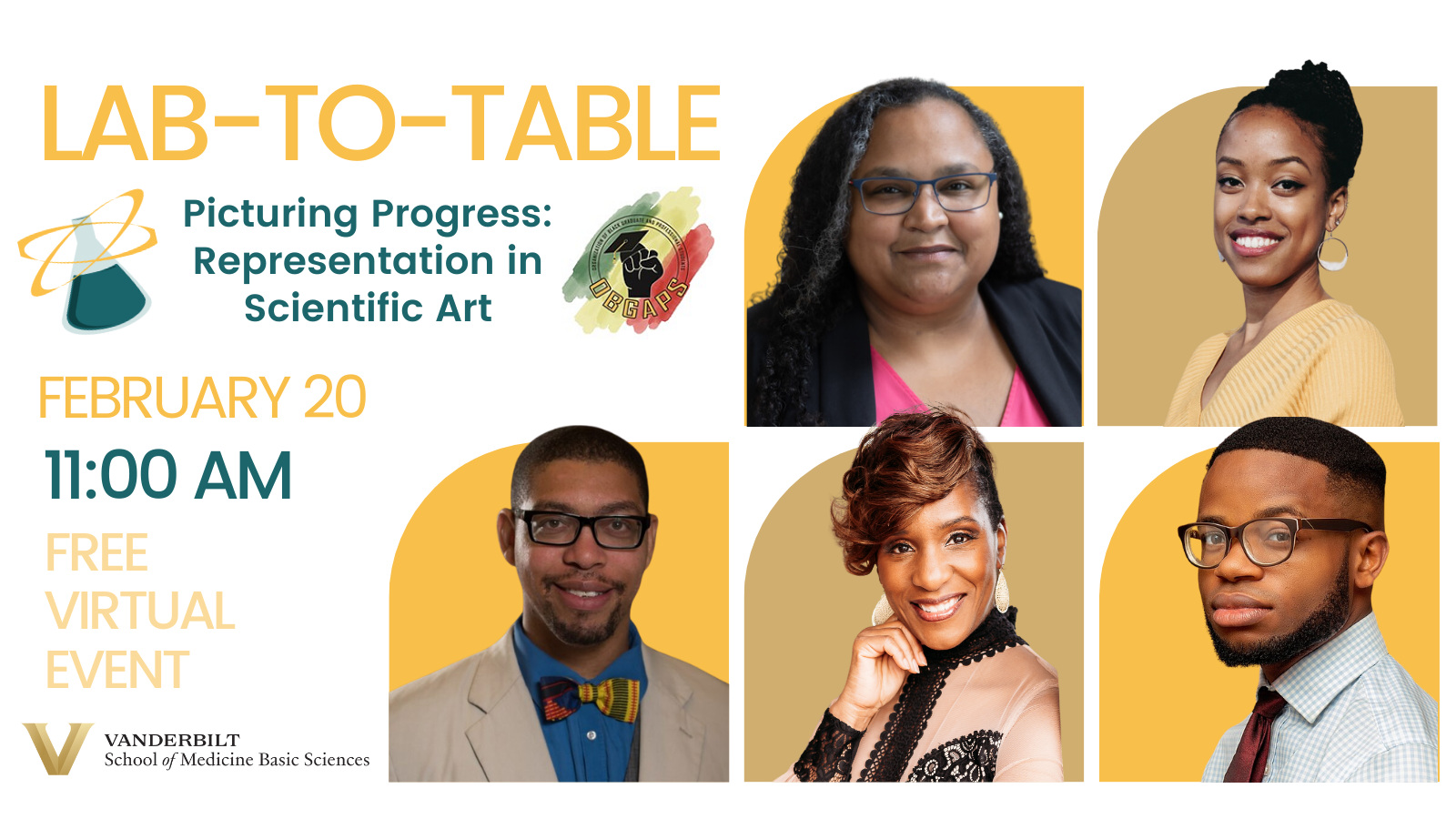
Watch Now: Lab-to-Table Conversation: ‘Picturing Progress: Representation in Scientific Art’
Join the next Lab-to-Table conversation, “Picturing Progress: Representation in Scientific Art” on Feb. 20 at 11:00 a.m. Read MoreFeb 7, 2024
-
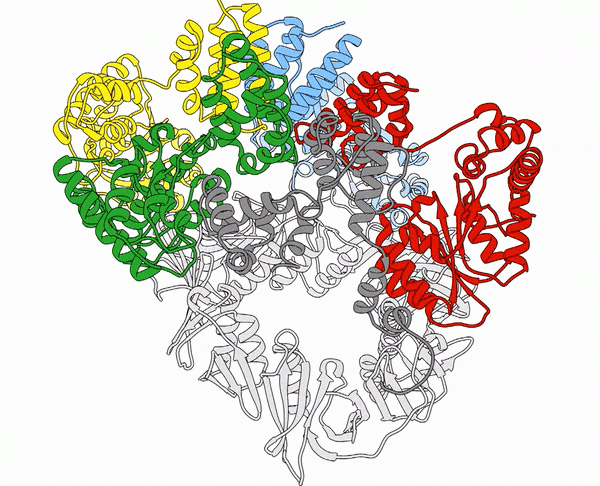
Combining unique methods, Kuriyan lab discovers new protein functions; explores physical space of proteins
Combining deep mutagenesis and cryo-EM reveals new conformational state of a protein responsible for high-speed DNA replication. The research builds on growing theories of molecular evolution. Read MoreFeb 6, 2024
-
OpenFold authority Mohammed AlQuraishi, Columbia University, to deliver Apex Lecture on January 29
Mohammed AlQuraishi, assistant professor at Columbia University, will give an Apex Lecture on Monday, Jan. 29, at 12:00 p.m. CT in 214 Light Hall. His talk, “The State of Protein Structure Prediction and Friends,” is hosted by the School of Medicine Basic Sciences and co-sponsored by the Center for Applied AI in Protein Dynamics. Read MoreJan 22, 2024
-

Vanderbilt chemist Ben Brown awarded $2.375M to develop nonaddictive painkillers with AI
Avenir Award funding from the National Institute on Drug Abuse recognizes research that represents “the future of addiction science.” Brown’s research is creating an AI-experiment feedback loop that will help optimize painkilling drugs to be less addictive. Read MoreJan 18, 2024
-
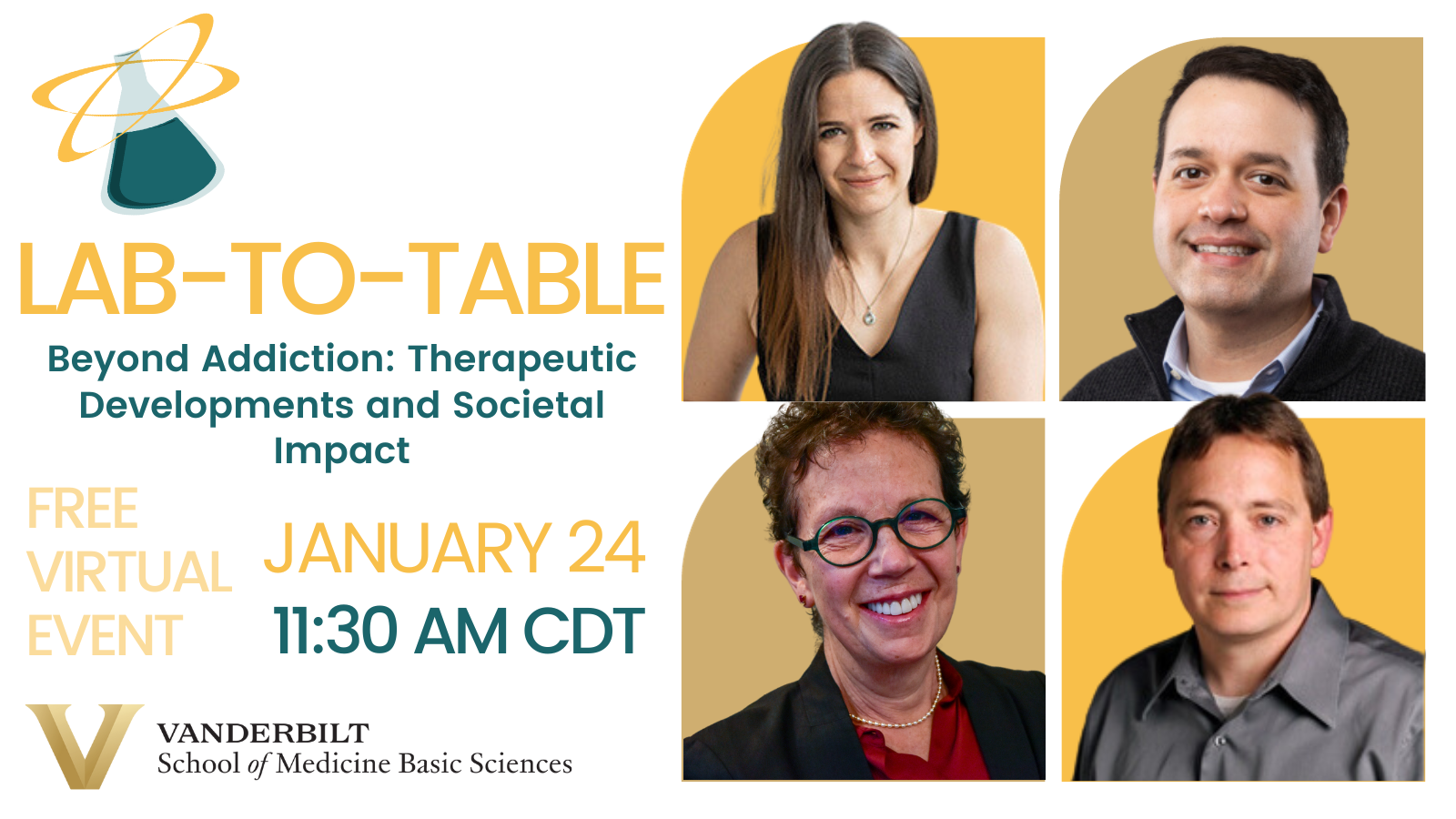
Watch now: Lab-to-Table Conversation: Beyond Addiction: Therapeutic Developments and Societal Impact
Join the next Lab-to-Table conversation, “Beyond Addiction: Therapeutic Developments and Societal Impact” on Jan. 24 at 11:30 a.m. CT. Read MoreJan 11, 2024
-
Innovation Ignition Fund launches a pilot program to support early-stage therapeutic projects with translational viability
The School of Medicine Basic Sciences and the Office of the Vice Provost for Research and Innovation launch the Innovation Ignition Fund. This pilot program offers up to $500,000 in funding and drug development mentorship from Vanderbilt scientists with expertise in translational research. Read MoreJan 11, 2024
-
Study uses new tools, machine learning to investigate major cause of blindness in older adults
Vanderbilt researchers, in collaboration with investigators from the University of Alabama at Birmingham, the Delft University of Technology, University Hospital Bonn, and Molecular Horizon have developed new protocols to study which molecular pathways might be important in the aging retina and what might cause the formation of deposits in the eye that confer high risk for age-related macular degeneration. Read MoreJan 3, 2024