School Of Medicine Basic Sciences
-
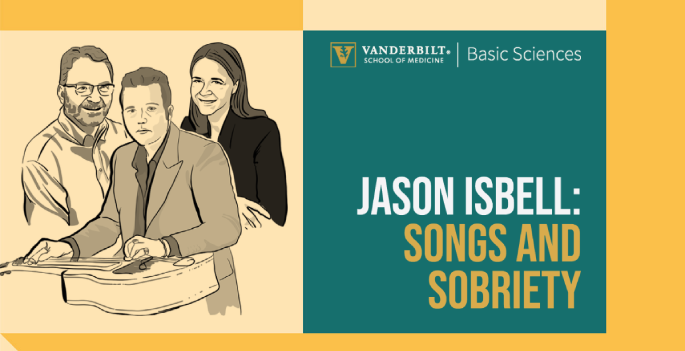
Watch Now: Jason Isbell on addiction and sobriety with Vanderbilt Center for Addiction Research
Four-time Grammy Award-winning musician Jason Isbell spoke about the impact of COVID-19 on addiction and sobriety and the intersection of sobriety, addiction and music in the School of Medicine Basic Sciences' Lab-to-Table Conversation on Tuesday, Oct. 12, at noon CT. Read MoreSep 28, 2021
-

Jeffrey Conn, founding director of Warren Center for Neuroscience Drug Discovery, named 2021 fellow of American Society for Pharmacology and Experimental Therapeutics
Jeffrey Conn, Lee E. Limbird Chair and professor of pharmacology, is among 16 scientists named 2021 fellows of the American Society for Pharmacology and Experimental Therapeutics. Selection as a fellow of ASPET is an honor bestowed on members who have demonstrated excellence in their efforts to advance pharmacology through scientific achievements, mentorship and service to the society. Read MoreSep 27, 2021
-
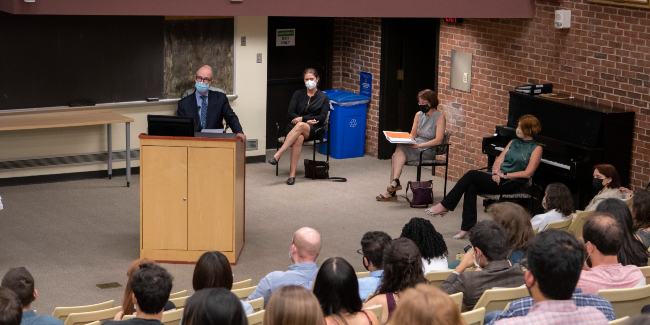
Biomedical doctoral students welcomed at Simple Beginnings ceremony
More than 100 incoming biomedical science Ph.D. students participated in the Simple Beginnings lab coat ceremony held Sept. 3 in Light Hall. The annual tradition welcomes new doctoral students to the School of Medicine and presents them with personalized white lab coats, a classic symbol of scientific training. Read MoreSep 27, 2021
-
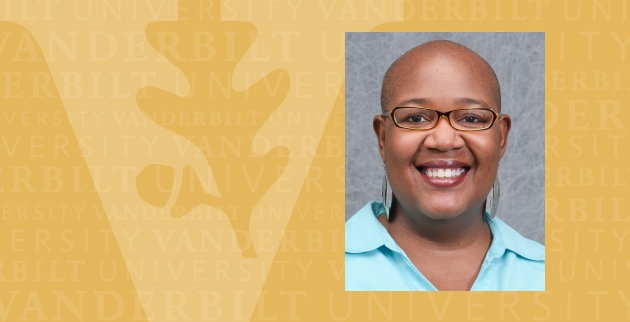
Jenkins named Basic Sciences diversity, equity and inclusion program manager
The Vanderbilt University School of Medicine Basic Sciences has named Felysha Jenkins as its first diversity, equity and inclusion program manager. Read MoreSep 17, 2021
-

Research Snapshot: True behavior of the ‘pleasure molecule’ will reshape how we treat psychiatric diseases and addiction
Discovery shows that dopamine is not a reward molecule at all, calling for revision of textbook facts regarding the hormone’s role in the brain. Est. reading time: 3.5 mins. Read MoreSep 15, 2021
-
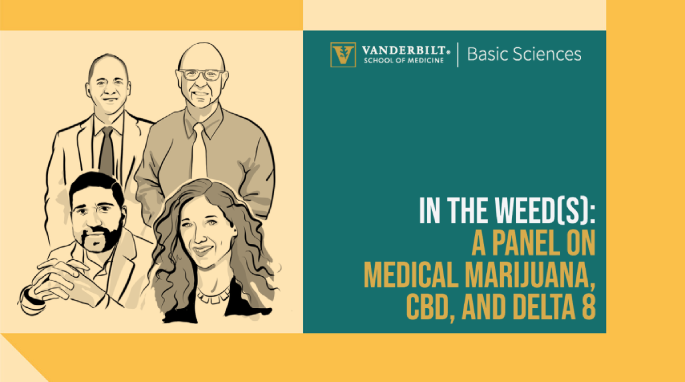
Watch: The science and law behind medical marijuana, CBD and Delta 8
The School of Medicine Basic Sciences' monthly Lab-to-Table Conversation will discuss the science of marijuana and the current legal context for its use on Thursday, Sept. 23, beginning at noon CT. Read MoreSep 14, 2021
-
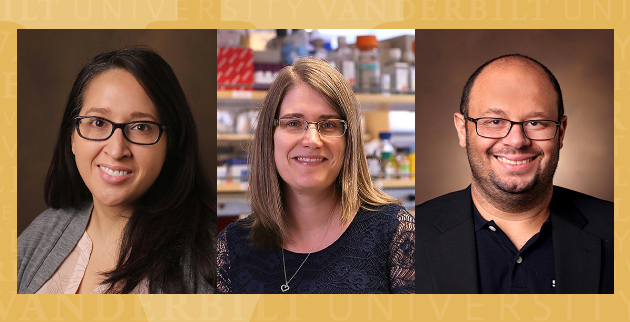
Basic Sciences welcomes new IMSD leadership
Digna R. Velez Edwards, Julie Rhoades (Sterling) and Henrique Serezani comprise the new leadership team for the Vanderbilt School of Medicine Basic Sciences' Initiative for Maximizing Student Diversity. IMSD recruits and supports biomedical trainees from backgrounds underrepresented in science during their graduate careers. Read MoreAug 27, 2021
-

Research Snapshot: Development of a new framework and tool for multi-drug synergy and combination
MuSyC is a technique to help researchers devise new combinations of drugs. An open-source analysis tool, it holds the promise speed such discoveries around the world. Read MoreAug 24, 2021
-
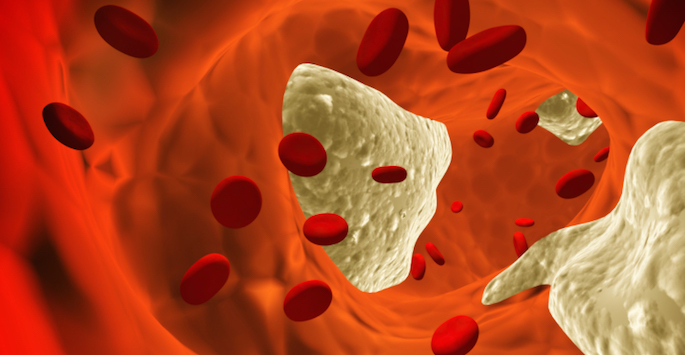
Potential protection from atherosclerosis
Vanderbilt researchers have discovered a potential way to reduce atherosclerosis: blocking the modification of an HDL-associated enzyme by reactive molecules called isolevuglandins. Read MoreAug 19, 2021
-

Vega selected as 2021 Vanderbilt Prize Student Scholar
Paige Vega, a Ph.D. student in the Department of Cell and Developmental Biology, has been selected as the 2021 Vanderbilt Prize Student Scholar. Read MoreAug 11, 2021
-
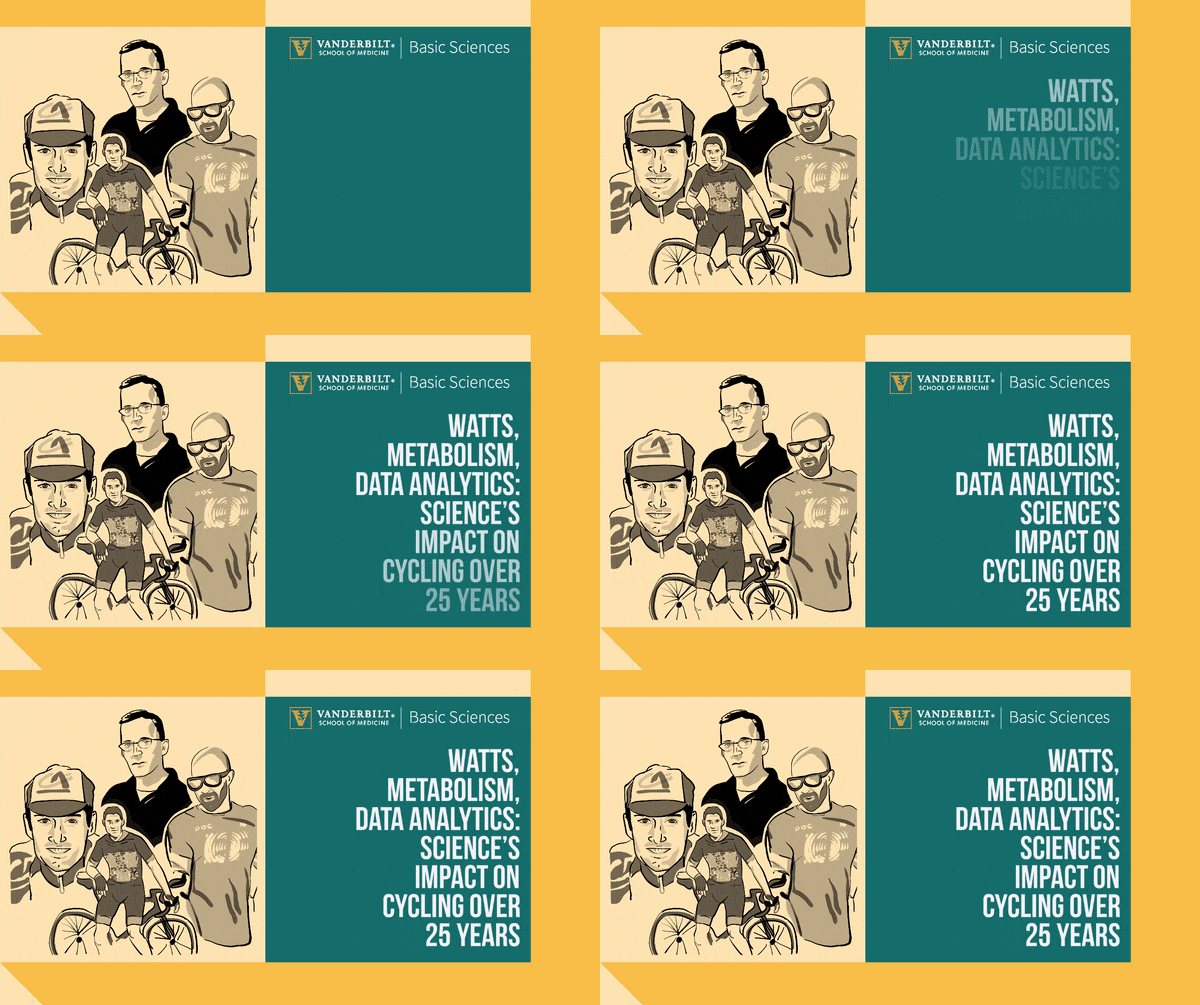
Watch: ‘Watts, Metabolism, Data Analytics: Science’s Impact on Cycling over 25 Years’
Join the School of Medicine Basic Sciences’ monthly Lab-to-Table series for a conversation with former Tour de France and Olympic athletes about science and cycling. The discussion will touch on the athletes’ personal experiences with training, coaching and medicine in cycling and how biomedical science has shaped their efforts. The virtual event will be Tuesday, Aug. 17, at 11 a.m. CT. Read MoreAug 3, 2021
-
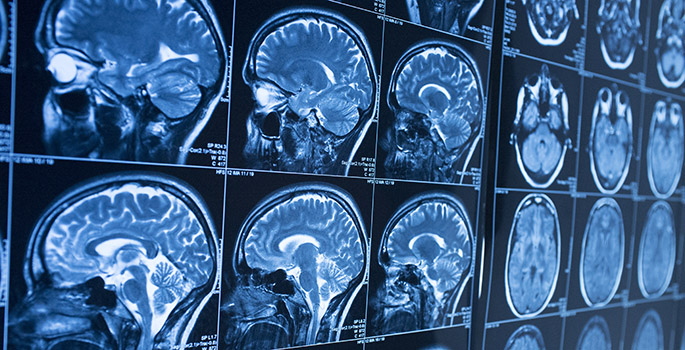
Research Snapshot: Discovery points to ketamine’s long-term antidepressant effects
Lisa Monteggia leads discovery of the gene responsible for ketamine’s long-term effects with implications for antidepressant therapeutics. Est. reading time: 2.5 mins. Read MoreJul 28, 2021
-
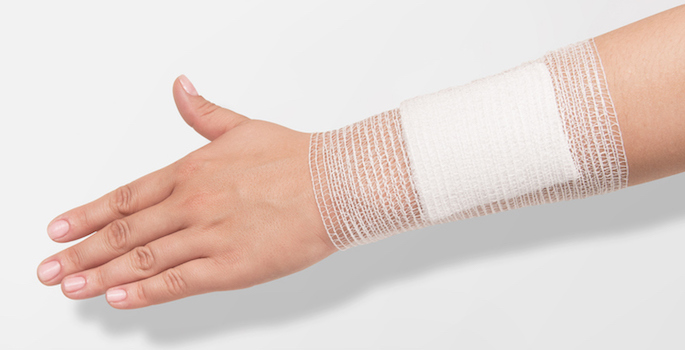
Research Snapshot: Novel discovery describes the mechanisms of wound detection in the body
Pioneering research from Vanderbilt scientists discovers the mechanism by which epithelial cells first find and react to wounds. Est. reading time: 3 mins. Read MoreJul 27, 2021
-

Research Snapshot: First-ever gene expression map of an entire nervous system completed; researchers share data to expedite research into genetic defects affecting the brain
David Miller and Seth Taylor push genetic research forward by leading the completion of a gene expression atlas for the entire nervous system of the nematode C. elegans Est. reading time: 1.5 mins. Read MoreJul 26, 2021
-

Researchers discover that protein switches functions to regulate DNA replication
Vanderbilt biochemists have discovered that the protein RADX has different biological effects at sites of DNA synthesis, depending on the cellular conditions — even though it works the same way in both stressed and unstressed cells. Read MoreJul 22, 2021
-
Vanderbilt researchers discuss innovative research on melanoma
With the peak of summer approaching, Vanderbilt researchers will discuss innovative research on melanoma and how new insights could lead to less toxic treatments and better outcomes for patients. “Toward a Cure for Melanoma” will take place on Tuesday, July 27, at noon CT. Read MoreJul 21, 2021
-
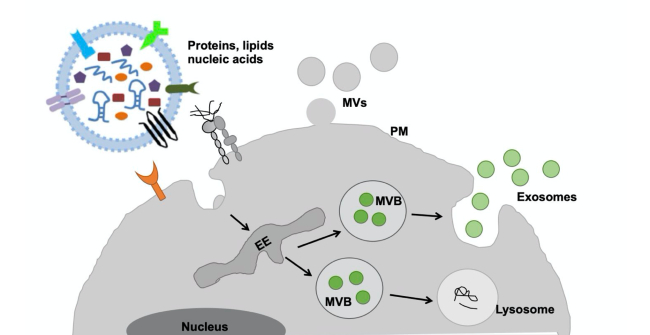
Basic Sciences launches new Extracellular Vesicle Research Center
The Program for Extracellular Vesicle Research has been upgraded to the Center for Extracellular Vesicle Research, one of nine official centers and institutes associated with the School of Medicine Basic Sciences. Read MoreJul 13, 2021
-
Academic experts across disciplines tackle questions surrounding the origins of life
The School of Medicine Basic Sciences brought together a biologist, a Christian theologist, a philosopher and an astrophysicist June 17 for a lab-to-table conversation exploring their views and academic perspectives on the origins of life. Read MoreJul 7, 2021
-

Research Snapshot: Novel discovery describes how the motor cortex influences stress responses in brain regions involved in drug- and alcohol-seeking behavior
Exercise and movement may be a prescription to mitigate drug and alcohol seeking behavior due to its influence on the brain. Est. reading time: 3 mins. Read MoreJun 24, 2021
-

Merrikh named finalist for Blavatnik National Award for Young Scientists for second year
For the second year in a row, Professor of Biochemistry Houra Merrikh has been named a finalist for the 2021 Blavatnik National Awards for Young Scientists in the life sciences category for her discovery of a potential solution to prevent the evolution of antimicrobial resistance and, in some cases, even reverse existing resistance. Read MoreJun 17, 2021