Political Science
-
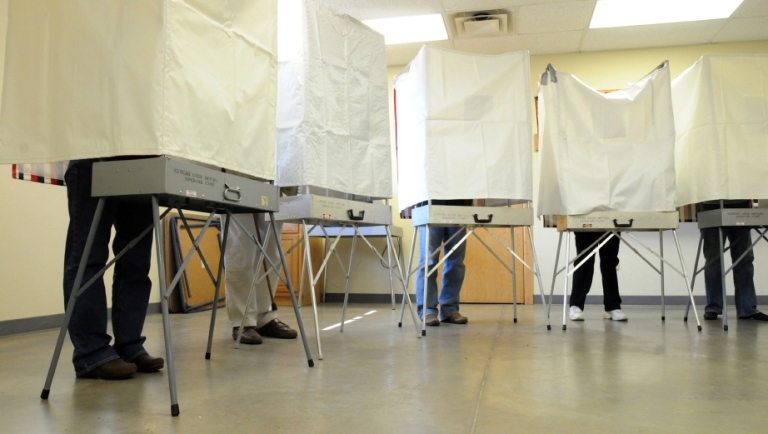
Waning political tolerance in some Latin American nations points to weakened democratic culture
Support for political tolerance remains strong in many Latin American and Caribbean nations, but in others a move in the opposite direction “represents alarming news,” concludes a study by Vanderbilt University’s Latin American Public Opinion Project. Read MoreJan 22, 2014
-
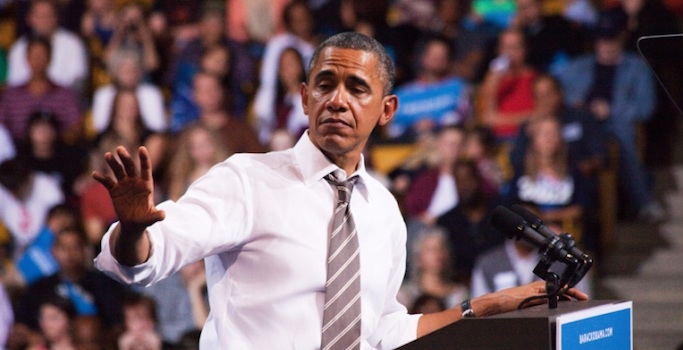
Obama appointments studied for patronage
Vanderbilt researchers studied 1,307 appointments made by the Obama administration in its first six months, seeking data about the appointees’ education, work history and political involvement. Read MoreJan 17, 2014
-

Layton wins research abroad award for fieldwork in Brazil
Vanderbilt graduate student Matthew Layton will use a Fulbright-Hays Doctoral Dissertation Research Abroad Fellowship to do field work in Brazil. Read MoreOct 30, 2013
-

No surprise: Women worked behind the scenes to secure agreement
Alan Wiseman's research shows that women lawmakers, particularly ones in the minority party, are more effective than their male counterparts when it comes to negotiating and getting things done--as they did to end the government shutdown. Read MoreOct 17, 2013
-
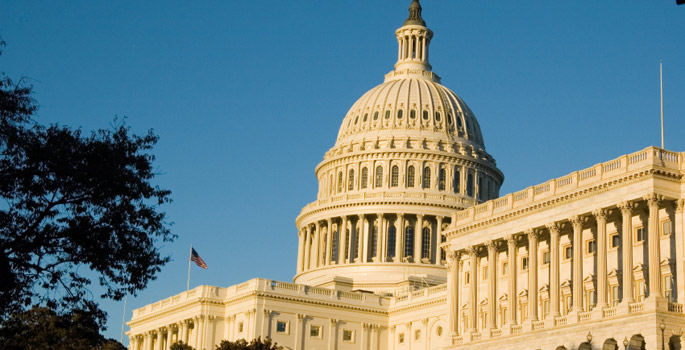
Expert: Why Washington won’t work
Policymakers in Washington, D.C., increasingly are earning the distrust of the American people, and the current impasse that led to a government shutdown is no exception, according to Marc Hetherington, a political science professor and author of two books on trust and polarization in American government. Read MoreOct 2, 2013
-
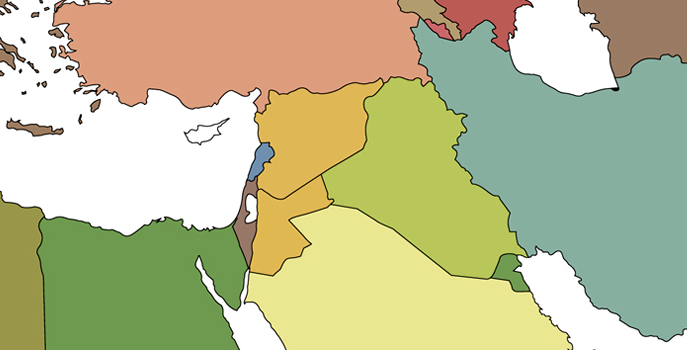
Tom Schwartz on the crisis in Syria: Domestic politics as foreign policy
“From a historical perspective, which looks at the American presidency since the end of World War II, Obama’s decision reflects a turning point, the clear triumph of domestic political considerations over foreign policy priorities,” according to Thomas Schwartz, a professor of history and political science at Vanderbilt. Read MoreSep 5, 2013
-

LAPOP: Politically tolerant people use social media
A study by Vanderbilt University's Latin American Public Opinion Project shows that the use of social media for political purposes in the Americas can be an effective complement to conventional forms of political engagement. Read MoreJul 15, 2013
-

Immigration debate heats up: Vanderbilt experts available
Congress is taking up the debate over comprehensive immigration reform yet again. Vanderbilt has a diverse array of experts researching various aspects of the immigration debate. Read MoreJun 12, 2013
-
Patronage: A political necessity and practical burden
Vanderbilt researcher David Lewis says that anything that can be done to corral the use of patronage for political appointments would help the federal government to operate more efficiently. Read MoreApr 16, 2013
-

TVA privatization might benefit consumers, expert says
If the Tennessee Valley Authority goes private, utility customers could benefit if risks and incentives are better aligned than under the current approach, according to a Vanderbilt law professor. The prospect of selling off the public utility has been raised by the Obama administration in a call for a strategic review. Read MoreApr 15, 2013
-
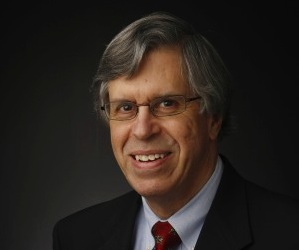
Viability of possible TVA sale in question
The Obama administration launched a “modest shot across the bow” with a call for a strategic review that includes consideration of a possible sale of the Tennessee Valley Authority, according to Bruce Oppenheimer, professor of public policy and education at Vanderbilt University. Read MoreApr 11, 2013
-

Study aimed at keeping executive expertise in government
Losing experienced employees from federal service jobs can have serious consequences, and there's a good way to lessen the chances of that happening, a new study shows. Read MoreMar 29, 2013
-
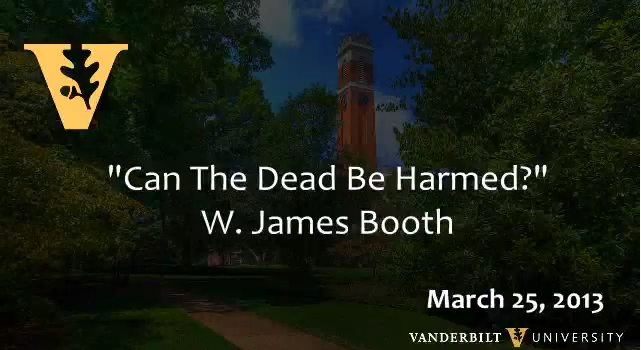
W. James Booth: “Can the Dead Be Harmed?”
W. James Booth, professor of political science and philosophy, examines our obligations toward the dead. Read MoreMar 27, 2013
-

Study of affluent Americans shows where their politics differ
A study on the political habits of the wealthiest Americans found that they are active in politics, urgently concerned with cutting the national deficit and look favorably on cutting social programs. Read MoreMar 25, 2013
-

Public support for democracy endures in Venezuela
The collapse of the party system and high levels of crime and corruption in Venezuela have not dimmed public support for democracy in that country, according to a survey by the Latin American Public Opinion Project at Vanderbilt. Read MoreMar 12, 2013
-

Christian Science Monitor: Latin America’s second-largest economy lags in digital accessibility
Barely 17 percent have Internet access at home, according to the latest figures of the Americas Barometer, a survey by Vanderbilt University’s Latin American Public Opinion Project. Although the digital divide – the gap between those who can afford access and those who can’t – has narrowed in recent years, progress has been slow and Mexico still finds itself well below its peers. Read MoreMar 6, 2013
-
Power of the press: Can the media influence voting behavior of legislators? New Vanderbilt research says “yes.”
Whether politicians and the press seem like friend or foe, elected officials regularly use news outlets to share and defend their views to the public. New research from Vanderbilt University finds certain media actually influenced the voting behavior of politicians. Read MoreFeb 28, 2013
-
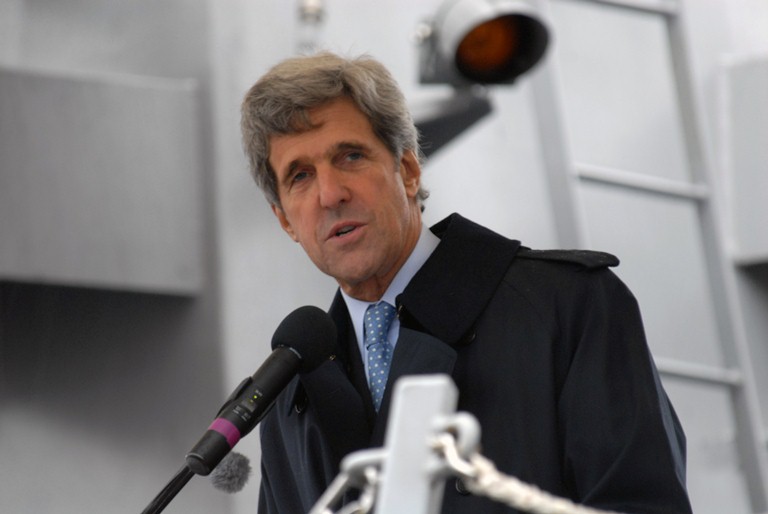
TIPSHEET: Kerry likely to be more traditional secretary of state
Vanderbilt historian Thomas Schwartz can comment on how John Kerry will likely approach his new job as secretary of state. Read MoreJan 30, 2013
-

New steps in immigration reform: Vanderbilt experts available
Congress and President Obama are taking up the debate over comprehensive immigration reform yet again. Vanderbilt has a diverse array of experts researching various aspects of the immigration debate. Read MoreJan 29, 2013
-

Congresswomen in minority party more effective than male counterparts
Research by Vanderbilt political science professor Alan Wiseman and his coauthors find women in Congress in the minority party are more effective than their male counterparts when it comes to introducing and negotiating bills, spurring action on those bills, and ultimately seeing them become law. Read MoreJan 29, 2013