Arts And Science
-
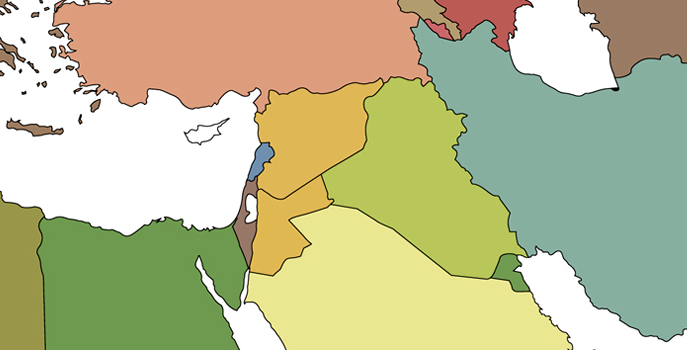
Tom Schwartz on the crisis in Syria: Domestic politics as foreign policy
“From a historical perspective, which looks at the American presidency since the end of World War II, Obama’s decision reflects a turning point, the clear triumph of domestic political considerations over foreign policy priorities,” according to Thomas Schwartz, a professor of history and political science at Vanderbilt. Read MoreSep 5, 2013
-

Dean Dever on the intersection of teaching and research
In a letter to faculty, Carolyn Dever, dean of the College of Arts and Science, reflects on how research informs teaching, and vice-versa. Read MoreSep 3, 2013
-
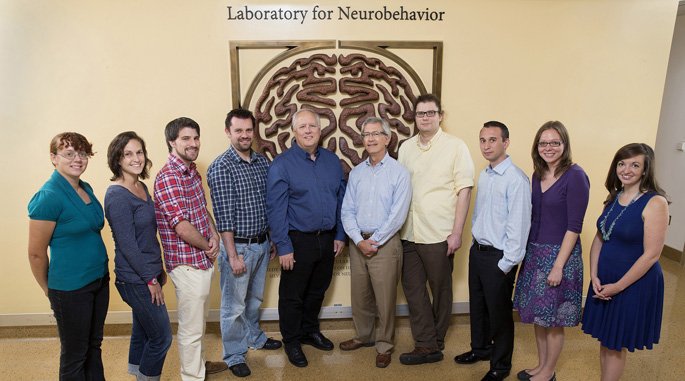
Basic science training grants hit NIH funding ‘grand slam’
When it comes to government funding of basic science training programs for graduate students and postdoctoral fellows, Vanderbilt University Medical Center hit a grand slam this year, officials said. Read MoreAug 29, 2013
-

Tennessean op-ed: Solar energy is still in shadows
More can be done with sun-powered electricity source, writes Dennis Hall, vice provost for research, dean of the Graduate School, professor of physics and professor of electrical engineering. Read MoreAug 20, 2013
-
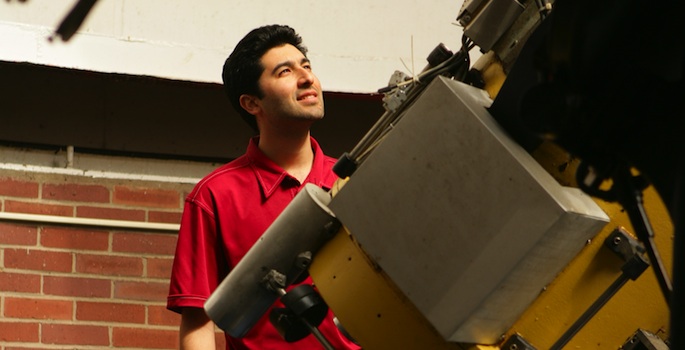
Nashville Scene Innovations 2013: True grit
Fisk and Vanderbilt's Bridge Program mentors talented minority students pursuing advanced science degrees. Keivan Stassun, professor of astronomy and director of the Fisk-Vanderbilt Masters-to-Ph.D. Bridge Program, is quoted. Read MoreAug 9, 2013
-
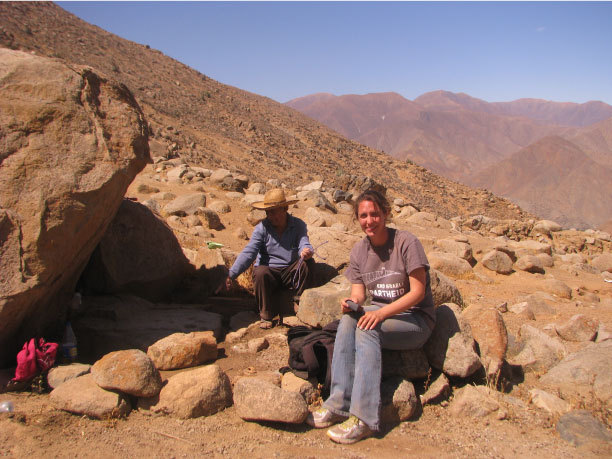
CNN iReport: Possible ancient solar calender discovered near Sayan, Peru
A possible Pre-Hispanic solar calender was documented last week by Vanderbilt archaeology graduate student Kasia Szremski near the small town of Casa Vieja in the Andean foothills of Peru. Read MoreAug 1, 2013
-

The New Yorker: A useful corner of the world: Guantánamo
Each time Gitmo’s relevance was called into question—by Cuban opponents, and by Americans worried about the base’s diminishing returns, the trouble of running it and the toll it took on global goodwill—new purposes had been found with unfailing ingenuity, writes Paul Kramer, associate professor of history. Read MoreAug 1, 2013
-
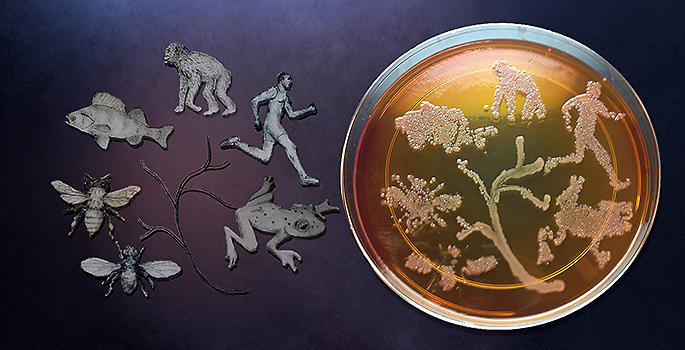
Microbes can influence evolution of their hosts
A new study provides the first direct evidence that microbes can contribute to the origin of new species by reducing the viability of hybrids produced between males and females of different species. Read MoreJul 18, 2013
-
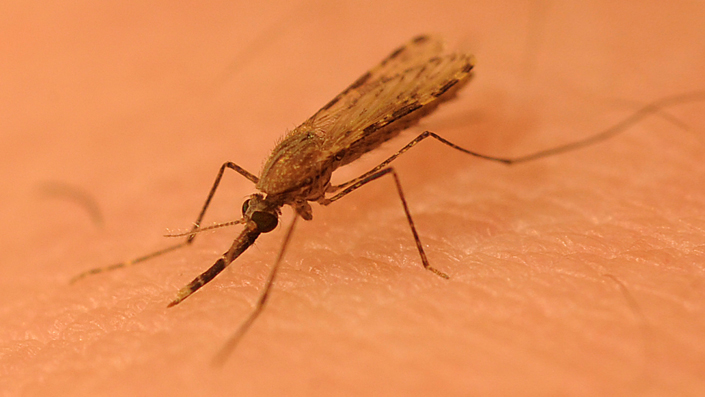
Wall Street Journal: Who gets more mosquito bites?
It is peak mosquito season, and while some lucky outdoor venturers seem unperturbed by the tiny insects, others appear to be relentlessly assaulted. Laurence Zwiebel, Cornelius Vanderbilt Professor of Biological Sciences, explains the most common culprits. Read MoreJul 17, 2013
-

LAPOP: Politically tolerant people use social media
A study by Vanderbilt University's Latin American Public Opinion Project shows that the use of social media for political purposes in the Americas can be an effective complement to conventional forms of political engagement. Read MoreJul 15, 2013
-
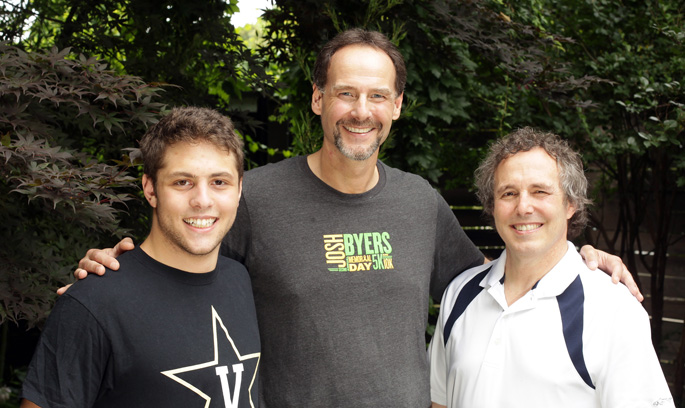
VU family shows CPR street smarts
Mark Schoenfield, Ph.D., chair of Vanderbilt’s Department of English, and his family were a little behind schedule a few weeks ago as they prepared to drive from their home in Hillsboro Village to the airport. Read MoreJul 11, 2013
-
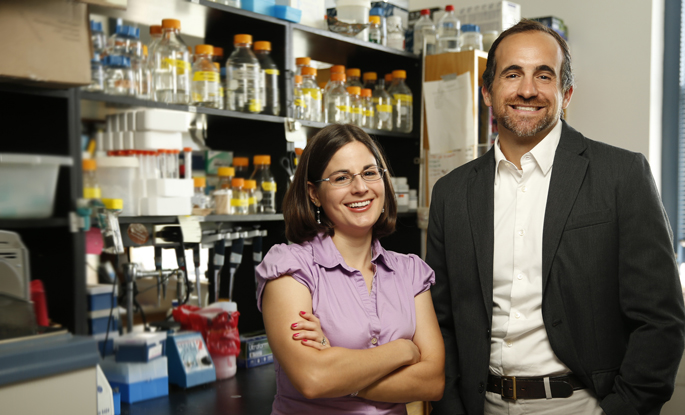
Studies outline new model for staph bone infections
Osteomyelitis, a debilitating bone infection most frequently caused by Staphylococcus aureus (“staph”) bacteria, is particularly challenging to treat. Read MoreJun 20, 2013
-

Validating maps of the brain’s resting state
A team of Vanderbilt researchers has provided important validation of maps of the brain at rest that may offer insights into changes in the brain that occur in neurological and psychiatric diseases. Read MoreJun 19, 2013
-

Immigration debate heats up: Vanderbilt experts available
Congress is taking up the debate over comprehensive immigration reform yet again. Vanderbilt has a diverse array of experts researching various aspects of the immigration debate. Read MoreJun 12, 2013
-

New, simple theory may explain mysterious dark matter
The reason dark matter, which makes up 85 percent of all the matter in the universe, is invisible could be because it possesses a rare, donut-shaped type of electromagnetism instead of the more exotic forces that have been proposed, according to an analysis of a pair of Vanderbilt theoretical physicists. Read MoreJun 10, 2013
-

Little telescope discovers metal-poor cousin of famous planet
A scientific team led by University of Louisville doctoral student Karen Collins has discovered a hot Saturn-like planet in another solar system 700 light years away. The discovery was made using inexpensive ground-based telescopes, including one specially designed to detect exoplanets and jointly operated by astronomers at Ohio State University and Vanderbilt University. Read MoreJun 5, 2013
-
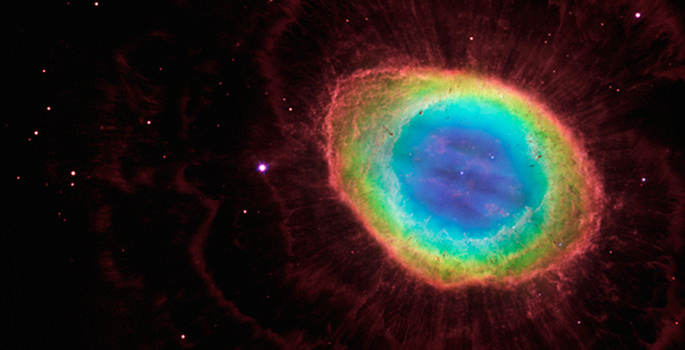
Astronomers determine the classic Ring Nebula’s true shape
A team of researchers, headed by Vanderbilt astronomer C. Robert O’Dell, has combined images from NASA’s Hubble Space Telescope with images from ground-based telescopes to reconstruct the three-dimensional shape of the iconic nebula with unprecedented precision. In the process, they determined that it is considerably different than previously thought. Read MoreMay 24, 2013
-

World’s smallest droplets
Scientists at the Large Hadron Collider, the world's most powerful particle accelerator, may have created the smallest drops of liquid made in the lab. Read MoreMay 16, 2013
-

National Geographic: The mystery of risk
What exactly pushed Christopher Columbus to embark on a voyage across the Atlantic, or Edward Jenner to test his theory for an early smallpox vaccine on a child, or Henry Ford to bet that automobiles could replace horses? David Zald, professor of psychology, studies risk-taking and is quoted. Read MoreMay 16, 2013
-

Untangling the tree of life
Vanderbilt phylogeneticists examined the reasons why large-scale tree-of-life studies are producing contradictory results and have proposed a suite of novel techniques to resolve the contradictions. Read MoreMay 15, 2013