Arts And Science
-

Combined drugs and therapy most effective for severe nonchronic depression
The odds that a person who suffers from severe, nonchronic depression will recover improve substantially when treated by drugs and therapy. Read MoreAug 20, 2014
-
TIPSHEET: Vanderbilt experts available to comment on Iraq
Michael Newton and Thomas Schwartz are available to talk about the current situation in Iraq. Read MoreAug 12, 2014
-
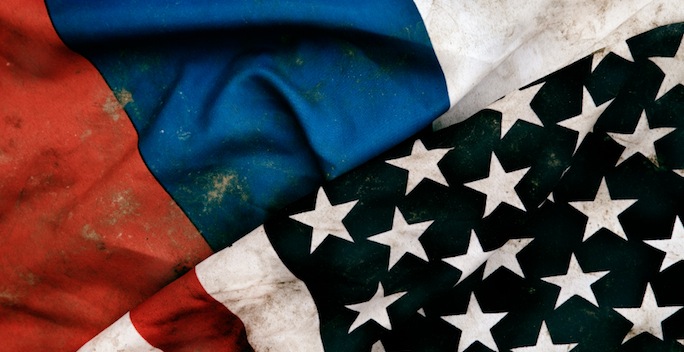
New Russian trade ban violates WTO obligations; plays ‘big ag’ special interest card
The one-year ban of food imports to Russia from the European Union, the United States, Australia, Canada and Norway violates the Russia's obligations to the World Trade Organization and is designed in part to leverage the American agricultural industry's lobbying power in Congress, Vanderbilt experts say. Read MoreAug 7, 2014
-

New York Times: Why you can’t catch up
Contrary to popular belief, a prestigious graduate degree does not make up for a less-than-elite undergraduate one, according to new research by law and economics professor Joni Hersch. Read MoreAug 4, 2014
-

Fault trumps gruesome evidence when it comes to meting out punishment
A new brain study has identified the brain mechanisms that underlie our judgment of how severely a person who has harmed another should be punished. Read MoreAug 3, 2014
-
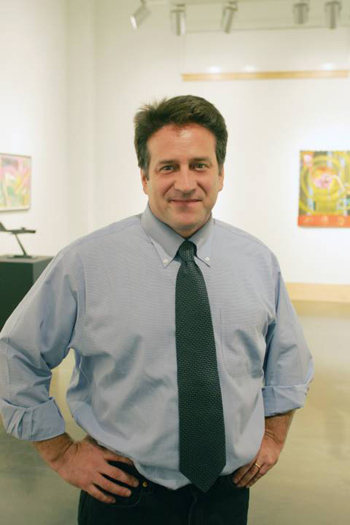
‘The New York Times’: 50 shades of blue, green, everything
Mel Ziegler (Vanderbilt University) When artists Kate Ericson and Mel Ziegler, now the chair of the Department of Art at Vanderbilt, started out, they sometimes took house-painting jobs to pay the rent. The pair became fascinated by houses, colors, even the names of colors: subjects… Read MoreAug 1, 2014
-
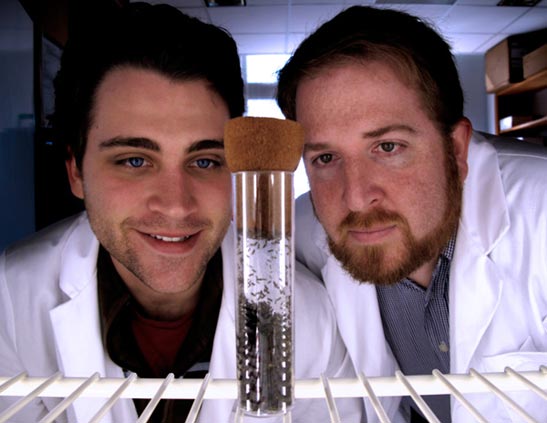
Quanta Magazine: Evolving with a little help from our friends
Seth Bordenstein, associate professor of biological sciences, and graduate student Robert Brucker, discovered that the survival of a new hybrid of wasp depended not on their genes but on the microbes that naturally lived on and inside the insects. Read MoreJun 5, 2014
-
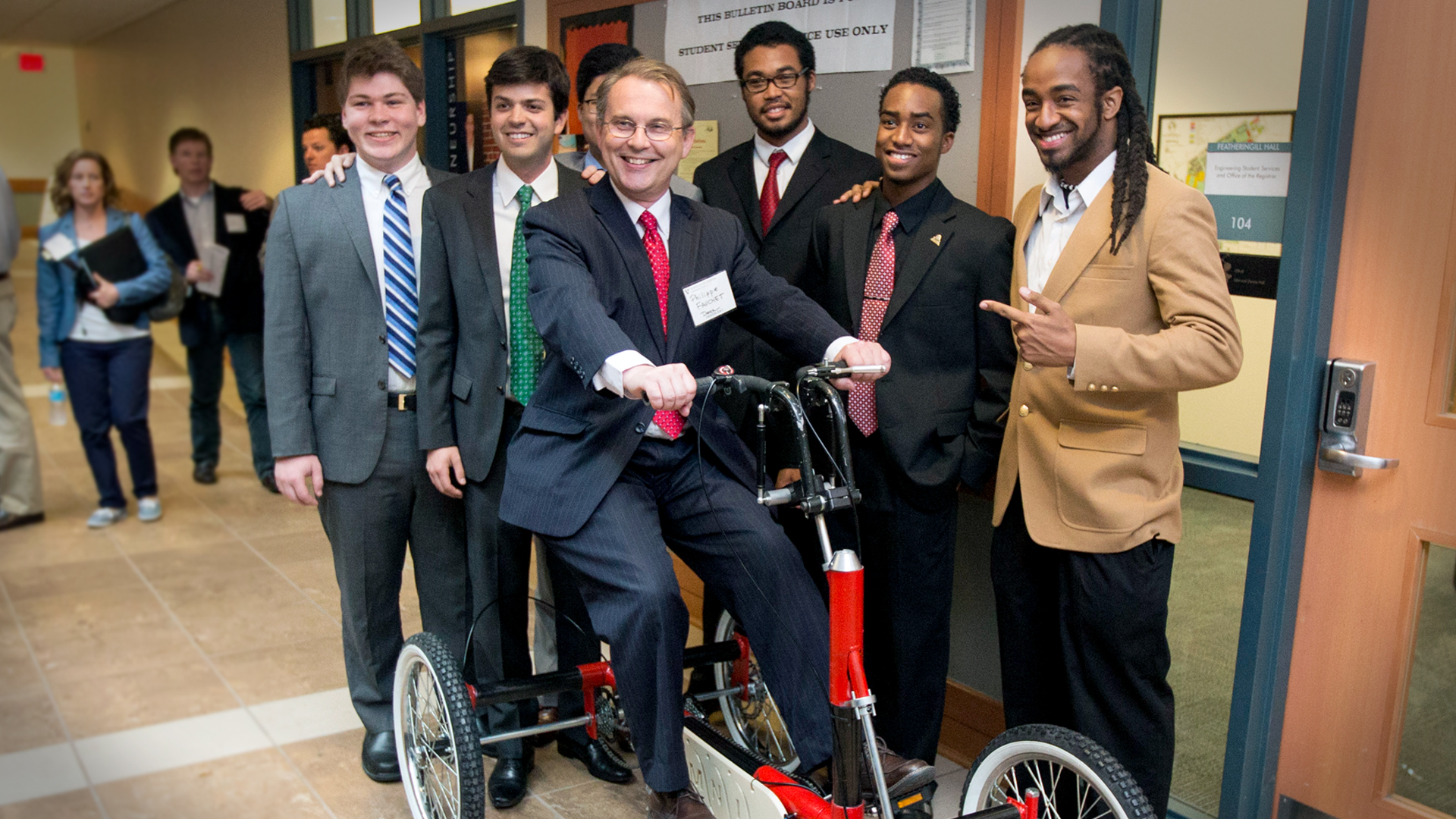
VUCast: Ingenious Inventions
In the latest VUCast: Check out some creative inventions by Vanderbilt students; see how a "bionic man" has ties to Vanderbilt; and learn details about a new academic building under construction on campus. All this and more in the latest VUCast, Vanderbilt's online newscast. Watch now. Read MoreMay 21, 2014
-

New York Times: Some wines are worth not drinking
A study co-authored by Peter Rousseau, professor of economics, found that wines from Bordeaux's premier chateaus posted annual returns from 1900 to 2012 that beat government bonds. Read MoreMay 19, 2014
-
“The Disagreeable Theatre Hat”: Fashion, Class, and Audiences in America’s Gilded Age
Watch video of a faculty seminar during Commencement 2014. Throughout the late 19th century, the large hats that women wore to the theatre blocked the view of spectators sitting behind them prompting outraged newspaper editorials, debate in state legislatures, and on at least one occasion, a physical fight. This talk… Read MoreMay 16, 2014
-

Astronomers identify signature of Earth-eating stars
Vanderbilt astronomers have developed a model that predicts the effect that ingesting earth-like planets has on the chemical composition of stars like the Sun -- a capability that can aid in efforts to find Earth-like exoplanets. Read MoreMay 16, 2014
-

VUCast: Students changing lives
In the latest VUCast: Watch a senior erase stereotypes among young students in the Middle East; see how a senior is telling stories to change perceptions about disabilities; and learn how you can click your way to Commencement. All this and more in the latest VUCast, Vanderbilt's online newscast. Watch now. Read MoreApr 30, 2014
-
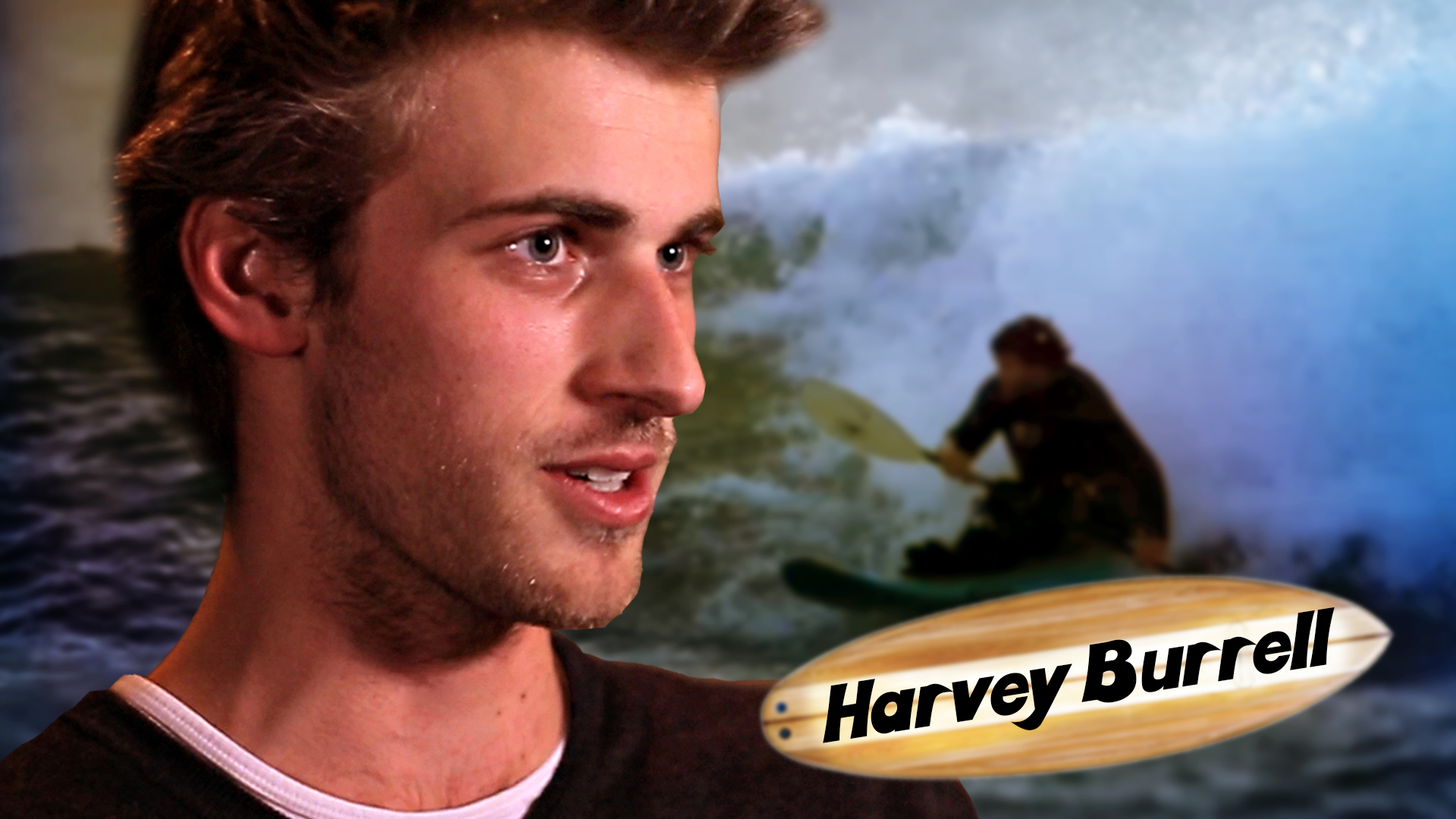
Vanderbilt Student Documentary: “Endless Abilities”
Meet Vanderbilt Arts and Science major Harvey Burrell. Harvey’s creative story-telling and desire to elevate the image of people with physical disabilities turned his college experience into an epic cross-country adventure and an inspirational documentary called “Endless Abilities.” [vucastblurb]… Read MoreApr 29, 2014
-

How to create nanowires only three atoms wide with an electron beam
A Vanderbilt graduate student has used a focused beam of electrons to create some of the smallest nanowires ever made, which could bring us closer to flexible, paper-thin tablets and television displays. Read MoreApr 28, 2014
-

Restructuring congressional oversight would bring more influence to Congress
When Congress gets too many hands on an issue, its influence actually decreases, researchers from the Center for the Study of Democratic Institutions at Vanderbilt University found. Read MoreApr 24, 2014
-

Cougars’ diverse diet helped them survive the mass extinction that wiped out the saber-tooth cat, American lion
Cougars may have survived a mass extinction that took place about 12,000 years ago because they were not particular about what they ate. Read MoreApr 22, 2014
-
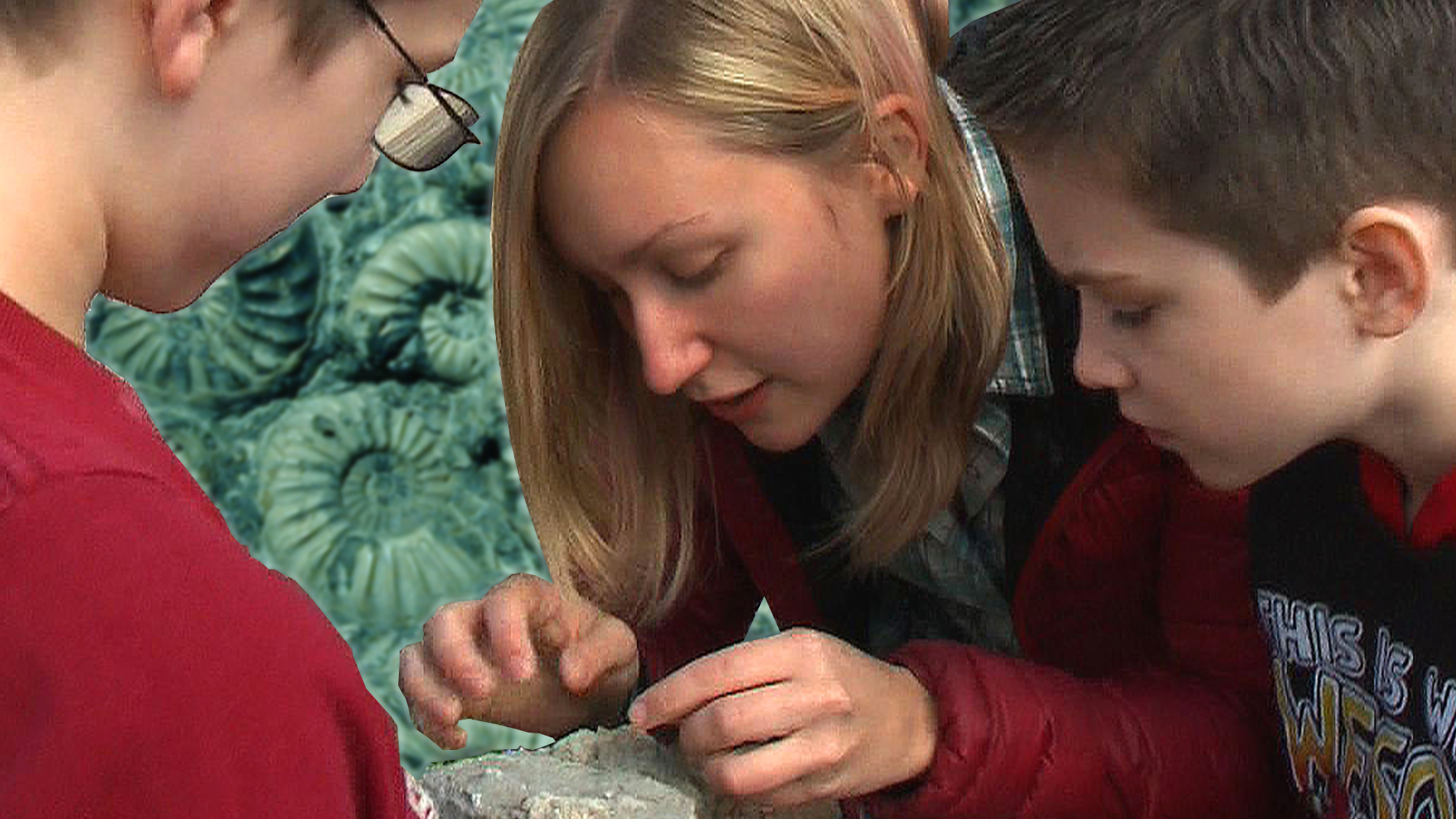
VUCast: Fossil Finds – see the ancient discoveries these kids are digging up
See the ancient discoveries these kids are digging up; learn about major progress in Parkinson’s research; and a throwback video! See Johnny Cash’s connection to Vanderbilt. All this and more in the latest VUCast, Vanderbilt’s online newscast. Watch now. Read MoreApr 16, 2014
-
Vanderbilt expert: Mental illness is often not to blame in mass shootings
When a mass shooting occurs there are often two camps of thought: those who feel the country needs stronger gun laws and those who blame the horrific act on mental illness. Read MoreApr 8, 2014
-
America the Beautiful: See an international student’s prize-winning video of the United States
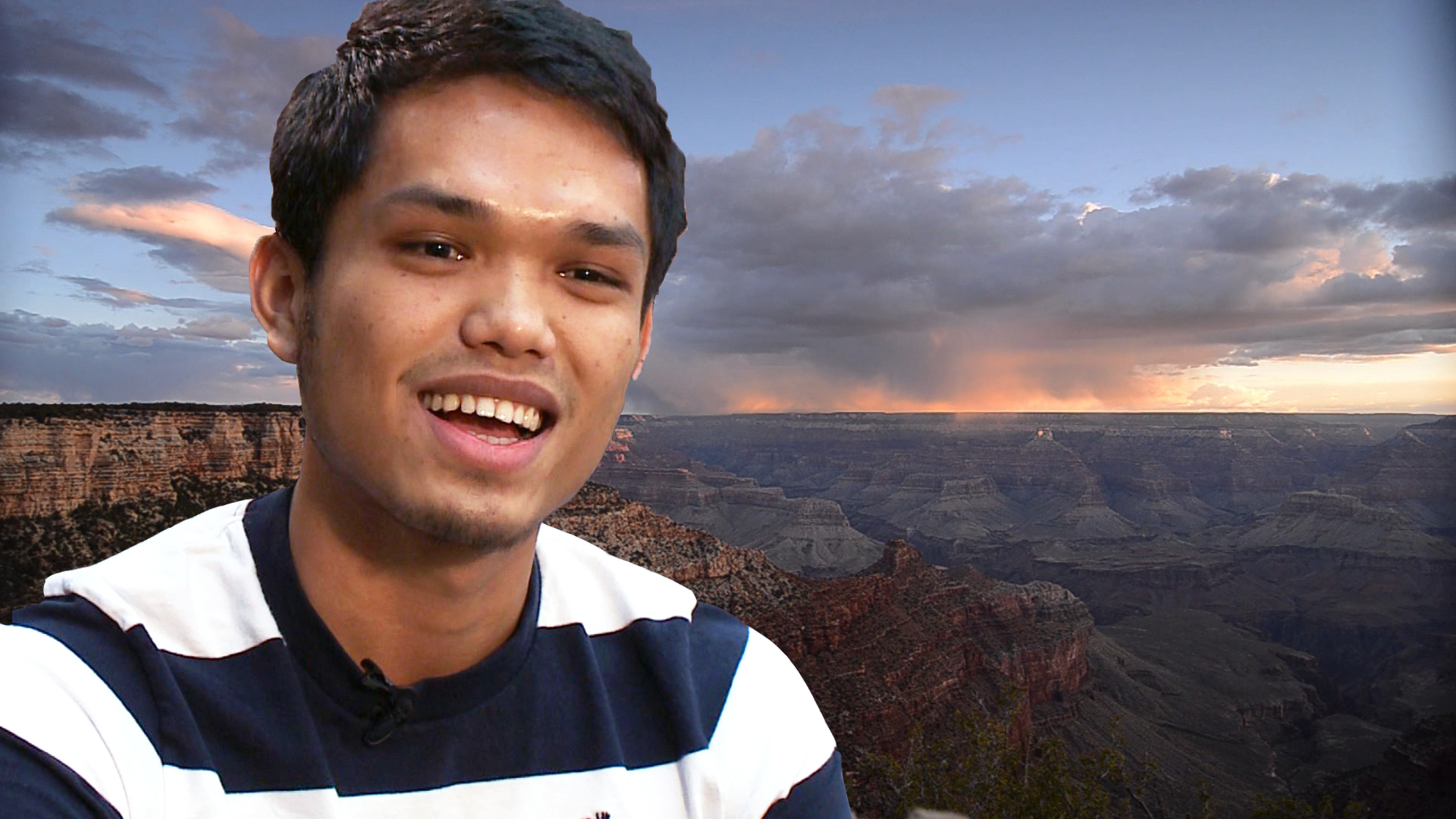
In the latest VUCast: See how an international student is showcasing the United States in a beautiful way; discover how a "thinking cap" could help you learn; and watch a unique forest grow in just one weekend. All this and more in the latest VUCast, Vanderbilt's online newscast. Watch now. Read MoreApr 4, 2014
-
Listen: Religious Pluralism and Values in the Public Sphere
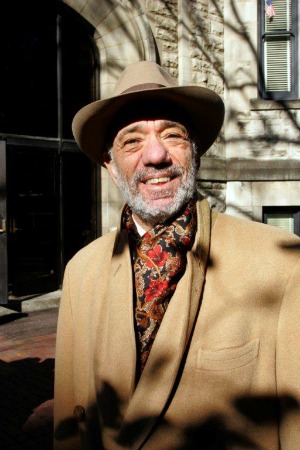
Lenn Goodman (Steve Green, Vanderbilt) Lenn Goodman, professor of philosophy and the Andrew W. Mellon Professor in the Humanities, has a new book, Religious Pluralism and Values in the Public Sphere (Cambridge University, 2014), in which he argues that our commitments to our own ideals and norms need not mean… Read MoreApr 3, 2014