Strategic Plan
-
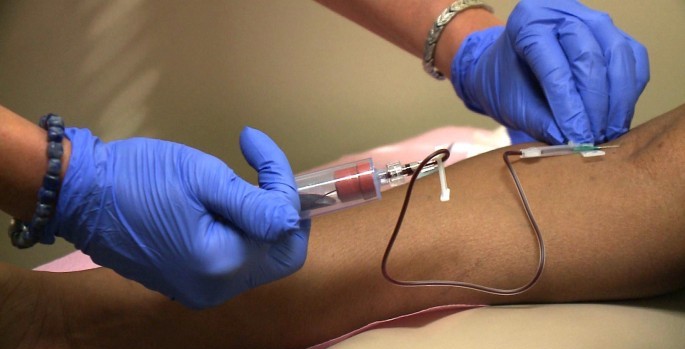
Two Ebola Survivors’ Blood Could Help Vanderbilt Researchers Find A Treatment
Vanderbilt researchers could be one step closer to finding a way to fight the deadly Ebola virus – thanks to two Ebola victims from Nigeria, who faced death and survived. Vanderbilt researchers developed a unique method of isolating potent Ebola-fighting antibodies from survivors’ blood and they believe these newest… Read MoreOct 19, 2015
-

Vanderbilt engineering MOOC leads talented Indian student to Nashville
A Coursera student in India’s round trip of 16,716 miles began with an invitation to spend a summer in Nashville, Tennessee, as a computer science intern at Vanderbilt University. Read MoreOct 16, 2015
-

VUSN Alzheimer’s study to explore perception of pain
Vanderbilt University School of Nursing (VUSN) has been awarded a four-year $660,633 grant from the National Institute of Health’s National Institute on Aging to study how psychophysical responses to acute experimental thermal pain differ between older adults with and without Alzheimer’s Disease (AD). Read MoreOct 15, 2015
-
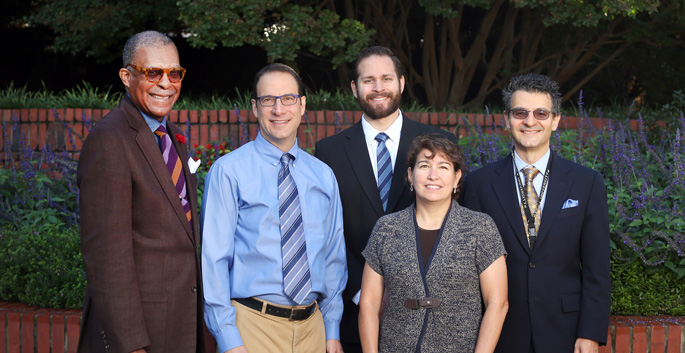
VUSM seeks to spur medical innovation
Vanderbilt University School of Medicine is accepting applicants into a novel program aimed at students seeking to transform health and health care through medical innovation. Read MoreOct 15, 2015
-
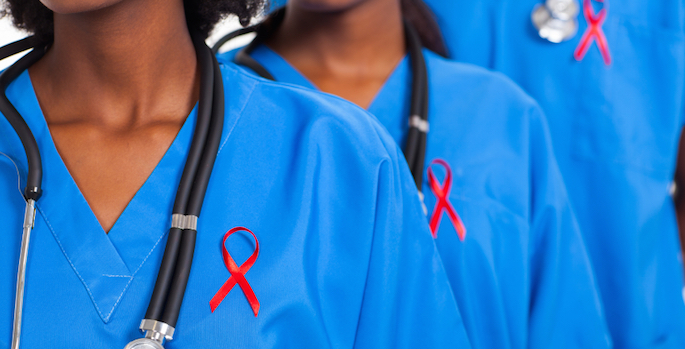
Major grant boosts AIDS education, training efforts
Vanderbilt University has been awarded a major federal grant — $16 million over four years — to coordinate AIDS education and training efforts in Tennessee and seven other southeastern states. Read MoreOct 8, 2015
-

VUMC poised to transform health care in region
Jeff Balser, M.D., Ph.D., started his annual State of the Medical Center Address last Thursday by affirming that many who work at Vanderbilt University Medical Center (VUMC) feel “called to do so,” often compelled by life-shaping experiences. Read MoreOct 8, 2015
-
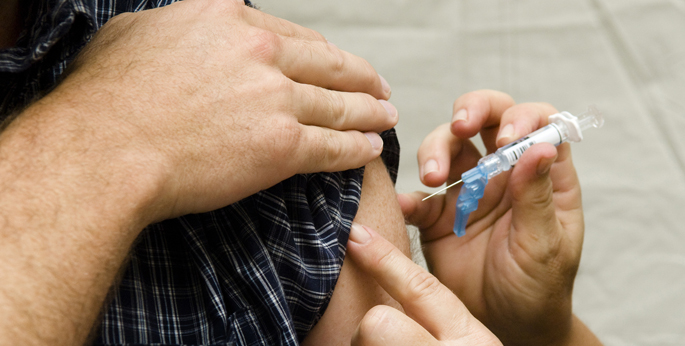
Flu vaccine helps reduce hospitalizations due to influenza pneumonia: study
More than half of hospitalizations due to influenza pneumonia could be prevented by influenza vaccination, according to a study led by investigators at Vanderbilt University Medical Center, published this week in the Journal of the American Medical Association. Read MoreOct 6, 2015
-
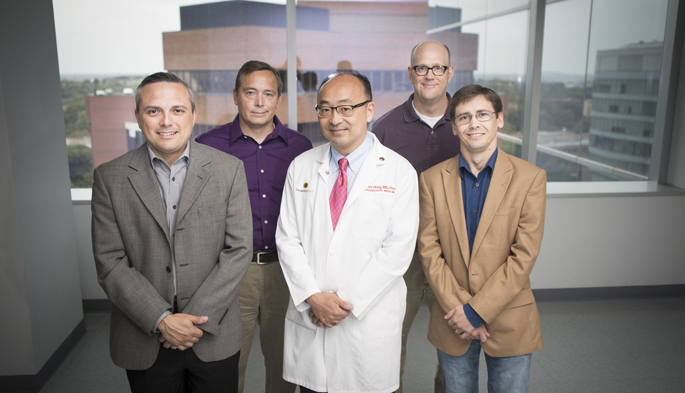
Collaboration seeks to develop new therapies for bone, other diseases
La Jolla Pharmaceutical Co. and Vanderbilt University have signed a research and license agreement covering Vanderbilt’s research program and intellectual property rights related to compounds that block bone morphogenetic protein (BMP) type-I receptors. The compounds have therapeutic potential in a broad range of diseases, including rare genetic disorders. Read MoreOct 1, 2015
-

Infants born with NAS more likely to be readmitted: Study
Infants diagnosed with drug withdrawal symptoms at birth, also known as neonatal abstinence syndrome (NAS), are nearly 2.5 times as likely to be readmitted to the hospital in the first month after being discharged compared with full-term infants born without complications, according to new Vanderbilt research released in the journal Hospital Pediatrics. Read MoreOct 1, 2015
-
VICC investigators land Komen breast cancer grants
Two Vanderbilt-Ingram Cancer Center (VICC) investigators — Jennifer Pietenpol, Ph.D., B.F. Byrd Jr. Professor of Oncology and director of VICC, and Valerie Jansen, M.D., Ph.D., medical oncology fellow — have received new cancer research grants awarded by Susan G. Komen, the world’s largest nonprofit funder of breast cancer research. Read MoreOct 1, 2015
-
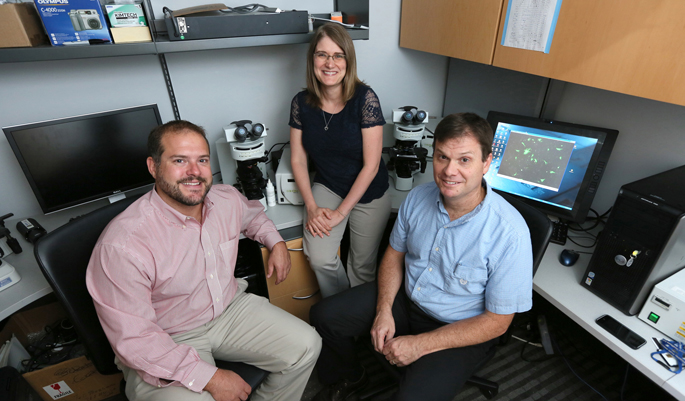
Team to explore using nanoparticles to fight cancer
Three Vanderbilt researchers have received a federal grant to study the use of nanoparticles to deliver potential therapies for breast cancer that has spread to the bone. Read MoreSep 24, 2015
-

Study tracks brain’s trigger for overeating high-fat food
Disruptions in a specific signaling pathway in the brain can cause overeating of high-fat food, researchers at Vanderbilt University have found. Read MoreSep 24, 2015
-
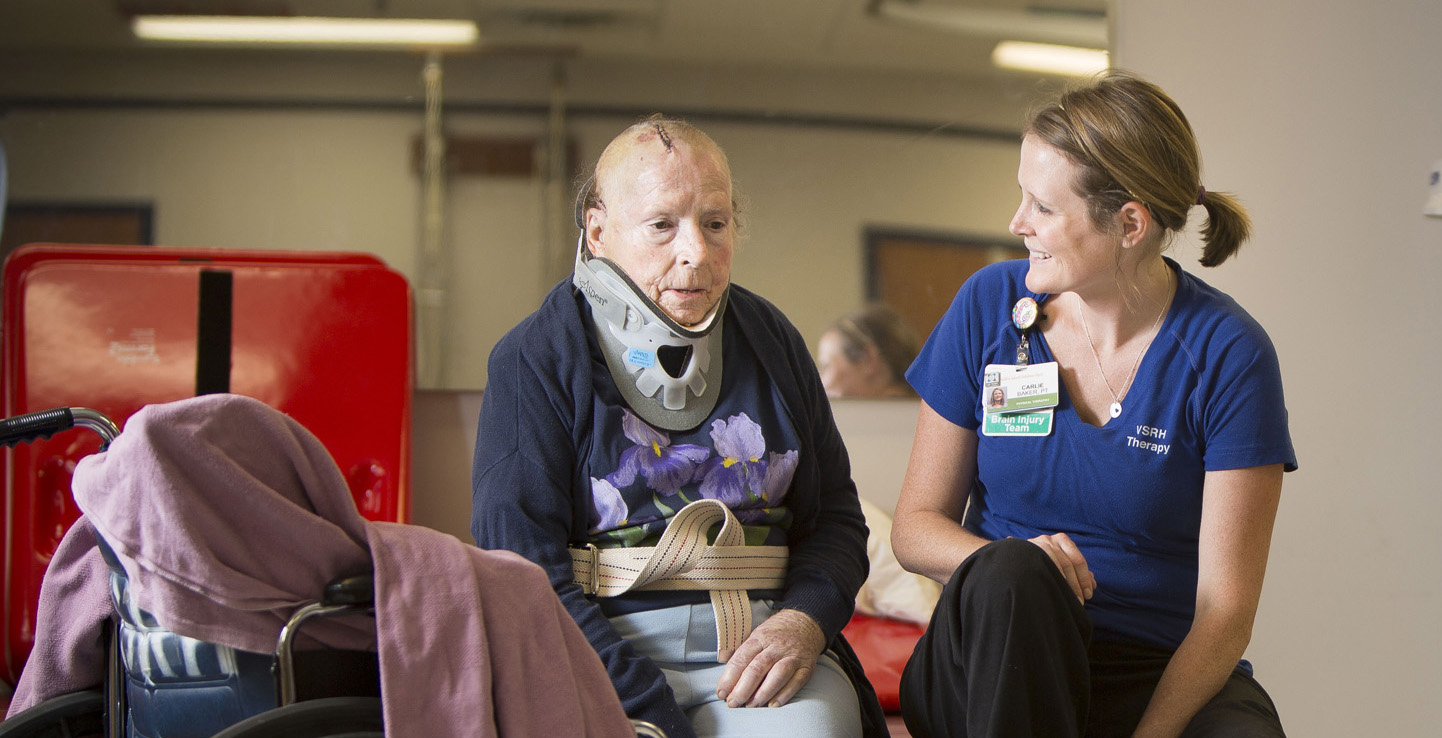
Stallworth makes select list of brain injury rehab centers
Vanderbilt Stallworth Rehabilitation Hospital’s performance at helping people with traumatic brain injuries reconnect with their lives has received Joint Commission recognition and is now one of only seven rehab centers to achieve specialty accreditation for “traumatic brain injury rehabilitation.” Read MoreSep 24, 2015
-
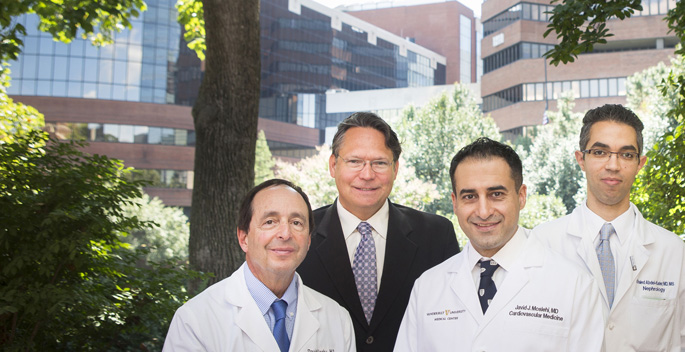
Cancer therapies’ impact on heart, kidneys explored
Vanderbilt is embarking on a multi-disciplinary approach to understand how promising cancer treatments, specifically certain kinase inhibitors, affect the heart and kidneys. Read MoreSep 24, 2015
-
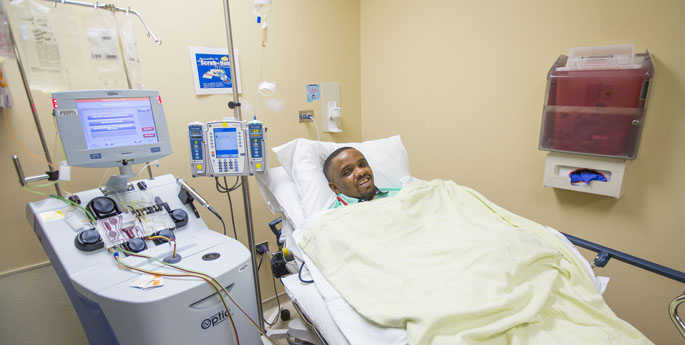
Survivors of Ebola outbreak take part in VUMC vaccine study
Two survivors of a 2014 Ebola outbreak in Nigeria visited Vanderbilt University Medical Center last week to share their experiences and participate in a study aimed at finding ways to treat the often-fatal infection. Read MoreSep 24, 2015
-
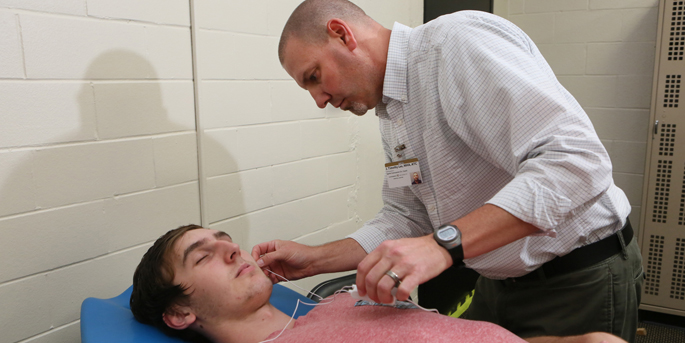
Sound waves studied to help diagnose concussion
Researchers at the Vanderbilt Sports Concussion Center (VSCC) are using novel sound wave technology as part of an attempt to more rapidly and accurately diagnose sports concussions on the sidelines during games. Read MoreSep 24, 2015
-

Does knowing high-status people help or hurt?
How depressed you are may have something to do with who you know—and where you come from. Read MoreSep 21, 2015
-
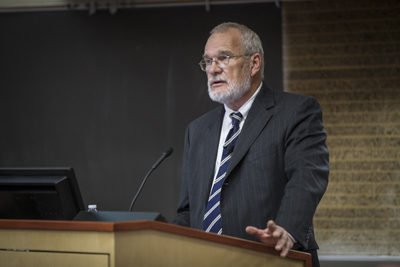
Discovery Lecture explores health care cost controls
“There’s no magic bullet” to control rising health care costs in the United States, health law expert Timothy Jost, J.D., said during last week’s Flexner Discovery Lecture. Read MoreSep 17, 2015
-
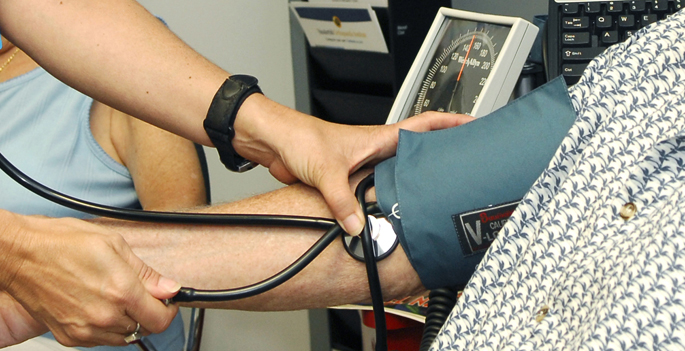
Study shows lower systolic BP targets reduce death risk
The initial results of a landmark clinical trial sponsored by the National Institutes of Health (NIH) indicate lowering systolic blood pressure below a commonly recommended target significantly reduces rates of cardiovascular events and lowers risk of death in a group of adults 50 years and older. Read MoreSep 17, 2015
-

How your brain decides blame and punishment—and how it can be changed
New work by researchers at Vanderbilt University and Harvard University confirms that a specific area of the brain, the dorsolateral prefrontal cortex, is crucial to punishment decisions. Read MoreSep 16, 2015