Research
-
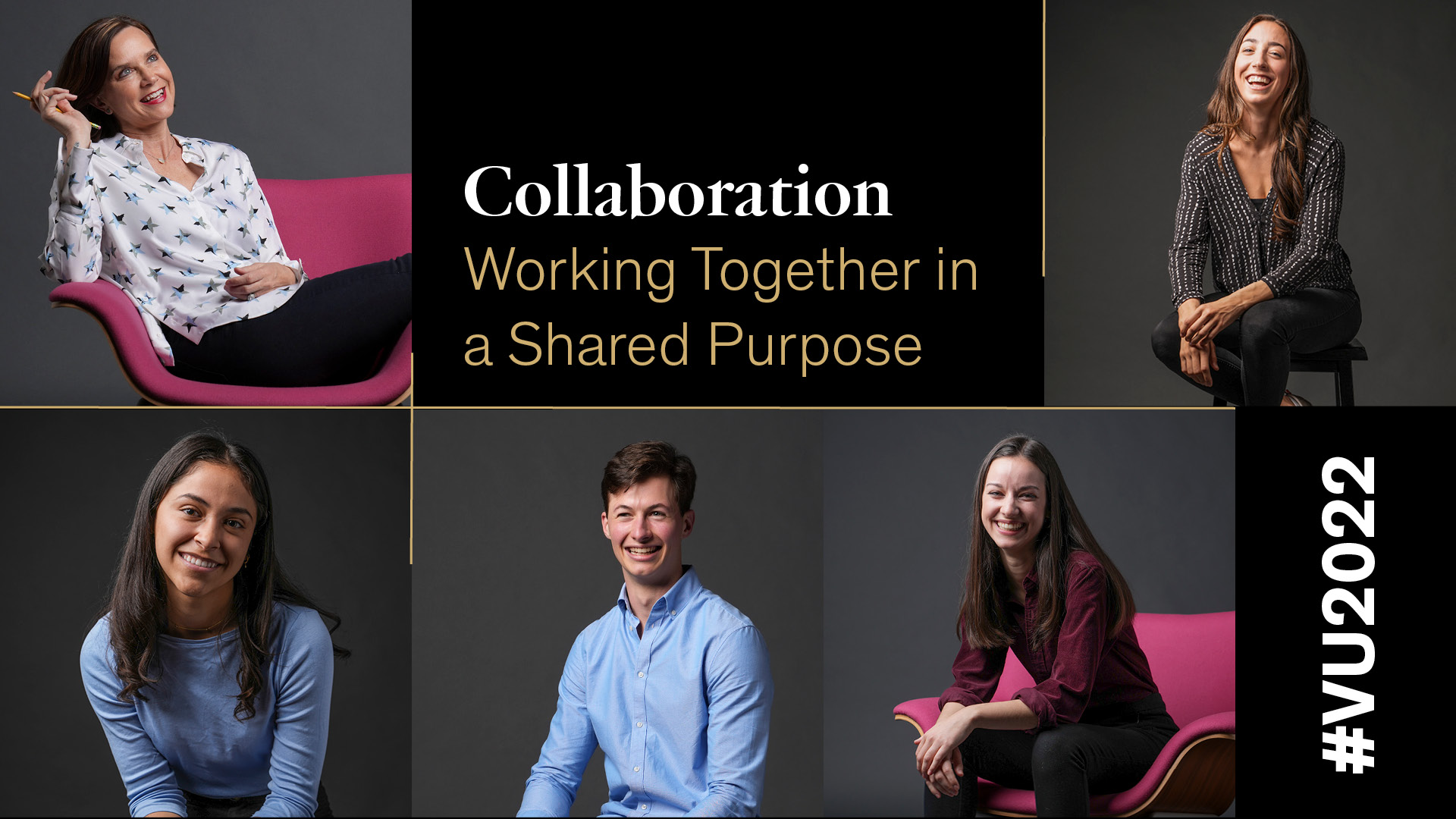
WATCH Class of 2022: Inspiration, intellect, and shared purpose forge life-changing collaborations
At Vanderbilt, a mindset of collaboration is infused in every aspect of university life. Meet members of the Class of 2022 whose collaborations within the VU and Nashville communities have led to profound outcomes. Read MoreMay 8, 2022
-
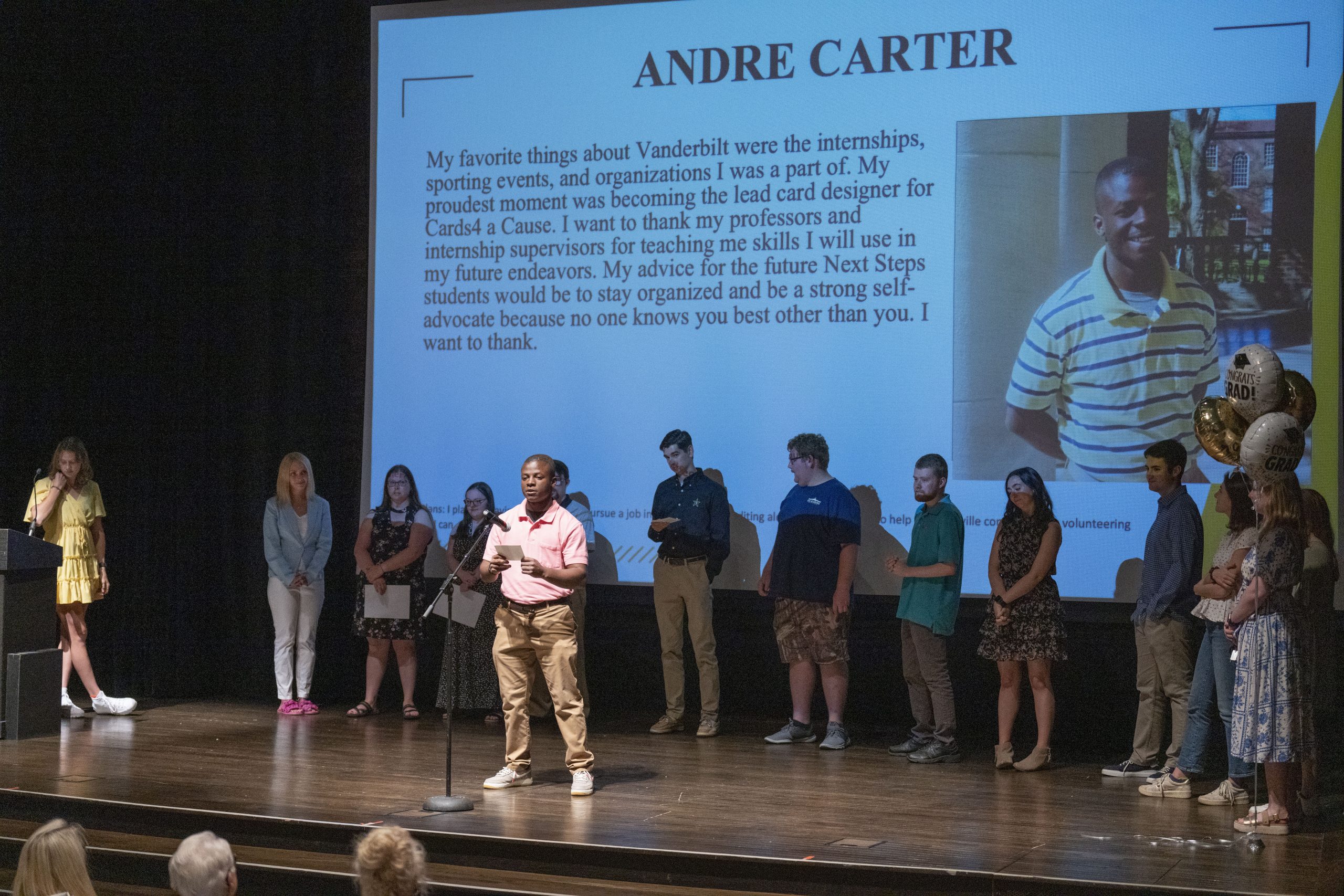
Next Steps at Vanderbilt graduates to join their peers at Commencement
For the first time, graduates from Vanderbilt’s Next Steps program for students with developmental disabilities will walk in the full campus Commencement ceremony. Read MoreMay 6, 2022
-
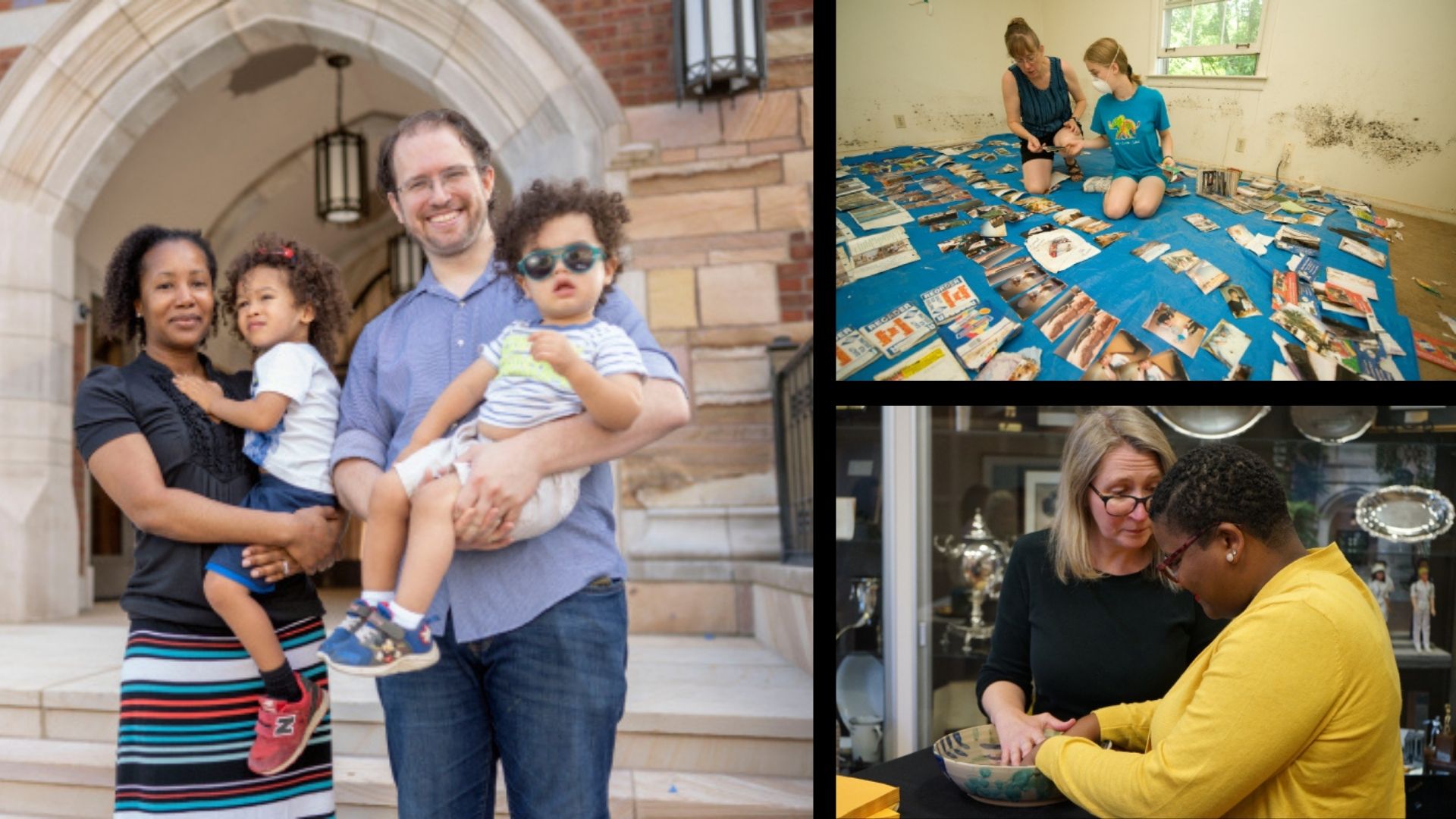
Moms who research moms: Spotlighting VU research on motherhood
They say motherhood is the toughest job you’ll ever love. That’s true for this group of Vanderbilt researchers, who’ve built successful careers around researching various aspects of parenthood while raising their own children. Read MoreMay 5, 2022
-
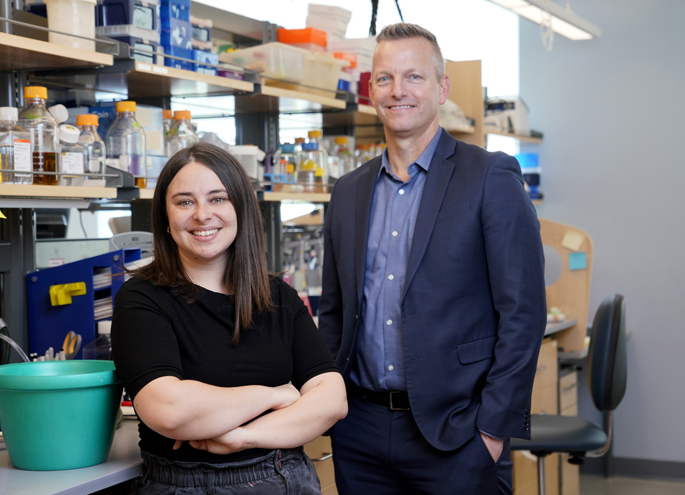
VUMC team discovers how bacterial pathogen survives without water
Vanderbilt researchers are studying a bacterial pathogen that can survive on hospital surfaces — without water — for months, an ability that has helped it become a leading cause of hospital-acquired infections. Read MoreMay 5, 2022
-
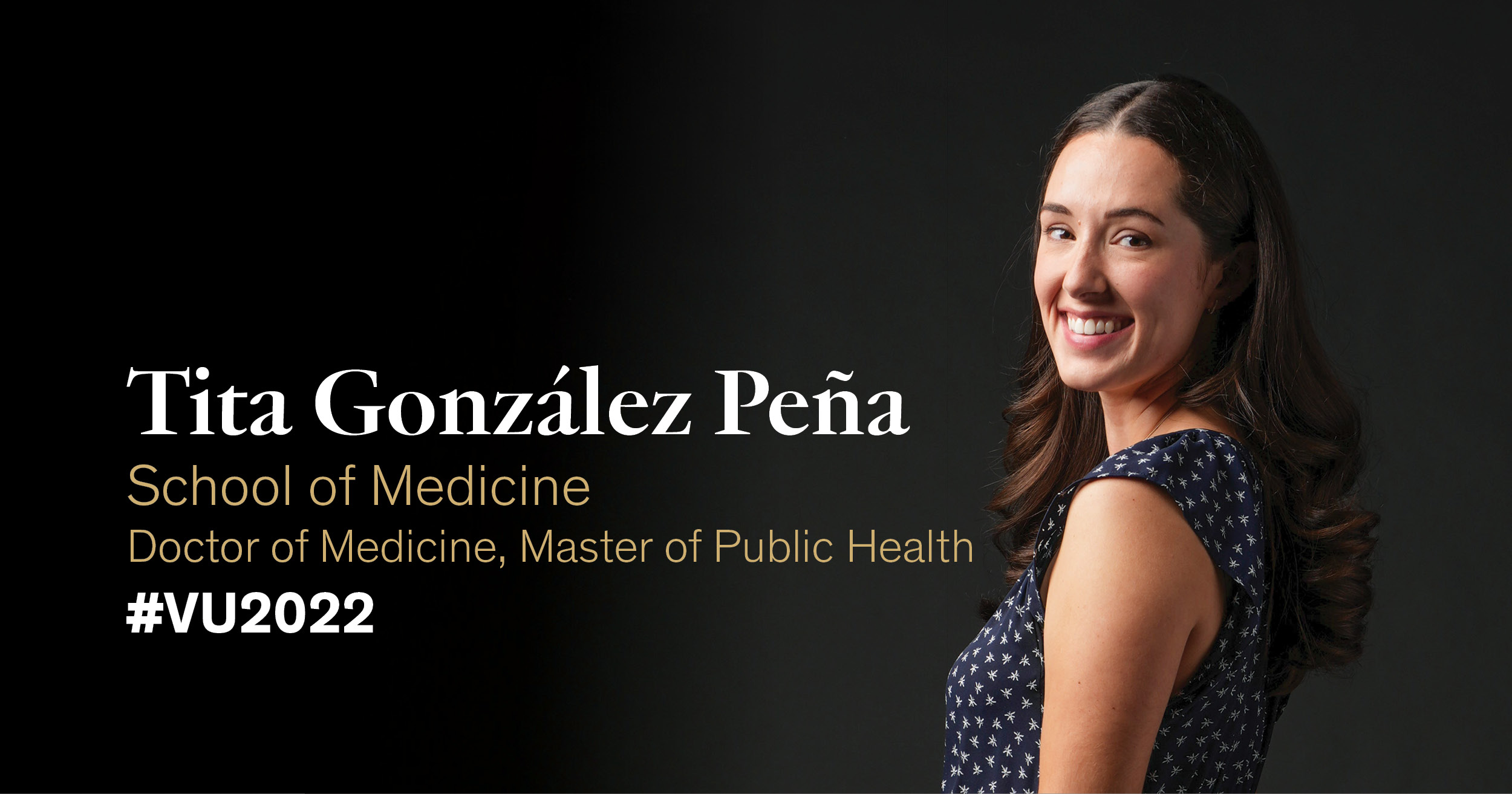
Class of 2022: Tita González Peña builds community through free medical clinic
Compassion and community have been touchstones for graduate student Tita González Peña as she has taken on multiple challenges to bring empathetic and equitable health care to the socially disadvantaged. Read MoreMay 4, 2022
-
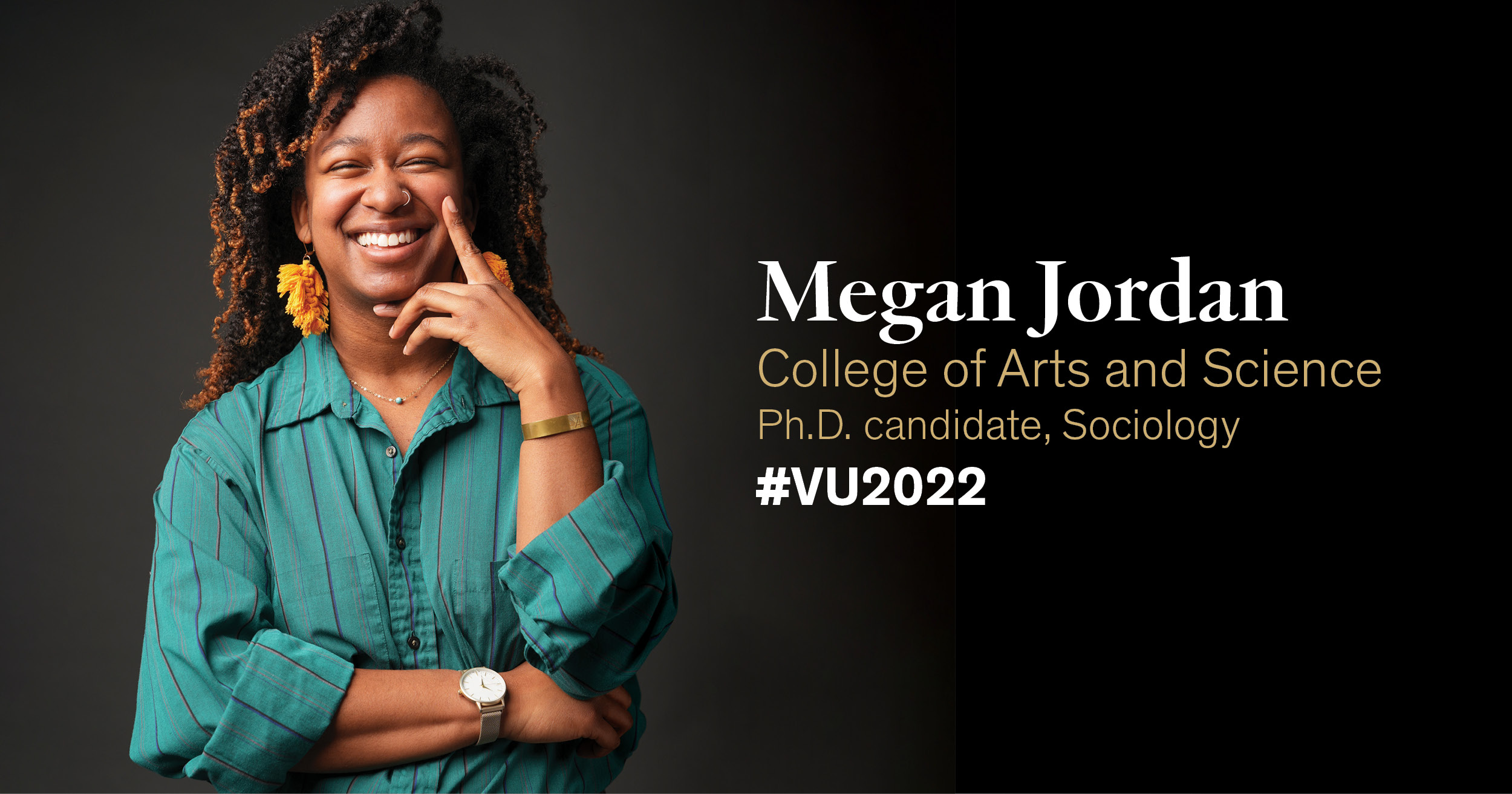
Class of 2022: Megan Jordan works at the intersection of art and social justice
Art, research, social justice, and community are the cornerstones that support the life and work of sociology Ph.D. candidate Megan Jordan, MA’19. Read MoreMay 3, 2022
-

Army Futures Command awards Pathfinder seed funding to Tonia Rex and Doug Adams
by Jenna Somers Two Vanderbilt professors were awarded Pathfinder seed funding for a project that could benefit soldiers by optimizing their neurological performance through suggested behavior protocol and by improving aircraft design and equipment to reduce the effects of in-flight vibration and percussion. The U.S. Army Combat Capabilities Development Command Army Research Laboratory and the Civil-Military Innovation Institute... Read MoreMay 2, 2022
-
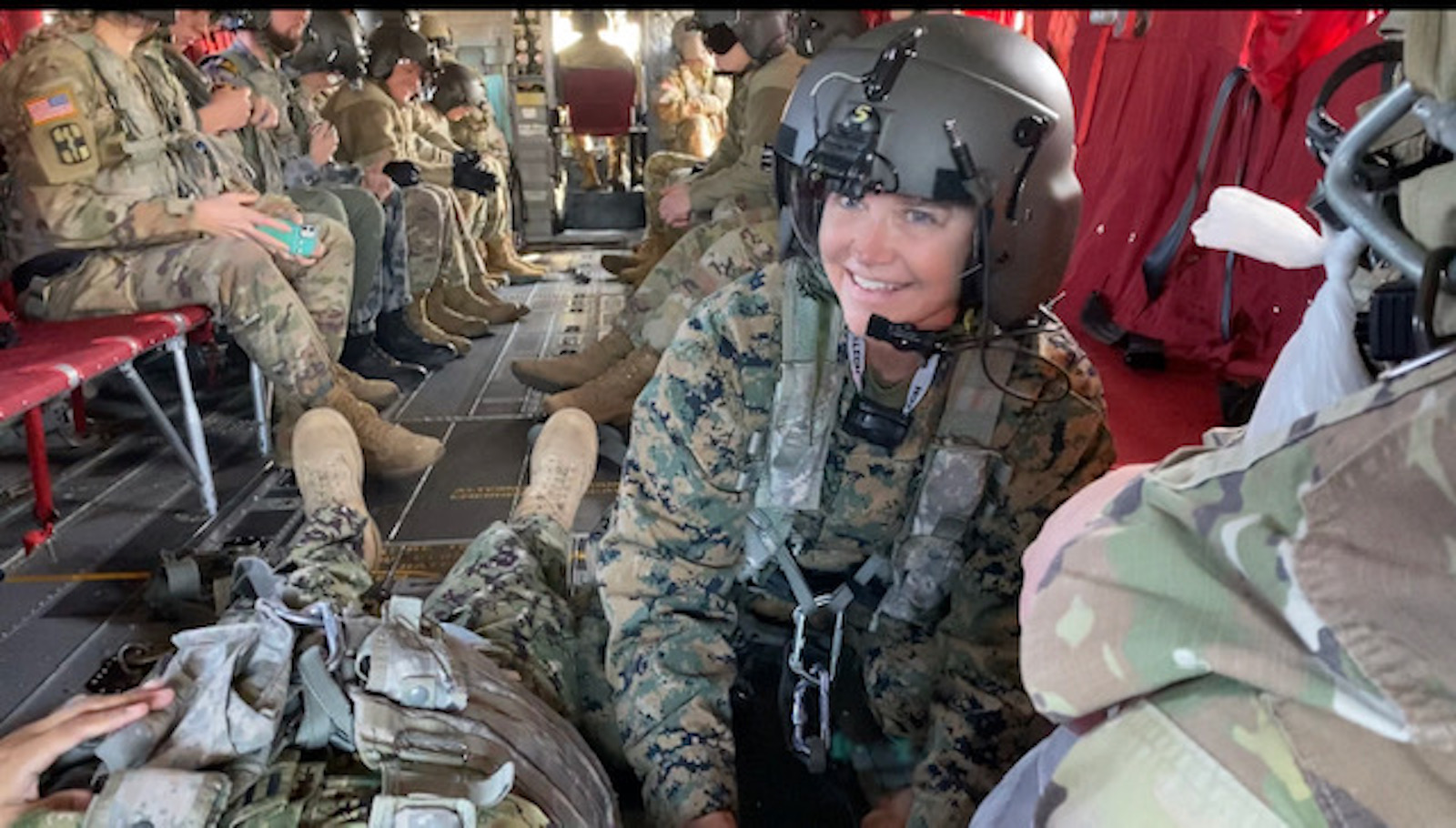
Class of 2022: Military nurse and master’s student Stacey Rokas turns to Vanderbilt while on front lines of COVID pandemic
In the midst of working toward her master's of science in nursing, military nurse and mother of 10 Stacy Rokas was deployed to the front lines of the COVID-19 pandemic. That’s when her nursing school instructors became her lifeline in battling the new and evolving disease. Read MoreApr 29, 2022
-
Nineteen engineering students awarded prestigious NSF Graduate Research Fellowships
Biomedical engineering nets more than any BME department in the country with 10 Sixteen engineering graduate students have been awarded a highly competitive government-funded National Science Foundation Graduate Research Fellowship. Three engineering undergraduate students also received NSF fellowships. NSF Fellows receive a three-year annual stipend of $34,000 along with a $12,000 allowance for tuition and fees... Read MoreApr 29, 2022
-

Studies combine genetic testing, electronic health records to find undiagnosed diseases
Combining genetic testing with information from electronic health records revealed undiagnosed heart rhythm disorders and new conditions associated with inherited cancer gene mutations. Read MoreApr 28, 2022
-

Vanderbilt Poll: Nashville headed in the wrong direction
For the first time since the Vanderbilt Poll–Nashville was established in 2015, more than half of respondents say they believe the city is headed in the wrong direction. Davidson County voters are concerned about affordable housing and crime, but give positive marks to Mayor John Cooper and other local leaders. Read MoreApr 28, 2022
-
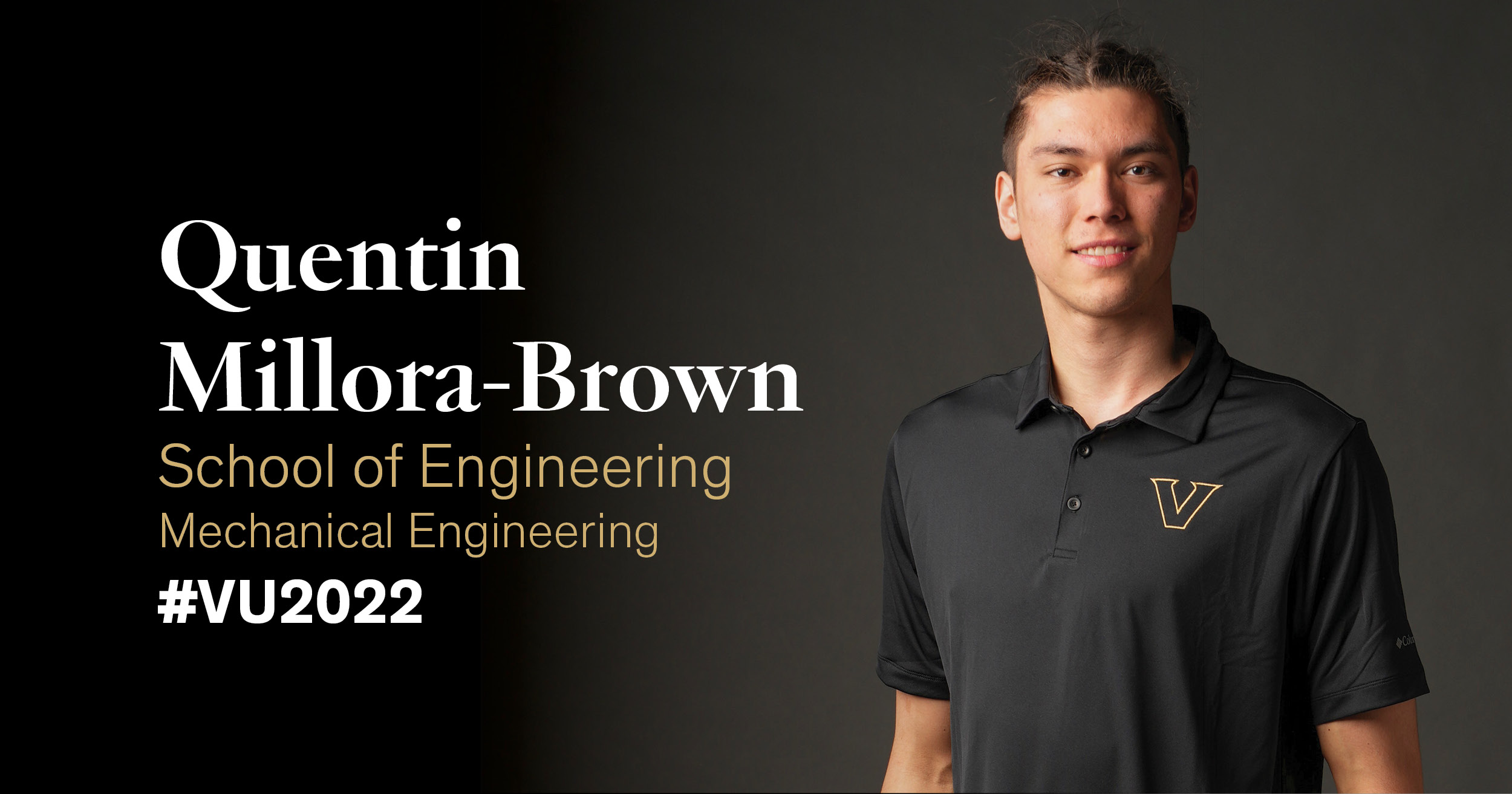
Class of 2022: Quentin Millora-Brown willing to play his role in engineering climate change solutions
Quentin Millora-Brown, a senior forward on the men’s basketball team, had his best individual season this year. A starter in 30 games, he led Vanderbilt in blocked shots and was second in rebounding. Perhaps even more importantly, he helped create the culture of succes. Off the court, Millora-Brown knows that camaraderie alone won’t solve society’s most pressing issues, such as the climate crisis—a problem he is passionate about. But he believes the same team approach in pursuit of a larger goal will make a difference. Read MoreApr 27, 2022
-
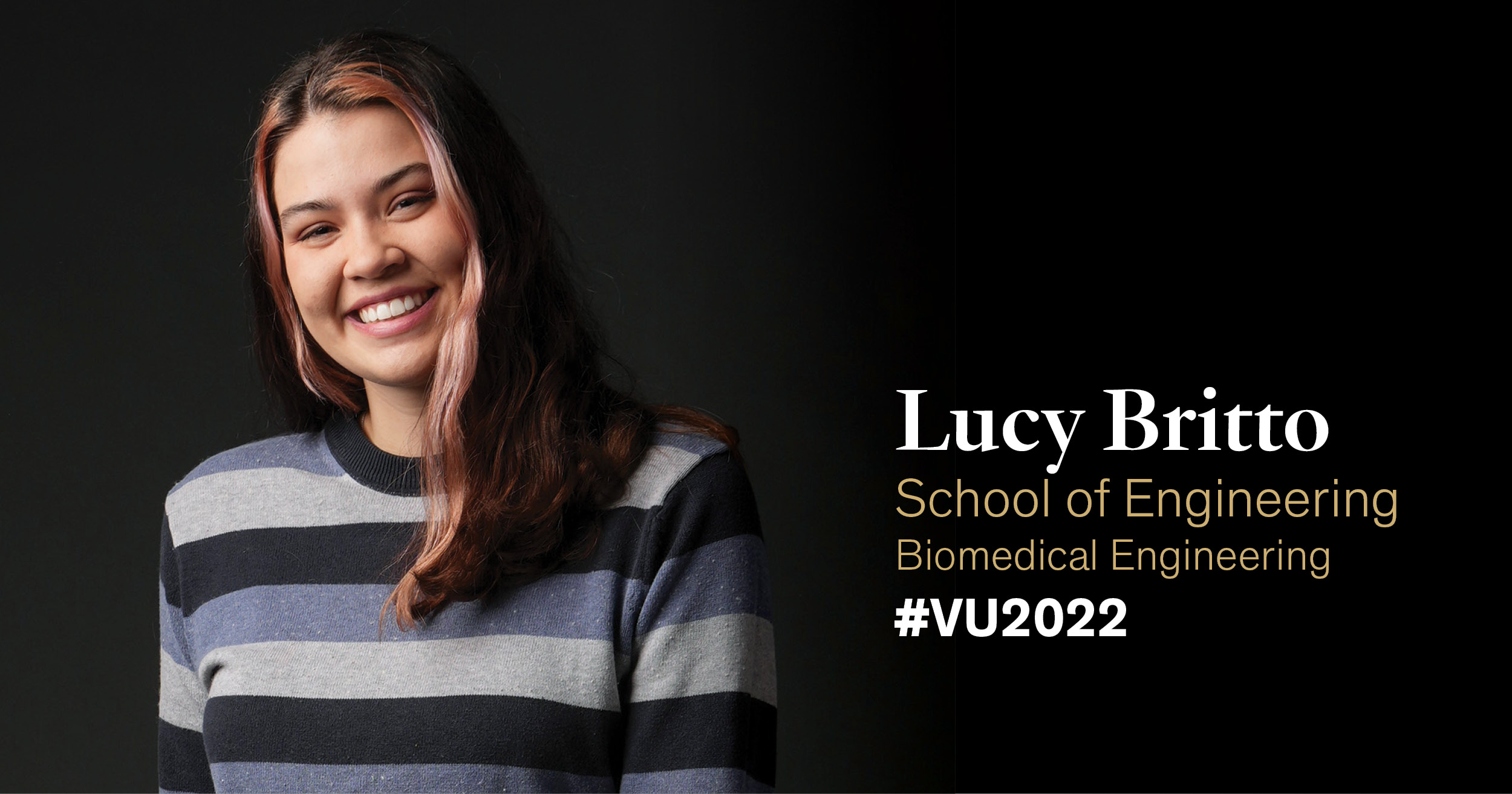
Class of 2022: Lucy Britto broadens access to biomedical science community through mentoring
When digging into a scientific challenge, biomedical engineering major Lucy Britto aims to do more than solve a problem. She also wants to open doors to the scientific community by helping others understand the solution and broadening access for traditionally underrepresented groups. Read MoreApr 26, 2022
-
Vanderbilt Kennedy Center data shows increase in autism spectrum disorder prevalence, provides new data on 4-year-olds
Vanderbilt Kennedy Center researchers, as part of the CDC Autism and Developmental Disabilities Monitoring network, report an increase in the number of children in Tennessee with autism spectrum disorder. Read MoreApr 26, 2022
-
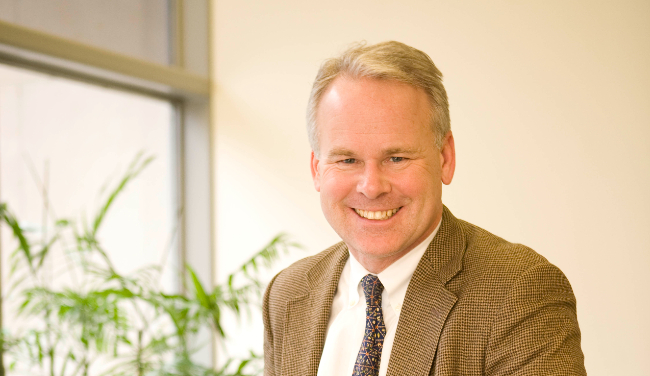
Vandenbergh named 2022 Carnegie Fellow to tackle polarization and climate change
Vanderbilt University legal scholar Michael P. Vandenbergh has been named a 2022 Andrew Carnegie Fellow and has been awarded $200,000 to support his research into overcoming political polarization to address the causes of climate change and the issues it is creating. Read MoreApr 26, 2022
-
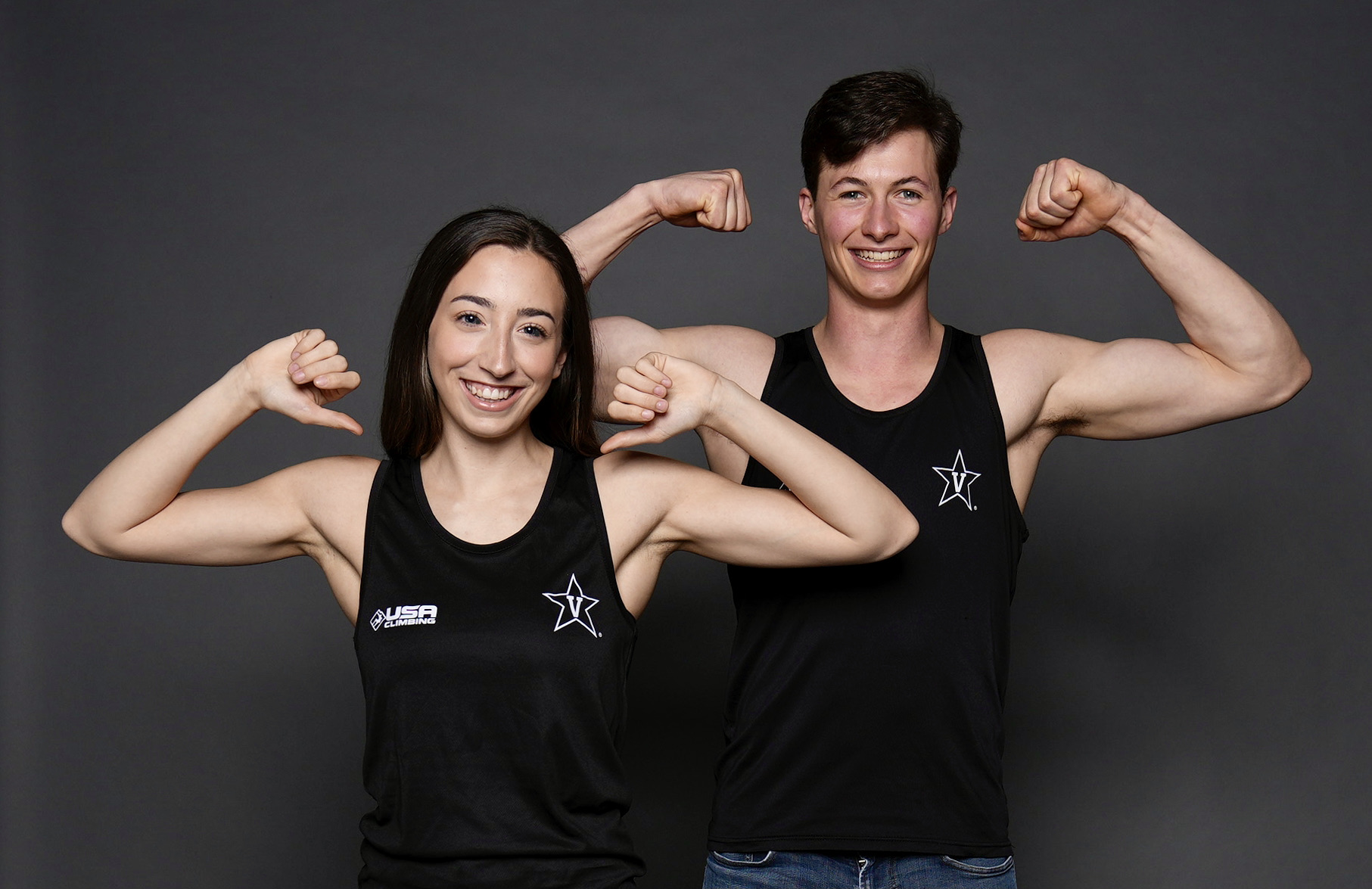
Rock-climbing student duo pursues scientific, business and Olympic dreams
Vanderbilt Climbing Club teammates Michael Finn-Henry and Olivia Busk are taking collaboration and innovation to new heights with a breakthrough medical device—and a possible trip to the 2024 Paris Olympics. Read MoreApr 25, 2022
-

Prothena and Warren Center for Neuroscience Drug Discovery collaborate on new Alzheimer’s disease therapeutics
Prothena and the Warren Center for Neuroscience Drug Discovery have entered into a collaborative research agreement to develop new small molecule therapeutics for the treatment of Alzheimer’s disease in individuals with Down syndrome. Read MoreApr 22, 2022
-
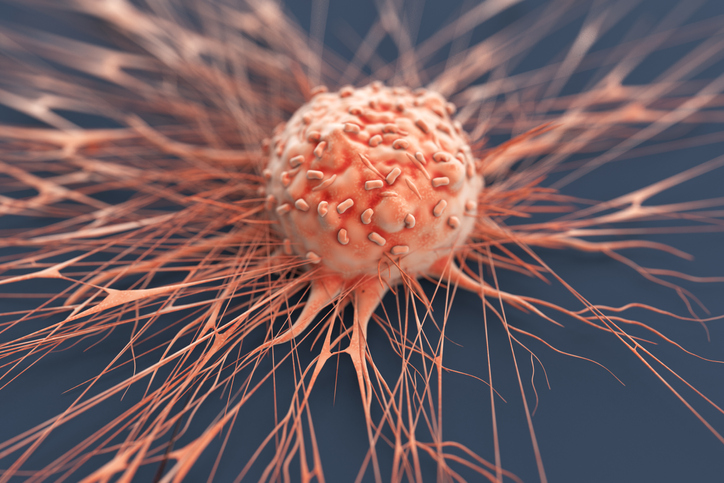
Research Snapshot: Collaborative research lays groundwork for potential treatment of a rare and deadly type of cancer
A collaborative project between William Tansey and Stephen Fesik has laid the foundation for pre-clinical and clinical trials for rare childhood tumors that are diagnosed in 25 children per year in the United States. Read MoreApr 22, 2022
-
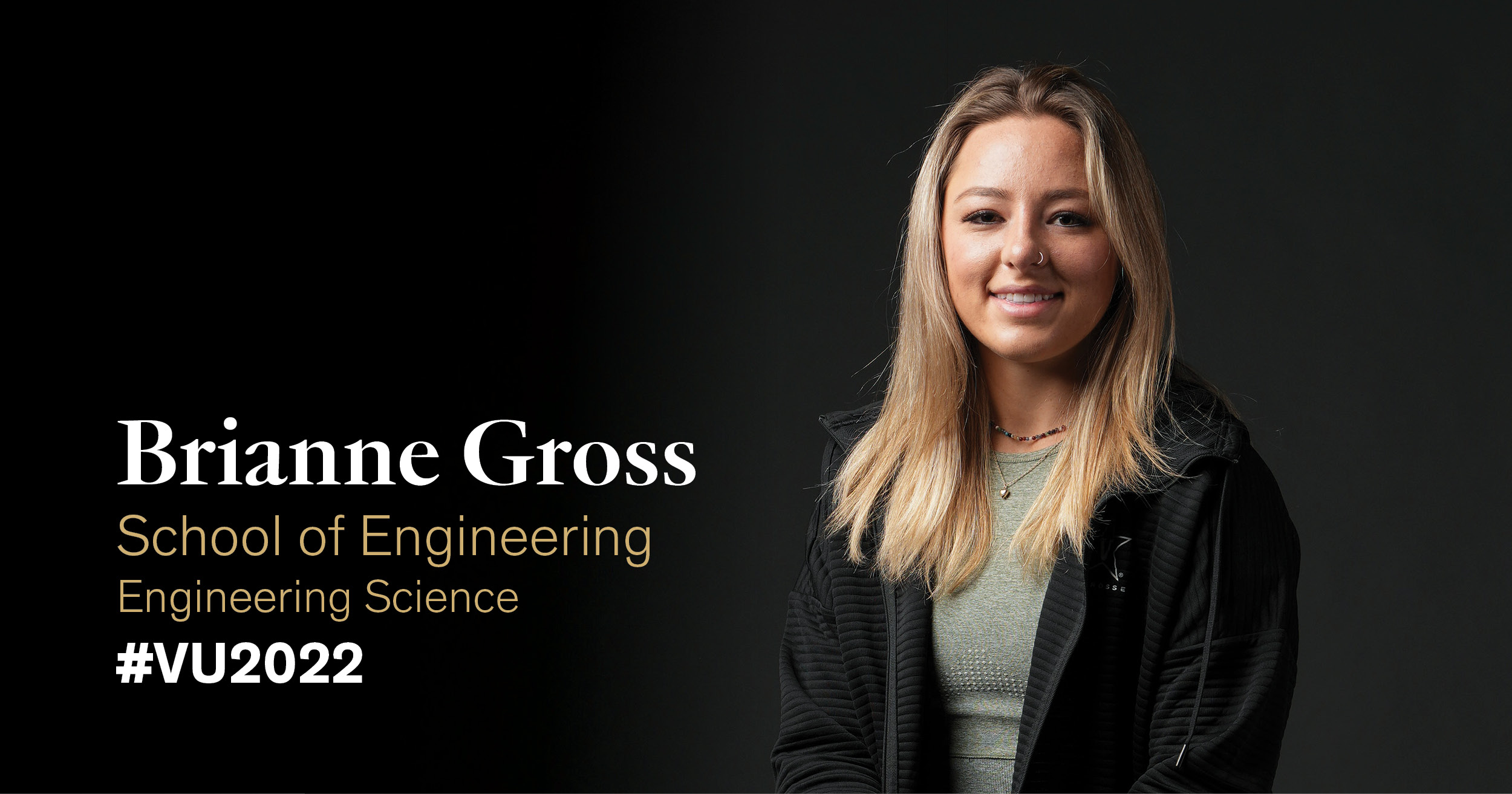
Class of 2022: Brianne Gross is an unlikely lacrosse star and a born engineer
Growing up in California, where lacrosse had yet to take hold to the same extent as on the East Coast, Bri Gross discovered her athletic passion almost by accident. But the first time she picked up a lacrosse stick was far from the first time she was intrigued by how something worked. Never far from her dad’s side in his garage workshop, she was and remains an inveterate tinkerer. Read MoreApr 20, 2022
-
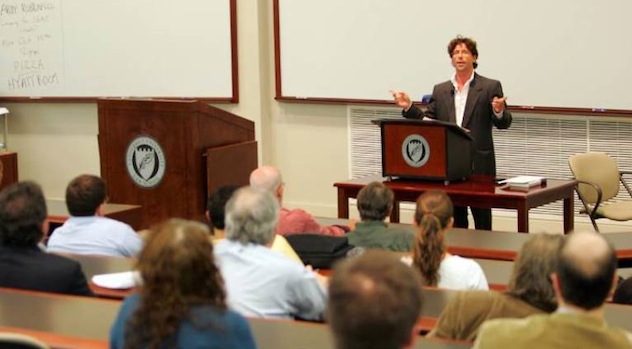
Vanderbilt professor named 2022 Guggenheim Fellow
Robert Barsky will be recognized at a reception honoring the 2022 Guggenheim Fellows on June 7 in New York. Read MoreApr 20, 2022