Biological Sciences
-

Mosquito sperm have a sense of smell
Vanderbilt biologists have discovered that mosquito sperm have a “sense of smell” and that some of same chemicals that the mosquito can smell cause the sperm to swim harder. Read MoreFeb 3, 2014
-

Vanderbilt research featured in Science News’ top science story of 2013
The popular science magazine Science News has chosen a story featuring research by Vanderbilt's Seth Bordenstein and Robert Brucker as its top science story for the year. Read MoreJan 17, 2014
-
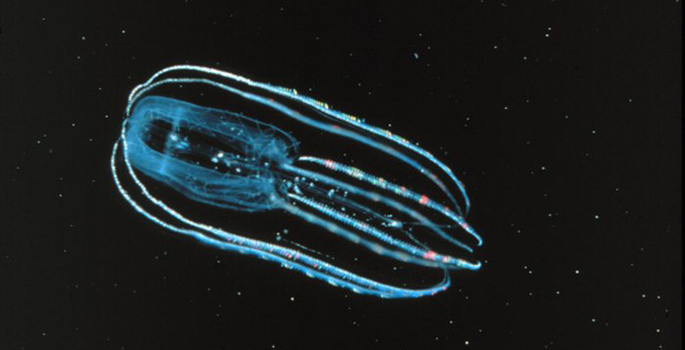
Could comb jellies, close cousins of jellyfish, be the earliest ancestors of animals?
With their intricate, translucent shapes and elaborate bioluminescent displays, comb jellies add beauty and mystery to the ocean depths. They also have an important story to tell about the origin of animals. Read MoreDec 13, 2013
-
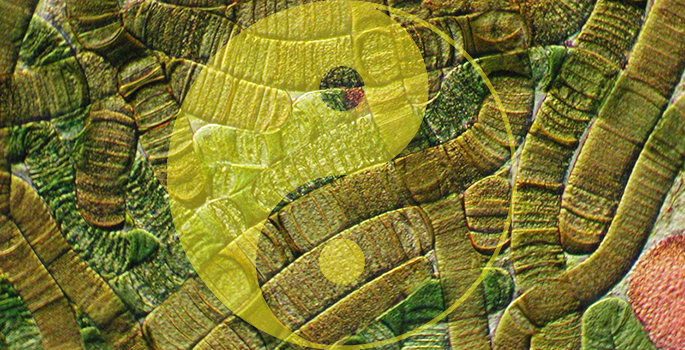
Tricking algae’s biological clock boosts production of drugs, biofuels
Tricking algae’s biological clock to remain in its daytime setting can dramatically boost the amount of commercially valuable compounds that these simple marine plants can produce when they are grown in constant light. Read MoreNov 7, 2013
-
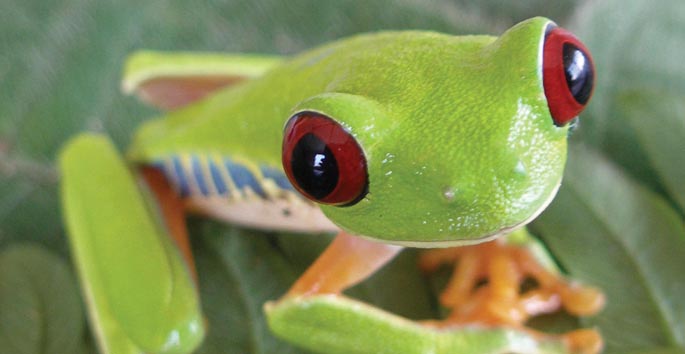
Frog-killing fungus paralyzes amphibian immune response
A fungus that is killing frogs and other amphibians around the world releases a toxic factor that disables the amphibian immune response, Vanderbilt University investigators report Oct. 18 in the journal Science. Read MoreOct 17, 2013
-
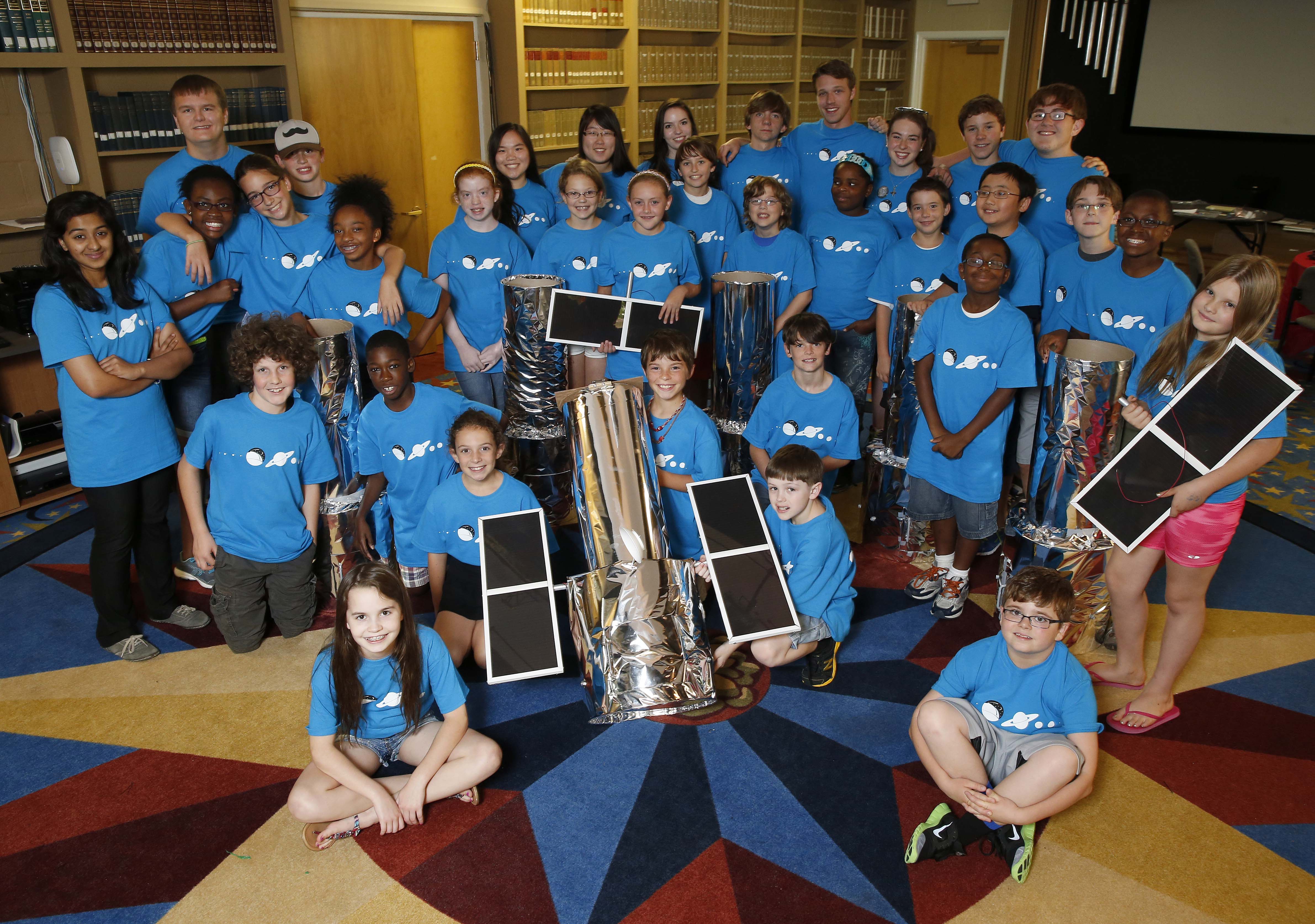
VUCast: See stars at space camp
Get ready to see stars– We’re taking you to space camp. See why mosquitoes bite you more than others Why you should get “Pinterested” in Vanderbilt! All this and more in this week’s VUCast, Vanderbilt’s online newscast. Watch now. [vucastblurb]… Read MoreJul 31, 2013
-
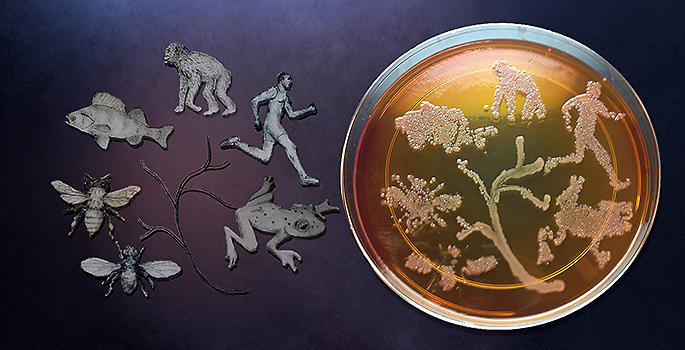
Microbes can influence evolution of their hosts
A new study provides the first direct evidence that microbes can contribute to the origin of new species by reducing the viability of hybrids produced between males and females of different species. Read MoreJul 18, 2013
-
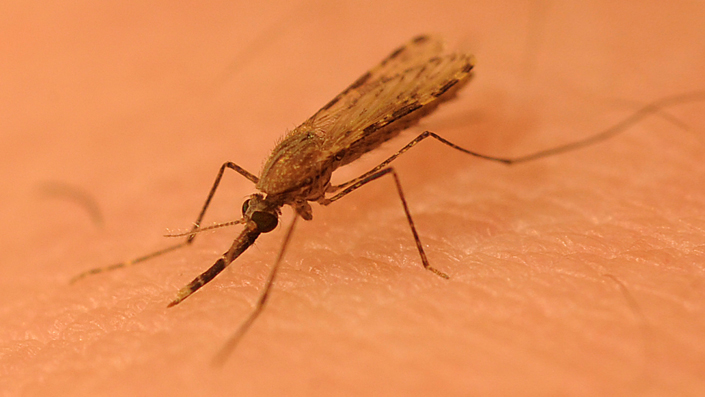
Wall Street Journal: Who gets more mosquito bites?
It is peak mosquito season, and while some lucky outdoor venturers seem unperturbed by the tiny insects, others appear to be relentlessly assaulted. Laurence Zwiebel, Cornelius Vanderbilt Professor of Biological Sciences, explains the most common culprits. Read MoreJul 17, 2013
-

Untangling the tree of life
Vanderbilt phylogeneticists examined the reasons why large-scale tree-of-life studies are producing contradictory results and have proposed a suite of novel techniques to resolve the contradictions. Read MoreMay 15, 2013
-
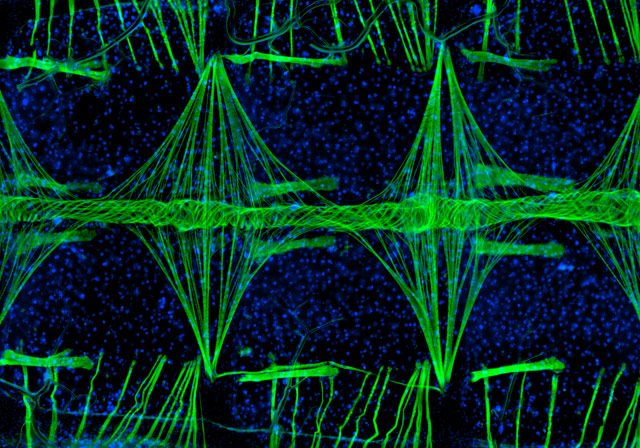
Setting mosquito hearts racing
Vanderbilt researchers have figured out how to set the mosquito's heart racing, helping them understand how the insect's immune system works and the methods that mosquito-borne parasites like those that cause malaria and yellow fever employ to circumvent it. Read MoreApr 23, 2013
-
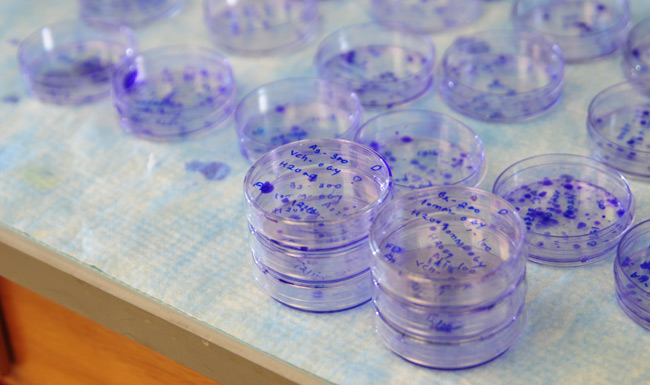
LiveScience: ‘Mind-blowing’ bacteria reveal inner workings of some infectious diseases
According to Seth Bordenstein, assistant professor of biological sciences, studying Wolbachia has yielded some surprising new insights on microbial evolution that could help us understand, treat and prevent certain infectious diseases. "It's what gets me up every day and keeps me excited about doing this work." Read MoreMar 29, 2013
-

‘Snooze button’ on biological clocks improves cell adaptability
(iStock) The circadian clocks that control and influence dozens of basic biological processes have an unexpected “snooze button” that helps cells adapt to changes in their environment. A study by Vanderbilt University researchers published online Feb. 17 by the journal Nature provides compelling new evidence that at least some species… Read MoreFeb 17, 2013
-
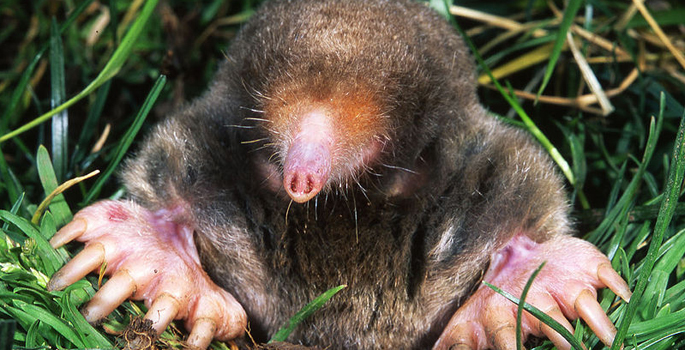
Evidence moles can smell in stereo
Neuroscientist Kenneth Catania has resolved a long-standing scientific debate by showing that the common mole can smell in stereo. Read MoreFeb 5, 2013
-

Vanderbilt neuroscientist honored by National Academy of Sciences
Kenneth Catania, Stevenson Professor of Biological Sciences at Vanderbilt University, is one of 18 scientists who have been honored by the National Academy of Sciences for their outstanding scientific achievements in a wide range of fields spanning the physical, biological and social sciences. Read MoreJan 17, 2013
-
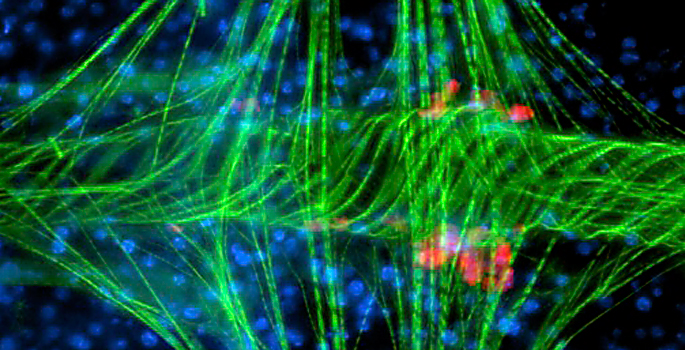
Mosquitoes as involuntary bioterrorists
Vanderbilt biologists have discovered that mosquitoes possess a previously unknown mechanism for destroying pathogens which takes advantage of the peculiarities of the insect’s circulatory system to increase its effectiveness. Read MoreNov 29, 2012
-
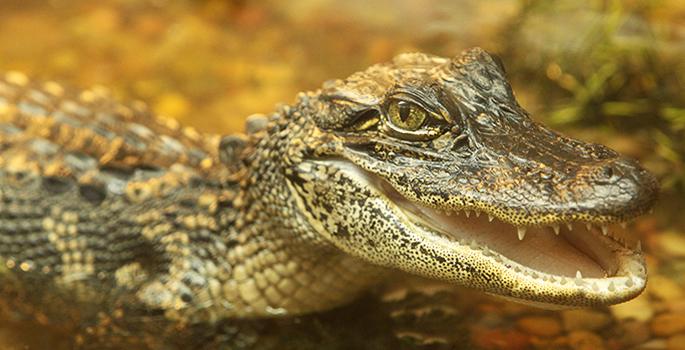
Despite their thick skins, alligators and crocodiles are surprisingly touchy
Researchers have discovered that alligators and crocodiles possess one of the most acute senses of touch in the animal kingdom. Read MoreNov 8, 2012
-
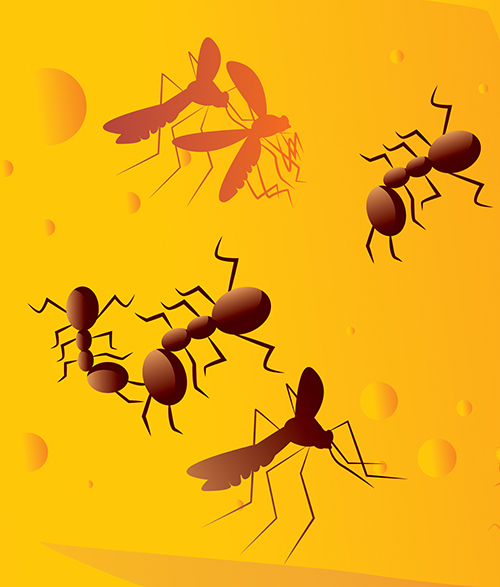
Zwiebel Lab adds ants to its research repertoire
After more than a decade spent successfully decoding the malaria mosquito’s sense of smell, the Zwiebel Lab has added ant olfaction to its research repertoire and has just received a major grant to pursue this new avenue for the next four years. Read MoreSep 13, 2012
-
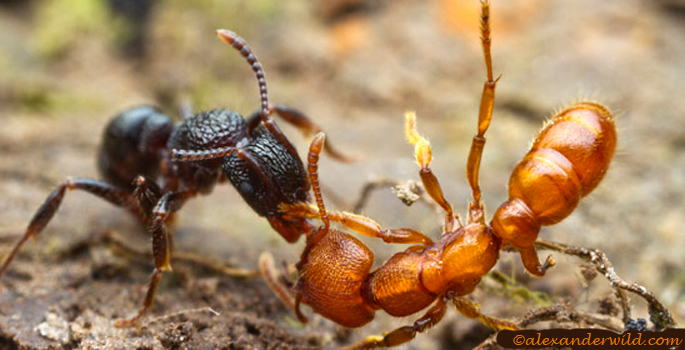
Ants have an exceptionally high-def sense of smell
Ants have four to five times more odor receptors than most other insects, a team of researchers have discovered. Read MoreSep 10, 2012
-
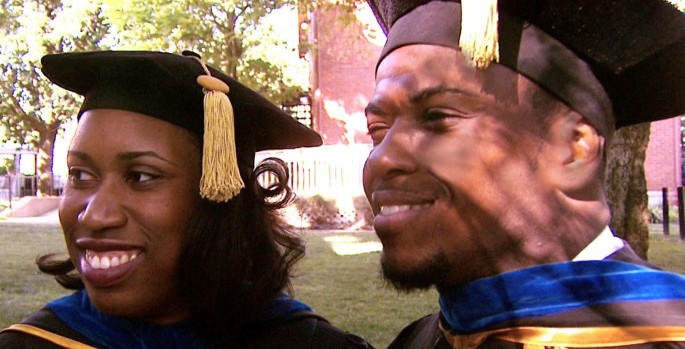
VUCast Extra: Bridging the Gap in the Sciences
Vanderbilt is on track this year to become the number one producer of minority Ph.D. recipients in physics, astronomy and materials science, an area where minorities are grossly underrepresented. Watch the emotional journey of the latest doctoral graduates from the Fisk-Vanderbilt-Master’s-to-Ph.D. Bridge Program. [vucastblurb]… Read MoreJun 8, 2012
-
Video: New, strong insect repellent discovered
Vanderbilt researchers have discovered a new insect repellent compound that may be thousands of times stronger than DEET, the active ingredient currently in common mosquito repellents. This new compound is the first of its kind in the world. … Read MoreApr 11, 2012