Biological Sciences
-
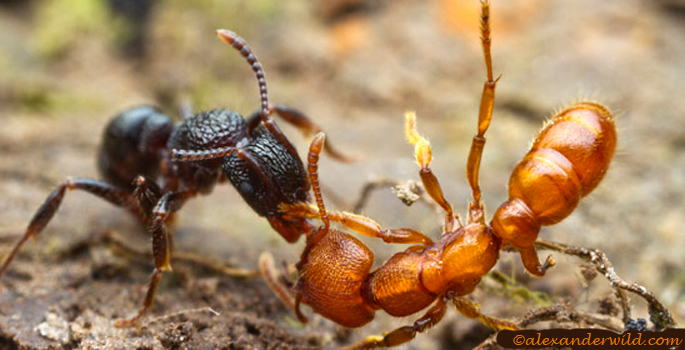
Ants have an exceptionally high-def sense of smell
Ants have four to five times more odor receptors than most other insects, a team of researchers have discovered. Read MoreSep 10, 2012
-

VUCast Extra: Bridging the Gap in the Sciences
Vanderbilt is on track this year to become the number one producer of minority Ph.D. recipients in physics, astronomy and materials science, an area where minorities are grossly underrepresented. Watch the emotional journey of the latest doctoral graduates from the Fisk-Vanderbilt-Master’s-to-Ph.D. Bridge Program. [vucastblurb]… Read MoreJun 8, 2012
-
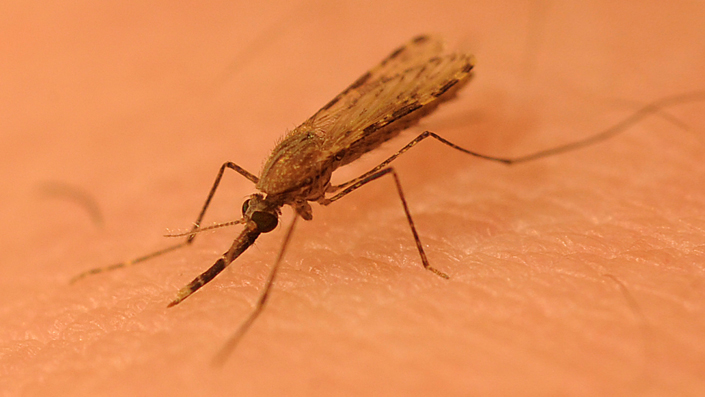
Video: New, strong insect repellent discovered
Vanderbilt researchers have discovered a new insect repellent compound that may be thousands of times stronger than DEET, the active ingredient currently in common mosquito repellents. This new compound is the first of its kind in the world. … Read MoreApr 11, 2012
-

Vanderbilt biologist recognized by entomology society
Julian Hillyer is the 2012 recipient of one of the Entomological Society of America’s annual recognition award. Read MoreFeb 27, 2012
-
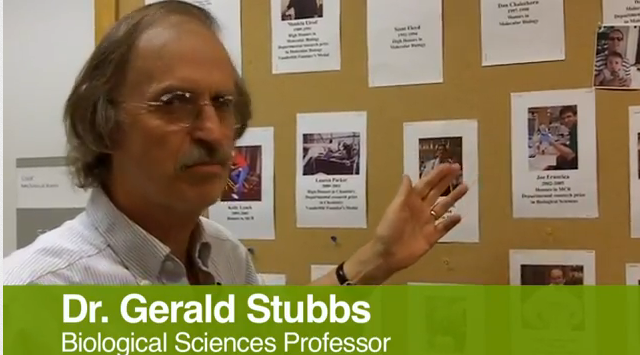
Undergraduate students conduct research in the Stubbs Lab
Learn about an unusual research lab on Vanderbilt’s campus which employs almost entirely undergraduate students. Read more: Biology Lab Utilizes Undergraduate Research to Study Protein Diseases Produced by Vanderbilt student Harrison Dreves. Read MoreDec 13, 2011
-

Let there be light and melatonin
Light and the hormone melatonin may play important roles in the developing brain. Read MoreNov 4, 2011
-

Robot biologist solves complex problem from scratch
A team of scientists has taken a major step toward developing robot biologists. They have shown that their system, the Automated Biology Explorer, can solve a complicated biology problem from scratch. Read MoreOct 13, 2011
-

Cell phone bee mortality link: sensationalism not science
Vanderbilt graduate student Cassidy Cobbs has investigated recent news reports linking cell phone emissions with bee mortality and found that there is no scientific basis for the claims. Read MoreJun 14, 2011
-
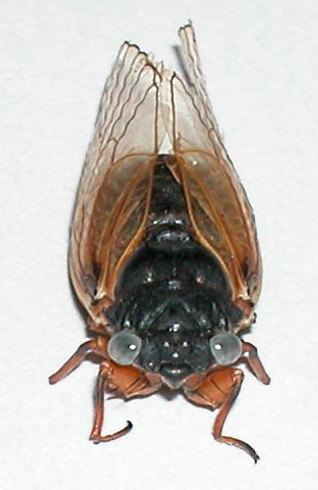
Bad buzz about blue-eyed cicadas
Photo of a true blue-eyed cicada (Matt Weiss, Cicada Mania) Have you heard the latest buzz going round that scientists at Vanderbilt are paying as much as $3,000 for specimens of the rare blue-eyed cicada? If you have, I hope you haven’t spent a lot of time… Read MoreJun 2, 2011
-
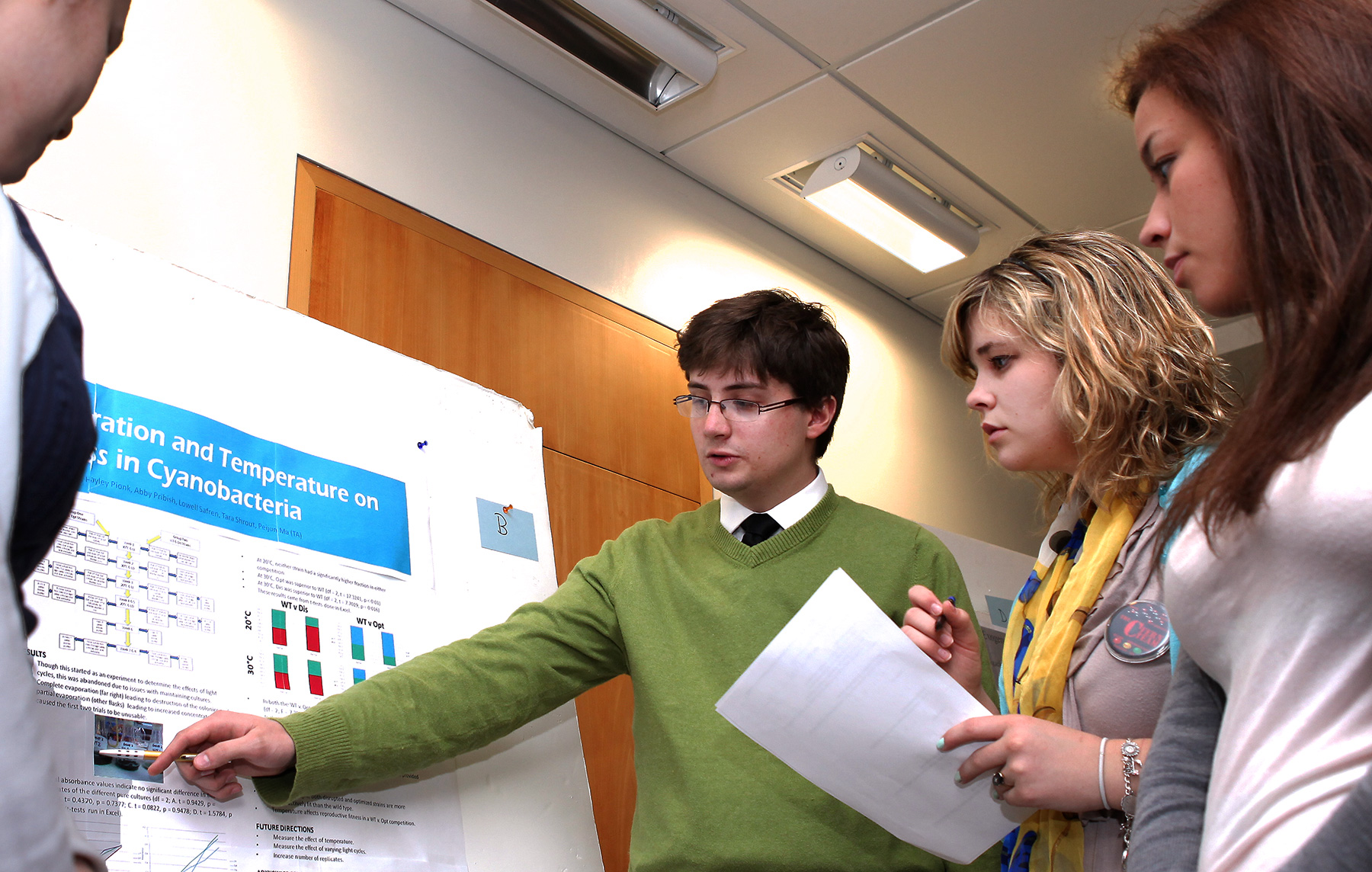
Laboratory throws away cookbooks in pursuit of discovery
Students at BSC111c poster session discussing project that determined the phylogenetic relationship of a number of common insects (Susan Urmy / Vanderbilt) In an educational environment increasingly characterized by canned and virtual science experiments that always come out right, Vanderbilt’s alternative introductory biology laboratory (BSC 111c) stands… Read MoreMay 20, 2011
-
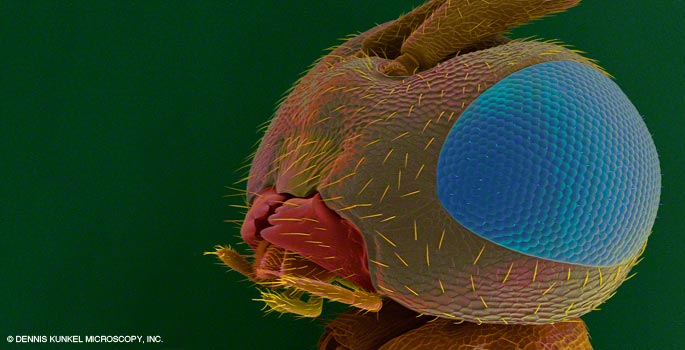
Could bacterial hitchhikers influence formation of new host species?
Vanderbilt researchers are exploring what role, if any, bacteria play in environmental diversity, with the aim of answering one of biology's most fundamental questions. Read MoreMay 5, 2011
-

Attacking malaria on several fronts
Vanderbilt researchers are using a variety of approaches to hasten the beginning of the end of malaria. Read MoreApr 27, 2011
-
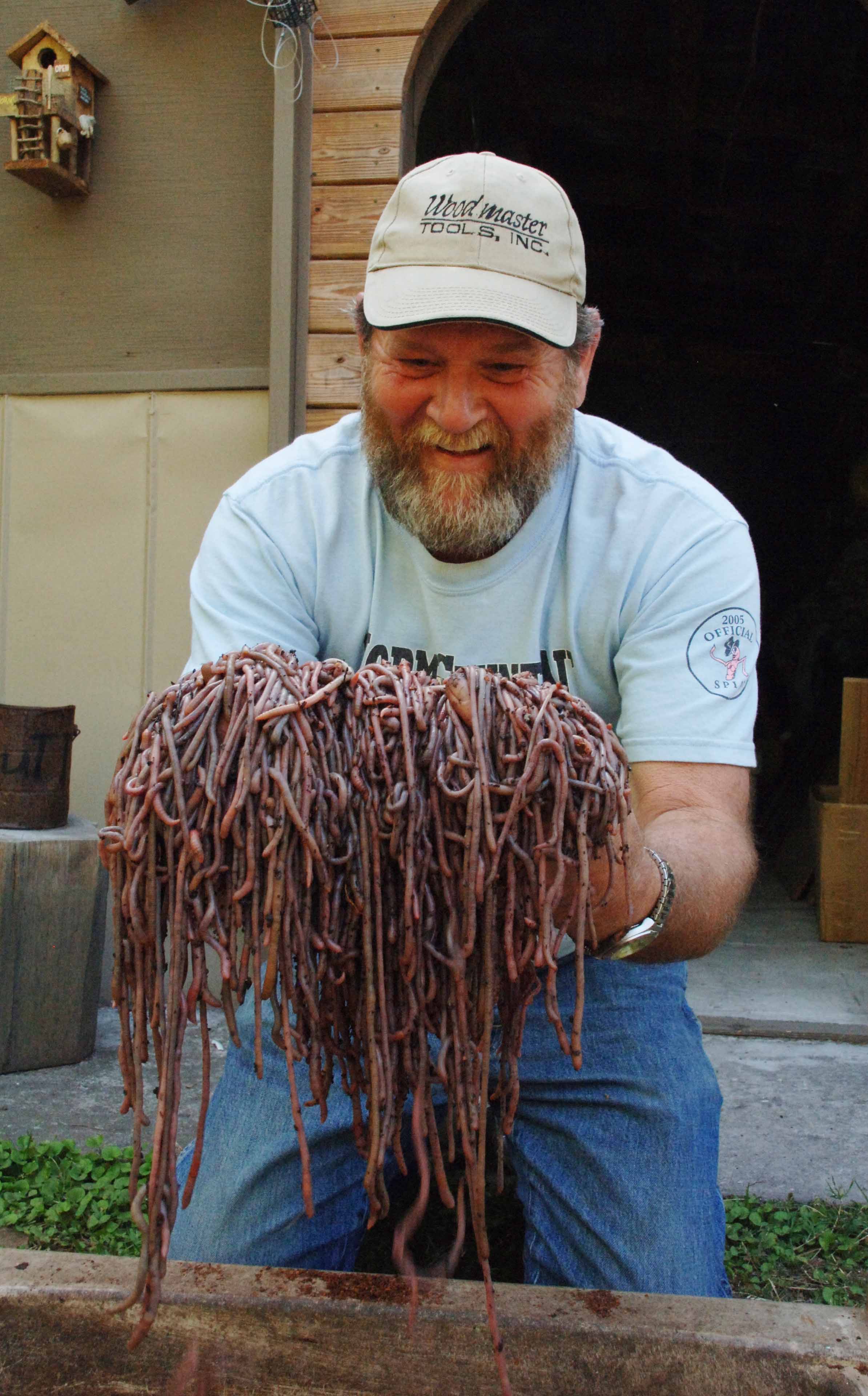
Worm grunting on NPR
Gary Revell shows some of the worms he has collected using worm grunting (Ken Catania) “What is worm grunting?” That is one of the questions that moderator Richard Sher asked panelists last weekend in a rerun of a pre-recorded edition of “Says You!” – the popular… Read MoreMar 11, 2011
-
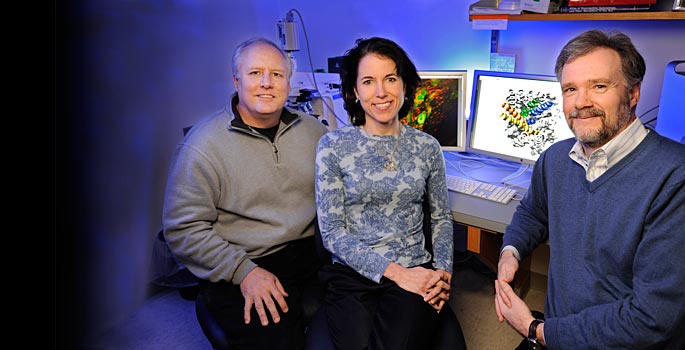
New model to test how antidepressants work
A new mouse model offers the ability to better test how selective serotonin reuptake inhibitors (SSRIs) work and could lead to the development of new classes of anti-depressants. Read MoreFeb 18, 2011
-
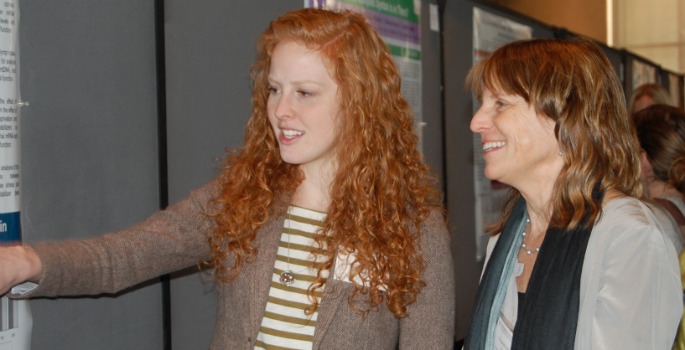
Kennedy Center celebrates Science Day 2011
A record crowd of students and presenters turned out for the Vanderbilt Kennedy Center for Research on Human Development's 2011 Science Day Feb. 15. Read MoreFeb 16, 2011
-
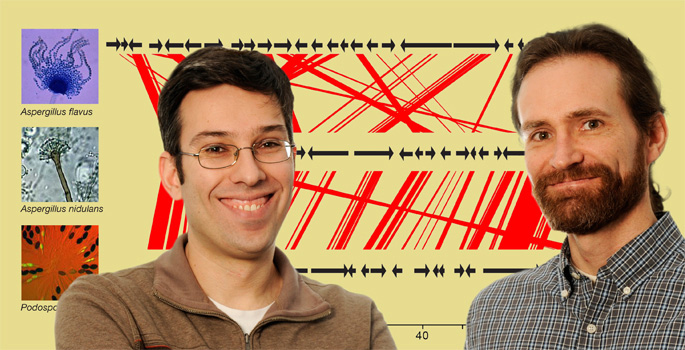
Discovery of jumping gene cluster tangles tree of life
Since the days of Darwin, the “tree of life” has been the preeminent metaphor for the process of evolution, reflecting the gradual branching and changing of individual species. The discovery that a large cluster of genes appears to have jumped directly from one species of fungus to another, however,… Read MoreFeb 4, 2011
-

Scientists of the future
School for Science and Math students Katie Roland, left, who attends Hume-Fogg Academic Magnet School, and Isaiah Bolden, who attends Martin Luther King Jr. Magnet High School, with the School for Science and Math’s director, Angela Eeds, Ph.D. (Mary Donaldson / Vanderbilt University) Report after report, it… Read MoreFeb 1, 2011
-

Mental health research fund lauds VU scientists
Left to right: Karen Gregory, Elizabeth Hammock, Peilin Jia, John Panos Eight Vanderbilt University scientists have won 2010 Young Investigator Awards from NARSAD, the world’s leading mental health research charity. Each scientist will receive up to $60,000 over two years for innovative brain and behavioral studies of serious psychiatric disorders. Read MoreJan 31, 2011
-

Scripps Research and Vanderbilt launch joint institute to advance science at interface of chemistry and medicine
Personalized medicine refers to the relationship between genetic differences among individuals and corresponding differences in their chemical state and how they respond to various nutrients, drugs, and compounds in their environment. (Photo courtesy of Scripps Research Institute) Leftover blood samples from Vanderbilt’s clinics are retrieved daily from the Pathology lab. Read MoreJan 13, 2011
-
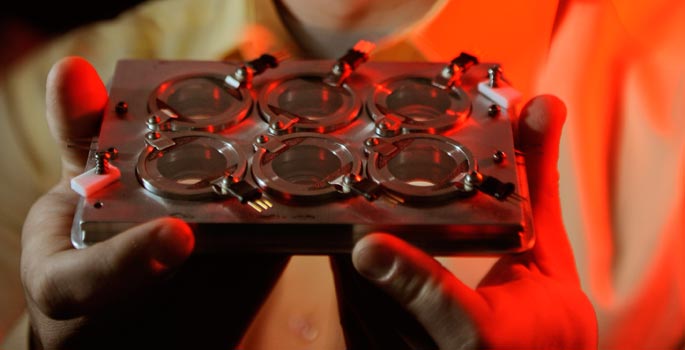
Babies’ biological clocks dramatically affected by birth light cycle
Graduate student Chris Ciarleglio who performed the study in the McMahon Lab that found the circadian clock in mammals is imprinted by the day/night cycle when an individual is born. The finding may help explain why people born in the winter at high latitudes are at greater risk for seasonal… Read MoreDec 6, 2010