Research
-

Op-ed: An online ‘erasure service’ for California minors – but can it work?
Human nature itself can undermine privacy laws that seek to balance the government’s interests in surveillance and protecting the country against terrorism with a citizen’s right to be left alone, argues Lydia Jones, adjunct professor of law. Read MoreDec 16, 2014
-

Retinal neuron survival in glaucoma
Understanding how the protein TRPV1 helps neurons survive after glaucoma-related stressors could lead to new therapeutic strategies for glaucoma and other neurodegenerative conditions. Read MoreDec 16, 2014
-

New K-12 curriculum prepares youths for digital world
Peabody's Melissa Gresalfi is co-author of a four-book series that provides a K-12 curricular toolkit for supporting systems thinking in the digital age. Read MoreDec 12, 2014
-

Bacterial secretion machinery: 3-D view
New structural findings reveal how "gatekeeper" proteins participate in the secretion systems bacteria use to infect host cells. Read MoreDec 11, 2014
-

Mental Illness is the wrong scapegoat after mass shootings
An extensive new study by two Vanderbilt University researchers challenges common assumptions about gun violence and mental illness that often emerge in the aftermath of mass shootings. Read MoreDec 11, 2014
-

Study finds few meet criteria for healthy cardiovascular lifestyle
When it comes to taking care of our hearts, there is a big divide between what we should do and what we actually do, a new multi-institution study reports. Read MoreDec 11, 2014
-

Zelik explores biological mechanisms behind human movement
Karl Zelik's Biomechanics and Assistive Technology laboratory is dedicated to locomotion—in particular, to understanding the mechanisms of human locomotion and using engineering to improve movement and mobility for people with impairments. Read MoreDec 4, 2014
-
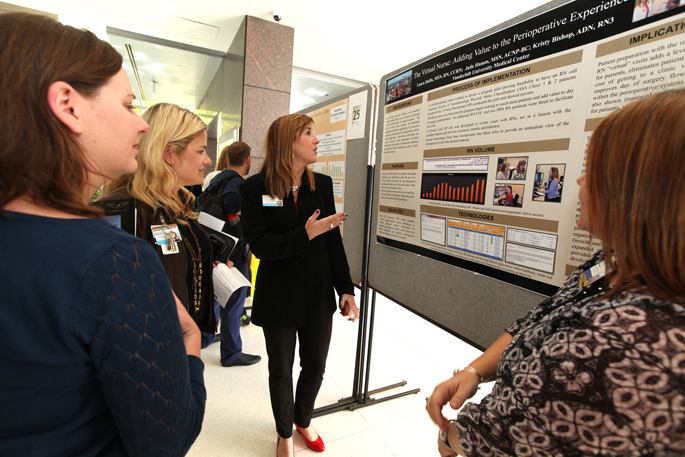
Research by VUMC nurses takes center stage at annual event
Nursing research was on full display in Light Hall recently during the Research Day Poster Presentations, organized by the Evidence-Based Practice (EBP) and Nursing Research Committee. Read MoreDec 4, 2014
-

Blood pressure gene tied to cognitive decline
Size may not matter in a lot of things, but when it comes to cognitive decline, the size of the hippocampus definitely seems to be an issue. Read MoreDec 4, 2014
-

Coffee-ring diagnostic offers hope in poorest regions
Using the same mechanism that causes evaporating coffee to leave a ring behind, an interdisciplinary team of Vanderbilt researchers is designing a simple blood test to diagnose malaria in the developing world without electricity or special training. Read MoreDec 3, 2014
-

Natural ‘high’ could avoid chronic marijuana use, Vanderbilt study finds
Replenishing the supply of a molecule that normally activates cannabinoid receptors in the brain could relieve mood and anxiety disorders and enable some people to quit using marijuana. Read MoreDec 1, 2014
-

New tools to probe manganese biology
Vanderbilt researchers have developed tools to probe the role of the essential metal manganese in neurons, and which offer a started point for developing therapeutic agents for manganese-related neurological disorders. Read MoreNov 26, 2014
-

Vanderbilt’s LAPOP survey provides new insights on insecurities and democracy in the Americas
Crime and violence are increasingly worrying citizens in the Americas, according to new data released by Vanderbilt's LAPOP center. Read MoreNov 25, 2014
-
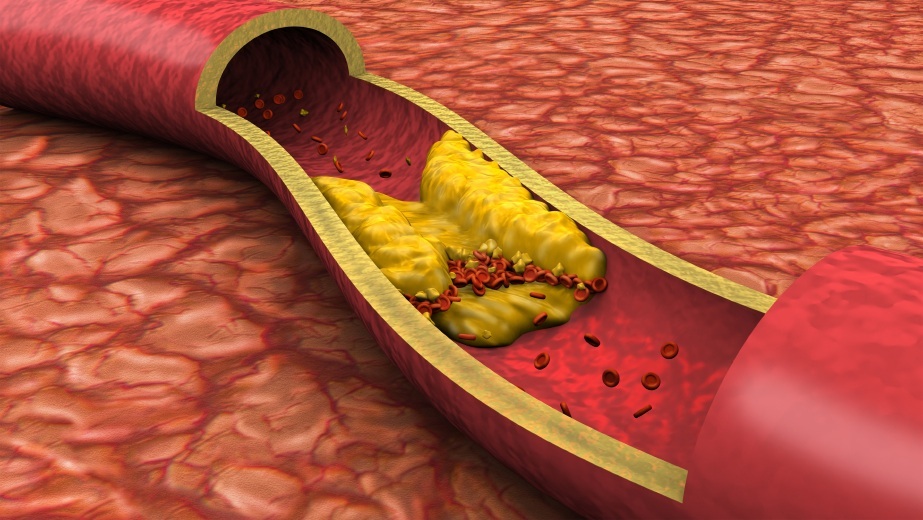
Protein implicated in atherosclerosis
Vanderbilt researchers have discovered a new target for the prevention of atherosclerotic plaque development and cardiovascular disease. Read MoreNov 25, 2014
-

Vanderbilt Poll to be released Dec. 3 at Vanderbilt news conference
The newest Vanderbilt Poll results will be released 11 a.m. Dec 3 at the Student Life Center. Read MoreNov 24, 2014
-
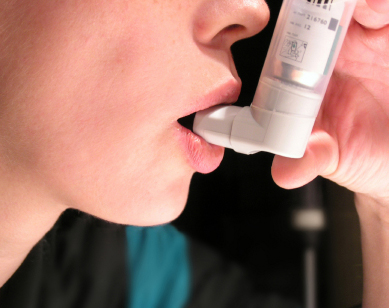
Gene influences allergies in asthma
A particular gene is associated with a specific type of inflammatory response in people with asthma – a finding that could suggest new therapeutic targets for treating asthma. Read MoreNov 24, 2014
-

How the hummingbird achieves its aerobatic feats
The most detailed aerodynamic simulation of hummingbird flight conducted to date demonstrates that it achieves its aerobatic abilities through a unique set of aerodynamic forces. Read MoreNov 21, 2014
-
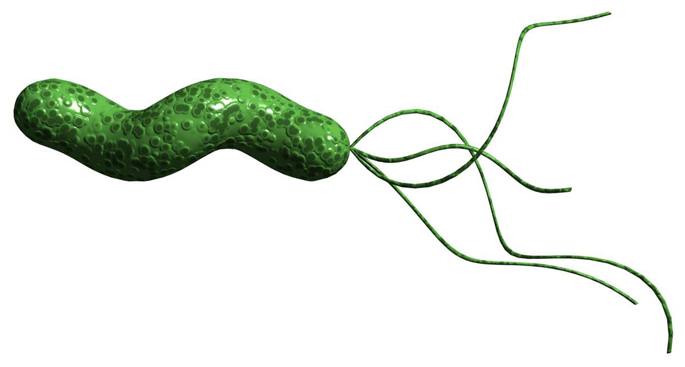
Host sequesters zinc to control stomach bug
Understanding how zinc and the host’s immune response control H. pylori’s cancer-causing potential could suggest new therapeutic strategies to reduce infection and cancer risk. Read MoreNov 21, 2014
-

Life’s extremists may be an untapped source of antibacterial drugs
A family of single-celled organisms that thrive in environments too extreme for most other species to survive may be an untapped source of new antibacterial drugs. Read MoreNov 21, 2014
-

Gene mutation linked to breast cancer therapy resistance
A group of Vanderbilt-led investigators has identified a new gene mutation that may explain why some breast cancer patients do not respond to anti-hormone therapy. Read MoreNov 20, 2014