Research
-

Legal expert explains how Supreme Court should rule in Affordable Care Act suit
The U.S. Supreme Court is set to hear a lawsuit challenging the Obama Administration’s implementation of the Affordable Care Act. Vanderbilt University legal expert James Blumstein says the true issue surrounding the King v. Burwell case is separation of powers. Read MoreFeb 23, 2015
-

Tiny model of diabetes
Vanderbilt University researchers have created a zebrafish model of skeletal muscle insulin resistance that could help improve diabetes treatment. Read MoreFeb 20, 2015
-
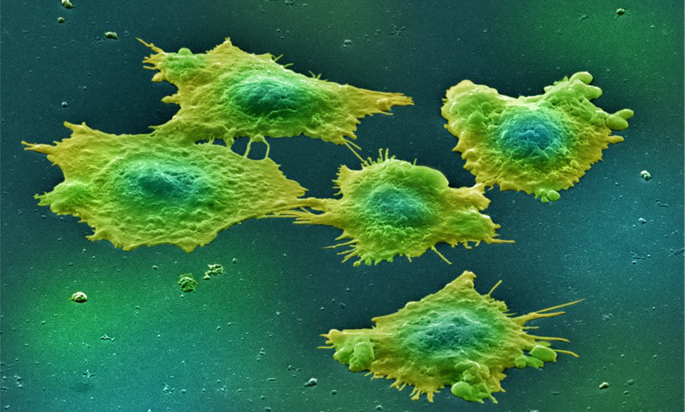
‘Stretched’ cells promote cancer
Mechanical stress appears to be a critical factor in activating normal tissue-associated fibroblasts to generate cancer-associated fibroblasts. Read MoreFeb 19, 2015
-

Environmental engineer visits home to help rice farmers overcome drought
Vanderbilt environmental engineering graduate student Thushara Gunda returned to her native Sri Lanka to learn how South Asian rice farmers can adapt to drought and grow the highest yields possible. Read MoreFeb 19, 2015
-
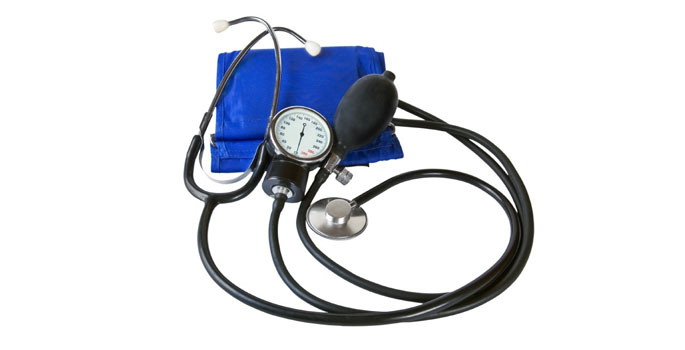
Vitamin D found to have no impact on blood pressure
Despite prior epidemiologic and experimental data to the contrary, new research shows that vitamin D supplementation does not reduce blood pressure in individuals with prehypertension or stage I hypertension and vitamin D deficiency. Read MoreFeb 19, 2015
-

Study sheds light on a ‘guardian’ protein of brain function
Mitochondria not only are the cell’s main power producers, they are also the chief cooks and bottle washers. Read MoreFeb 19, 2015
-

Polarization over president high in Argentina: LAPOP
A poll by the Latin American Opinion Project shows that Argentines have responded to the death of prosecutor Alberto Nisman with anger and resignation. Read MoreFeb 18, 2015
-

Grant spurs schizophrenia research
Vanderbilt University is partnering with the William K. Warren Foundation of Tulsa, Oklahoma, on research aimed at improving the treatment of schizophrenia and other forms of serious mental illness. Read MoreFeb 12, 2015
-

Hazy definition may hamper catatonia care
Catatonia, a syndrome characterized by muscular rigidity and a trance-like mental stupor, can at times manifest with great excitement and confusion. And while it is often associated with schizophrenia, it can present in patients with either medical or psychiatric conditions. For this reason, the condition has often confused clinicians. Read MoreFeb 12, 2015
-

Report calls for new chronic fatigue guidelines
An Institute of Medicine committee chaired by Vanderbilt University’s Ellen Wright Clayton, M.D., J.D., on Tuesday called for a new name and new diagnostic criteria for what is familiarly known as chronic fatigue syndrome. Read MoreFeb 12, 2015
-
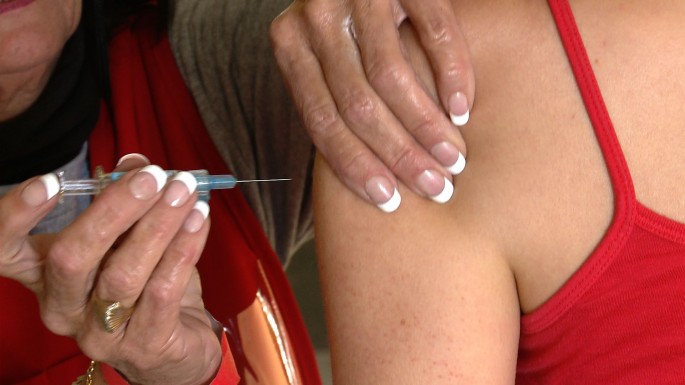
VU study explores optimal timing for pertussis vaccine
Pertussis, commonly known as whooping cough, is experiencing a resurgence, and its tiniest victims are not armed to battle the contagious respiratory infection. Read MoreFeb 12, 2015
-

VUMC’s Penn named president-elect of eye research society
John Penn, Ph.D., Phyllis G and William B. Snyder Endowed Professor of Ophthalmology and Visual Sciences, has been named president-elect of the International Society for Eye Research (ISER). Read MoreFeb 12, 2015
-
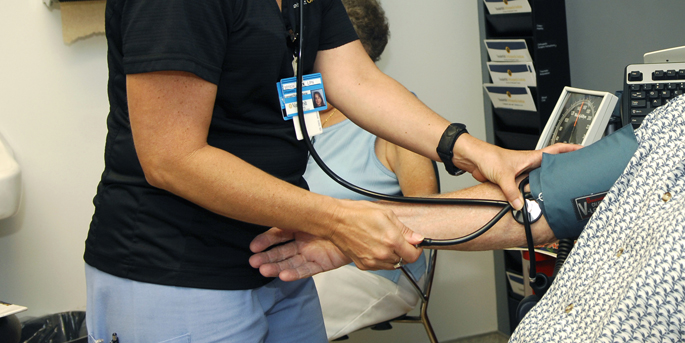
VU study explores inflammation, hypertension link
The evidence is increasing: the immune system and inflammation are key contributors to high blood pressure. Read MoreFeb 12, 2015
-

Kidney disease impacts HDL function
Chronic kidney disease impairs the protective functions of HDL, Vanderbilt researchers report this month. Read MoreFeb 11, 2015
-

Targeting HIV’s “cap”
New findings underscore the attractiveness of the HIV capsid – the structure that encloses the viral genome – as a therapeutic target. Read MoreFeb 10, 2015
-

Gene profile predicts metastasis
A specific gene expression profile represents a novel, biologically relevant “signature” for identifying colon cancers with high risk of metastatic recurrence, Vanderbilt researchers have found. Read MoreFeb 9, 2015
-

Support rising for gay unions in Tennessee: Vanderbilt Poll
John Geer and Josh Clinton presented data from the Vanderbilt Poll to reporters at The Associated Press' legislative planning session on Feb 5. Read MoreFeb 6, 2015
-

Copper toxicity and Parkinson’s
A genetic predisposition to Parkinson’s disease makes neurons more vulnerable to the toxicity of heavy metals such as copper. Read MoreFeb 5, 2015
-

Elite college athletes should be paid: Economists
The NCAA recently voted to allow schools to begin compensating its student-athletes for their entire cost of attendance, but economists from Vanderbilt University and the University of Chicago say it’s not nearly enough. Read MoreFeb 5, 2015
-

Circadian clock – Angelman syndrome link established
Vanderbilt biologists have found a direct link between the biological clock and Angelman syndrome, a neurogenetic disorder that occurs in more than one in every 15,000 live births. The link may provide a valuable way to judge the effectiveness of the first experimental drugs under development for treating the syndrome. Read MoreFeb 5, 2015