Vanderbilt Brain Institute
-
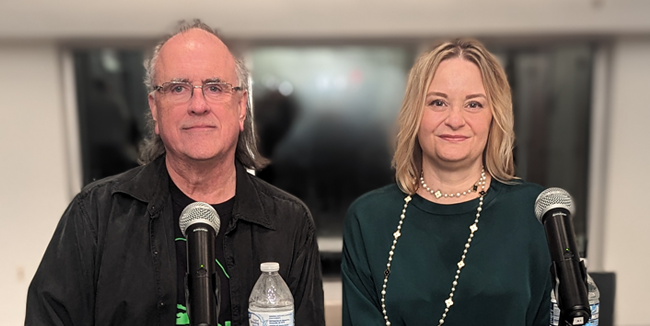
Opera meets neuroscience: Vanderbilt’s Lisa Monteggia discusses the science of Nashville Opera’s ‘The Man Who Mistook His Wife for a Hat’
Lisa Monteggia, Barlow Family Director of the Vanderbilt Brain Institute, joined John Hoomes of the Nashville Opera for a discussion on the art and science behind the Nashville Opera’s The Man Who Mistook His Wife for a Hat. The discussion was part of TPAC’s InsideOut series, which celebrated 20 years of partnership with Vanderbilt this year. Read MoreNov 9, 2023
-
Vanderbilt scientists, research translation experts attend CMT Global Research Convention
School of Medicine Basic Sciences researchers at the forefront of Charcot-Marie-Tooth disease research and therapeutic development join CTTC leadership at CMT Research Foundation global research convention. The CMTRF has invested in further research at Vanderbilt to address the primary genetic cause of disease in patients with CMT disease type 1A. Read MoreSep 29, 2023
-

Erin Calipari receives $2M to study how alcohol use disorder develops in the brain
Vanderbilt Center for Addiction Research Associate Director Erin Calipari, with funding from the National Institute on Alcohol Abuse and Alcoholism, will investigate what happens in the brain that makes individuals return to drinking after periods of abstinence. Read MoreSep 12, 2023
-
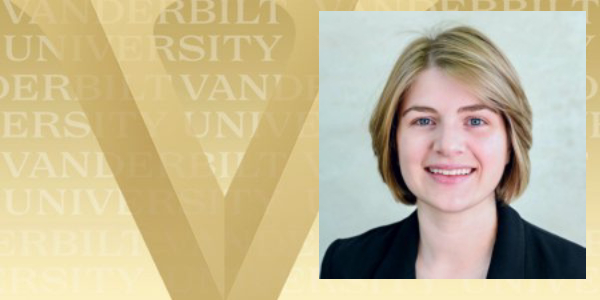
Vanderbilt researcher wins grant to study risk factors for Alzheimer’s disease, dementia in older LGBTQ+ adults; experts present at Alzheimer’s conference
Experts in research on Alzheimer’s disease and related dementias share their latest findings at the 2023 Alzheimer’s Association International Conference. Nik Lampe, postdoctoral researcher, was awarded a grant to examine the social and medical factors influencing ADRD using data from VUSNAPS. Read MoreAug 31, 2023
-
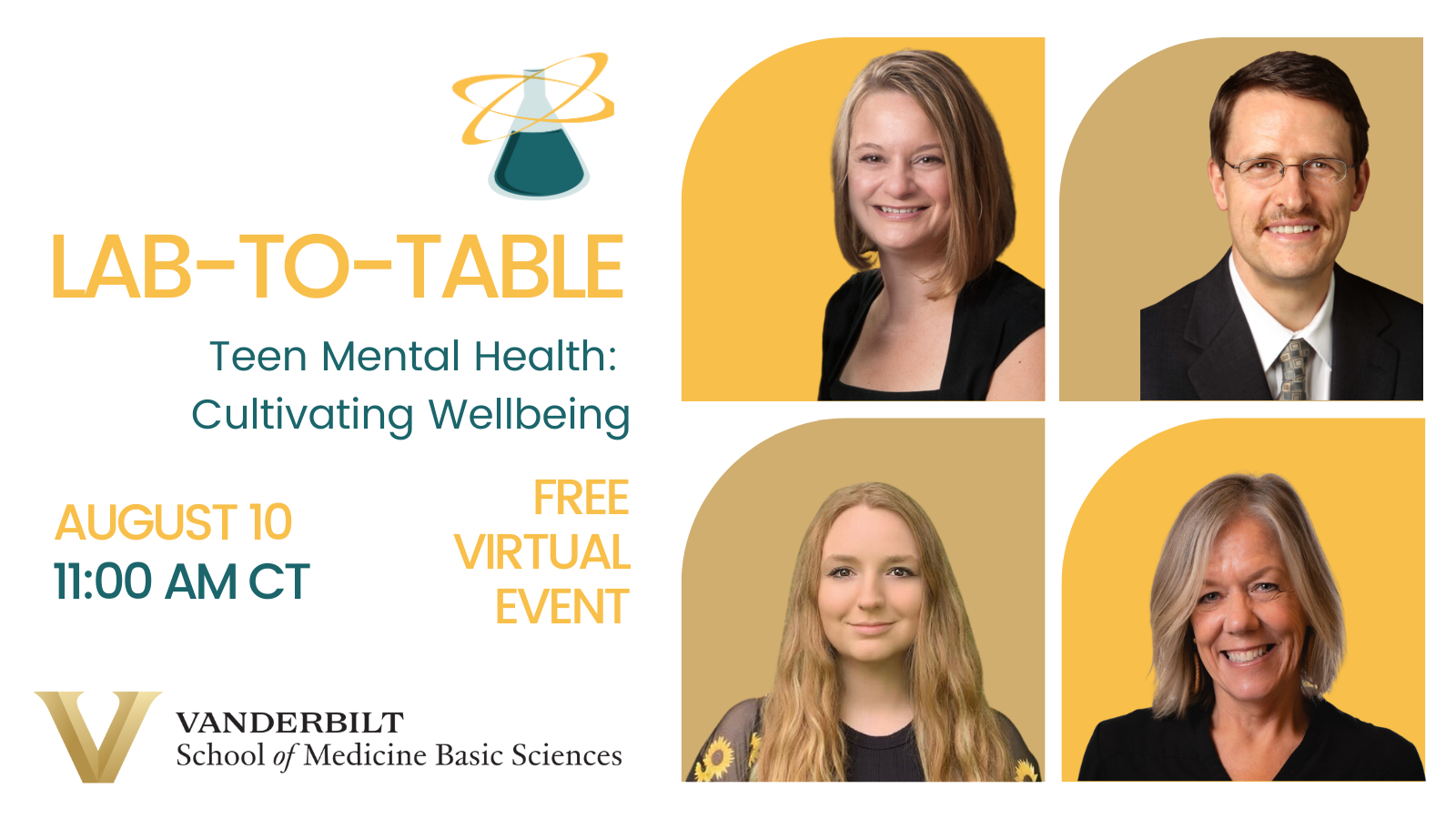
Lab-to-Table Conversation: ‘Teen Mental Health: Cultivating Well-being’ is Aug. 10
After the pandemic, teen mental health has plummeted. Learn the science behind disorders and brain development in the next Lab-to-Table Conversation on Aug. 10. Read MoreJul 31, 2023
-

Vanderbilt neuroscientist leading international research to explore multisensory perception development in children
Neuroscientist Mark Wallace is spearheading a research consortium focused on childhood multisensory perception development. The international team includes researchers from Yale University, Centre Hospitalier Universitaire Vaudois and Italian Institute of Technology. Read MoreJul 24, 2023
-
Vanderbilt’s Carpenter, Monteggia and Rathmell elected to National Academy of Medicine
Christopher Carpenter, Lisa M. Monteggia and W. Kimryn Rathmell have been elected to the National Academy of Medicine for their major contributions to the advancement of medical science, health care and public policy. Read MoreOct 17, 2022
-

Office of the Vice Provost for Research and Innovation renamed to reflect commitment to innovation; Padma Raghavan reappointed vice provost
Padma Raghavan has been reappointed in her role as vice provost, and her title has been updated to vice provost for research and innovation, by Provost and Vice Chancellor for Academic Affairs C. Cybele Raver. Read MoreSep 29, 2022
-
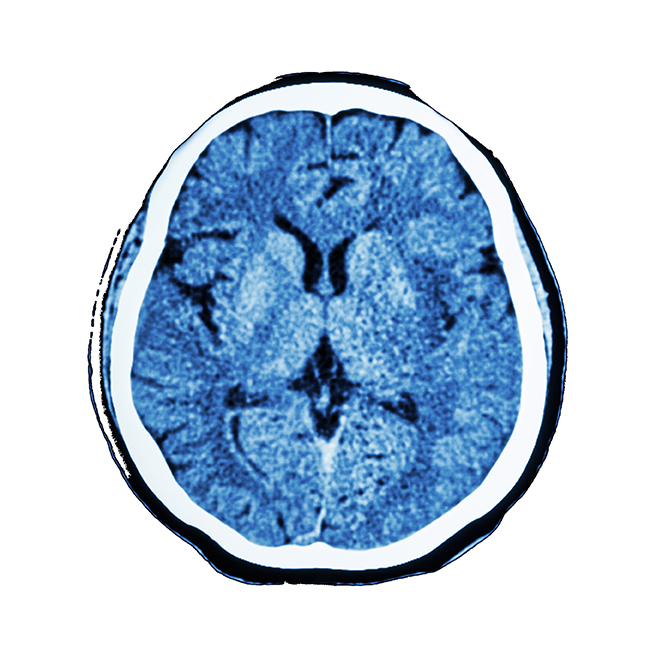
Vanderbilt brain scientist Kari Hoffman wins $3.8M grant to test assumptions about learning and memory
Hoffman will use new immersion and brain recording technology to test memory circuits in the brain that are known to play a role in healthy aging, neurodegenerative disease, brain trauma and the most common type of seizures. Read MoreSep 21, 2022
-
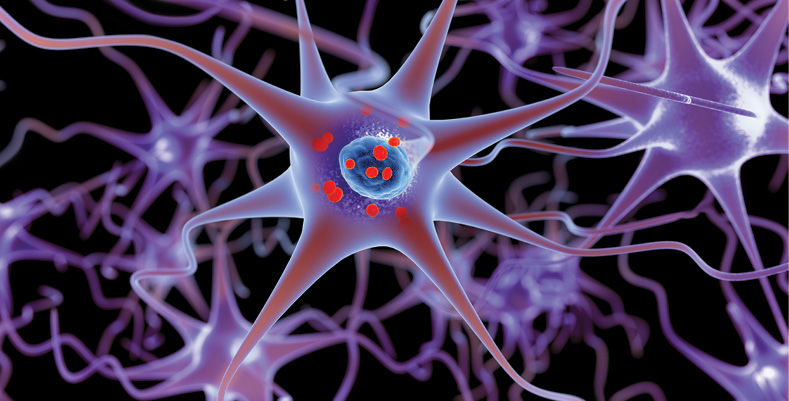
Vanderbilt Brain Institute seminar: ‘Human Neurodevelopmental Disease–From Embryos to Organoids’
The Vanderbilt Brain Institute will host a talk by Paola Arlotta, chair of the Department of Stem Cell and Regenerative Biology and Gould Family Professor of Stem Cell and Regenerative Biology at Harvard University, on Wednesday, May 18, at 4 p.m. CT via Zoom. Read MoreMay 18, 2022
-

NIMH awards $3.4M to Womelsdorf to study how next generation of schizophrenia drugs affects brain networks, cognition
The National Institute of Mental Health has awarded a $3.4 million grant to professor Thilo Womelsdorf to study the underlying mechanisms of action for potential drugs to regulate cognitive function and brain network activity affected in schizophrenia without debilitating side effects. Read MoreApr 28, 2022
-

Vivian Casagrande Lecture in Systems Neuroscience is April 27
The Vanderbilt Brain Institute will host a talk by Murray Sherman, chair of neurobiology, Maurice Goldblatt Professor of Neurobiology and a member of the Committee on Computational Neuroscience at the University of Chicago, on Wednesday, April 27, at 4 p.m. in MRB III, Room 1220. Read MoreApr 27, 2022
-
National Institute of Mental Health director to speak at VU April 6
Joshua A. Gordon, director of the National Institute of Mental Health, will discuss “Challenges and Opportunities in Mental Health Research” on Wednesday, April 6, at 4 p.m. in MRB III, Room 1220. The hybrid event also will be accessible via Zoom. Read MoreApr 1, 2022
-

Rubinov awarded $1.1M to study molecular underpinnings of human brain networks on a large scale
Mikail Rubinov, assistant professor of biomedical engineering, computer science, psychiatry and psychology, has been awarded a four-year, $1.1 million grant from the National Institute of Mental Health to better understand the development and organization of brain networks, as well as their change in development and aging. Rubinov and his collaborators will link aspects of gene expression and... Read MoreMar 17, 2022
-
Biomedical engineer awarded $1.1M to study molecular underpinnings of human brain networks on a large scale
Mikail Rubinov, assistant professor of biomedical engineering, computer science, psychiatry and psychology, has been awarded a four-year, $1.1 million grant from the National Institute of Mental Health to better understand the development and organization of brain networks, as well as their change in development and aging. Read MoreMar 17, 2022
-

Richard Sando awarded 2022 Sloan Research Fellowship in neuroscience
Richard Sando, assistant professor of pharmacology, has been selected to receive a 2022 Sloan Research Fellowship, one of the most competitive and prestigious awards available to early-career researchers. Read MoreFeb 15, 2022
-
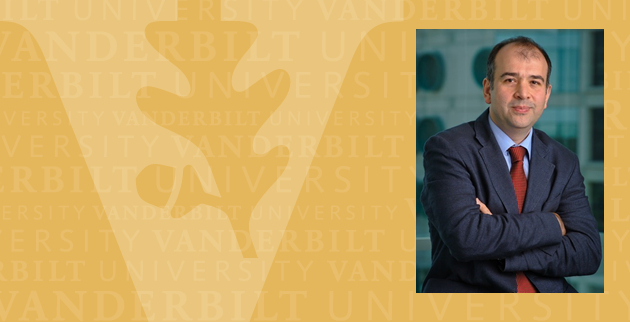
Ege Kavalali to lead pharmacology department in School of Medicine Basic Sciences
Ege T. Kavalali, William Stokes Professor of Experimental Therapeutics, has been named chair of the Department of Pharmacology in the Vanderbilt University School of Medicine Basic Sciences. Read MoreFeb 4, 2022
-
VBI seminar: ‘Cognitive Neuroscience and the Age of Discovery’ Feb. 9
The Vanderbilt Brain Institute will host a talk, “Cognitive Neuroscience and the Age of Discovery,” by B.J. Casey, professor of psychology at Yale University, on Wednesday, Feb. 9 at 4 p.m. CT. Read MoreJan 31, 2022
-
Brain Blast 2022 is March 26
Brain Blast, the Vanderbilt Brain Institute’s annual family-oriented outreach event, is slated for Saturday, March 26, from 10 a.m. to 2 p.m. at the downtown Nashville Public Library. Read MoreJan 23, 2022
-
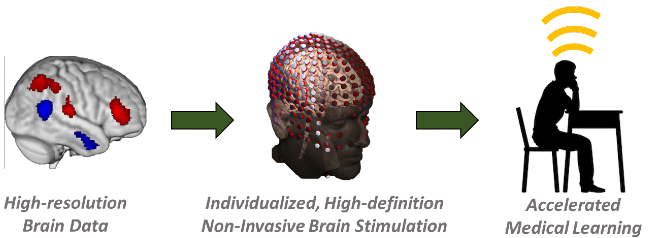
Soldier-inspired innovation incubator team wins $500K first-place prize at xTechBOLT Competition
Applying insights from the emerging field of educational neuroscience, a transdisciplinary team from Vanderbilt University, Soterix Medical and the U.S. Army recently won the $500,000 first-place prize in the U.S. Army Medical Research and Development Command’s xTechBrain Operant Learning Technology (xTechBOLT) prize competition, which seeks to promote high-risk, high-reward research in learning and memory retention. Read MoreJan 21, 2022