Psychology
-

Brain study provides new insight into why haste makes waste
A new study demonstrates how the brain follows Ben Franklin’s famous dictum, “Take time for all things: great haste makes great waste.” Read MoreNov 7, 2012
-

Celebrity endorsements: the more we know, the less we like
When it comes to using a star to endorse a product, new Vanderbilt research finds the less people know about the celebrity’s personal opinions, the better. Read MoreAug 3, 2012
-
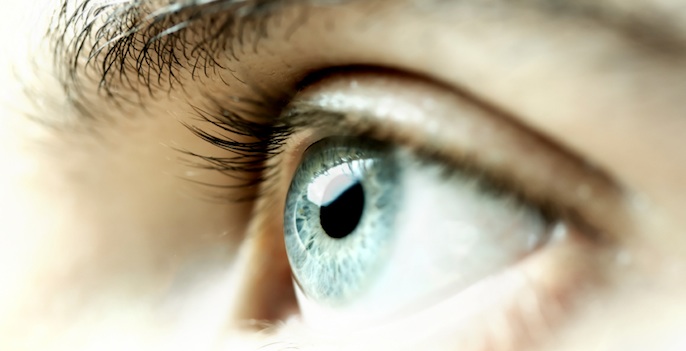
Vision study changes how we see the brain
Vanderbilt researchers have discovered that the pulvinar, a mysterious structure buried in the center of our brains, determines how we see the world — and whether we see at all. Read MoreMay 10, 2012
-
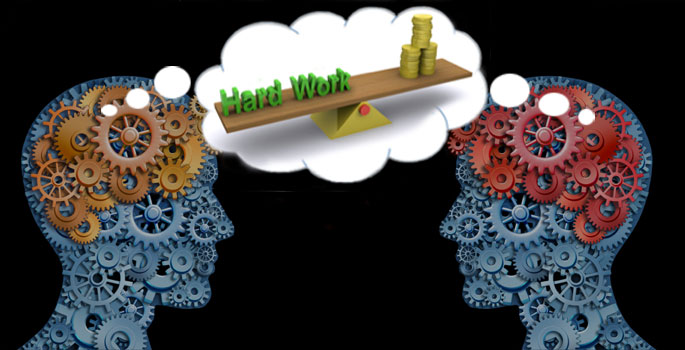
Dopamine impacts your willingness to work
A new brain imaging study that has found an individual’s willingness to work hard to earn money is strongly influenced by the chemistry in three specific areas of the brain. Read MoreMay 1, 2012
-

Crime and punishment: the neurobiological roots of modern justice
Neuroscientists from Vanderbilt and Harvard have proposed the first neurobiological model for third-party punishment, outlining potential cognitive and brain processes that evolutionary pressures could have re-purposed to make this behavior possible. Read MoreApr 18, 2012
-

Breakdown of white-matter pathways affects decisionmaking as we age
A brain-mapping study has found that people's ability to make decisions in novel situations decreases with age and is associated with a reduction in the integrity of two specific white-matter pathways. Read MoreApr 11, 2012
-

Minds wide open: Neuroscience at Vanderbilt
Vanderbilt University has emerged as one of the nation’s leading academic centers in neuroscience. Read MoreApr 6, 2012
-

Vanderbilt autism experts available for World Autism Day, National Autism Awareness Month
Autism experts from Vanderbilt University are available for interviews on World Autism Awareness Day, designated by the United Nations as April 2. Read MoreMar 30, 2012
-
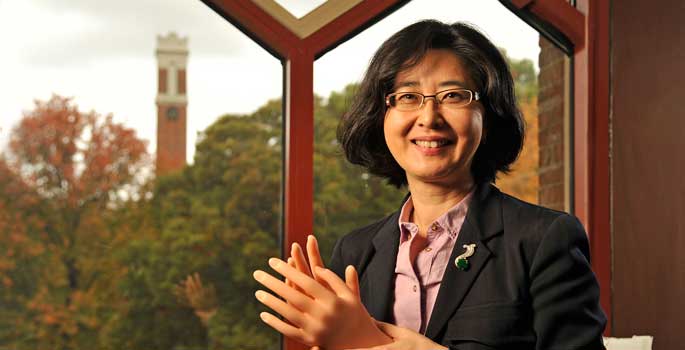
Beautiful minds: Sohee Park explores the schizophrenic brain
Sohee Park's schizophrenia research may lead to a greater understanding of the benefit of movement therapies such as yoga and dance for the 2.2 million people in the United States who suffer from this mental disorder. Read MoreMar 29, 2012
-

MSNBC Video: The science behind political thinking
Jonathan Metzl, director of the Center for Medicine, Health and Society, explains the science behind how the brain weighs decisions and forms political beliefs on the "Melissa Harris-Perry" show. Read MoreMar 26, 2012
-

Shyness study examines how brain adapts to stimuli
Shyness may be caused by deficits in the brain. Read MoreMar 9, 2012
-

Psychology Today: Must cutting calories lead to binge eating?
Vanderbilt psychologist David Schlundt weighs in on the issue of whether or not cutting calories is bound to lead to binge eating and explains why we need to "personalize" our diets. Read MoreFeb 10, 2012
-
Beautiful Minds
Sohee Park’s research explores the impaired and enhanced abilities of the schizophrenic brain Sohee Park (John Russell/Vanderbilt) The “rubber hand illusion” is not a new scientific method, but Sohee Park has used it to make some groundbreaking discoveries about schizophrenia. RHI, which was discovered in 1998, is… Read MoreFeb 1, 2012
-
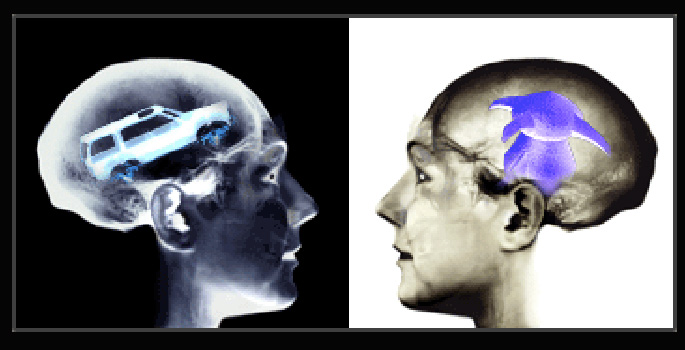
NSF renews grant for scientists who study how the brain acquires visual expertise
A network of scientists who study how the brain acquires visual expertise has received a five-year renewal of support from the National Science Foundation. Read MoreNov 3, 2011
-

Kudos
Greg Barz (Vanderbilt) Greg Barz, associate professor of ethnomusicology, has co-edited a volume of essays, The Culture of AIDS in Africa: Hope and Healing Through Music and the Arts, published by Oxford University Press. Anne Davis, instructor in law, has been named managing attorney of the Southern Environmental Law… Read MoreNov 1, 2011
-
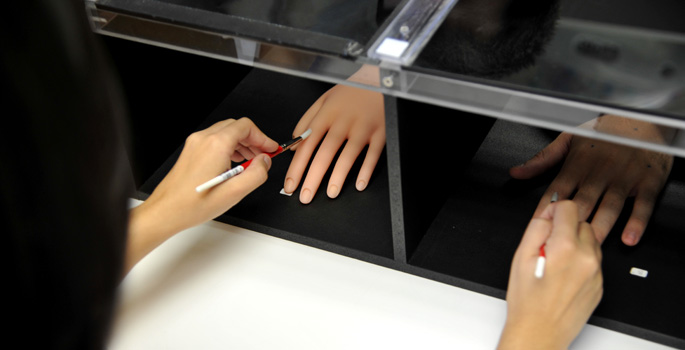
Putting the body back into the mind of schizophrenia
A study using a procedure called the rubber hand illusion has found striking new evidence that people experiencing schizophrenia have a weakened sense of body ownership and has produced the first case of a spontaneous, out-of-body experience in the laboratory. Read MoreOct 31, 2011
-
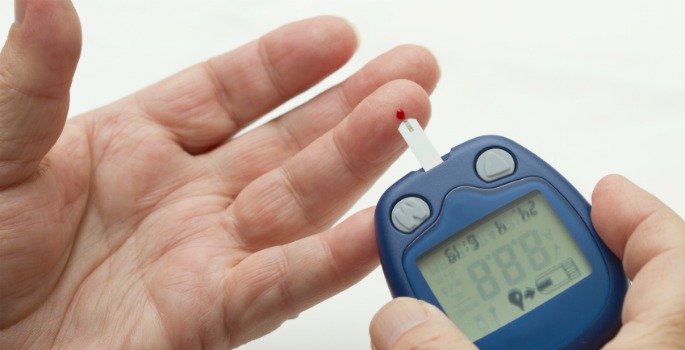
Initiative to help ‘translate’ diabetes research advances
The new Center for Diabetes Translation Research will translate scientific breakthroughs into practices that can be applied in the doctor’s office and the patient’s home. Read MoreOct 21, 2011
-
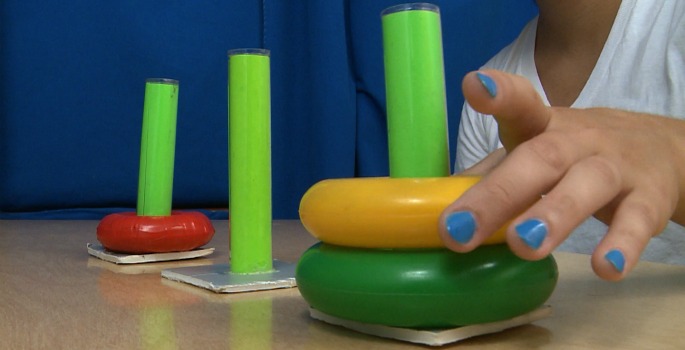
Social audiences disrupt ‘learning by teaching’
The "Tower of Hanoi" task (Courtesy Dan Levin) “Learning by teaching,” a method in which teaching facilitates the tutor’s own understanding, may be improved when the audience is not human, new research from Vanderbilt University’s Peabody College finds. The study, based on research that suggests a person learns… Read MoreOct 19, 2011
-

-
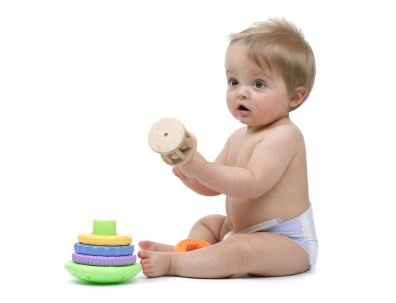
Infants at risk for autism could benefit from motor training
Early motor experiences can shape infants’ preferences for objects and faces, new research indicates. The study supports evidence that early motor development and experiences contribute to infants’ understanding of their world and implies that when motor skills are delayed or impaired – as in autism – future social interactions could be negatively impacted. Read MoreSep 9, 2011