Keivan Stassun
-
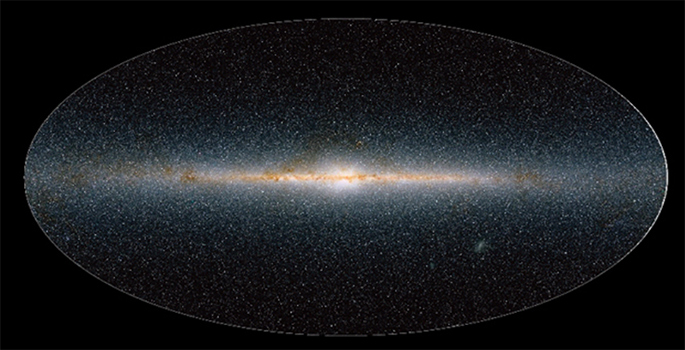
Vanderbilt astronomers continue international effort to map and analyze universe in greater detail than ever
Vanderbilt astronomers will carry out detailed studies of nearby stars orbited by planets with the potential to harbor or sustain life. Read MoreNov 16, 2017
-

Making connections in autism research across VU and VUMC focus of Nov. 17 event
"Surprising Connections in Autism and Innovation,” a day of presentations, poster sessions and cross-discipline conversations, will be held Friday, Nov. 17, at The Commons Center, rooms 237 and 235. Read MoreOct 17, 2017
-
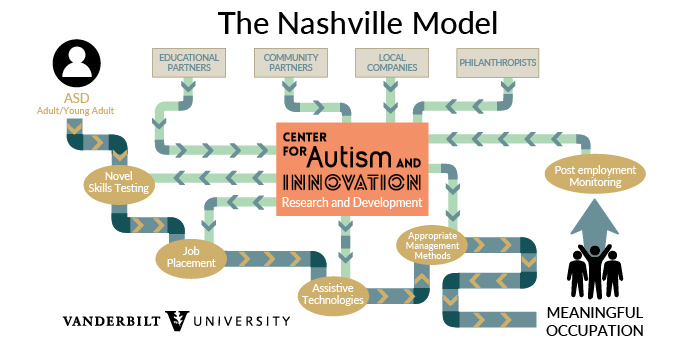
Autism & Innovation center established to help people with ASD find meaningful work
Creating a model pipeline that will assist adults on the autism spectrum find innovative jobs is the purpose of Vanderbilt University’s new Center for Autism & Innovation. Read MoreOct 12, 2017
-
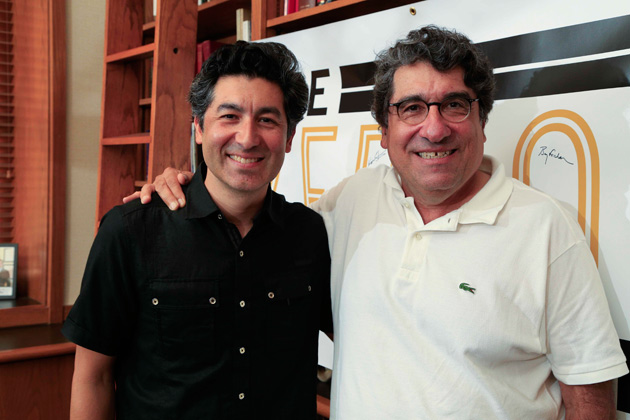
Stellar astrophysicist Keivan Stassun talks about total solar eclipse, scientific wonder on ‘The Zeppos Report’
In prelude to the total solar eclipse on Aug. 21, Chancellor Nicholas S. Zeppos interviews astronomy expert Keivan Stassun on "The Zeppos Report." Read MoreAug 17, 2017
-
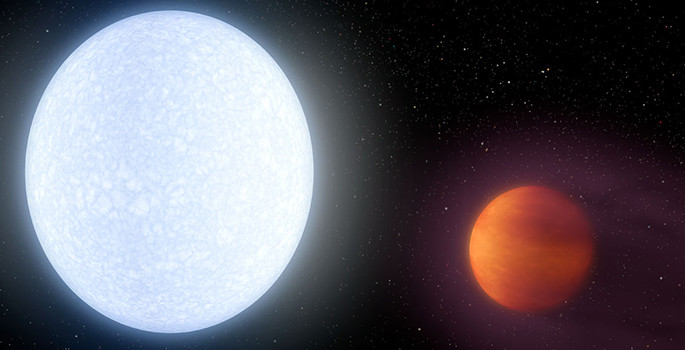
Astronomers discover exoplanet hotter than most stars
Astronomers at Vanderbilt and Ohio State have discovered a planet like Jupiter zipping around its host star every day, boiling at temperatures hotter than most stars with a giant cometary tail. Read MoreJun 5, 2017
-
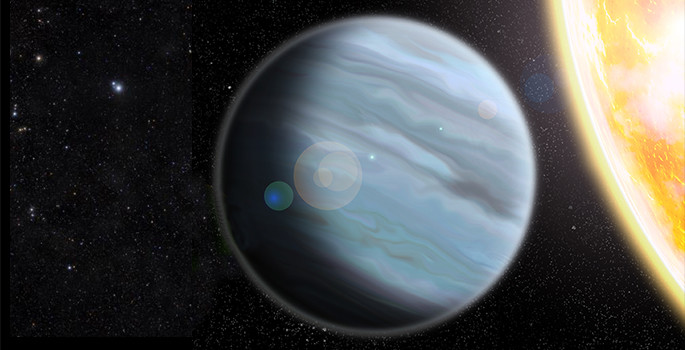
Puffy planet provides opportunity for testing alien worlds for signs of life
Astronomers from Vanderbilt, Lehigh and Ohio State universities have discovered a “puffy planet" with the density of Styrofoam that is an excellent test-bed for probing exoplanets for signs of life. Read MoreMay 18, 2017
-
Meet the Astronomer: Dr. Keivan Stassun
During this talk, Dr. Keivan Stassun summarizes the promise of the TESS mission for detecting other worlds like our own and identifying other places in the universe where life just might be possible. This talk took place at Vanderbilt Dyer Observatory on March 3rd, 2017. Read MoreMar 3, 2017
-
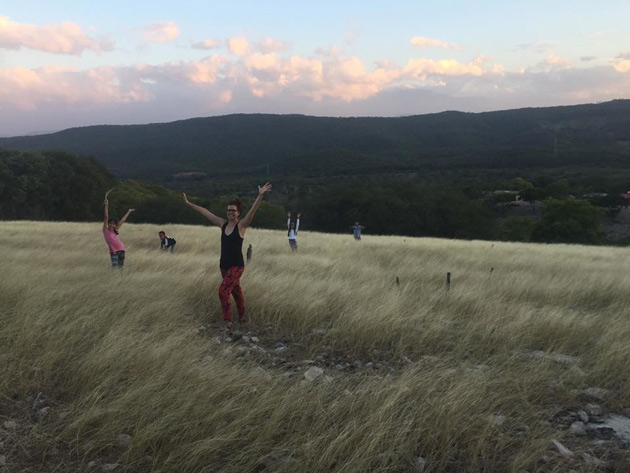
Anthropology graduate student named national Humanities Without Walls fellow
Emma Banks, a Vanderbilt Ph.D. candidate and graduate research assistant in anthropology, has been selected as a National Humanities Without Walls PreDoctoral Fellow for 2017. Read MoreJan 24, 2017
-
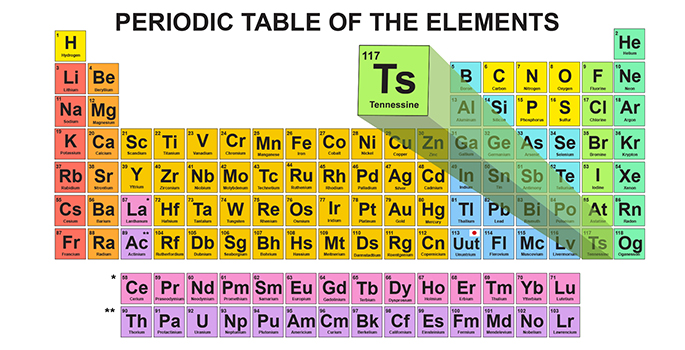
Research that ruled in 2016: Readers’ favorite stories
Artificial kidneys, gay-straight alliances and junkyard batteries captured readers' attention in 2016. Read MoreDec 16, 2016
-
Building stronger, more diverse pipeline of future faculty is aim of new postdoctoral program
An ambitious postdoctoral training initiative designed to prepare recently graduated doctorates for competitive academic careers will launch later this year, Chancellor Nicholas S. Zeppos announced Oct. 24. Read MoreOct 24, 2016
-
Vanderbilt physicists Keivan Stassun and Kalman Varga elected APS fellows
Two Vanderbilt physicists, Keivan Stassun and Kalman Varga, have been elected fellows of the American Physical Society. Read MoreOct 18, 2016
-
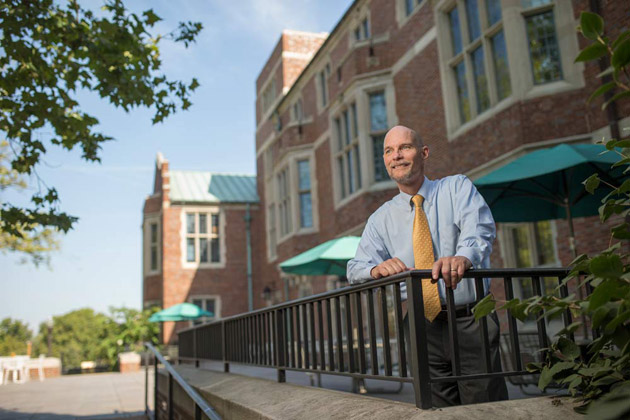
Expanding the Landscape: Graduate School refocuses on inclusion, more holistic approach
When Vanderbilt’s Graduate School relocated to Alumni Hall earlier this year, it was more than just a routine move from one office space to another. In a broader sense, it also represented a shift in philosophy—away from the more traditional notion of graduate education and toward a more holistic approach that better equips students for today’s fast-changing and heavily interconnected world. Read MoreOct 5, 2016
-
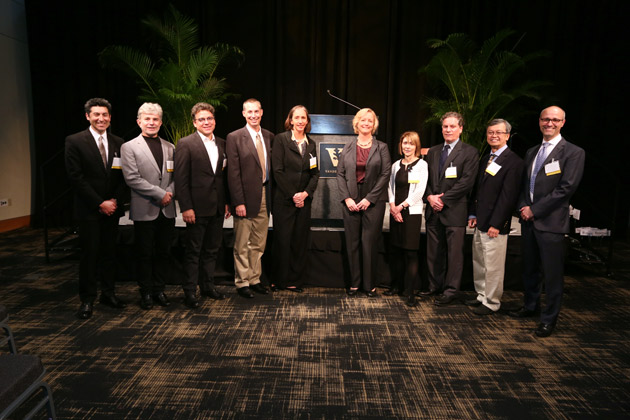
Celebration honors nine endowed chair recipients
Nine faculty members who hold endowed chairs were honored and donors were thanked during a festive celebration Sept. 26 at the Student Life Center. Read MoreSep 28, 2016
-
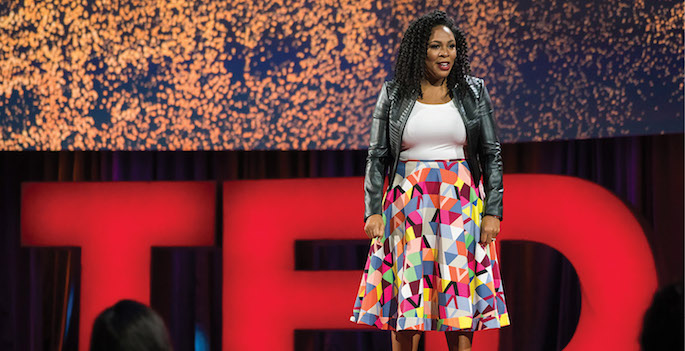
Vanderbilt astrophysicist makes ‘The Root’s’ 100 List of Black Influencers
Vanderbilt astrophysicist Jedidah Isler has joined Beyoncé, LeBron James and Serena Williams as a member of The Root’s 100 List of Black Influencers. Read MoreSep 27, 2016
-
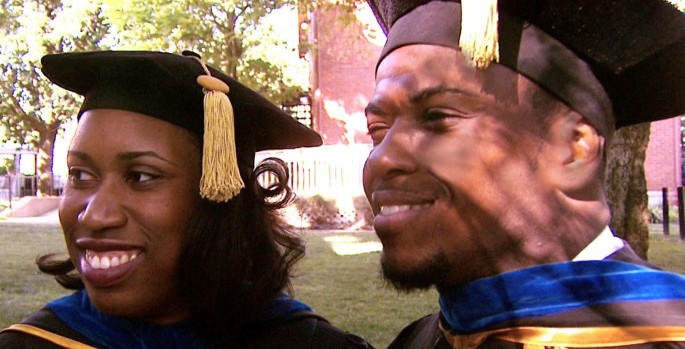
The Chronicle of Higher Education: Building a Better ‘Bridge’ to the Ph.D.
The Fisk-Vanderbilt Master's-to-Ph.D. Bridge Program, which supports minority STEM graduate students, is the subject of a feature story in the Chronicle of Higher Education. Read MoreMay 19, 2016
-
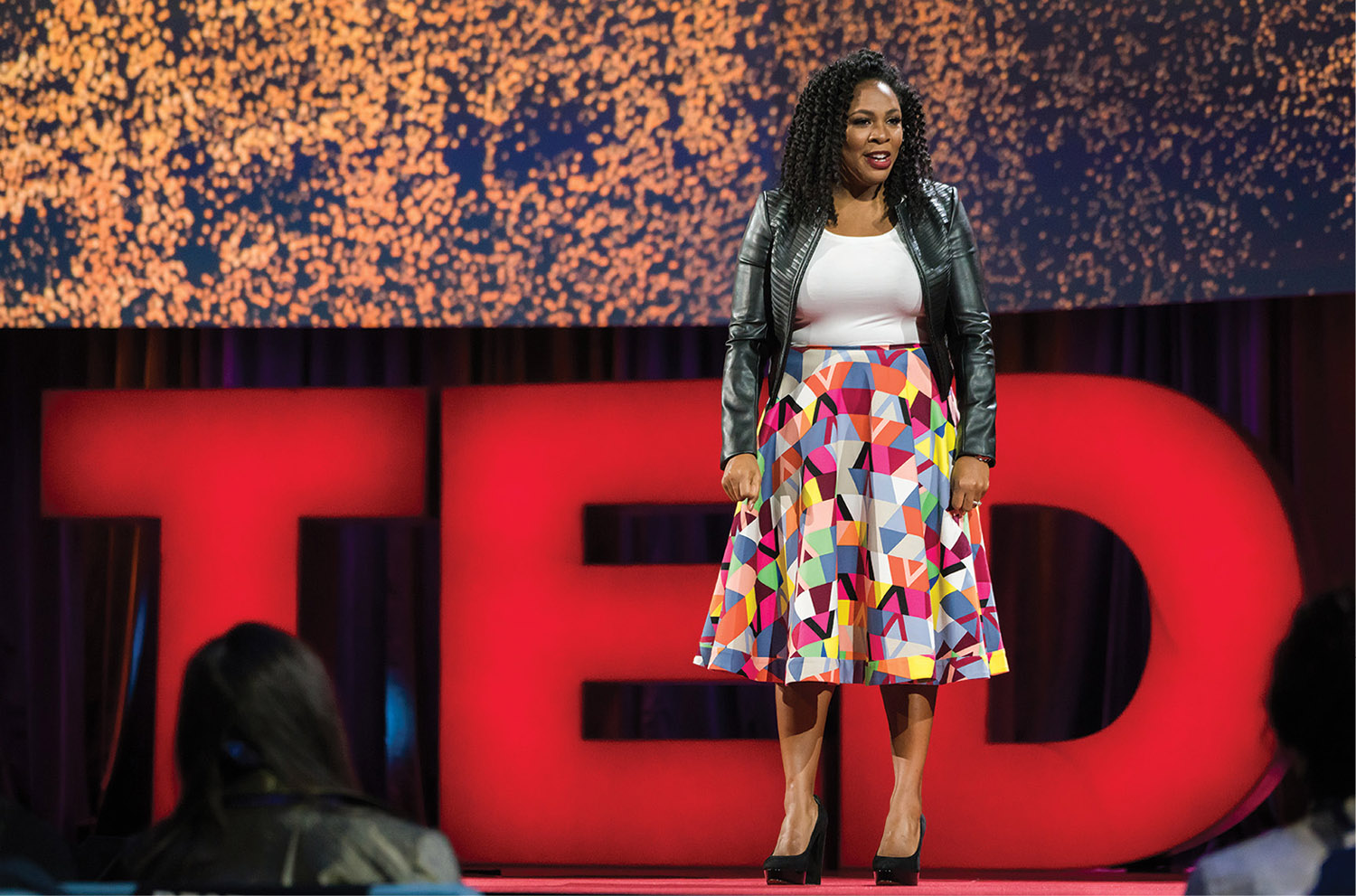
Rising Star: Jedidah Isler Is Forging New Paths in Astrophysics—and Diversity Among Aspiring Scientists
Jedidah Isler, a National Science Foundation postdoctoral fellow in Vanderbilt’s Department of Physics and Astronomy, has emerged as an increasingly high-profile advocate for diversity among science, technology, engineering and mathematics researchers. Read MoreMay 12, 2016
-
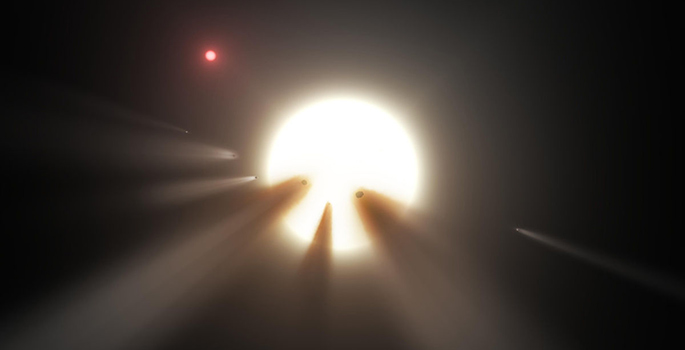
New study supports natural causes, not alien activity, explain mystery star’s behavior
The results of a new study make it far less likely that KIC 8462852, popularly known as Tabby’s star, is the home of industrious aliens who are gradually enclosing it in a vast shell called a Dyson sphere, a theory that went viral over the past year. Read MoreMay 9, 2016
-
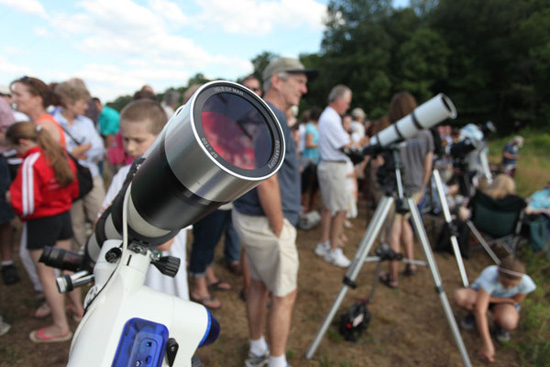
CANCELED: View rare daytime astronomical event at Dyer Observatory May 9
Visitors will have the unusual opportunity to safely view the planet Mercury as it transits directly across the face of the sun using Dyer Observatory’s solar telescopes. Read MoreApr 26, 2016
-
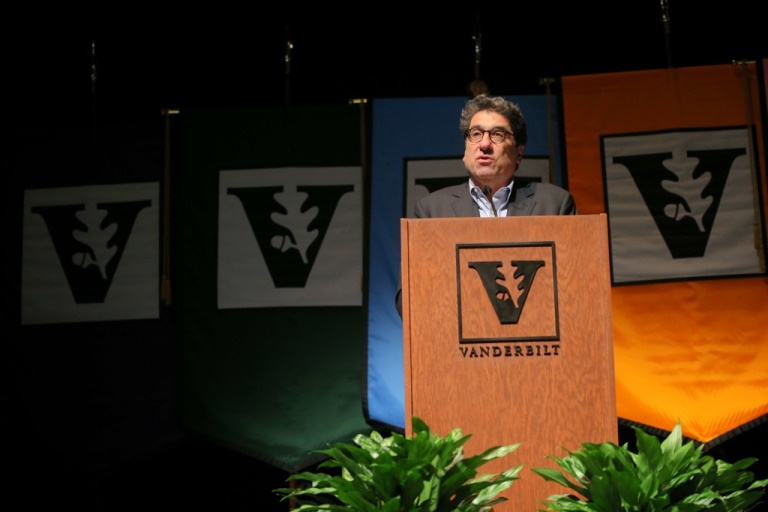
Chancellor reviews a year of dialogue, change and renewed energy at Spring Faculty Assembly
Chancellor Nicholas S. Zeppos discussed the implementation of the university’s Academic Strategic Plan, the university and Medical Center transition to two separate legal and financial entities, groundbreaking research, and the university's examination of what community looks like at Vanderbilt in his Spring Faculty Assembly address. Read MoreApr 1, 2016
-
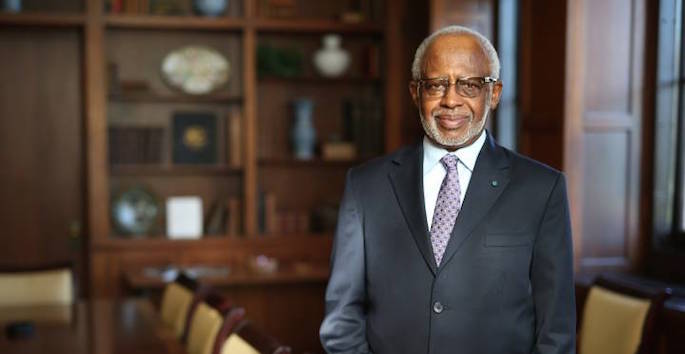
Hill to convene first meeting of Vice Chancellor’s Advisory Council on diversity, equity and inclusion
Eleven faculty members from across campus have been invited to serve on the Vice Chancellor’s Advisory Council, which will provide input to George Hill, vice chancellor for equity, diversity and inclusion and chief diversity offer. Read MoreMar 4, 2016