Keivan Stassun
-
Meet the Astronomer: Dr. Keivan Stassun
During this talk, Dr. Keivan Stassun summarizes the promise of the TESS mission for detecting other worlds like our own and identifying other places in the universe where life just might be possible. This talk took place at Vanderbilt Dyer Observatory on March 3rd, 2017. Read MoreMar 3, 2017
-
Research that ruled in 2016: Readers’ favorite stories
Artificial kidneys, gay-straight alliances and junkyard batteries captured readers' attention in 2016. Read MoreDec 16, 2016
-

Rising Star: Jedidah Isler Is Forging New Paths in Astrophysics—and Diversity Among Aspiring Scientists
Jedidah Isler, a National Science Foundation postdoctoral fellow in Vanderbilt’s Department of Physics and Astronomy, has emerged as an increasingly high-profile advocate for diversity among science, technology, engineering and mathematics researchers. Read MoreMay 12, 2016
-
New study supports natural causes, not alien activity, explain mystery star’s behavior
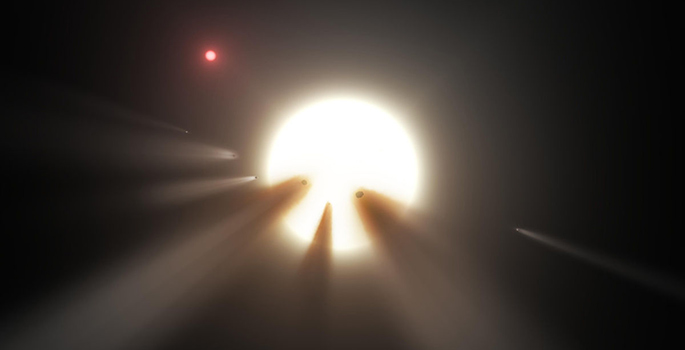
The results of a new study make it far less likely that KIC 8462852, popularly known as Tabby’s star, is the home of industrious aliens who are gradually enclosing it in a vast shell called a Dyson sphere, a theory that went viral over the past year. Read MoreMay 9, 2016
-
Longest-lasting stellar eclipse discovered
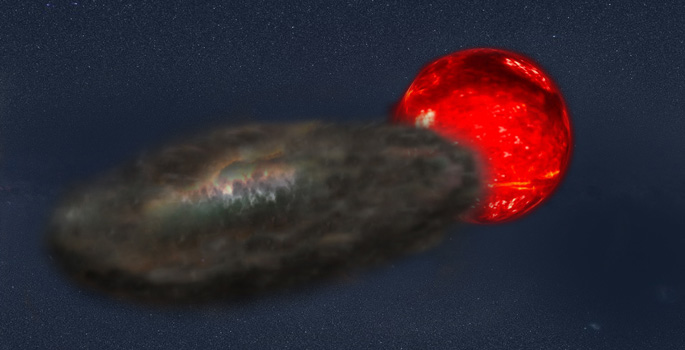
Astronomers have discovered an unnamed pair of stars that sets a new record for both the longest duration stellar eclipse (3.5 years) and longest period between eclipses (69 years) in a binary system. Read MoreFeb 17, 2016
-
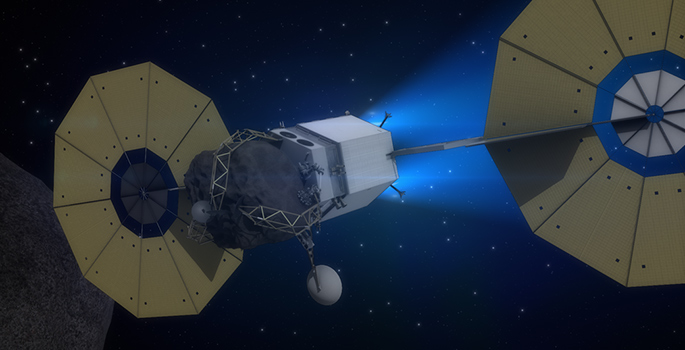
New detector perfect for asteroid mining
A new generation of gamma-ray spectrometer being developed by researchers and students in the Fisk-Vanderbilt Master's-to-Ph.D. Bridge program is perfectly suited for detecting valuable minerals hidden within the asteroids, comets, moons and minor planets in the solar system. Read MoreNov 19, 2015
-

Research Roundup, Summer 2015
Creating artificial human capillary blood vessels using cotton candy and gelatin | Increasing and improving retention of underrepresented minority students in STEM fields Read MoreJul 31, 2015
-
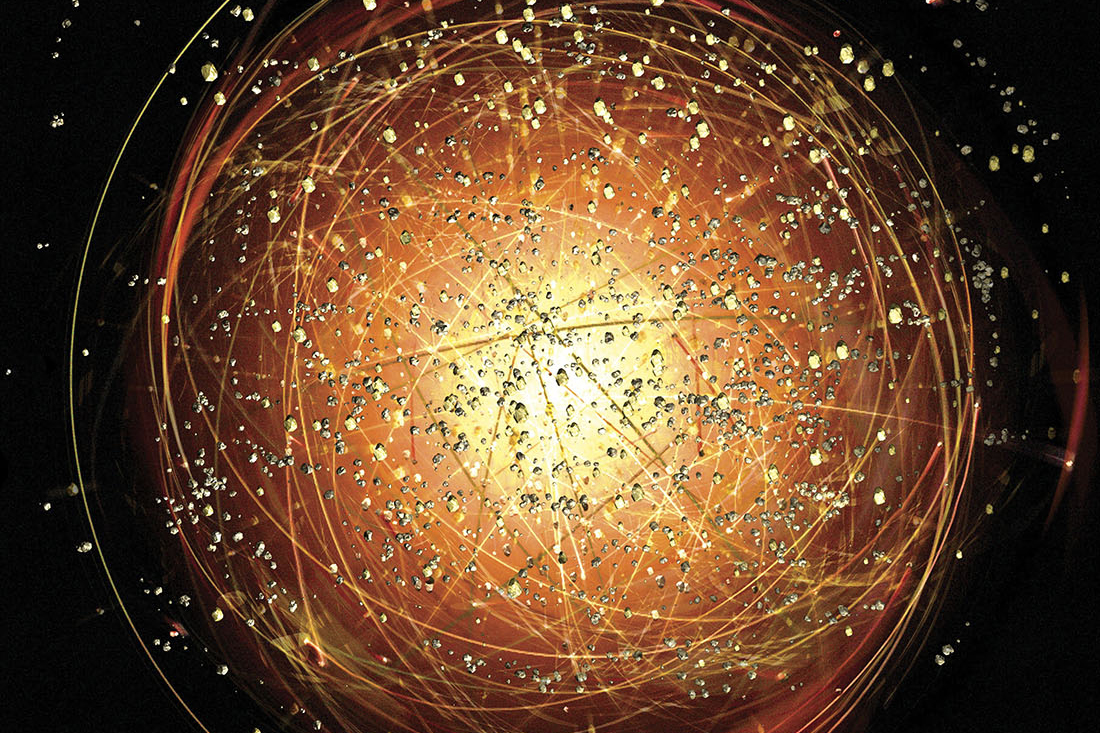
The Search for Earth-Like Planets
Researchers have developed a model that estimates the effect that a star's diet has on its chemical composition. This model will add substantially to astronomers’ understanding of the process of planet formation as well as assist in the ongoing search for Earth-like exoplanets. Read MoreSep 26, 2014
-
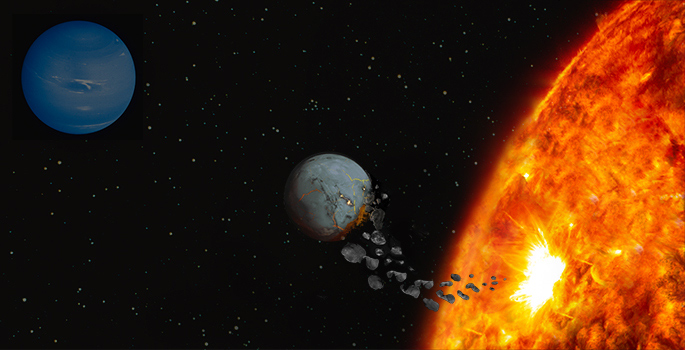
Astronomers identify signature of Earth-eating stars
Vanderbilt astronomers have developed a model that predicts the effect that ingesting earth-like planets has on the chemical composition of stars like the Sun -- a capability that can aid in efforts to find Earth-like exoplanets. Read MoreMay 16, 2014
-
VUCast: Preventing the next pandemic
Researchers work to prevent possible bird flu pandemic How stars solve mysteries of the universe And conquering the video gaming industry Vandy style? All this and more in this week’s VUCast, Vanderbilt’s online newscast. Watch now. [vucastblurb]… Read MoreSep 18, 2013
-

A brighter method for measuring the surface gravity of distant stars
Astronomers have found a clever new way to slice and dice the flickering light from a distant star in a way that reveals the strength of gravity on its surface. Read MoreAug 21, 2013
-
Nashville Scene Innovations 2013: True grit
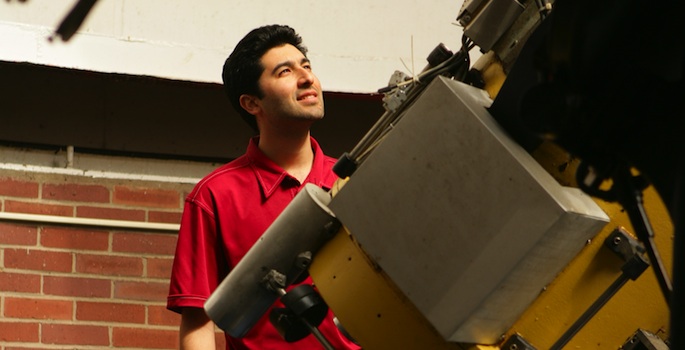
Fisk and Vanderbilt's Bridge Program mentors talented minority students pursuing advanced science degrees. Keivan Stassun, professor of astronomy and director of the Fisk-Vanderbilt Masters-to-Ph.D. Bridge Program, is quoted. Read MoreAug 9, 2013
-

Little telescope discovers metal-poor cousin of famous planet
A scientific team led by University of Louisville doctoral student Karen Collins has discovered a hot Saturn-like planet in another solar system 700 light years away. The discovery was made using inexpensive ground-based telescopes, including one specially designed to detect exoplanets and jointly operated by astronomers at Ohio State University and Vanderbilt University. Read MoreJun 5, 2013
-
Vanderbilt’s role in new planet-finding space mission
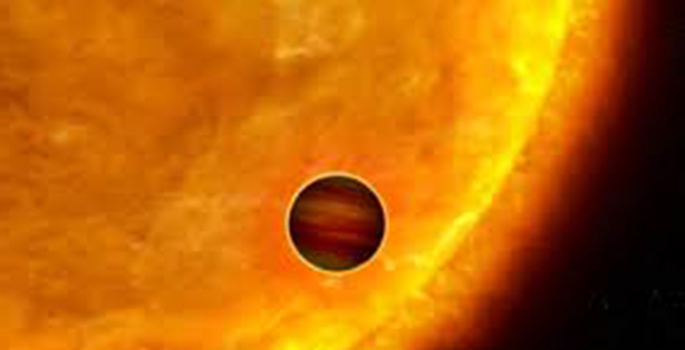
A team of Vanderbilt astronomers will play a key role in the planet-seeking space telescope that NASA has just approved and scheduled for launch in 2017. Read MoreMay 1, 2013
-
The New Face of Science: How Vanderbilt became a top producer of minority Ph.D.s in STEM
This year the Fisk–Vanderbilt Master’s-to-Ph.D. Bridge program, directed by Keivan Stassun, professor of astronomy, will become the nation’s No. 1 producer of minority Ph.D. recipients in physics, astronomy and materials science. Read MoreApr 16, 2013
-
How Vanderbilt became the nation’s top producer of minority Ph.D recipients in physics, astronomy and materials science
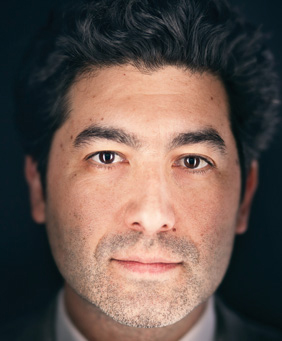
Not long after he arrived at Vanderbilt nine years ago, Keivan Stassun, professor of astronomy, began building on a newly forged alliance with Fisk University, a historically black college just two miles from the Vanderbilt campus, in an effort to increase the number of African Americans, Latinos, Native Americans… Read MoreFeb 18, 2013
-
Stassun on Producing Minority Ph.D. Recipients
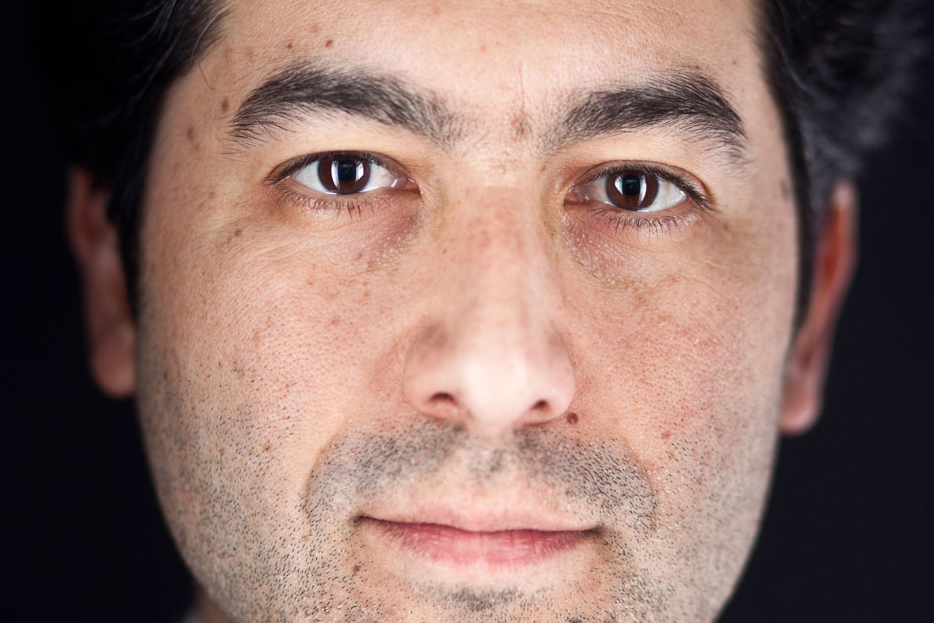
Not long after he arrived at Vanderbilt nine years ago, Keivan Stassun, professor of astronomy, began building on a newly forged alliance with Fisk University, a historically black college just two miles from the Vanderbilt campus, in an effort to increase the number of African Americans, Latinos, Native Americans and other minorities earning Ph.D. degrees in science. Read MoreJan 14, 2013
-
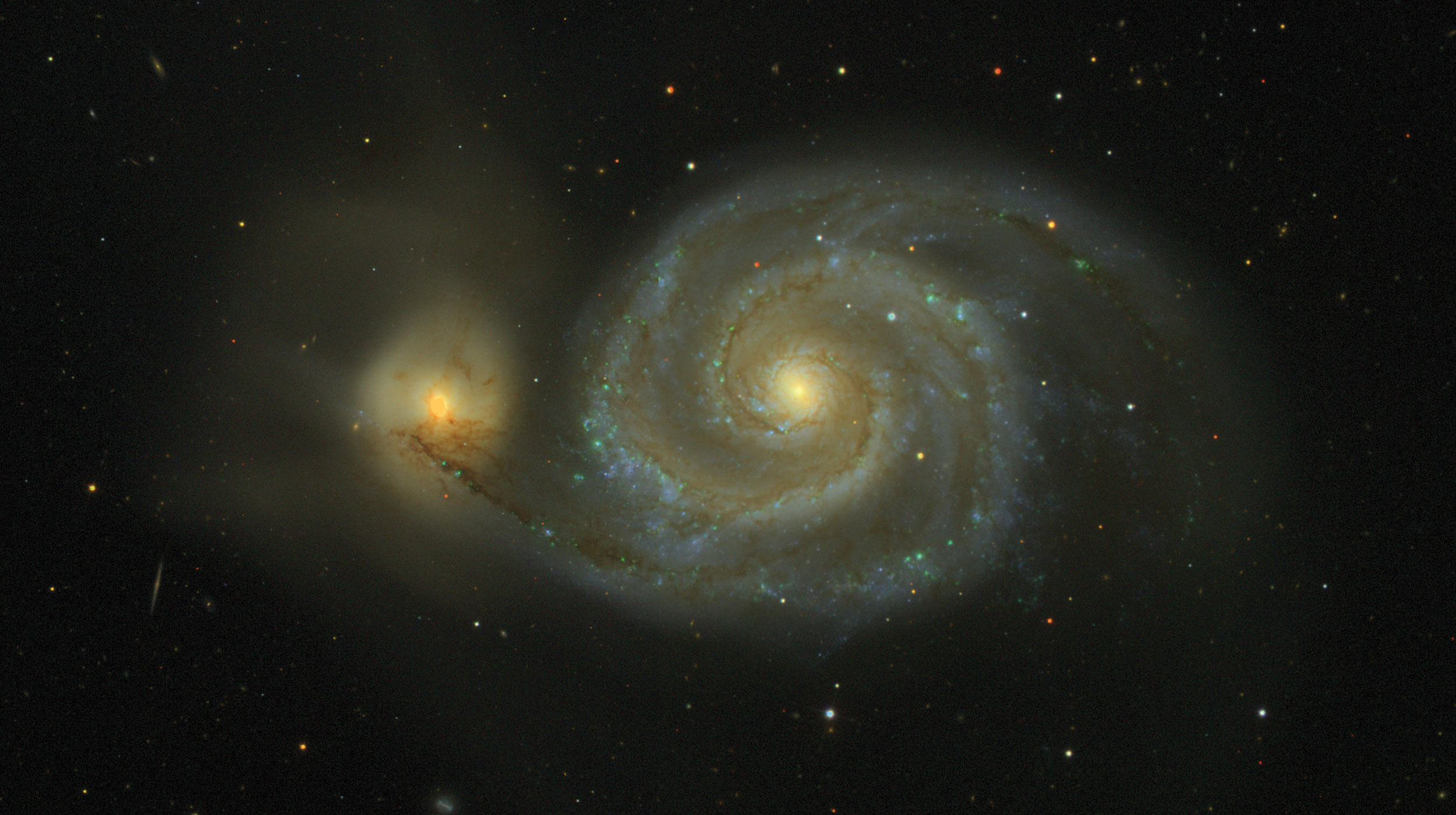
Largest 3-D Map of Universe Released to Public
Stargazers, rejoice: The largest-ever 3-D map of the universe has been released to the public. The new map contains images of 200 million galaxies. Read MoreJan 11, 2013
-
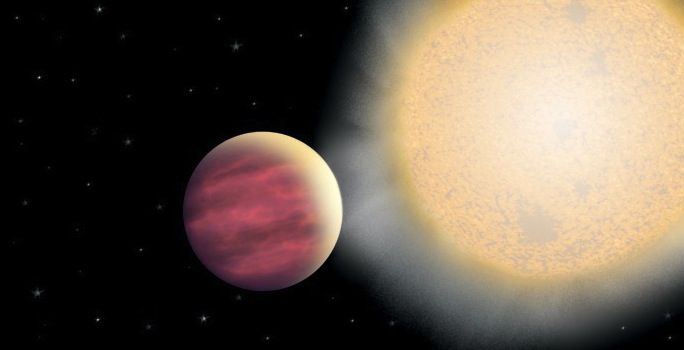
“Extremely little” telescope discovers pair of odd planets
A small telescope with a lens no more powerful than a high-end digital camera has discovered the existence of two very unusual exoplanets. Read MoreJun 13, 2012
-
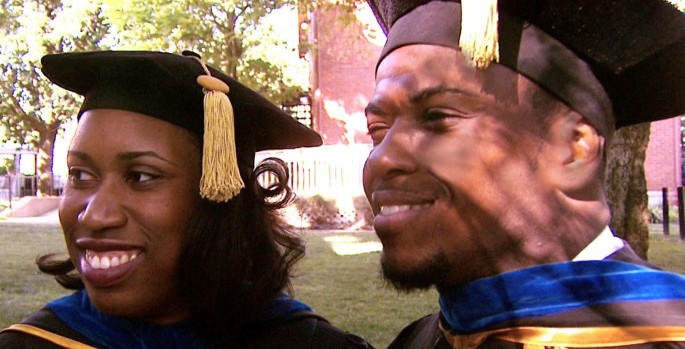
VUCast Extra: Bridging the Gap in the Sciences
Vanderbilt is on track this year to become the number one producer of minority Ph.D. recipients in physics, astronomy and materials science, an area where minorities are grossly underrepresented. Watch the emotional journey of the latest doctoral graduates from the Fisk-Vanderbilt-Master’s-to-Ph.D. Bridge Program. [vucastblurb]… Read MoreJun 8, 2012