Genetics
-
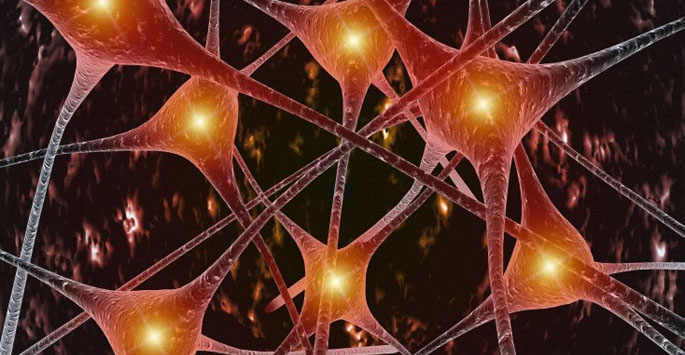
Neuronal subtypes in genetic disorder
Inhibitory neurons that connect and regulate signaling in the brain (interneurons) may contribute to epilepsy and autism in patients with tuberous sclerosis complex. Read MoreSep 6, 2012
-

Vanderbilt identifies genes linked to breast cancer chemo resistance
A study led by Vanderbilt-Ingram Cancer Center investigators has identified a gene expression pattern that may explain why chemotherapy prior to surgery isn’t effective against some tumors and suggests new therapy options for patients with specific subtypes of breast cancer. Read MoreJun 11, 2012
-

Common genetic signals for atrial fibrillation decoded
An international study co-led by researchers at Vanderbilt University has uncovered six new “susceptibility loci,” chromosomal regions located in or near genes that may play a role in atrial fibrillation, the most commonly diagnosed heart condition. Read MoreJun 8, 2012
-
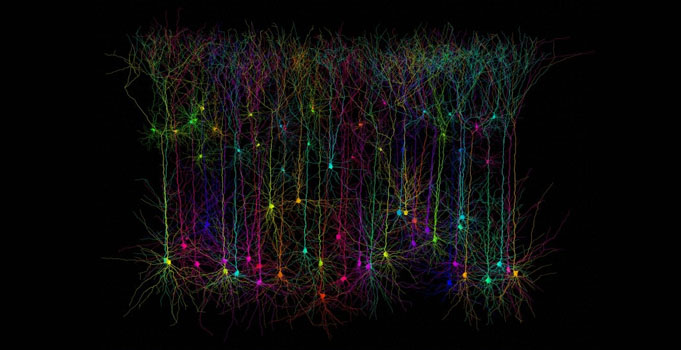
New clue to ADHD
A rare genetic change adds support to the idea that altered dopamine signaling is a key risk factor for ADHD. Read MoreMay 15, 2012
-

Vanderbilt researchers help reveal complex role of genes in autism
Mutations in hundreds of genes involved in wiring the brain may contribute to the development of autism spectrum disorders (ASD). Read MoreApr 4, 2012
-
New York Times: Study says DNA’s power to predict illness is limited
Vanderbilt University is already doing genetic analyses of patients to help in developing a shortlist of effective drugs, says Dr. William Schaffner, chairman of the department of preventive medicine at its medical school. Read MoreApr 3, 2012
-

Vanderbilt cancer investigators win two national GE cancer research grants
Vanderbilt-Ingram Cancer Center investigators have won two of the five global innovation grants awarded by the “GE Healthymagination Cancer Challenge.” Read MoreMar 28, 2012
-

Investigators seek clues to paradox of atrial fibrillation risk
Vanderbilt researchers are seeking genetic clues to explain why risk factors for AF are more prevalent in African-Americans but their incidence of the disease is lower than European-Americans. Read MoreFeb 17, 2012
-

Tool finds connections in genome data
A new analytical tool points to genes that act together to increase disease risk. Read MoreFeb 8, 2012
-

Obesity genes linked to uterine cancer
In addition to body mass index, genetic markers of obesity may provide value in predicting endometrial cancer risk. Read MoreJan 20, 2012
-

Study applies random genotype sets to new disease
A new study in the American Journal of Human Genetics, led by Vanderbilt researchers Josh Denny, M.D., M.S., and Dana Crawford, Ph.D., takes random volumes of human genotypes and matches them with data siphoned from de-identified medical records and sheds new light on the genetic basis of the common… Read MoreJan 5, 2012
-
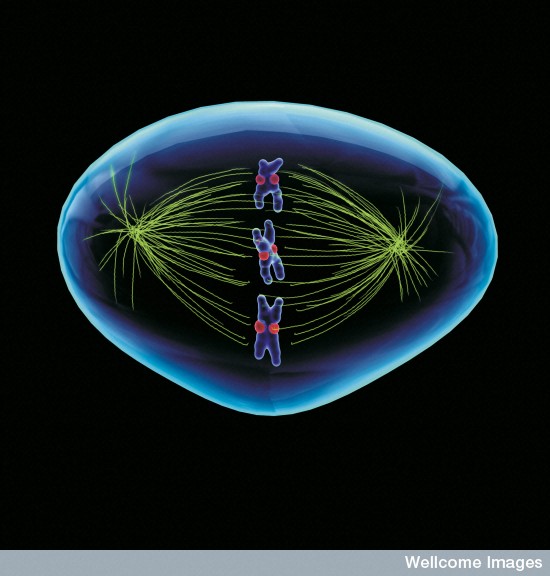
Divvying up chromosomes
Protein helps ensure proper division of chromosomes during cell division. Read MoreDec 15, 2011
-

Skeletal defects in genetic disorder
A new mouse model provides a tool for testing novel therapeutic approaches for neurofibromatosis. Read MoreNov 18, 2011
-
Project seeks to apply gene testing to drug prescribing
The U.S. Centers for Disease Control and Prevention has awarded Vanderbilt researchers a two-year, $1 million grant to Vanderbilt to develop a model for applying genomic testing to drug prescribing in “real-world” settings. Read MoreNov 11, 2011
-

Vanderbilt doctors to screen patients taking statins for genetic risk factors
Vanderbilt University Medical Center doctors announced today they will begin screening patients who take commonly prescribed statin drugs for a rare genetic variation that can increase risks for side effects from these drugs such as muscle aches, kidney damage and even death. Read MoreOct 28, 2011
-
Examining the ethics of sharing genetic risk information
Should scientists inform participants in genomic studies about their risk for diseases or conditions discovered during the studies, and if so, when and how? A Vanderbilt professor is part of a team working to answer these questions. Read MoreSep 28, 2011
-
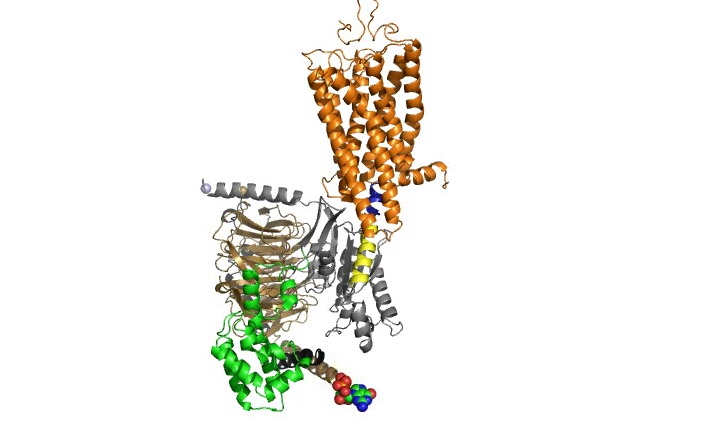
Discovery of how G proteins ‘turn on’ may lead to better drugs
Researchers have discovered how key proteins are “turned on” and transmit signals inside the cell. The discovery could lead to new, more effective drugs. Read MoreAug 18, 2011
-

Jumping genes make the funny pages
Every so often a piece of research makes it into the popular culture. That is the case with the discovery of Vanderbilt biologists Antonis Rokas and Jason Slot that entire gene clusters have jumped between unrelated species of mold millions of years… Read MoreJun 24, 2011
-

Real science in X-Men
First appearance from "Uncanny X-Men" #96. Art by Dave Cockrum. Via Wikipedia. Here’s another reason to love the X-Men: real science. Listen carefully to the dialogue between Professor Charles Xavier and CIA agent Dr. Moira MacTaggart in the new movie, “X-Men: First Class,” and you’ll hear a… Read MoreJun 21, 2011
-

Lecturers explore impact of genomics on race perceptions
The question of whether new discoveries about the human genome will cause racism to fizzle or flare was the topic of the two recent discussions at Vanderbilt. Read MoreMay 13, 2011