Featured Research
-
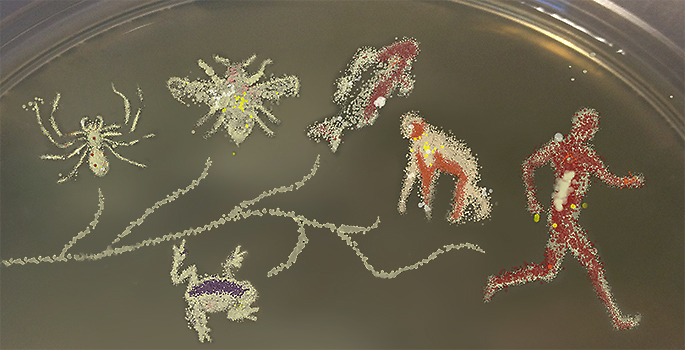
The pronoun ‘I’ is becoming obsolete
Recent microbiological research has shown that plants and animals, including humans, are not autonomous individuals but are holobionts: biomolecular networks that consist of visible hosts plus millions of invisible microbes. Read MoreAug 19, 2015
-

VU Inside: The Latin American Public Opinion Project
The AmericasBarometer survey is the only scientifically rigorous comparative survey that covers all of North, Central, and South America, as well as a significant number of countries in the Caribbean. Read MoreJul 9, 2015
-
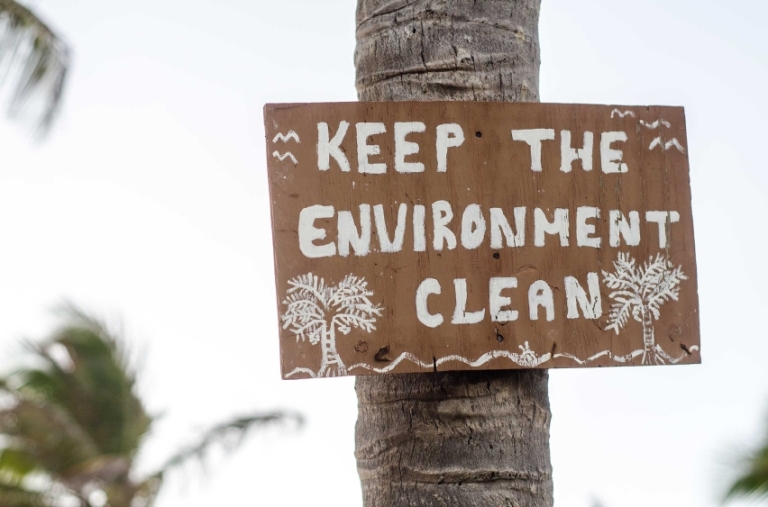
People living in less affluent regions are more environmentally friendly in Latin America, Caribbean
More people than surveyors expected think protection of the environment should be a priority in Latin America and the Caribbean. Read MoreJul 6, 2015
-

New model of cosmic stickiness favors “Big Rip” demise of universe
A Vanderbilt team of scientists have developed a new formulation for cosmic viscosity which strongly favors the "Big Rip" end of the universe. Read MoreJun 30, 2015
-

Vanderbilt-led study finds significant drop in new prostate cancer diagnoses
A new study led by Vanderbilt University Medical Center investigators found new diagnoses of prostate cancer in the U.S. declined 28 percent in the year following the draft recommendation from the United States Preventive Services Task Force against routine PSA screening for men. Read MoreJun 18, 2015
-
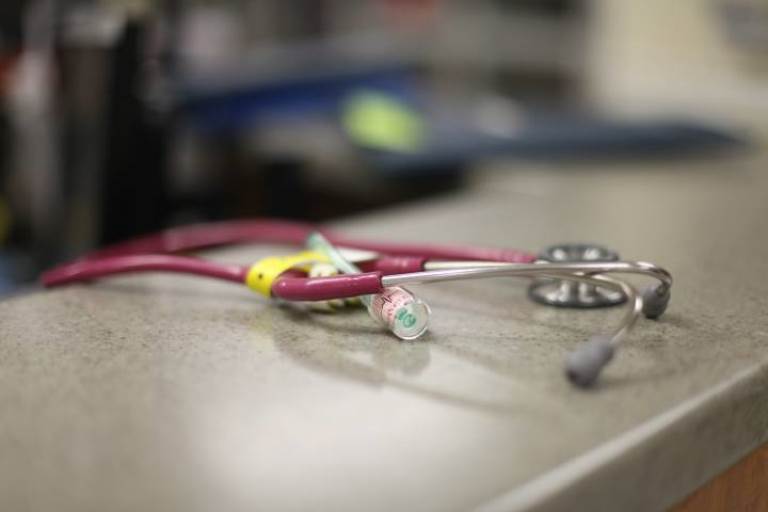
Study suggests improvements for ‘care transitions’ in hospitals
Special care needs to be taken during patient transfers within hospitals, according to a study by a researcher from Owen Graduate School of Management at Vanderbilt. Read MoreJun 8, 2015
-

Age is decisive factor when it comes to supporting same-sex marriage: LAPOP
Lawmakers in the Americas hew close to voters' preferences when it comes to same-sex marriage, according to a new study from Vanderbilt's LAPOP opinion project. Read MoreJun 2, 2015
-

World’s smallest spirals could guard against identity theft
Vanderbilt researchers have made the world’s smallest spirals and found they have unique optical properties that are nearly impossible to counterfeit. Read MoreJun 2, 2015
-

Research at U.S. academic medical centers faces threats to sustainable support
Unstable federal research funding and reductions in health care revenue for academic medical centers threatens to undermine the nation’s biomedical research enterprise, and in turn clinical medicine, which the nation needs now more than ever. Read MoreMay 28, 2015
-
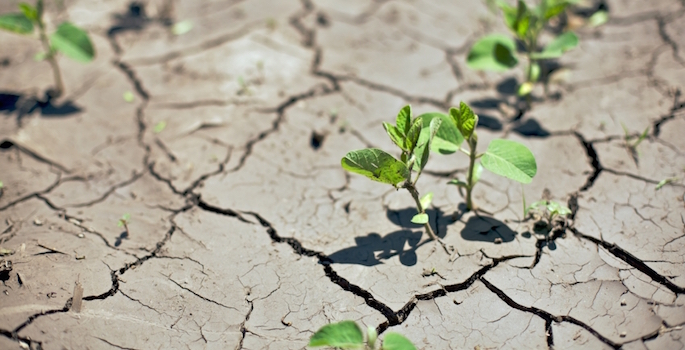
VU’s improved drought-measuring tool could help shape policy
A more specific drought-measuring formula created by a group of Vanderbilt University environmental engineers could have implications for emergency planning, federal relief payouts and drought mitigation efforts. Read MoreMay 27, 2015
-

Free trade deals favored in Ecuador: LAPOP
More than half the population of Ecuador believe that free trade agreements are a good thing for the country, according to a LAPOP study from Vanderbilt. Read MoreMay 26, 2015
-

Deciphering clues to prehistoric climate changes locked in cave deposits
Jessica Oster and her colleagues have shown that the analysis of a stalagmite from a cave in north east India can detect the link between El Nino conditions in the Pacific Ocean and the Indian monsoon. Read MoreMay 22, 2015
-
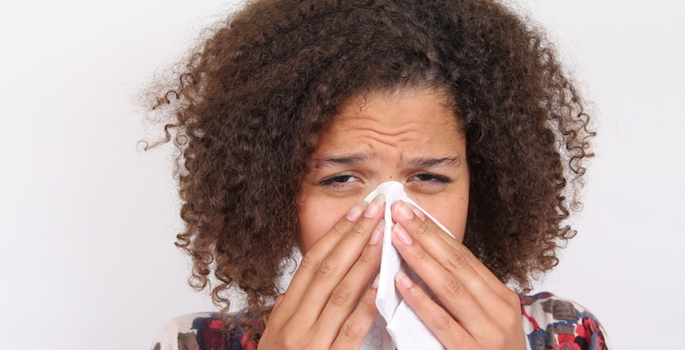
Study shows probiotics may help ease allergies
Using probiotics may help alleviate the symptoms of allergic rhinitis (AR), also known as seasonal or perennial allergies, according to a Vanderbilt study that reviewed 23 previous trials. Read MoreMay 21, 2015
-

Study to explore optimal daily aspirin dose for heart health
The Vanderbilt-based Mid-South Clinical Data Research Network (CDRN) is among seven CDRNs that will collaboratively mount a three-year, $14 million randomized clinical trial to determine the best daily dose of aspirin for preventing heart attacks and strokes among people living with heart disease. Read MoreMay 21, 2015
-

Locating the brain’s SAD center
Vanderbilt biologists have localized the seasonal light cycle effects that drive seasonal affective disorder to a small region of the brain called the dorsal raphe nucleus. Read MoreMay 7, 2015
-

Making the ‘where’ as important as the ‘what’ in brand identity
Vanderbilt law professor Daniel Gervais will work with negotiators in Switzerland to reach an agreement on protecting the geographic identifiers of products such as champagne. Read MoreMay 4, 2015
-

Op-ed: Why do so few black males go into STEM areas?
Low expectations, peer pressure, lack of role models and lack of opportunity to pursue advanced study keep black males who are good at math out of STEM fields when they grow up, writes Ebony O. McGee in The Conversation. Read MoreMay 1, 2015
-

New insight into how brain makes memories
Vanderbilt researchers have identified the role that a key protein associated with autism and the co-occurrence of alcohol dependency and depression plays in forming the spines that create new connections in the brain. Read MoreApr 23, 2015
-

Family reunification drives child migration from Latin America
New research by Katharine Donato and Blake Sisk examines why children make the difficult journey north. Read MoreApr 20, 2015
-
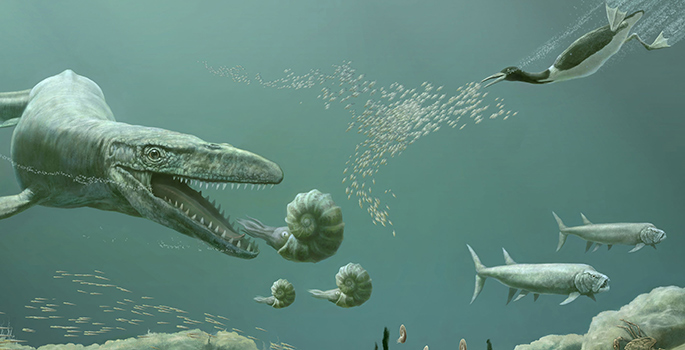
Evolutionary history of whales, dolphins and sea turtles
The evolutionary history of whales, sea turtles and other land animals that have returned to the sea details the radical changes to their life style, body shape, physiology that they made to survive in an aquatic environment. Read MoreApr 17, 2015