Featured Research
-
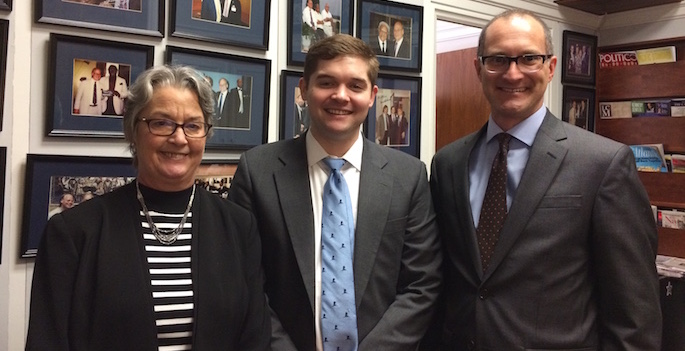
Wernke, Frederick visit D.C. to advocate for humanities funding
Mona Frederick, director of the Robert Penn Warren Center for the Humanities, and Steve Wernke, associate professor of anthropology, recently attended the National Humanities Alliance’s annual meeting and advocacy day in Washington, D.C. and met with members of Tennessee’s congressional delegation. Read MoreMar 17, 2016
-

Harsh immigration rhetoric pushes Latinos away: Survey
When Latinos hear tough talk about immigrants and immigration from politicians, their level of political trust is reduced and they start identifying more with their ethnic group than other qualities such as class or religion. Read MoreMar 4, 2016
-

How to make electric vehicles that actually reduce carbon
Scientists from Vanderbilt and George Washington universities have worked out a way to make electric vehicles that not only are carbon neutral but carbon negative. Read MoreMar 2, 2016
-
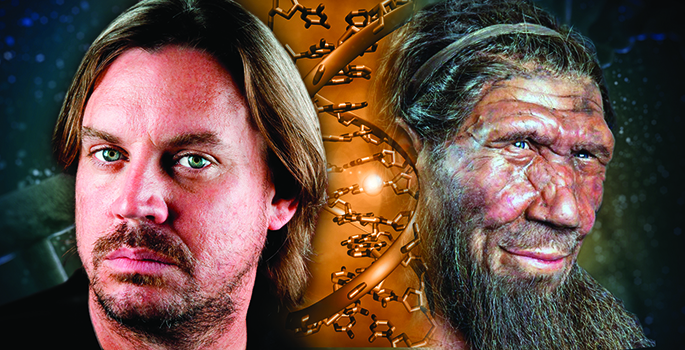
Neanderthal DNA has subtle but significant impact on human traits
The first study that directly compares Neanderthal DNA in the genomes of a significant population of adults of European ancestry with their clinical records confirms that this archaic genetic legacy has a subtle but significant impact on modern human biology. Read MoreFeb 11, 2016
-

Price determines whether calorie information sways consumer choices
The perception of a good deal can lead consumers down an unhealthy path, according to a study from a Vanderbilt business school professor. Read MoreFeb 9, 2016
-

Cotton candy machines may hold key for making artificial organs
Vanderbilt engineers have modified a cotton candy machine to create complex microfluidic networks that mimic the capillary system in living tissue and have demonstrated that these networks can keep cells alive and functioning in an artificial three-dimensional matrix. Read MoreFeb 8, 2016
-

Congress in danger of losing relevancy as presidents work around it
By obstructing most legislation President Obama sends its way, Congress has weakened rather than exercised its power, says a Vanderbilt University political expert. Read MoreJan 28, 2016
-

Vanderbilt on team to develop advanced nuclear reactors to reduce carbon emissions
Vanderbilt University is part of a new public-private partnership that has been awarded up to $40 million from the U.S. Department of Energy to explore, develop and demonstrate advanced nuclear reactor technologies to help America meet its goals for carbon emission reduction. Read MoreJan 27, 2016
-

Resolving the food-energy-water trilemma
A computer model has been developed that provides new insights into the food-energy-water nexus and can help resource managers around the world do a better job of weighing food and energy tradeoffs when water is scarce. Read MoreJan 25, 2016
-

Study shows veteran, civilian patients at risk of ICU-related PTSD
In a first-of-its-kind study of veterans and civilians, researchers from Vanderbilt University Medical Center found that one in 10 patients is at risk of having a new post-traumatic stress disorder (PTSD) following their time in the intensive care unit (ICU). Read MoreJan 12, 2016
-

Vanderbilt professor sees another constitutional problem with the Texas admissions plan
A Vanderbilt Law School professor says there is a second constitutional battle brewing in the Fisher v. UT-Austin Supreme Court case regarding the use of race in college admissions. Read MoreDec 11, 2015
-

Study to explore spinal cord stimulation to ease paralysis
A Vanderbilt neurosurgeon is looking to recruit patients with paraplegia to investigate whether intraspinal microstimulation technology can restore complex body movements. Read MoreDec 3, 2015
-
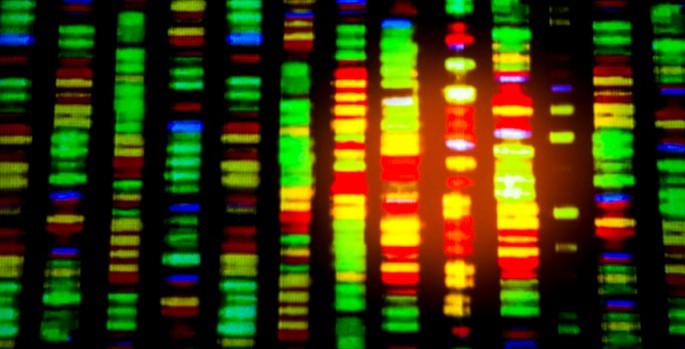
Study helps clarify components of DNA ‘copy machine’
Vanderbilt investigators have generated a “parts list” for the molecular machinery that duplicates DNA each time a cell divides. The research has implications for cancer therapies that target components of this machinery. Read MoreNov 12, 2015
-
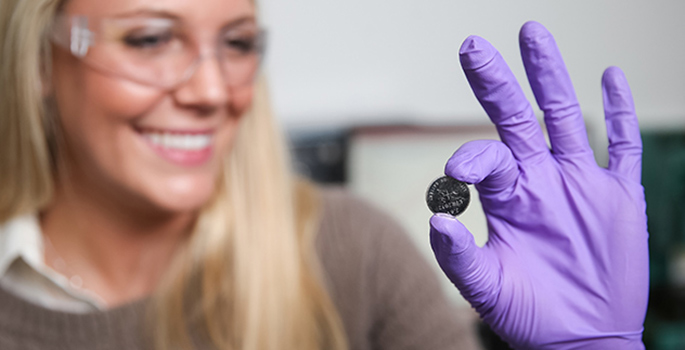
Quantum dots made from fool’s gold boost battery performance
Vanderbilt engineers have discovered that adding quantum dots made from fool's gold to the electrodes of standard lithium batteries can substantially boost their performance. Read MoreNov 11, 2015
-

New online tool created to tackle complications of pregnancy and childbirth
An interdisciplinary team of biologists and medical researchers have created a new platform, which they call GEneSTATION specifically designed to leverage the growing knowledge of human genomics and evolution to advance scientific understanding of human pregnancy and translate it into new treatments for the problems that occur when this complex process goes awry. Read MoreNov 11, 2015
-
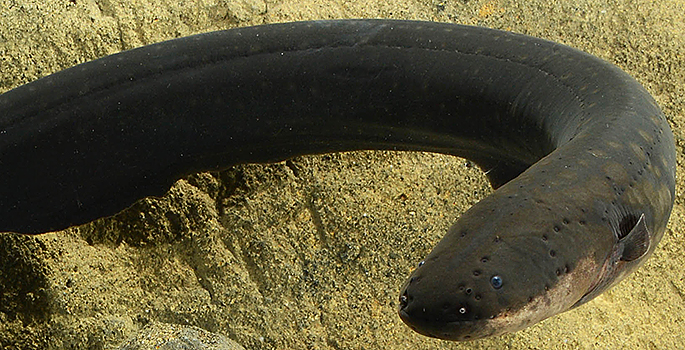
Electric eel: most remarkable predator in animal kingdom
Recent research by Vanderbilt University biologist Ken Catania of the electric eel has revealed that it is not primitive creature that it has been portrayed as. Instead, it has a sophisticated control of the electrical fields it generates that makes it one of the most remarkable predators in the animal kingdom. Read MoreOct 28, 2015
-

Gays face continued discrimination in Jamaica: LAPOP
Jamaicans overwhelmingly disapprove of gay citizens running for political office, even more than they disapprove of regime critics doing so. Read MoreOct 21, 2015
-

New ‘geospeedometer’ confirms super-eruptions have a short fuse
A new "geospeedometer" that can measure the amount of time between the formation of an explosive magma melt and an eruption confirms that the process took less than 500 years in several ancient super-eruptions. Read MoreOct 20, 2015
-

Guatemala leads Americas in condoning violence against unfaithful wives
A majority of Guatemalans believe it is understandable, and sometimes even acceptable, for women who cheat on their husbands to be subjected to violence in return, the results of a new survey indicate. Read MoreOct 7, 2015
-

New rules coming for researchers using human subjects
The U.S. federal government is preparing to launch a set of sweeping new regulations that will have a major impact on how biomedical researchers and social scientists work. It will require researchers to change how they get ethics approval, how they collect informed consent from participants, and more. Read MoreOct 2, 2015