Research
-

Study identifies antibodies that block alphaviruses
Researchers at Vanderbilt University Medical Center have identified antibodies that, in animals, block infection by alphaviruses, which can cause chronic and debilitating joint pain and arthritis and are an increasing global health concern. Read MoreSep 20, 2020
-
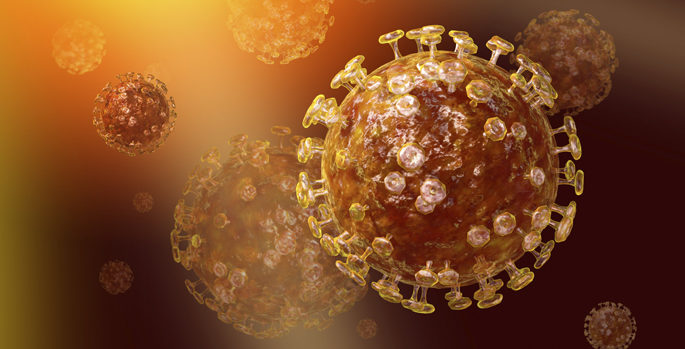
VUMC awarded $34 million to lead nationwide convalescent plasma study
Vanderbilt University Medical Center has been awarded a one-year, $34-million grant by the National Center for Advancing Translational Sciences, part of the National Institutes of Health, to conduct a nationwide study of “convalescent plasma” as a treatment for COVID-19. Read MoreSep 20, 2020
-
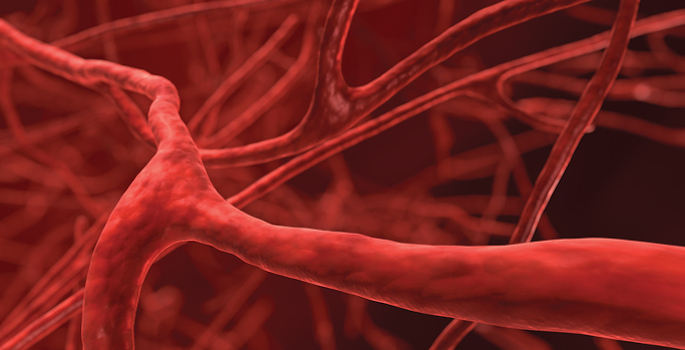
‘Scavenger’ molecule may point to new atherosclerosis treatment
A small-molecule “scavenger” that reduces inflammation and formation of atherosclerotic plaque in blood vessels in mice potentially could lead to a new approach for treating atherosclerosis in humans, according to researchers at Vanderbilt University Medical Center. Read MoreSep 20, 2020
-

Sin3a regulates pancreatic β-cells fitness and function
The transcriptional coregulator Swi-independent 3 — or Sin3 — switches on and off the genes that drive crucial biological processes during prenatal development, including cellular differentiation, maturation, survival, metabolism, and stress responses. Read MoreSep 14, 2020
-
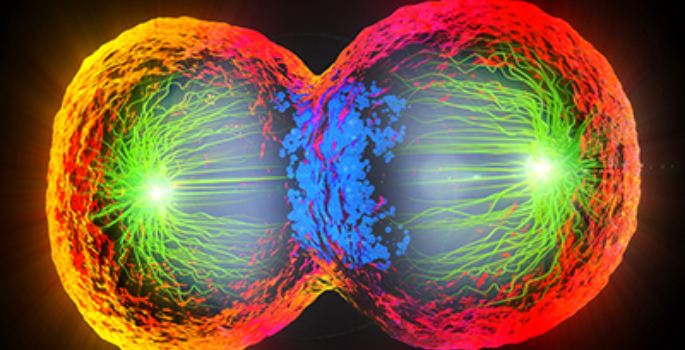
Myosin motors regulate cell shape during division
When a bouncy ball deforms under the weight of your body, its rubber membrane stretches and contracts. Likewise, the membrane of a cell doubling itself prior to division must accommodate changes in intracellular pressure — or explode. Read MoreSep 14, 2020
-
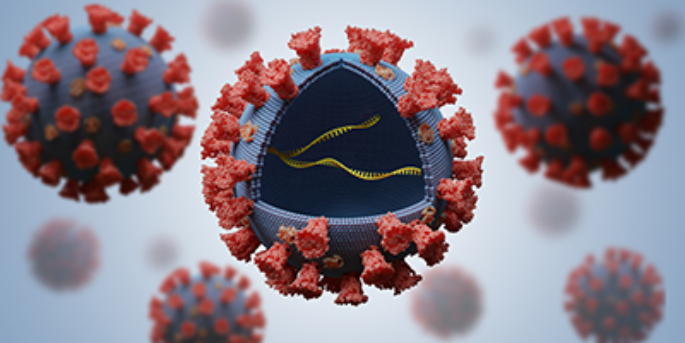
VIR-CLASP reveals new insights into cellular mechanisms of viral immune response
RNA viruses invade cells and co-opt cellular machinery to replicate and translate their genomic material. Read MoreSep 10, 2020
-

Study explores the role of MYCN in Triple Negative Breast Cancer diagnosis and treatment
The oncogene MYCN regulates cancer cell growth, proliferation, metabolism, and survival; tumors with increased MYCN expression are more aggressive. Read MoreSep 10, 2020
-

Ethnic fears eroding democratic attitudes among Republicans, new research finds
Ethnocentric concerns about the growing political power and social influence of immigrants, African Americans and Latinos are undermining Republicans’ commitment to long-held democratic norms, according to new research by Vanderbilt University political science professor Larry Bartels. Read MoreSep 4, 2020
-

Incarceration of family members negatively impacts mental health outcomes for African American women
A new study sheds new light on the challenges facing African American women. More than half of all African American women in the United States report having at least one family member who is incarcerated, causing higher levels of depressive symptoms and psychological distress than previously understood. Read MoreSep 2, 2020
-

Finding the right emotional ‘match’ makes for better business relationships
When it comes to creating successful business interactions, exchanges between buyers and sellers with similar emotional abilities may lead to more lucrative outcomes than an animated or ambitious employee alone. Read MoreSep 2, 2020
-

Grissom awarded $1.4 million NIH grant to develop smaller, quieter MRI system
Vanderbilt engineers have received a $1.4 million NIH grant to work toward a compact, silent, less expensive and potentially portable MRI device. Read MoreSep 1, 2020
-

Vip1 allows cells to adapt to changing conditions
Research shows how the actions of Vip1 help cells change their shape in response to environmental conditions. Read MoreAug 28, 2020
-

Non-neutralizing antibodies from a Marburg infection survivor show therapeutic potential
By Sohini Roy Marburg viruses cause a hemorrhagic fever in humans, with a fatality rate of up to 90 percent. Currently, Marburg disease can neither be prevented by a vaccine nor therapeutically treated. Understanding how the immune system of a MARV survivor reacts against the virus can yield clues to design a treatment. With this... Read MoreAug 28, 2020
-

Study to track if COVID can spread during minimally invasive surgery
Physician-scientists at Vanderbilt University Medical Center are investigating whether SARS-CoV-2, the virus that causes COVID-19, can be spread through aerosolized emissions (microscopic droplets and particles) during minimally invasive surgery in children. Read MoreAug 27, 2020
-

Study uses AI to sort patient messages by complexity
Taking an interest in electronic message threads between surgical patients and their health care teams, a research group at Vanderbilt University Medical Center has tested how well certain commonly used machine learning algorithms can classify such exchanges according to their clinical decision-making complexity. Read MoreAug 27, 2020
-

Rewriting the evolution of complex software systems
All software is not created equal. At one end are apps on a smartphone and consumer-facing programs for which periodic updates to fix bugs and security issues are routine, like replacing an air conditioning filter or getting an annual flu shot. At the other end are large, complex software systems such as software used in... Read MoreAug 20, 2020
-

A potential new targeted therapy for metastatic melanoma
While 60 percent of people with metastatic melanoma, an aggressive type of skin cancer, have multiple treatment options available to them, roughly 40 percent either do not respond to treatment, or relapse. Read MoreAug 19, 2020
-

Vanderbilt, Nashville commemorate 100th anniversary of the 19th Amendment
Vanderbilt University is celebrating the centennial of the ratification of the 19th Amendment to the U.S. Constitution, which opened the door for a woman’s right to vote, with a series of upcoming events. Read MoreAug 17, 2020
-

Engineers develop better graphene sieve that could advance clean water efforts
Developing atomically thin graphene membranes used to separate salt from water is extraordinarily complex and the effort grows more crucial as population growth, industrialization and climate change strain freshwater resources. Vanderbilt engineering researchers report a breakthrough in scalable fabrication of graphene membrane with a sealing technology that corrects variations in the pore size so they... Read MoreAug 14, 2020
-

Does named Fellow of International Society for Magnetic Resonance in Medicine
Mark Does, professor of biomedical engineering has been selected as a Fellow of the International Society for Magnetic Resonance in Medicine. His research program focuses on developing and applying MRI methods to quantitatively characterize various properties and/or compositions of tissue. It includes developing models of nuclear magnetic resonance relaxation and water diffusion in tissue, development... Read MoreAug 11, 2020