Releases
-
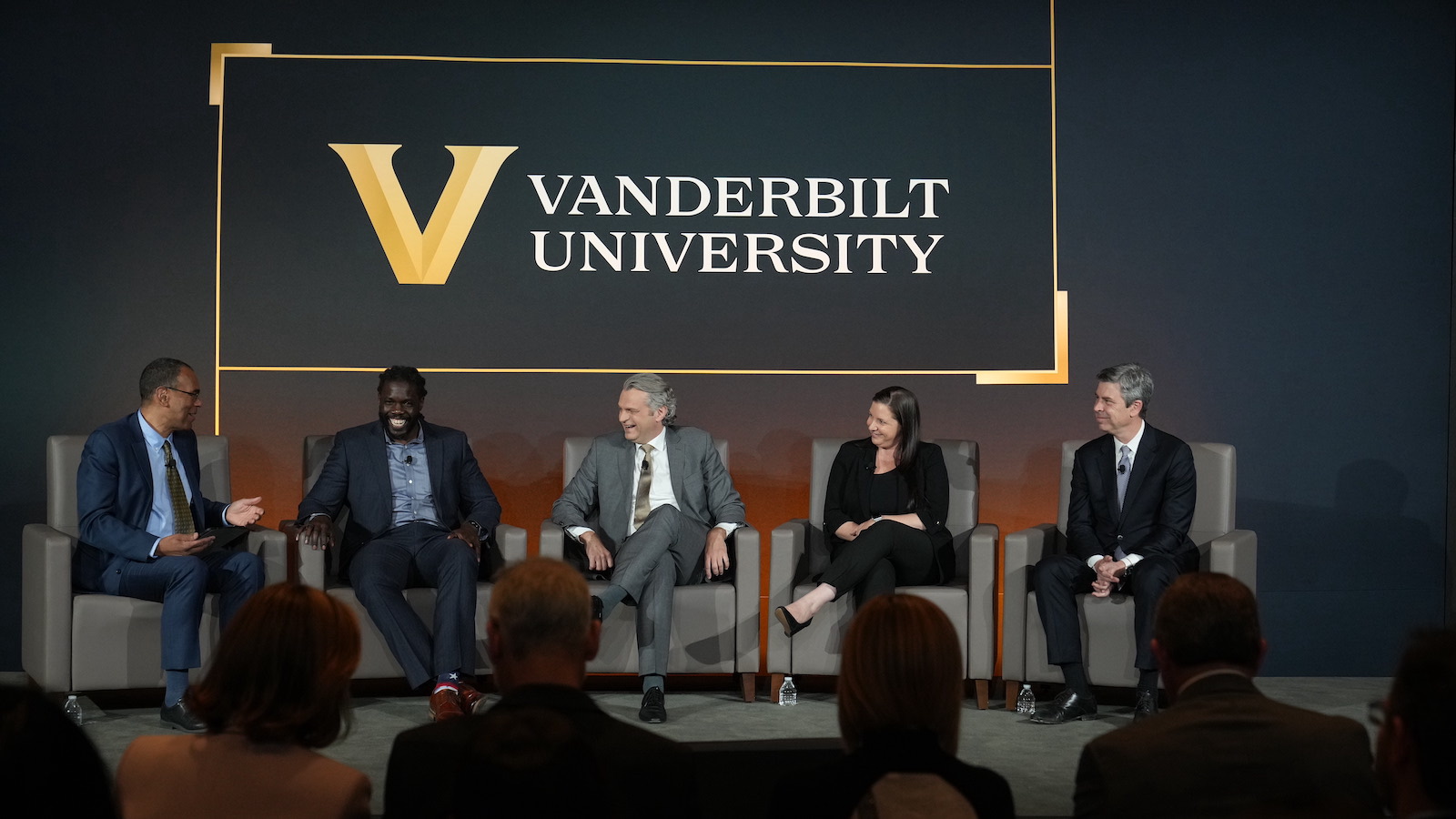
Panelists discuss ways to build ‘engine of innovation’ in Middle Tennessee
Vanderbilt and Nashville are poised to lead the region in building a global hub of innovation and entrepreneurship, according to panelists speaking at the “Tennessee: Engine of Innovation” Symposium on April 8. Read MoreApr 13, 2022
-
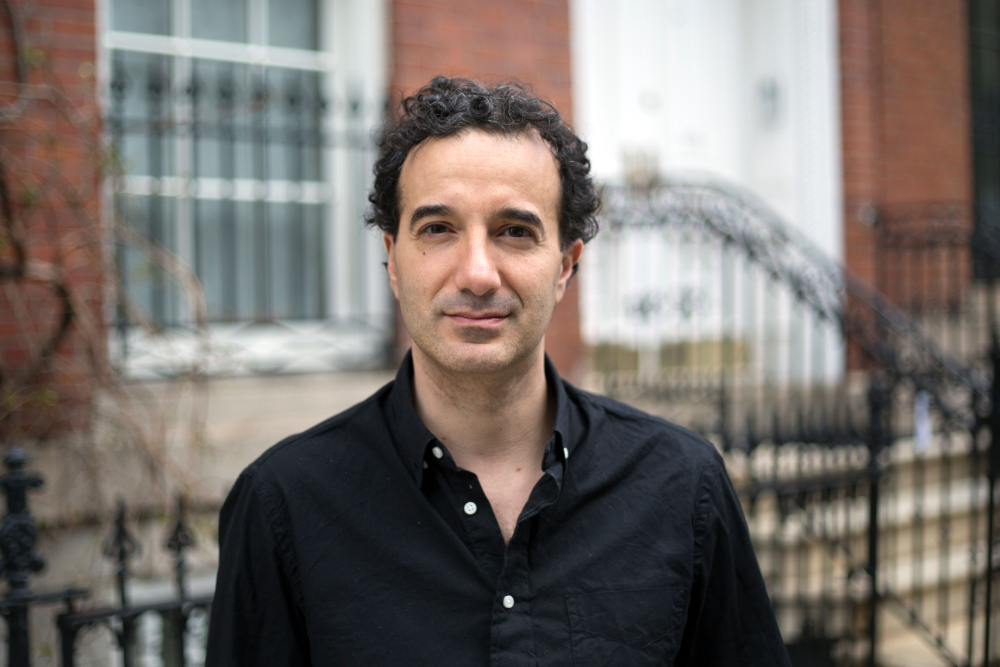
‘Radiolab’ founder Jad Abumrad to join Vanderbilt University
Jad Abumrad, a public radio icon, podcast pioneer and founder of Radiolab, will join Vanderbilt University to lead and advise on several areas of work, including the launch of a new podcast institute designed to become a national center of excellence for the evolving profession of digital narratives. Read MoreApr 13, 2022
-
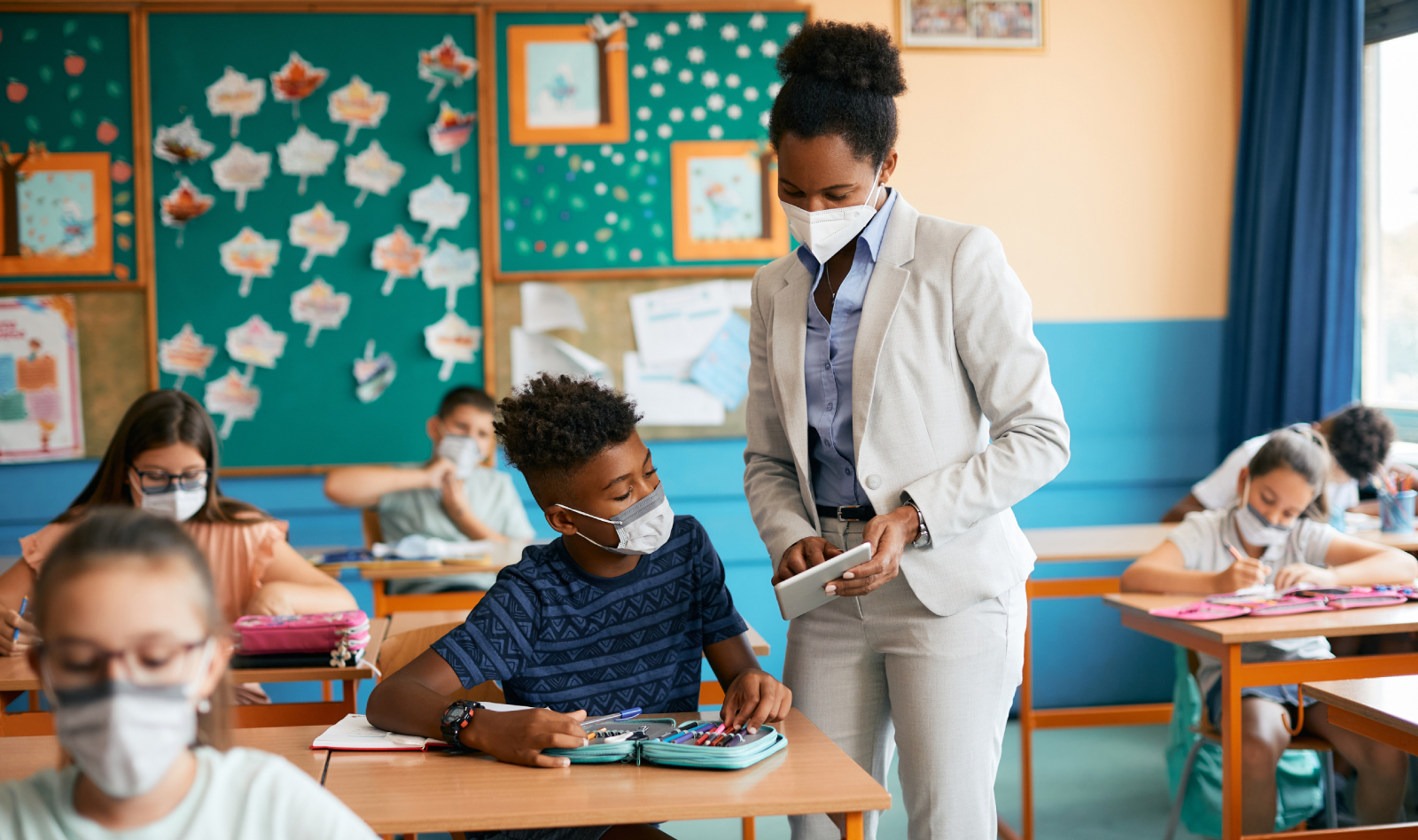
Peabody researchers explore research-practice partnerships to address inequities in education
A 6-month-old partnership between Vanderbilt University’s Peabody College of education and human development and Metro Nashville Public Schools featured prominently in a recent panel discussion on how to effectively manage research-practice partnerships, which are increasingly important to long-term efforts to strengthen educational practice. Read MoreApr 12, 2022
-

Class of 2022: Adrian White strives to embody an inclusive and welcoming version of Christianity
Class of 2022: Becoming an ordained Presbyterian minister was not initially part of Adrian White’s future plans, but that path became clear during their time at Vanderbilt Divinity School. Read MoreApr 12, 2022
-
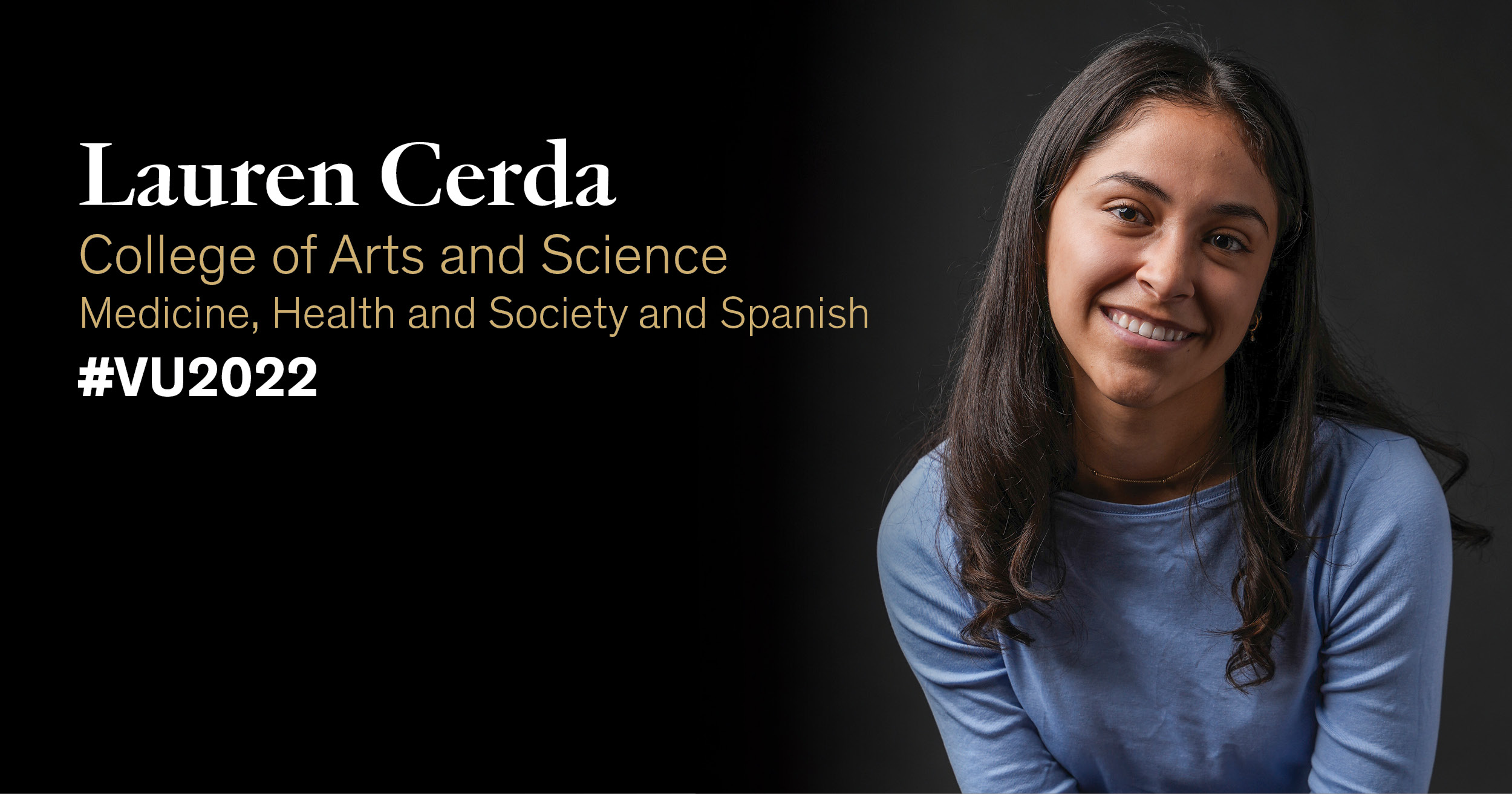
Class of 2022: Lauren Cerda finds cultural bridge between language and health
Class of 2022: Discussing a diagnosis with a doctor can be scary and confusing even under the best of circumstances. But when a language barrier is involved, the likelihood of a misunderstanding is far greater. Medicine, health and society and Spanish double major Lauren Cerda hopes someday to alleviate that problem as a translator and bilingual physician. Read MoreApr 12, 2022
-
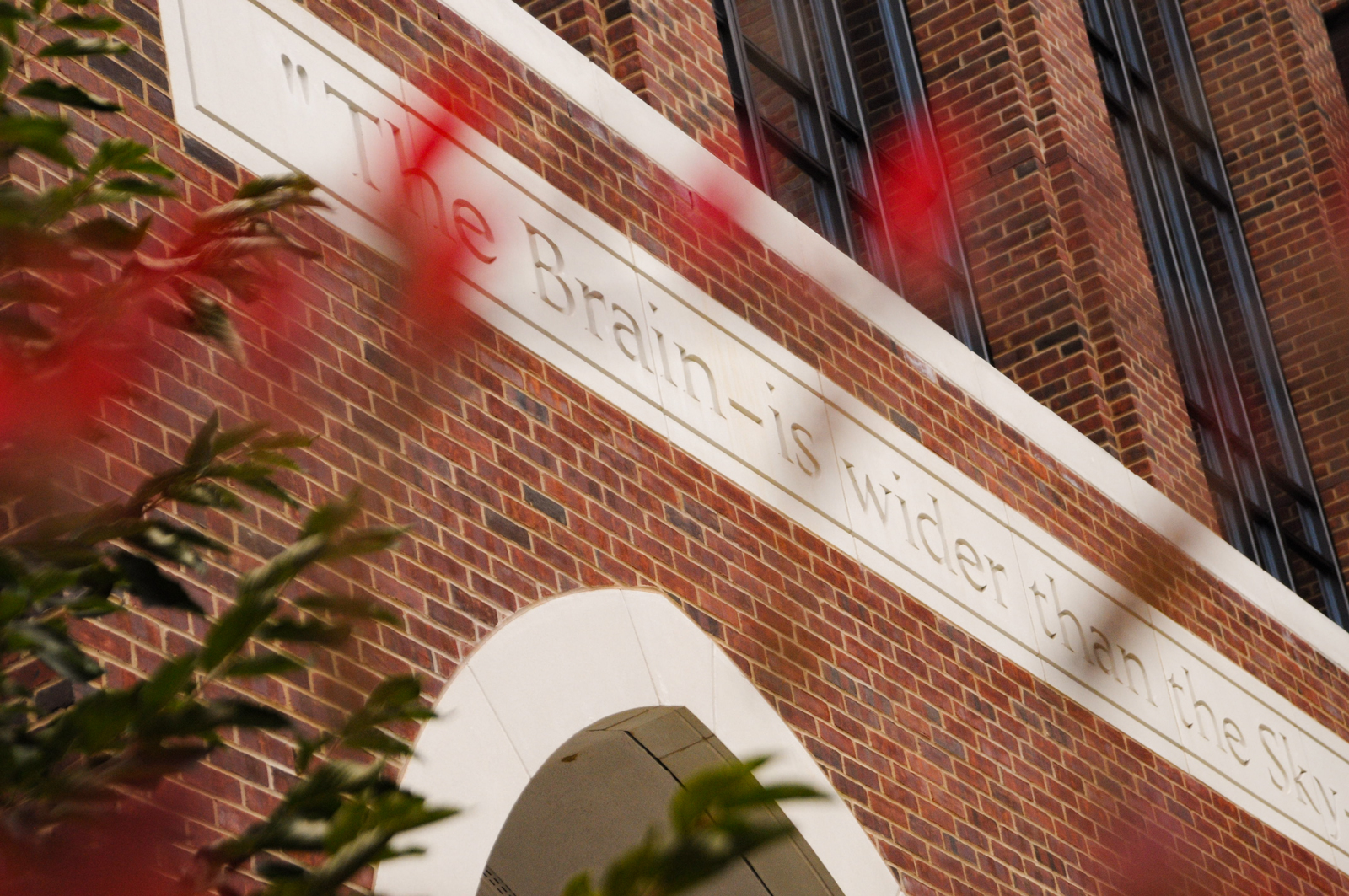
A Life’s Work: Kate Daniels has built a writing and teaching career by combining a focus on healing and artistic expression
Kate Daniels has long been captivated by the connection between writing and the healing process. After earning her bachelor’s degree from the University of Virginia, Daniels worked as a nurse’s aide at UVA Medical Center while she was in the process of applying to graduate school. The job was grueling,… Read MoreApr 11, 2022
-

Optimizing Data Collection is on the Table for the Restaurant Industry
In a forthcoming issue of Production and Operations Management on business analytics, Kejia Hu, along with Morgan Swink and Xiande Zhao, discuss the current state of business analytics and goals for future data analysis based on interviews with several c-suite executives at major American and Chinese restaurants and food supply chain firms. Read MoreApr 11, 2022
-

Political Uncertainty Drives Firms to Increase Corporate Tax Avoidance in an Election Year
With Tax Day (4/18) right around the corner, Americans are reminded of why taxes are such a hot topic. When you cast your ballot, do you consider taxation? Read MoreApr 11, 2022
-
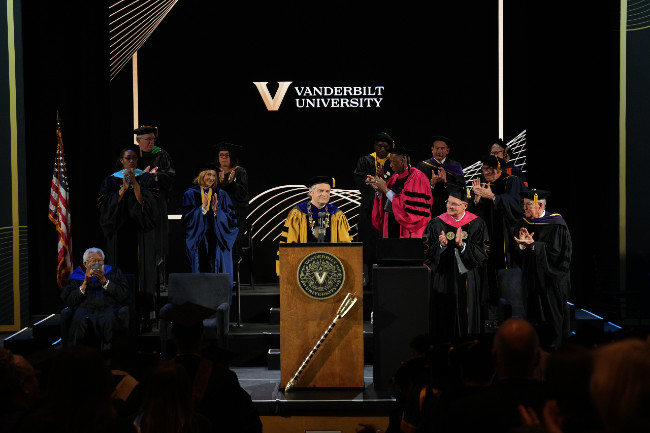
Daniel Diermeier formally installed as Vanderbilt University’s ninth chancellor
In keynote remarks delivered at an investiture officially marking his tenure as Vanderbilt’s ninth chancellor, Daniel Diermeier urged the university community to seize this aspirational moment and join him in building “The Great University” for today’s world. Read MoreApr 10, 2022
-
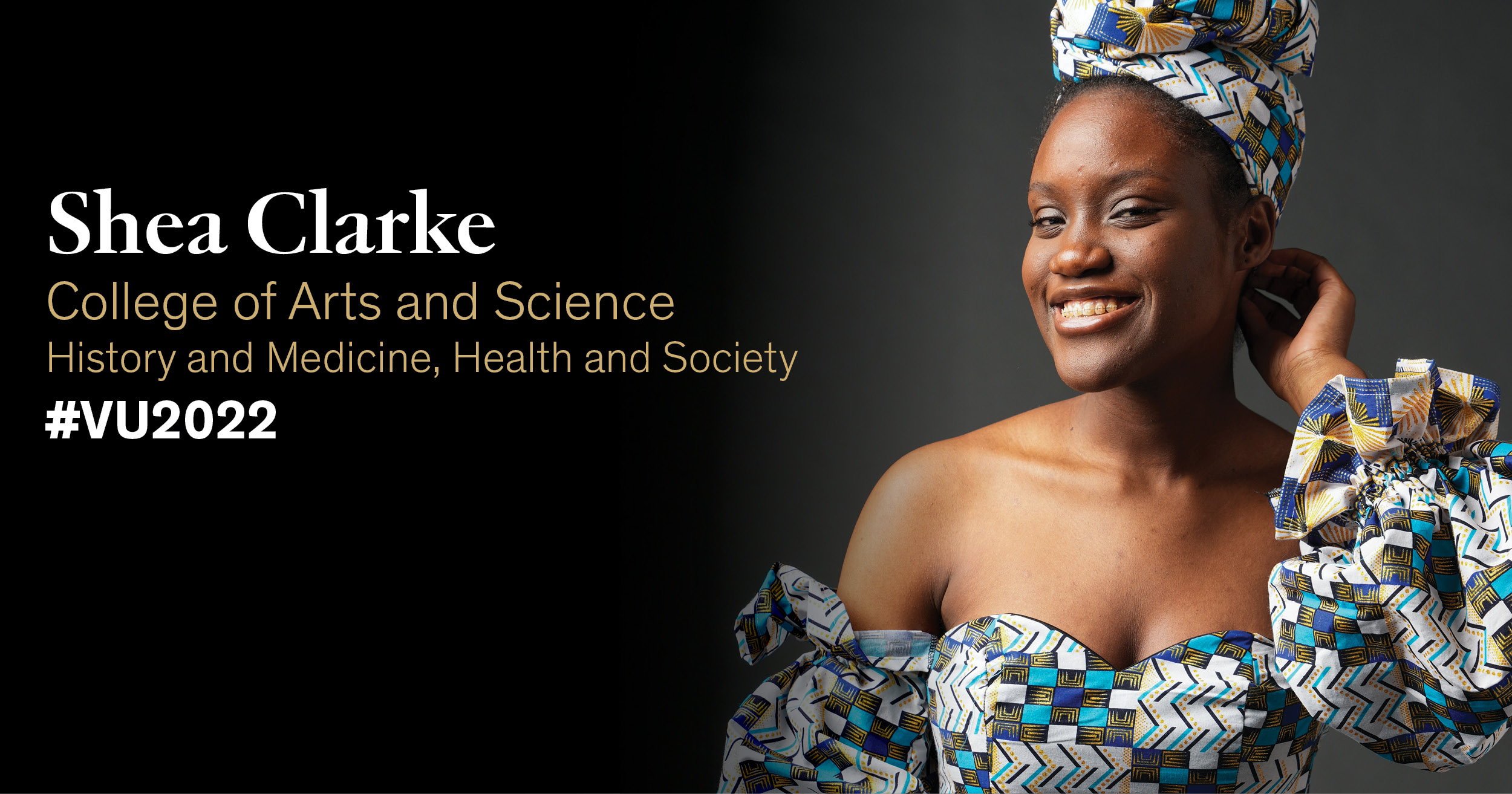
Class of 2022: Shea Clarke weaves together shared passions for history and fashion
Class of 2022: A passion for learning about Africa and the support of her Jamaican seamstress grandmother inspired Shea Clarke to weave together shared passions into a creative business. Read MoreApr 7, 2022
-

Study advances understanding of bacterial bioterrorism agent
Vanderbilt researchers have identified a critical regulatory factor in the bacterium that causes the disease anthrax and has been used as a biological weapon. Read MoreApr 7, 2022
-

Vanderbilt University, Medical Center reach $1B milestone together in research funding
Faculty at Vanderbilt University and Vanderbilt University Medical Center achieved a significant milestone in 2021: more than $1 billion in research funding awarded from external organizations. Read MoreApr 5, 2022
-
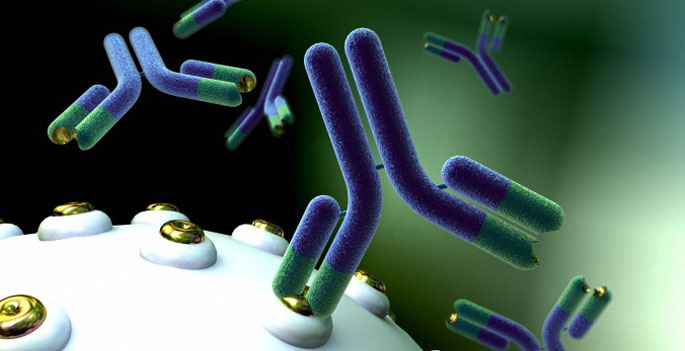
Crowe receives national award for COVID antibody research
Vanderbilt's James Crowe Jr., MD, and Michel Nussenzweig, MD, PhD, of The Rockefeller University, have been jointly awarded the 2022 Harrington Prize for Innovation in Medicine for “groundbreaking work” that enabled the use of human antibodies to treat COVID-19. Read MoreMar 31, 2022
-
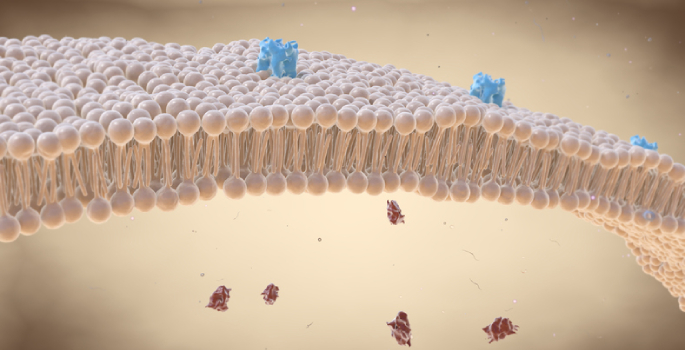
Research Snapshot: Biochemical technique for finding small molecules discovered by Vanderbilt and University of Virginia researchers
A team including the Sanders lab developed a new methodology for finding small molecules associated with lipid rafts, an essential part of cell structure and regulation. Read MoreMar 28, 2022
-

Well-being implications of LGBTQ+ rights issues in Texas, the U.S. South and beyond
Experts from the Vanderbilt LGBT Policy Lab a discussion about the state of research regarding LGBTQ+ rights and policy and the effects of pro- and anti- queer policies on health, education, economic outcomes and overall well-being Read MoreMar 28, 2022
-
High blood pressure genes improve heart surgery survival in children
Vanderbilt researchers have found that children with a genetic makeup that predicts high blood pressure as adults are more likely to survive congenital heart defect repair surgery. Read MoreMar 24, 2022
-

Research Snapshot: Hunger signals, including those from cannabinoids, mapped in the brain
Body-made cannabinoids that fine tune hunger signals in the brain have been mapped, with implications for helping those with deadly feeding-related illnesses Read MoreMar 23, 2022
-

VUSN’s new Leadership Lecture Series kicks off with renowned researcher Peter Buerhaus
Peter Buerhaus, PhD, FAAN, FAANP(h), a renowned researcher who studies the health care workforce and economy will share his expertise on the future of nursing, health equity and the relationship balance between nurses, leadership and educators. He will be the inaugural speaker in a new Leadership Lecture Series presented by the Vanderbilt University School of... Read MoreMar 21, 2022
-

School of Nursing to hold innovative informatics conference for nurse educators
Nursing educators challenged with incorporating nursing informatics into their curriculum in accordance with the new AACN Core Competencies for Professional Nursing Education can get a jump start at a three-day conference offered by Vanderbilt University School of Nursing this summer. The Vanderbilt Informatics Summer Teaching Academy (VISTA) will be July 20-22, 2022, at Vanderbilt’s park-like... Read MoreMar 21, 2022
-
Blood test figures in cancer risk for people with HIV
A Vanderbilt study found that, among adult patients with HIV, those who have lower counts of certain types of blood cells have a markedly higher risk of developing cancer. Read MoreMar 17, 2022