David Salisbury
-

Improving breast cancer chemo by testing tumors in a dish
A team of biomedical engineers has developed a new "tumor-in-a-dish" technology that promises to improve the effectiveness of chemotherapy. Read MoreOct 28, 2014
-
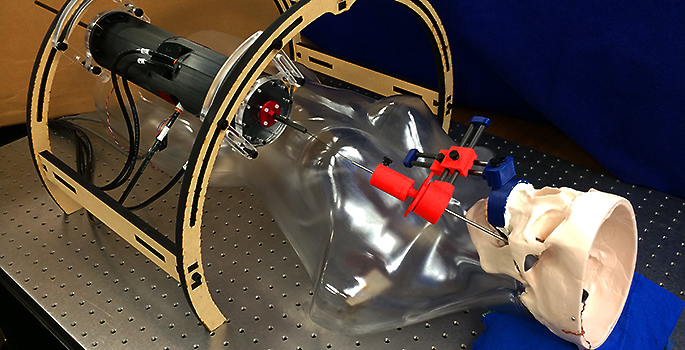
Brain surgery through the cheek
Vanderbilt engineers have developed a surgical robot designed to perform brain surgery by entering through the cheek instead of the skull. Read MoreOct 15, 2014
-

Early Earth less hellish than previously thought
Conditions on Earth in its first 500 million years may have been cool enough to form oceans of water instead of being hellishly hot. Read MoreSep 15, 2014
-
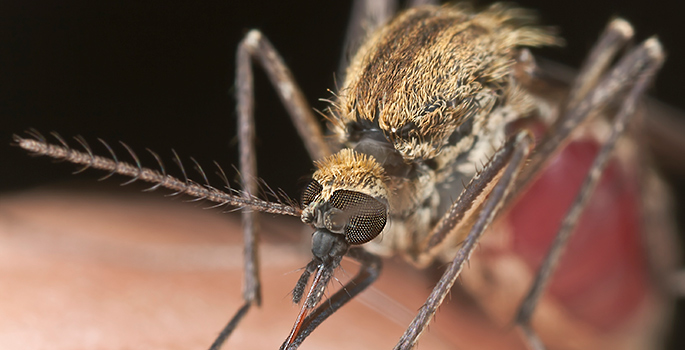
Mosquito facts and fictions
Mosquito researcher Jason Pitts collects interesting facts and stories about his research subjects, nature’s ultimate bioterrorists. Read MoreSep 9, 2014
-

Combined drugs and therapy most effective for severe nonchronic depression
The odds that a person who suffers from severe, nonchronic depression will recover improve substantially when treated by drugs and therapy. Read MoreAug 20, 2014
-

Fault trumps gruesome evidence when it comes to meting out punishment
A new brain study has identified the brain mechanisms that underlie our judgment of how severely a person who has harmed another should be punished. Read MoreAug 3, 2014
-
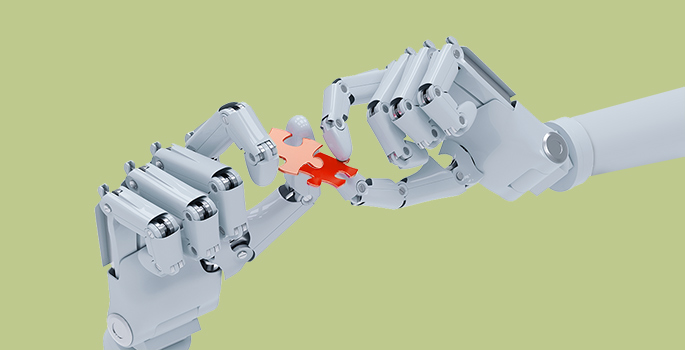
Two Vanderbilt projects showcased at SmartAmerica Challenge EXPO
Two Vanderbilt engineers participated in the SmartAmerica Challenge EXPO in Washington D.C. Read MoreJun 12, 2014
-

Guarding against ‘Carmageddon’ cyberattacks
Vanderbilt researchers are helping to develop software to secure the nation's computerized traffic control systems, both present and future, against cyberattacks. Read MoreJun 11, 2014
-
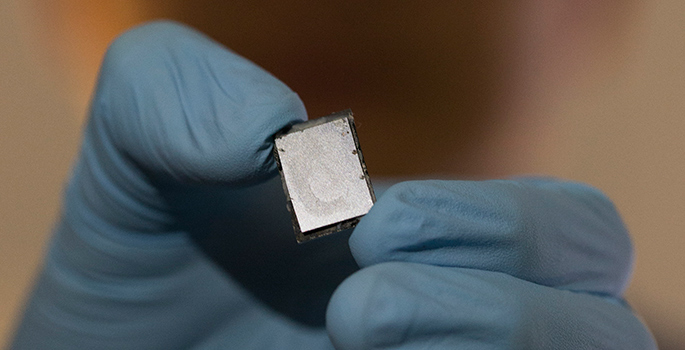
Liberating devices from their power cords
A new type of supercapacitor brings us a step closer to a day when everything from cell phones to electric vehicles will no longer need separate batteries. Read MoreMay 19, 2014
-
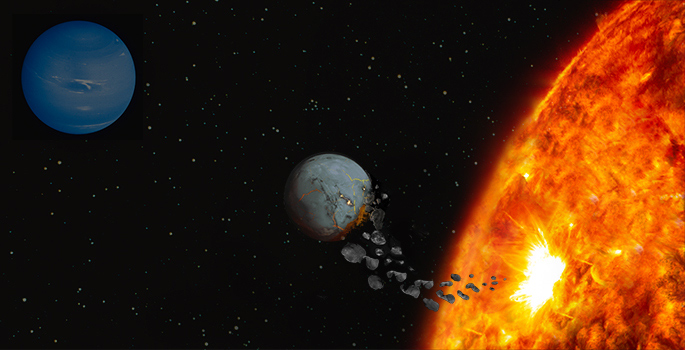
Astronomers identify signature of Earth-eating stars
Vanderbilt astronomers have developed a model that predicts the effect that ingesting earth-like planets has on the chemical composition of stars like the Sun -- a capability that can aid in efforts to find Earth-like exoplanets. Read MoreMay 16, 2014
-
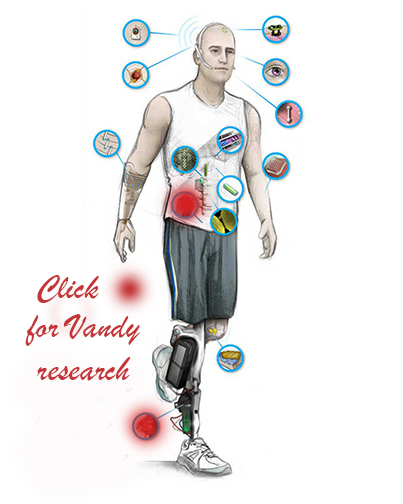
Two Vanderbilt projects featured in new NIBIB “Bionic Man” web tool
The prosthetics research of Michael Goldfarb is featured in "The NBIB Bionic Man," an interactive web tool that helps students and the public learn about innovative federally-funded biomedical research. Read MoreMay 6, 2014
-
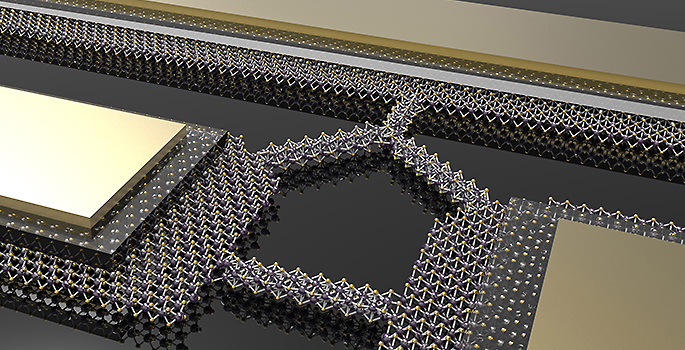
How to create nanowires only three atoms wide with an electron beam
A Vanderbilt graduate student has used a focused beam of electrons to create some of the smallest nanowires ever made, which could bring us closer to flexible, paper-thin tablets and television displays. Read MoreApr 28, 2014
-

Cougars’ diverse diet helped them survive the mass extinction that wiped out the saber-tooth cat, American lion
Cougars may have survived a mass extinction that took place about 12,000 years ago because they were not particular about what they ate. Read MoreApr 22, 2014
-
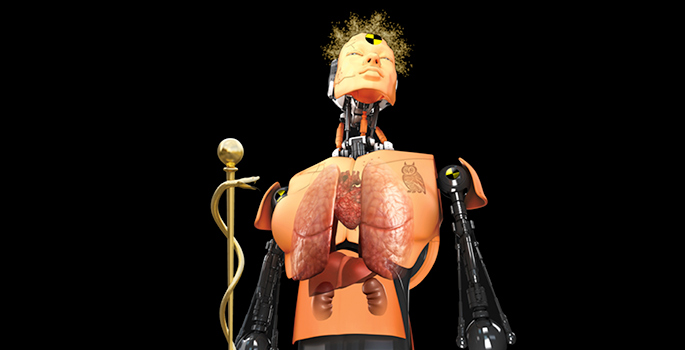
Significant progress toward creating “benchtop human” reported
Vanderbilt physicist John Wikswo reported significant progress toward creating “homo minutus” – a human-on-a-chip that can be used to test drugs and toxins – on Mar. 26 at the Society of Toxicology meeting in Phoenix. Read MoreMar 27, 2014
-

Shifting evolution into reverse promises cheaper, greener way to make new drugs
By shifting evolution into reverse to produce an expensive HIV drug out of a simple sugar, Vanderbilt chemist Brian Bachmann has shown that it may be possible to manufacture exotic and expensive synthetic drugs as easily as brewing beer. Read MoreMar 24, 2014
-

Brain mapping confirms patients with schizophrenia have impaired ability to imitate
A brain-mapping study of patients with schizophrenia has found that areas associated with the ability to imitate are impaired, providing new support for the theory that deficits in this basic cognitive skill may underlie the profound difficulty with social interactions that characterize the disorder. Read MoreMar 14, 2014
-

Nanoscale optical switch breaks miniaturization barrier
An ultra-fast and ultra-small optical switch has been invented that could advance the day when photons replace electrons in the innards of consumer products ranging from cell phones to automobiles. Read MoreMar 13, 2014
-

Thesis documenting discovery of famous psychological effect donated to Vanderbilt
The original thesis of John Ridley Stroop, who discovered one of the most famous tasks in cognitive psychology while studying for his doctoral degree at Peabody College, was donated to Vanderbilt by his son Fred. Read MoreMar 3, 2014
-

Baby hearts need rhythm to develop correctly
The mechanical forces generated by the rhythmic expansion and contraction of cardiac muscle cells play an active role in the initial stage of heart valve formation. Read MoreFeb 18, 2014
-

A science fiction short story by Bob Scherrer is podcast
The UK audio science fiction magazine Starship Sofa has published a podcast of "Descartes' Stepchildren," a short story by Robert Scherrer, professor and chair of the Vanderbilt's department of physics and astronomy. Read MoreFeb 10, 2014