David Salisbury
-
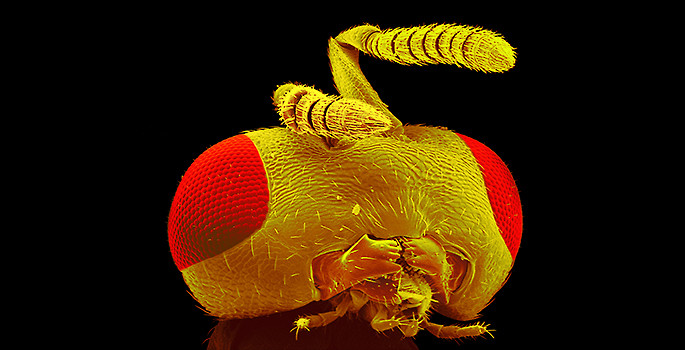
Each animal species hosts a unique microbial community and benefits from it
A laboratory study of four animal species and their microbiota finds that each species hosts a unique community of microbes that can significantly improve its health and fitness. Read MoreNov 28, 2016
-
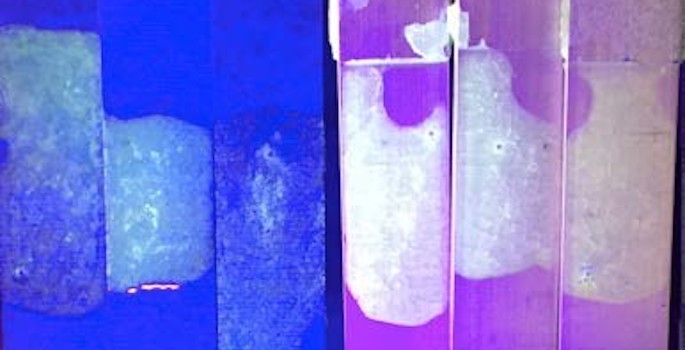
Mood ring materials – a new way to detect damage in failing infrastructure
"Mood ring materials" constitute a new type of smart sensing technology that could play an important role in minimizing and mitigating damage to the nation's failing infrastructure. Read MoreNov 21, 2016
-

Finally, a type of face that men recognize better than women
A study finds men are better at recognizing Transformer faces while women are better at recognizing Barbie faces, supporting the theory that we're more likely to recognize what we're used to seeing. Read MoreNov 16, 2016
-

‘Origami’ rapid malaria test receives Grand Challenges Explorations grant
A novel "origami" rapid diagnostic test for malaria has received a $100,000 Grand Challenges Explorations grant from the Bill & Melinda Gates Foundation. Read MoreNov 15, 2016
-
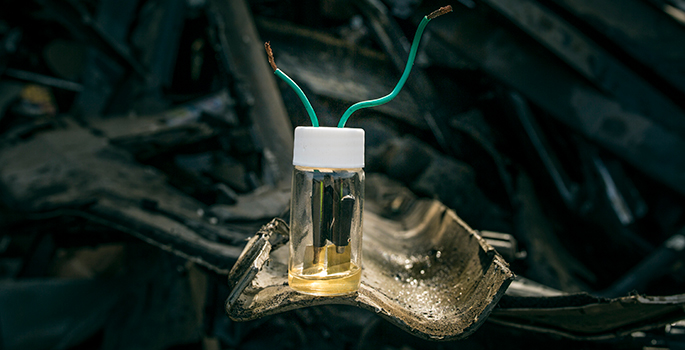
Making high-performance batteries from junkyard scraps
Vanderbilt researchers have discovered how to make high-performance batteries using scraps of metal from the junkyard and household chemicals. Read MoreNov 2, 2016
-
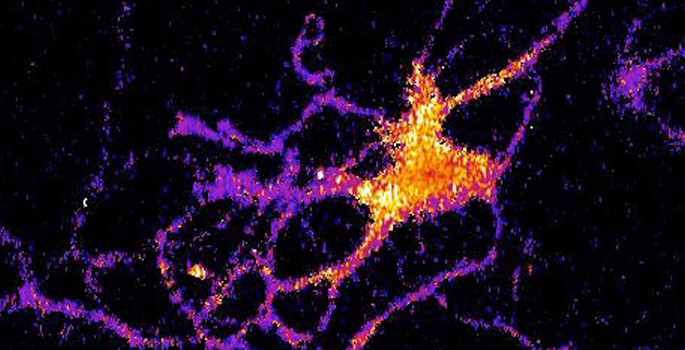
Bioluminescent sensor causes brain cells to glow in the dark
A team of Vanderbilt scientists have genetically modified luciferase, the enzyme that produces bioluminescence, so that it acts as an optical sensor that records activity in brain cells. Read MoreOct 27, 2016
-

Vanderbilt physicists Keivan Stassun and Kalman Varga elected APS fellows
Two Vanderbilt physicists, Keivan Stassun and Kalman Varga, have been elected fellows of the American Physical Society. Read MoreOct 18, 2016
-

Today’s self-taught typists almost as fast as touch typists – as long as they can see the keyboard
Sometimes you can't improve on a classic method: Touch typing is still the fastest. Read MoreOct 18, 2016
-
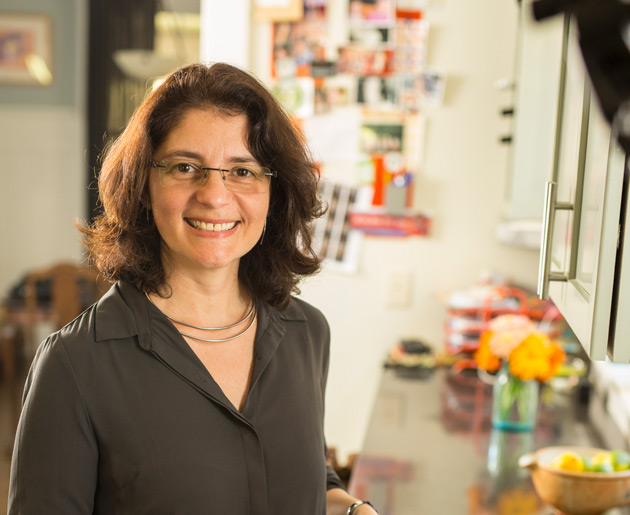
New faculty: Suzana Herculano-Houzel examines the evolution of the brain
New Associate Professor of Psychology Suzana Herculano-Houzel produced the first accurate count of the number of neurons in the human brain—86 billion, making it simply an enlarged primate brain. Read MoreOct 17, 2016
-

Noted algebraist Bjarni Jónsson dies
Bjarni Jónsson, Vanderbilt’s first Distinguished Professor of Mathematics, died Sept. 30 at the age of 96. Read MoreOct 12, 2016
-

Emeritus Professor of Chemistry Mark Jones has died
Vanderbilt Professor of Chemistry, Emeritus, Mark M. Jones died Oct. 7 at 88 after an accident and brief illness. Read MoreOct 11, 2016
-
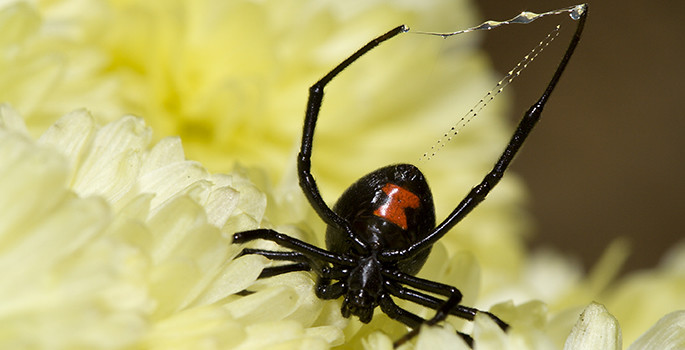
Virus carrying DNA of black widow spider toxin discovered
DNA related to black widow spider toxin been discovered in a phage that infects the bacterial parasite Wolbachia. It is the first time animal-like DNA has been found in a bacterial virus. Read MoreOct 11, 2016
-

Vanderbilt astrophysicist makes ‘The Root’s’ 100 List of Black Influencers
Vanderbilt astrophysicist Jedidah Isler has joined Beyoncé, LeBron James and Serena Williams as a member of The Root’s 100 List of Black Influencers. Read MoreSep 27, 2016
-
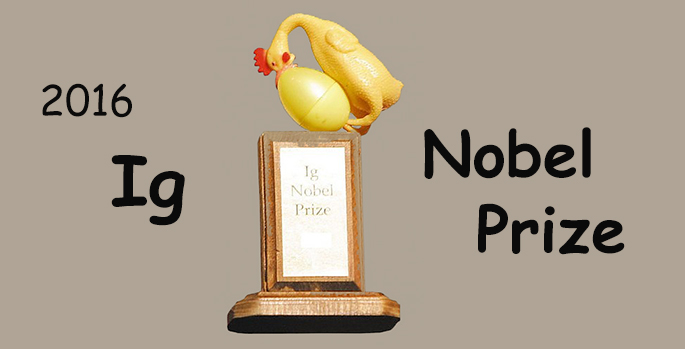
Study about how lying varies with age receives Ig Nobel Prize
Professor of Psychology Gordon Logan is co-author of a paper on deception and lying that has received the 2016 Ig Nobel Prize for psychology. Read MoreSep 22, 2016
-
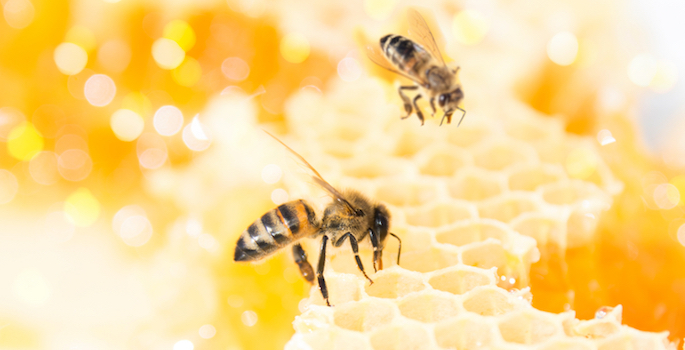
Honeybee Algorithm receives Golden Goose Award
A model of honeybee behavior developed by a VU alum, now adapted to control internet server traffic, won an award honoring obscure or odd-seeming research that led to an important advance. Read MoreSep 14, 2016
-

Cave study designed to solve puzzle of prehistoric megadroughts in the western U.S.
Paleoclimatic cave study in California is designed to identify the factors that made megadroughts commonplace in the western U.S. from 5,000 to 8,000 years ago. Read MoreAug 26, 2016
-
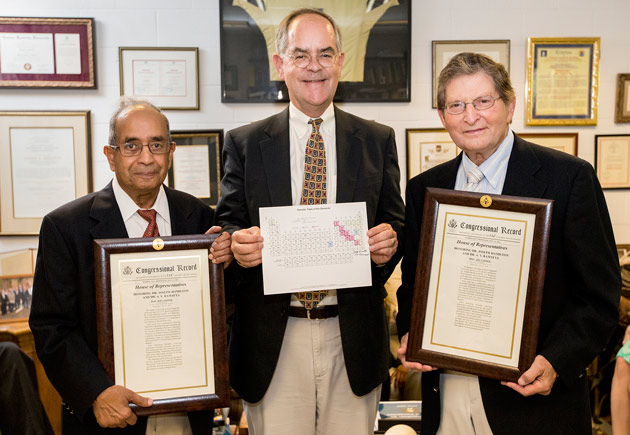
Congressman Cooper honors Hamilton and Ramayya for superheavy element discovery
U.S. Representative Jim Cooper honored nuclear physicists Joe Hamilton and A.V. Ramayya Aug. 12 for their role in the discovery of the new superheavy element 117 that has been provisionally named Tennessine. Read MoreAug 13, 2016
-
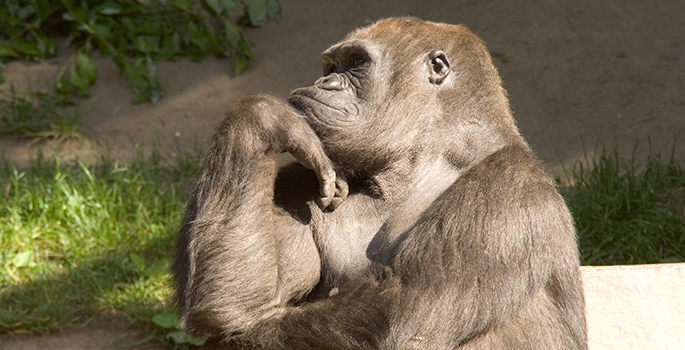
Total number of neurons—not enlarged prefrontal region—hallmark of human brain
Research by Associate Professor of Psychology Suzana Herculano-Houzel finds that human intelligence comes from the number of neurons in our brains—and it was the invention of cooking that made neuron development possible. Read MoreAug 9, 2016
-
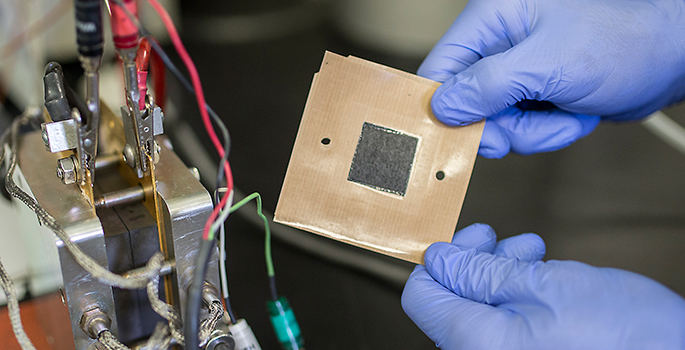
Using nanotechnology to give fuel cells more oomph
Researchers from Vanderbilt University have developed porous polymer-fiber electrodes that may make fuel cells more powerful. Read MoreAug 8, 2016
-
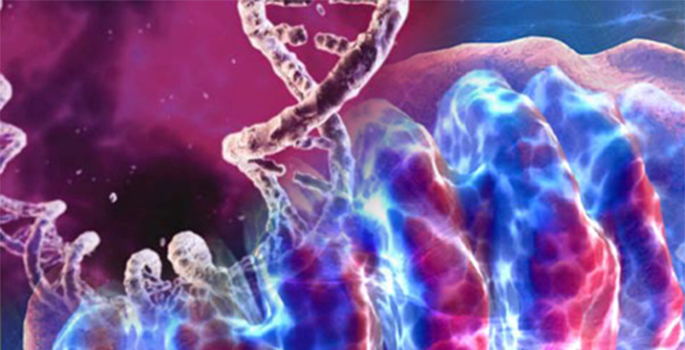
Discovery of male-harming DNA mutation reinforces ‘mother’s curse’ hypothesis
There is new evidence that the "mother’s curse" – the possibility that moms may transmit genes to their children that harm their sons but not their daughters – holds true in animals. Read MoreAug 2, 2016