David Salisbury
-
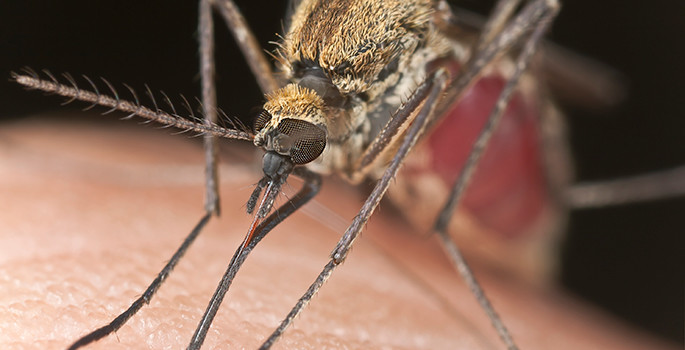
For female mosquitoes, two sets of odor sensors are better than one
A team of Vanderbilt biologists has found that the malaria mosquito has a second complete set of odor receptors that are specially tuned to human scents. Read MoreMar 15, 2017
-

Fossils at the Fort is March 25
Fossils at the Fort is happening on Saturday, March 25, from 10 a.m. to 1 p.m. at Fort Negley Visitors Center and Park. The event is free and will take place rain or shine. Read MoreMar 15, 2017
-
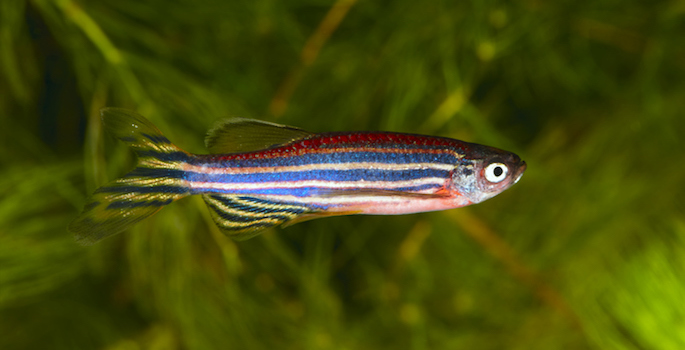
Fish eyes may hold key to regenerating human retinas
Research into retinal regeneration in zebrafish has identified a signal that appears to trigger the self-repair process, raising the possibility of inducing retinal repair in human eyes. Read MoreMar 9, 2017
-
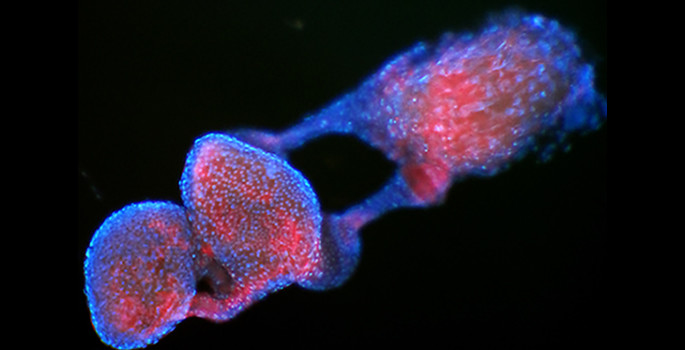
New tool for combating mosquito-borne disease: insect parasite genes
Genes used by the insect parasite Wolbachia to control its hosts' reproduction can be used to help control the spread of mosquito-borne diseases like dengue, Zika and malaria. Read MoreFeb 27, 2017
-
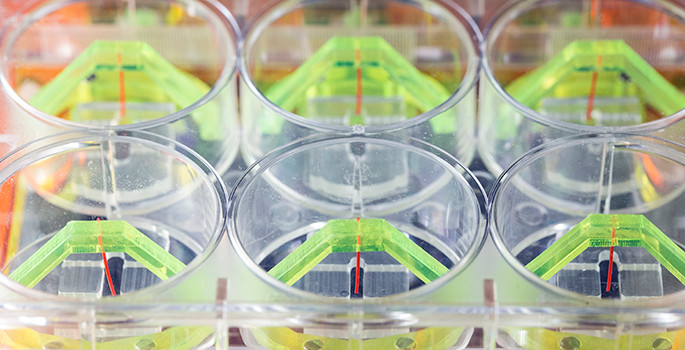
Organ-on-a-chip mimics heart’s biomechanical properties
Scientists at Vanderbilt University have created a three-dimensional organ-on-a-chip that can mimic the heart’s amazing biomechanical properties in order to study cardiac disease, develop heart drugs. Read MoreFeb 22, 2017
-
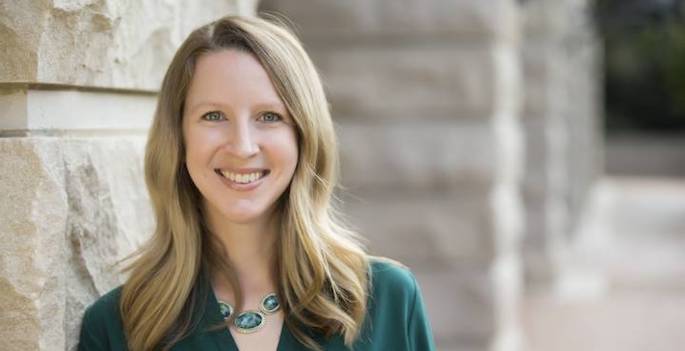
Vanderbilt psychologist wins Sloan research fellowship
Psychologist Jennifer Trueblood has been awarded a $60,000 research fellowship from the Alfred P. Sloan Foundation aimed at encouraging promising young scholars. Read MoreFeb 21, 2017
-

Alien particles from outer space are wreaking low-grade havoc on personal electronic devices
Alien subatomic particles raining down from outer space are wreaking low-grade havoc on your smartphones, computers and other personal electronic devices. Read MoreFeb 17, 2017
-
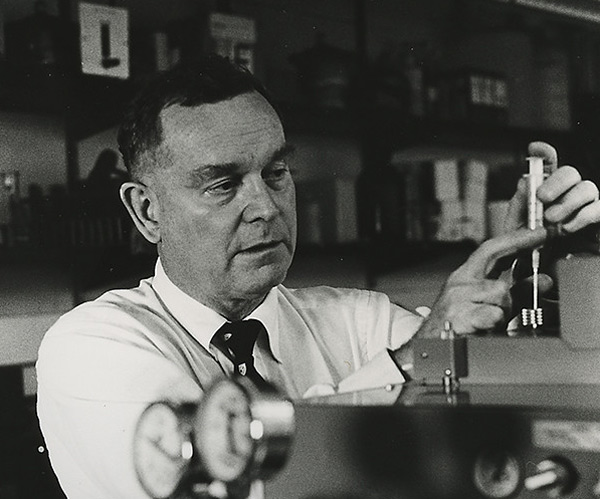
Environmental chemist and citizen scientist David J. Wilson has died
Professor Emeritus of Chemistry David James Wilson died peacefully Jan. 12 in Belleville, Michigan, following a three-year bout with melanoma. He was 86. Read MoreFeb 14, 2017
-
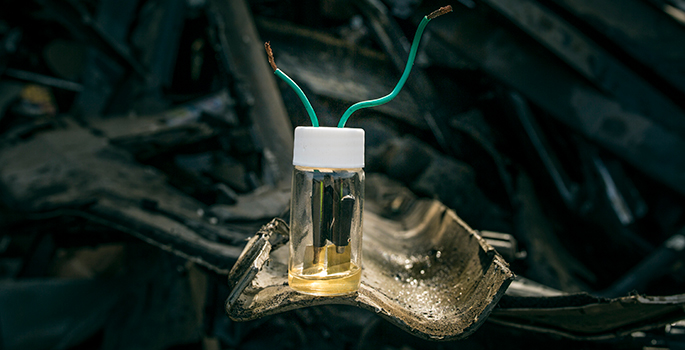
New AAU energy research webpage features VU research
Vanderbilt researchers who “MacGyvered” high-performance batteries from junkyard scraps are featured in a new webpage on energy research created by the Association of American Universities. Read MoreFeb 7, 2017
-

Detecting inflammatory bowel disease during a colonoscopy
Vanderbilt researchers have developed a new optical sensor that can accurately detect different types of inflammatory bowel disease and can be easily integrated into routine colonoscopy exams. Read MoreFeb 1, 2017
-
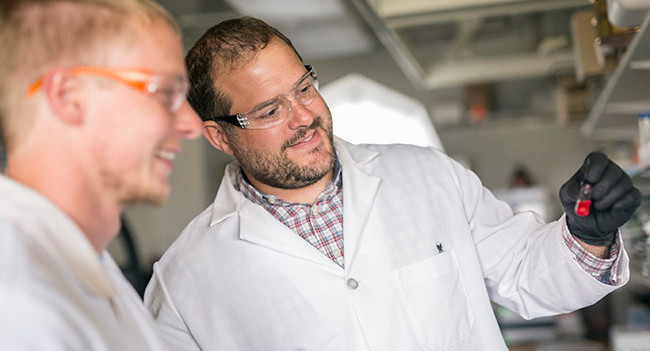
Vanderbilt biomedical engineer receives presidential award for advanced wound healing research
Biomedical engineer Craig Duvall has received a Presidential Early Career Award for Scientists and Engineers (PECASE) to support his research into advanced wound healing technology. Read MoreJan 31, 2017
-
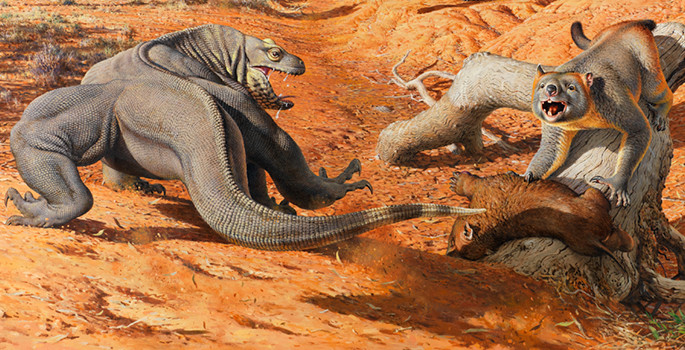
Climate change helped kill off super-sized Ice Age animals in Australia
A new study has compared the diet of a variety of Australian megafaunal herbivores from the period when they were widespread (350,000 to 570,000 years ago) to a period when they were in decline (30,000 to 40,000 years ago) by studying their fossil teeth. The analysis suggests that climate change had a significant impact on their diets and may well have been a primary factor in their extinction. Read MoreJan 26, 2017
-

DNA duplicator small enough to hold in your hand
Vanderbilt engineers have developed a new method for duplicating DNA that makes devices small enough to hold in your hand that are capable of identifying infectious agents before symptoms appear. Read MoreJan 11, 2017
-

Measuring elements of life in Milky Way
Astronomers participating in the Sloan Digital Sky Survey have announced the results of the first study that shows how the abundance of the "elements of life" varies across the Milky Way galaxy. Read MoreJan 6, 2017
-
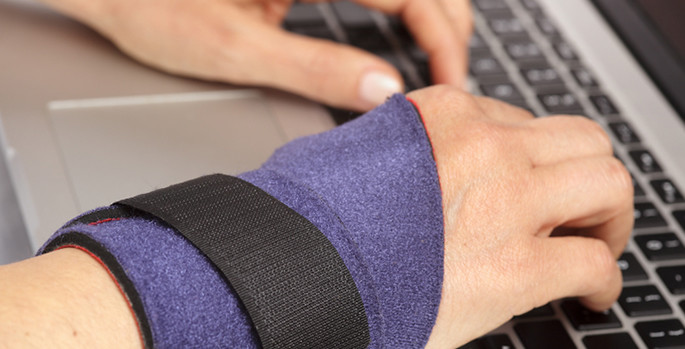
Broken shoulder leads to carpal tunnel syndrome surgery study
After injuring his shoulder, a psychology professor collaborated with his orthopedic surgeon on a study to see how quickly patients regained their typing speed after carpal tunnel surgery. Read MoreDec 13, 2016
-
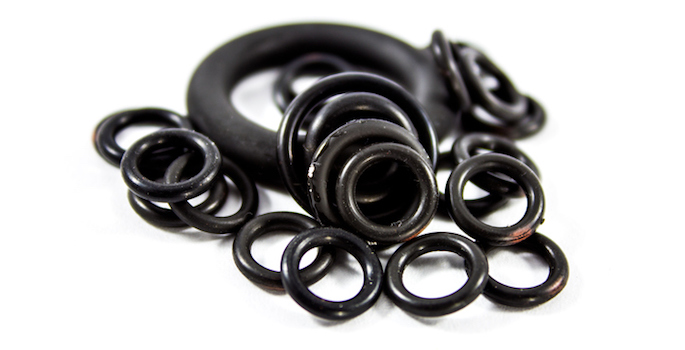
Faster (cheaper) method for making big bioactive ring molecules
A pair of Vanderbilt chemists have developed a faster, cheaper method for synthesizing ring molecules called cyclic depsipeptides found in antibiotics, anti-retrovirals and pesticides. Read MoreDec 12, 2016
-

Type of psychotherapy matters in treatment of irritable bowel syndrome
A new study has found that the type of psychotherapy used to treat the gastrointestinal disorder irritable bowel syndrome makes a difference in improving patients' daily functioning. Read MoreDec 12, 2016
-

Blood-brain barrier on a chip sheds new light on “silent killer”
A new microfluidic device containing human cells that faithfully mimics the behavior of the blood-brain barrier is providing new insights into brain inflammation, the silent killer. Read MoreDec 6, 2016
-
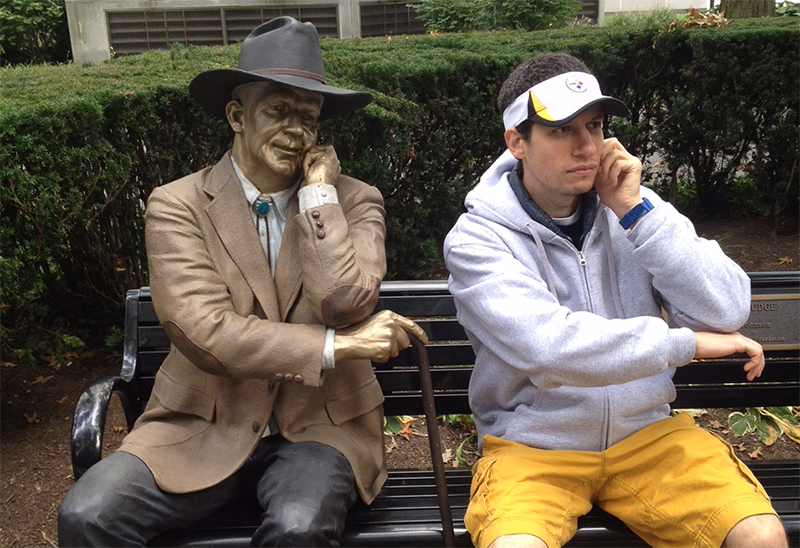
Physics colloquium: From exoplanets to personalizing clothing
Data scientist Dave Spiegel presents a physics and astronomy colloquium, “From Exo-Worlds to Health Monitoring to Clothing Personalization,” Dec. 8. Read MoreDec 1, 2016
-
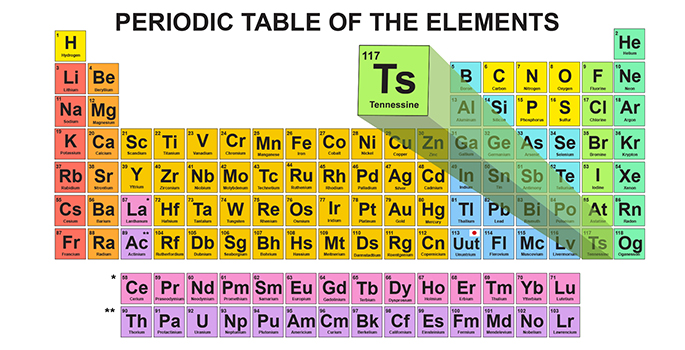
Tennessine approved as name of newly discovered element
Tennessee joins California to become only the second American state memorialized in the periodic table of elements. Read MoreNov 30, 2016