David Salisbury
-

Measuring drought impact in more than dollars and cents
A pair of Vanderbilt doctoral students has assembled a multi-disciplinary team of graduate students from around the country to conduct a multi-faceted study of how people are affected by and responding to drought conditions in the United States. Read MoreApr 13, 2016
-
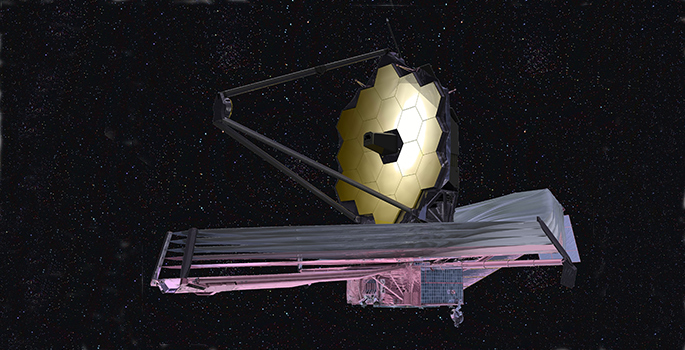
Second-generation space telescope will usher in new era in astronomy
An astrophysicist and an aerospace engineer who are members of the team developing NASA’s James Webb Space Telescope – the successor to the Hubble Space Telescope, scheduled for launch in 2018 – will give a free public lecture March 31. Read MoreMar 28, 2016
-

Research Internet to expand tenfold
As the result of a joint faculty and staff project, Vanderbilt’s digital pipeline to the outside world will expand tenfold in the next few months, making it much easier for campus researchers to send and receive the increasingly large data files characteristic of cutting-edge scientific and medical research. Read MoreMar 14, 2016
-
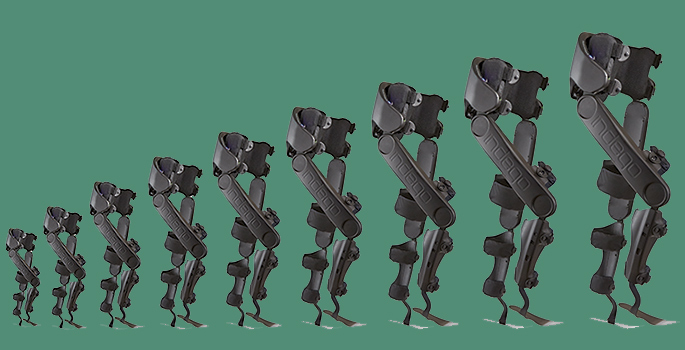
FDA approves Vanderbilt-designed Indego exoskeleton for clinical and personal use
The U.S. Food and Drug Administration has given clearance to market and sell the powered lower-limb exoskeleton created by a team of Vanderbilt engineers and commercialized by the Parker Hannifin Corporation for both clinical and personal use in the United States. Read MoreMar 10, 2016
-
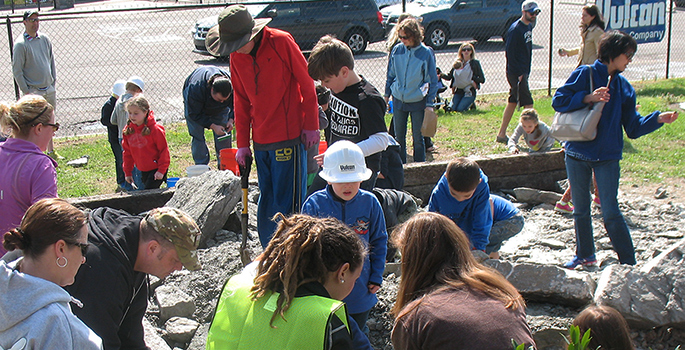
Fossils at the Fort is March 19
Fossils at the Fort is a free annual event providing young and old with an opportunity to journey into Middle Tennessee's astonishing ancient past. Read MoreMar 10, 2016
-
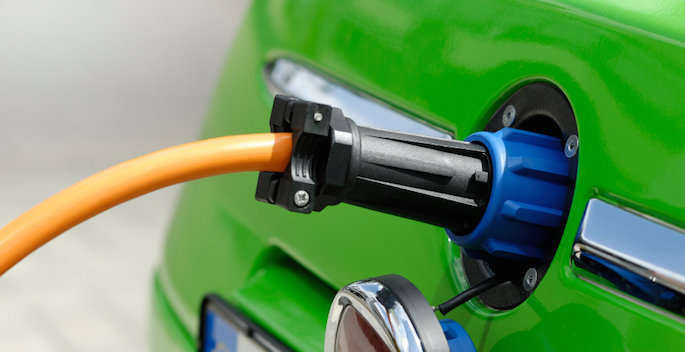
How to make electric vehicles that actually reduce carbon
Scientists from Vanderbilt and George Washington universities have worked out a way to make electric vehicles that not only are carbon neutral but carbon negative. Read MoreMar 2, 2016
-
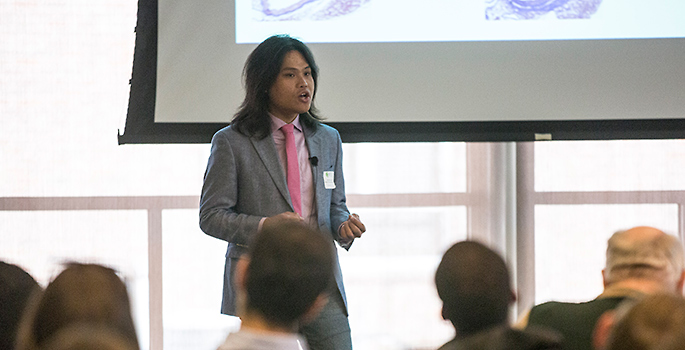
Graduate students compete in fourth annual Three Minute Thesis competition
Vanderbilt graduate students demonstrated that they can summarize their 80,000-word theses in less than three minutes using terms that members of the public can understand during this year's Three Minute Thesis competition. Read MoreMar 1, 2016
-

Update on the science of life in the universe March 3
Caleb Scharf, director of astrobiology at Columbia University, will address age-old questions such as "Are we alone?" and "Where do we come from?" in a free public lecture titled "Astrobiology: The Science of Life in the Universe" March 3. Read MoreFeb 29, 2016
-
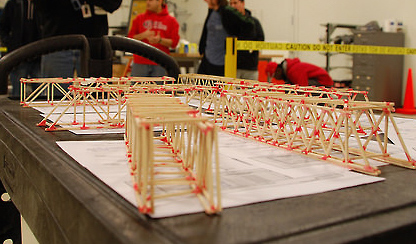
Media advisory: Local students put their bridge-building skill to the test
The American Society of Civil Engineers' Music City Bridge Building Competition is being held Saturday, Feb. 27 at Vanderbilt University's Laboratory for Systems Integrity and Reliability. Read MoreFeb 24, 2016
-
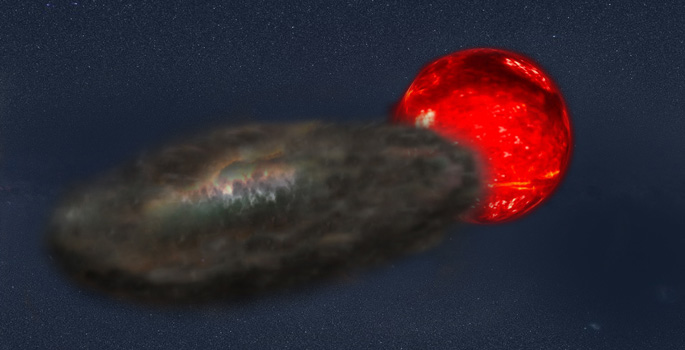
Longest-lasting stellar eclipse discovered
Astronomers have discovered an unnamed pair of stars that sets a new record for both the longest duration stellar eclipse (3.5 years) and longest period between eclipses (69 years) in a binary system. Read MoreFeb 17, 2016
-
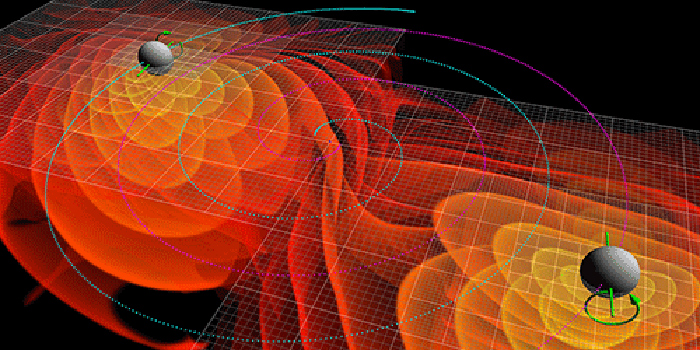
Gravity waves topic of Feb. 18 colloquium
A team of Columbia University physicists who participated in the first detection of gravity waves will describe the monumental discovery in a free public lecture on campus Thursday, Feb. 18. Read MoreFeb 12, 2016
-
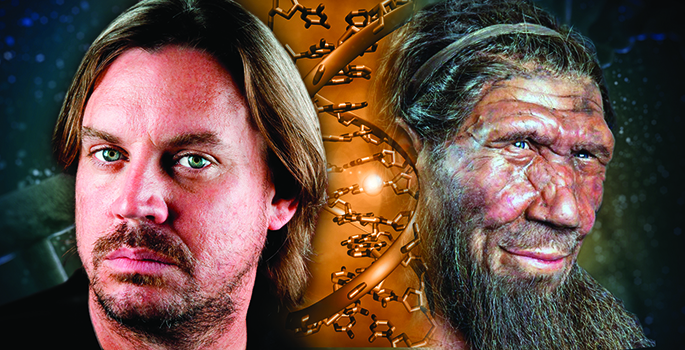
Neanderthal DNA has subtle but significant impact on human traits
The first study that directly compares Neanderthal DNA in the genomes of a significant population of adults of European ancestry with their clinical records confirms that this archaic genetic legacy has a subtle but significant impact on modern human biology. Read MoreFeb 11, 2016
-

Cotton candy machines may hold key for making artificial organs
Vanderbilt engineers have modified a cotton candy machine to create complex microfluidic networks that mimic the capillary system in living tissue and have demonstrated that these networks can keep cells alive and functioning in an artificial three-dimensional matrix. Read MoreFeb 8, 2016
-
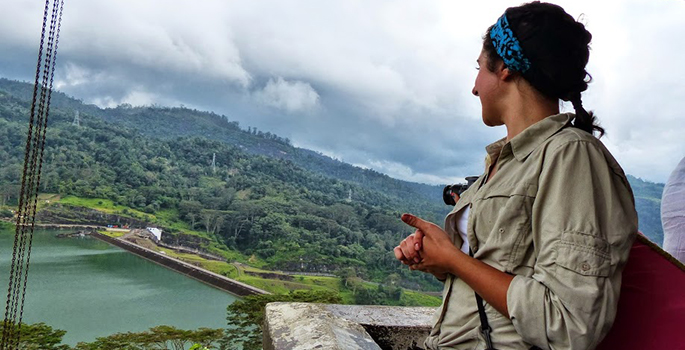
Resolving the food-energy-water trilemma
A computer model has been developed that provides new insights into the food-energy-water nexus and can help resource managers around the world do a better job of weighing food and energy tradeoffs when water is scarce. Read MoreJan 25, 2016
-

Woodman receives Troland Research Award
The National Academy of Sciences has announced that Geoffrey Woodman, associate professor of psychology at Vanderbilt University, will receive a 2016 Troland Research Award. Read MoreJan 19, 2016
-
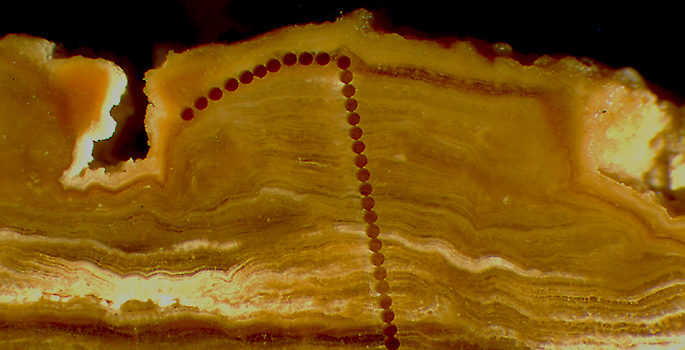
Growth rings on rocks provide new insights into past climates
Application of new micro-analytical techniques have transformed rocks and gravel buried in a special type of soil into a rich source of data about past climates that can help scientists understand how the climate will change in the future. Read MoreJan 15, 2016
-
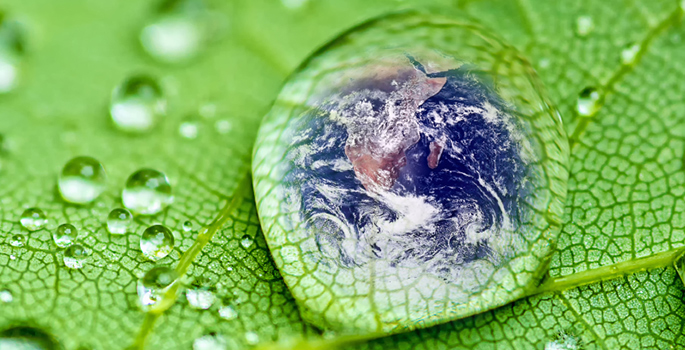
Harnessing the power of computers to create a sustainable future
Harnessing the power of computers to help create an economically, environmentally and socially sustainable future – that is the purpose of a major new grant issued by the National Science Foundation. Read MoreJan 8, 2016
-

Psychotherapies have long-term benefit for those suffering from irritable bowel syndrome
A new meta-analysis has found that the beneficial effects of using psychological therapy to treat the symptoms of irritable bowel syndrome are not only short term but are also long lasting. Read MoreDec 28, 2015
-
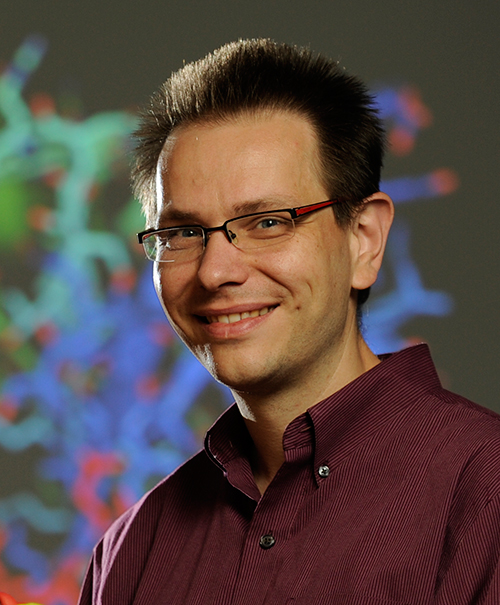
Chemist Jens Meiler receives Humboldt Foundation award
Associate Professor of Chemistry Jens Meiler has received a Friedrich Wilhelm Bessel Research Award from the Alexander von Humboldt Foundation in Bonn, Germany. Read MoreDec 15, 2015
-
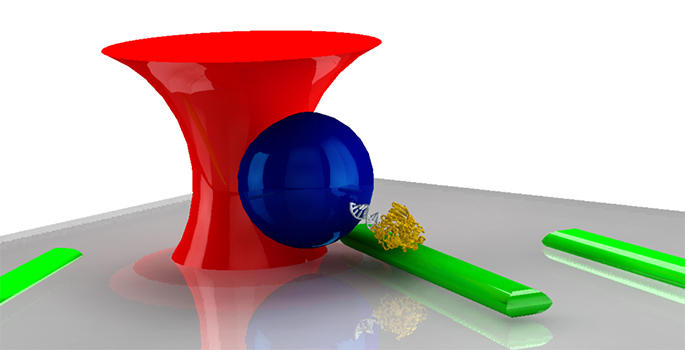
Anatomy of a microscopic wood chipper: New observations reveal how an individual cellulase enzyme operates
Biomolecular engineers at Vanderbilt University have obtained the most detailed measurements ever made of the behavior of an individual cellulase enzyme as it decomposes cellulose, the most plentiful polymer on the planet. Improved understanding of how cellulases work could be the key to producing advanced biofuels that can replace gasoline for powering vehicles. Read MoreDec 10, 2015