Psychology
-
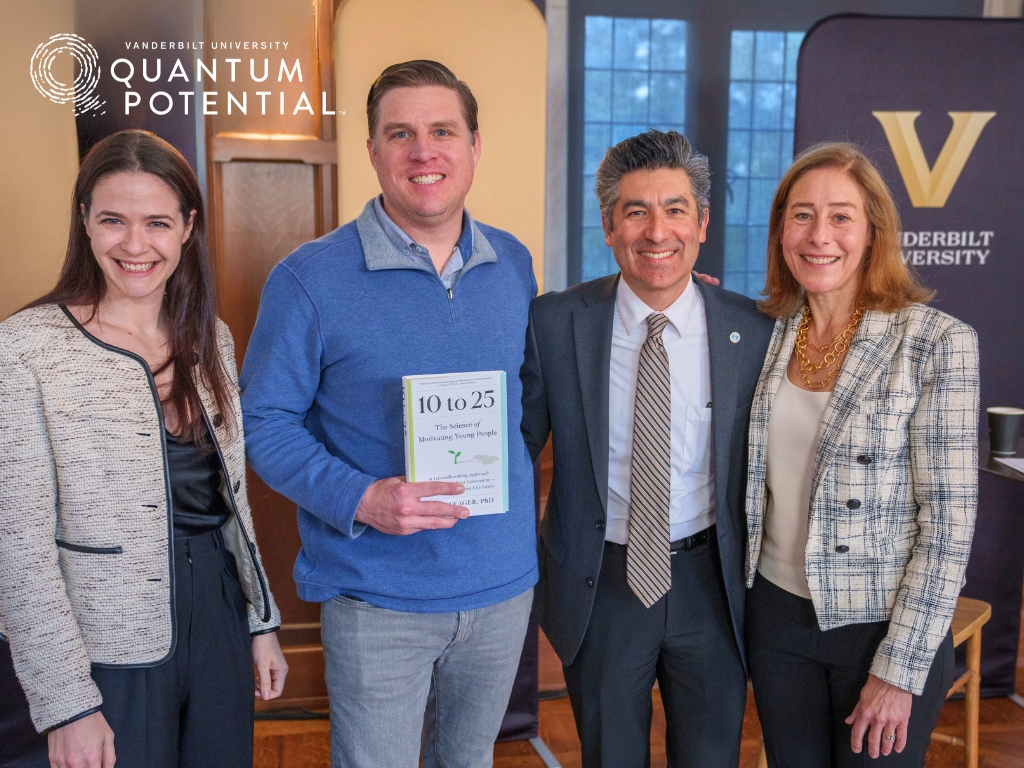
Quantum Potential Podcast Bonus Episode: Psychologist David Yeager on what it takes to motivate young people
In this thought-provoking fourth episode of Quantum Potential, Vanderbilt University Provost C. Cybele Raver hosts renowned developmental psychologist David Yeager, professor of psychology at the University of Texas at Austin, co-founder of the Texas Behavioral Science and Policy Institute, and author of 10 to 25: The Science of Motivating Young People, for a closer look at how older adults can connect with and empower the next generation. Read MoreMar 13, 2025
-
New study finds that anesthesia inhibits brain’s predictive processing
A new study led by Andre Bastos, assistant professor of psychology, found that animal subjects under general anesthesia were unable to detect moderate and complex surprises. This discovery deepens the understanding about the nature of consciousness and how it arises. Read MoreOct 8, 2024
-
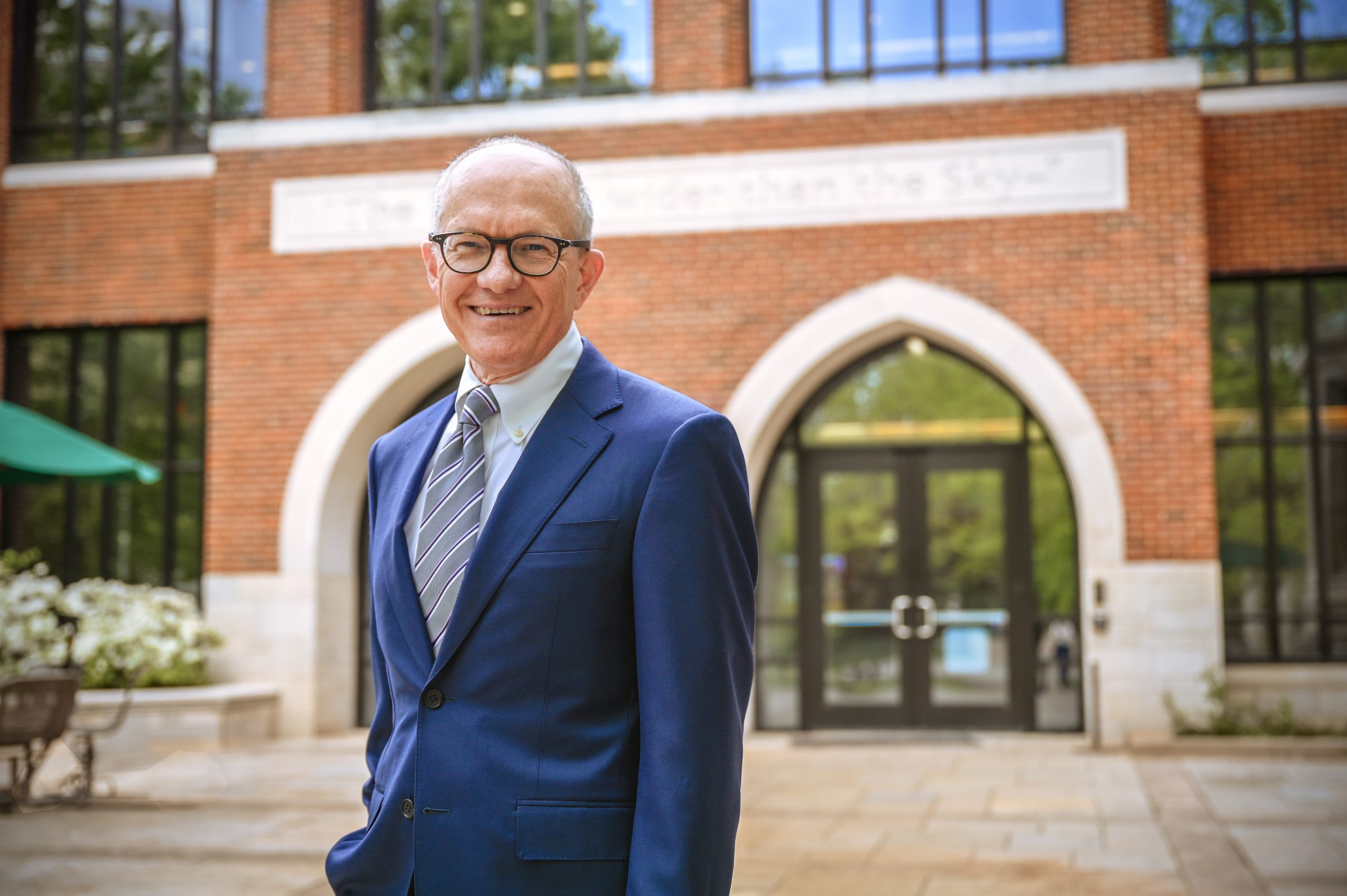
Cognitive scientist and respected leader Tim McNamara named dean of College of Arts and Science
Vanderbilt University has named Timothy P. McNamara, a visionary leader, trusted peer and mentor, as Ginny and Conner Searcy Dean of the College of Arts and Science for a two-year term beginning July 1. Read MoreApr 18, 2024
-
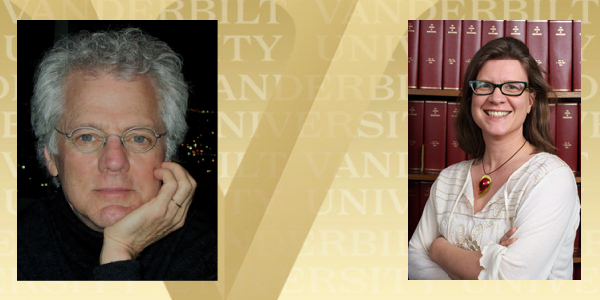
Two A&S psychology faculty receive prestigious awards in vision sciences
Randolph Blake, Centennial Professor of Psychology, won the 2024 Ken Nakayama Medal for Excellence in Vision Science Award for lasting, high-impact contributions to vision science. Isabel Gauthier, David K. Wilson Professor of Psychology, won the 2024 Davida Teller Award for exceptional scientific achievements, commitment to equity, and a strong history of mentoring. Read MoreApr 4, 2024
-

Does Hoodwinking Others Pay?
New research from Jessica Kennedy explores the relationship between deception in negotiations and negotiators’ satisfaction with their deals. Read MoreJan 23, 2023
-

Vanderbilt University, VUMC faculty named Highly Cited Researchers, rank in top 1 percent by citations
Experts from the Institute for Scientific Information identified 13 faculty at Vanderbilt University and Vanderbilt University Medical Center as among the top one percent of cited researchers worldwide. Read MoreDec 6, 2022
-

Q&A: Vanderbilt expert discusses new research on how the brain affects the way we perceive film
The integration of cinema and science is at the foundation of Vanderbilt University professor Daniel Levin’s research. Levin teaches Film and Psychology in addition to other classes that examine how cognitive science and the arts collide. Read MoreMay 27, 2022
-

Vanderbilt and Australian researchers collaborate to solve decades-long debate about decision-making
Psychology researchers develop new methodologies and representations of how people react to incoming information to better understand complex decision-making. Read MoreOct 1, 2020
-
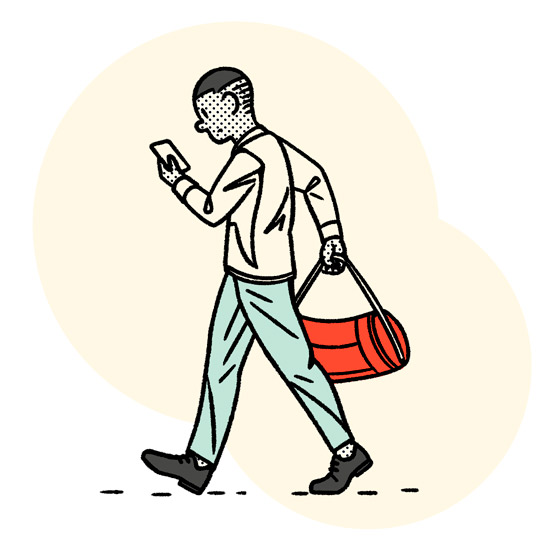
How to spot misinformation—and what to do about it: Expert advice from psychology professor Lisa Fazio
Lisa Fazio, assistant professor of psychology and human development at Peabody College, shares a few tips on how to avoid knowledge neglect and spreading misinformation. Read MoreSep 22, 2020
-
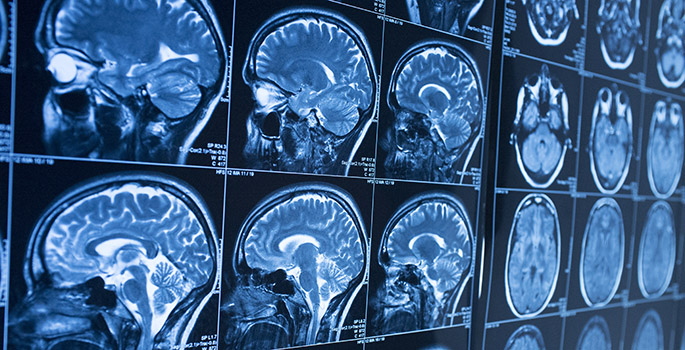
Vanderbilt researcher shares more than 3,000 brain scans to support the study of reading and language development
Vanderbilt neuroscientist James R. Booth is releasing two large scale neuroimaging datasets on reading and language development to support other researchers studying how academic skills develop in childhood. Read MoreJan 10, 2020
-
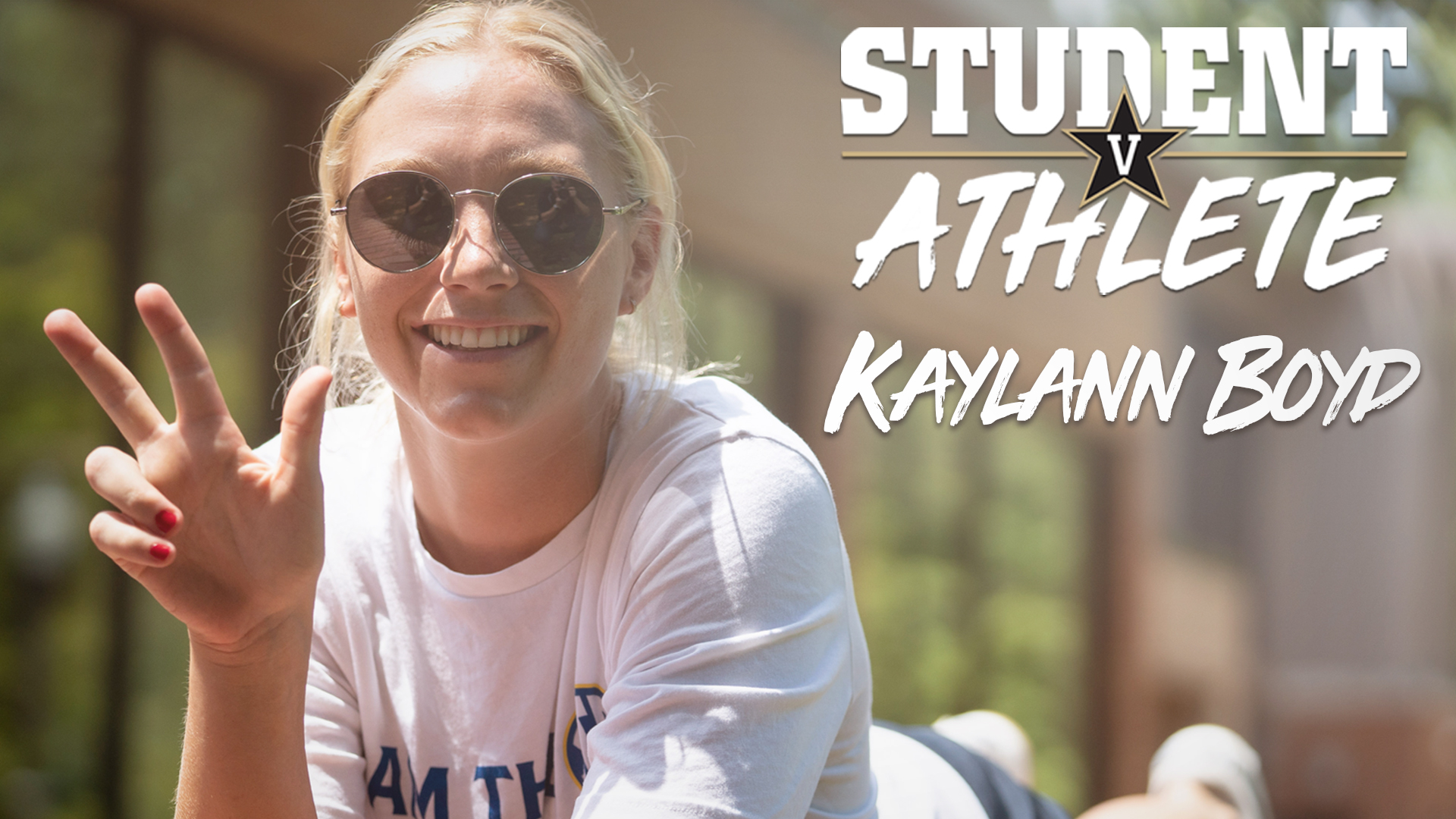
Student-athlete: Kaylann Boyd
Kaylann Boyd, a senior forward on the Vanderbilt soccer team, has never been one to back down from a challenge. Read MoreOct 18, 2019
-
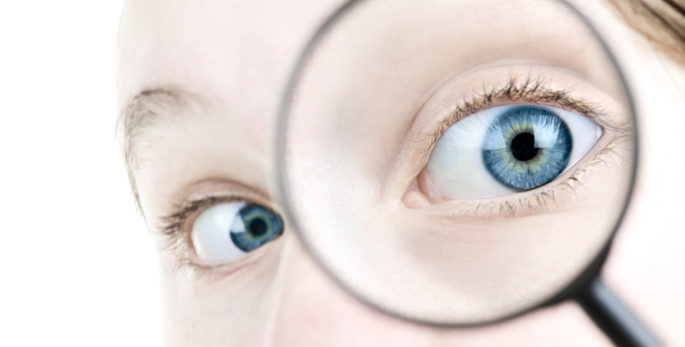
Findings on eye-signal blending re-examine Nobel-winning research
Knowing which neurons are involved in the eye signal blending process also opens the door to targeted brain therapies that reach well beyond eye patches. Read MoreJan 17, 2019
-
Team finds how error and reward signals are organized within cerebral cortex
Psychiatrists diagnose people with schizophrenia, ADHD, bipolar disorder and other mental illnesses by spending time with them, looking for the particular behavior symptoms of each. What follows can be a hit-or-miss series of medications and dosages until disruptive behaviors go away. By deciphering the circuitry of the medial frontal cortex… Read MoreJan 14, 2019
-
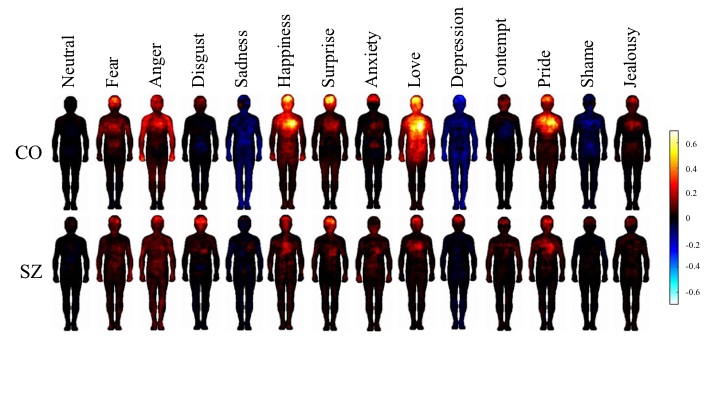
People with schizophrenia experience emotion differently from others, ‘body maps’ show
Vanderbilt University researchers are working to understand how people with schizophrenia experience emotion through their bodies. Read MoreDec 21, 2018
-

Immigrant children in ‘tender age shelters’ at risk for psychological disorders
The practice of separating immigrant children from their parents is very likely to lead to negative effects on emotional and mental health in adolescence. Read MoreDec 19, 2018
-

Vanderbilt faculty ranked among top influencers in education
Seven professors on the faculty at Vanderbilt's Peabody College of education and human development are once again included in the annual Edu-Scholar Public Influence Rankings. Read MoreJan 11, 2018
-
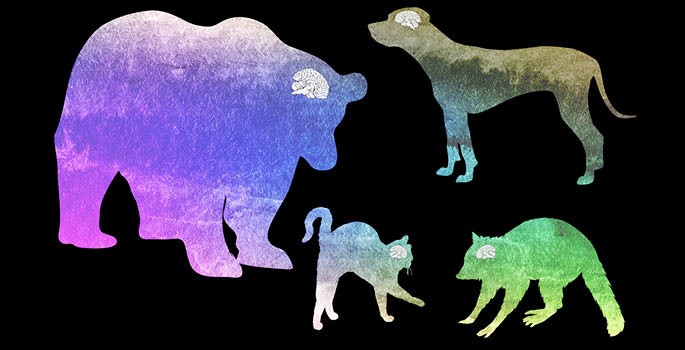
Sorry, Grumpy Cat—Study finds dogs are brainier than cats
The first study to actually count the number of cortical neurons in the brains of a number of carnivores, including cats and dogs, has found that dogs possess significantly more of them than cats. Read MoreNov 29, 2017
-
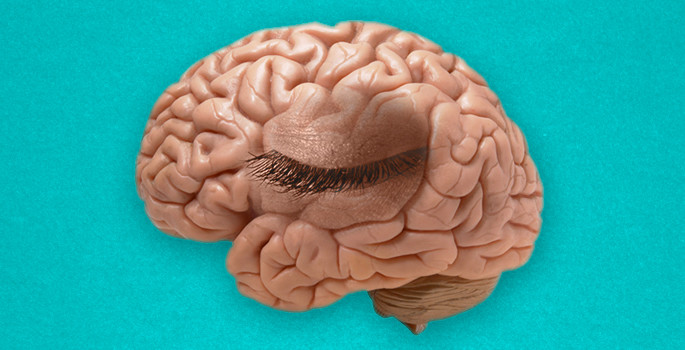
‘Mind’s eye blink’ proves ‘paying attention’ is not just a figure of speech
Vanderbilt psychologists have discovered that when you shift your attention from one place to another, your brain 'blinks'—or experiences momentary gaps in perception. Read MoreNov 21, 2017
-
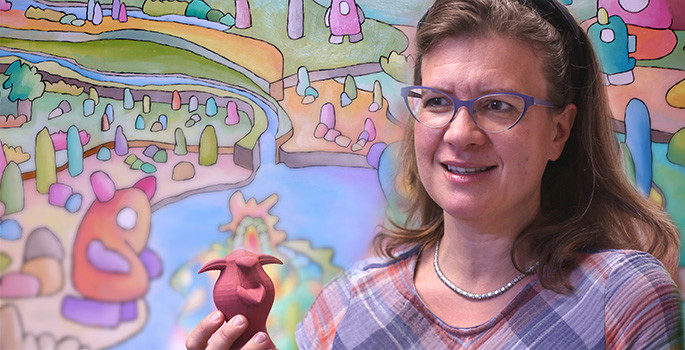
Visual intelligence is not the same as IQ
A new study shows for the first time that there is a broad range of differences in people’s visual ability and that these variations are not associated with individuals’ general intelligence, or IQ. Read MoreNov 7, 2017
-
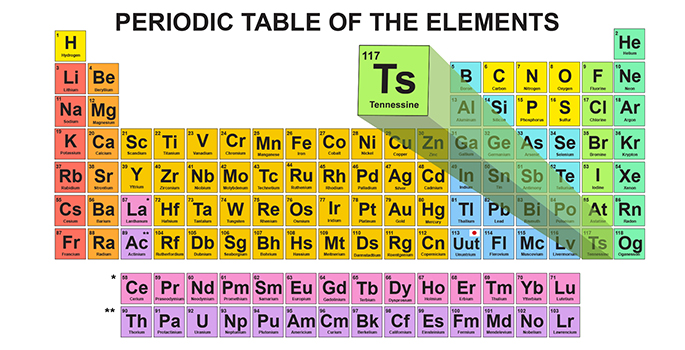
Research that ruled in 2016: Readers’ favorite stories
Artificial kidneys, gay-straight alliances and junkyard batteries captured readers' attention in 2016. Read MoreDec 16, 2016