Department Of Biochemistry
-
Gene network for leukemia factor
A new method speeds the analysis of factors that control gene expression from days to minutes, allowing researchers to uncover new targets for cancer treatment. Read MoreFeb 4, 2021
-
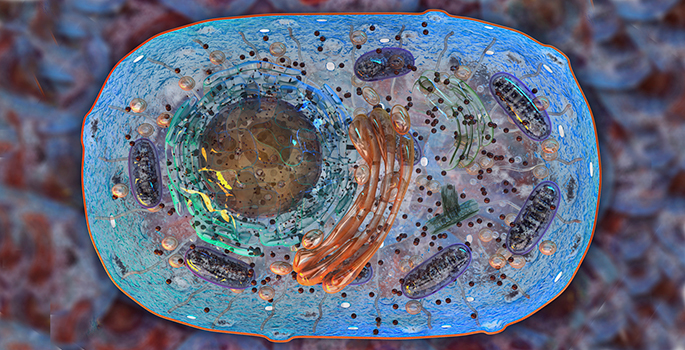
Assembling cell power plant machinery
Tina Iverson and colleagues provide a structural view into the assembly of a protein machine essential for cellular energy production. Read MoreSep 3, 2020
-
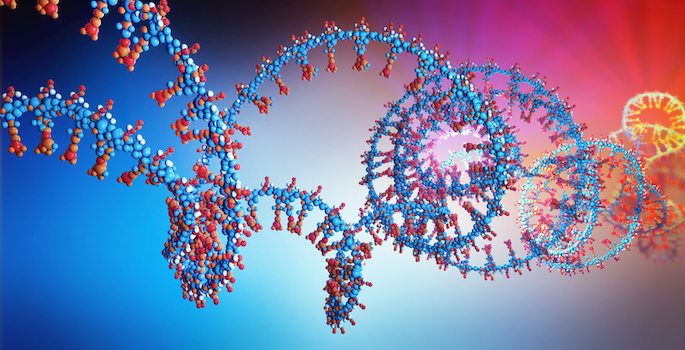
Cellular antiviral defenses
A cellular RNA quality control mechanism was known to restrict replication of RNA viruses. Vanderbilt researchers have discovered it is also antiviral against DNA viruses. Read MoreJul 23, 2020
-

Probing DNA damage repair
After discovering a new mechanism for DNA damage repair last year, Vanderbilt biochemists now provide direct evidence for how it works. Read MoreJun 18, 2020
-

Probing innate immunity
Manuel Ascano team validates an inhibitor of the cGAS-STING signaling pathway, which is important for cellular innate immunity against bacteria, viruses, and our own damaged DNA. Read MoreMay 19, 2020
-
New method captures early viral-host protein interactions
Researchers have developed a method to identify the primary interactions between incoming viral RNA genomes and host proteins. Read MoreMay 7, 2020
-

A dual-purpose metabolic switch
John York and colleagues have demonstrated that the protein Vip1 is a rare type of bifunctional enzyme: it can both synthesize and destroy key cellular signaling molecules. Read MoreMay 5, 2020
-

Cellular factor helps package flu genome
New insights on influenza genome packaging could guide strategies for interfering with the virus's life cycle and ability to cause infection. Read MoreApr 8, 2020
-

Loss of ‘Jedi’ alters neuron activity
This is not the Jedi you're thinking of. This Jedi is a receptor that helps clear away dead neurons during development, and its loss changes the activity of dorsal root ganglia neurons, which could have implications for treating chronic pain. Read MoreMar 10, 2020
-
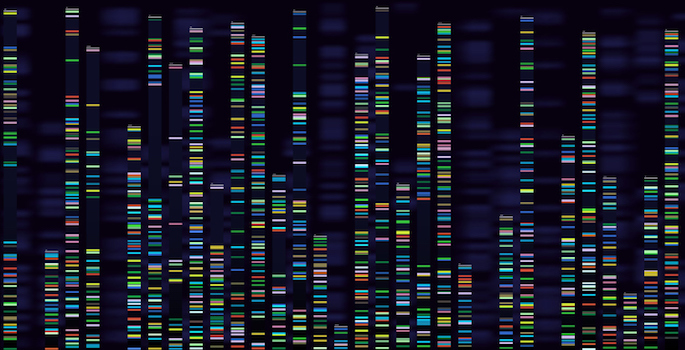
New tool probes gene regulation
Vanderbilt biochemists got unexpected results when they used their new approach to explore the role of DNA methylation in gene regulation. Read MoreFeb 6, 2020
-
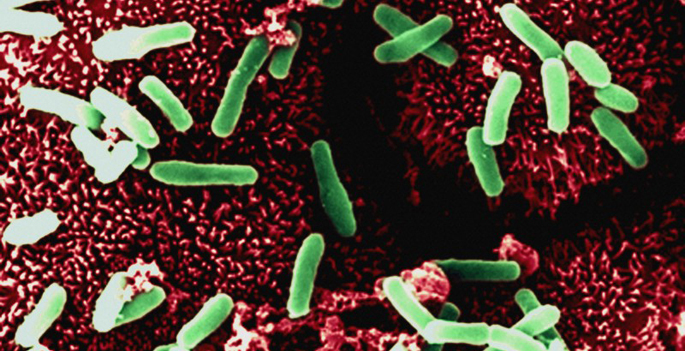
Structural views of a C. diff toxin
D. Borden Lacy and colleagues used cryo-electron microscopy to define the structure of a C. diff toxin, providing a framework for the design of novel therapeutics. Read MoreJan 10, 2020
-

Cell fate signaling
A newly identified protein interaction that affects cell cycle regulation may be an attractive target for cancer therapy. Read MoreDec 17, 2019
-

Study examines HIV drug’s potential to treat Alzheimer’s
A drug used to treat and prevent HIV/AIDS is showing promise as a potential therapy for Alzheimer’s disease. Read MoreDec 12, 2019
-
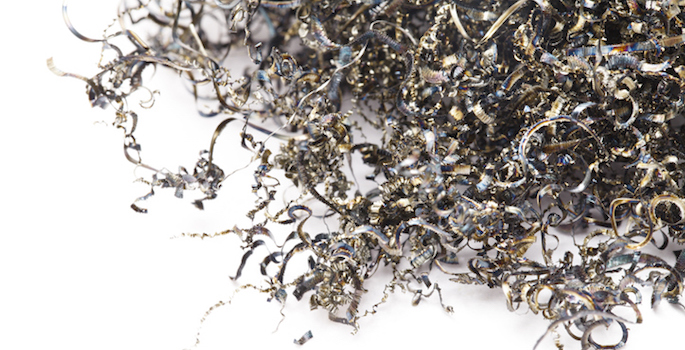
Imaging host-pathogen battle for metal
An unprecedented view of bacterial products within infected tissues opens new opportunities to explore infection biology and devise novel therapeutic strategies. Read MoreOct 31, 2019
-

Completing DNA synthesis
James Dewar and colleagues have identified a role for the enzyme topoisomerase II in reducing replication errors during the final stage of DNA synthesis. Read MoreOct 21, 2019
-
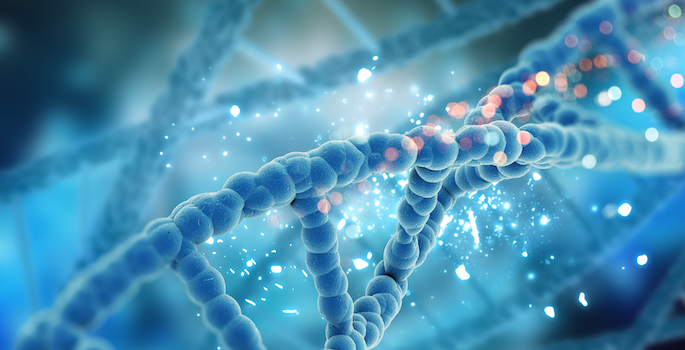
A catalog of DNA replication proteins
Vanderbilt scientists have identified 593 proteins that are enriched at sites of DNA duplication and chromatin packaging of newly synthesized DNA. Read MoreOct 3, 2019
-

Guengerich, Sanders-Bush named ASPET fellows
Vanderbilt University’s F. Peter (Fred) Guengerich, PhD, and Elaine Sanders-Bush, PhD, are among 22 prominent scientists named this week to the inaugural class of fellows of the American Society for Pharmacology and Experimental Therapeutics (ASPET). Read MoreSep 20, 2019
-
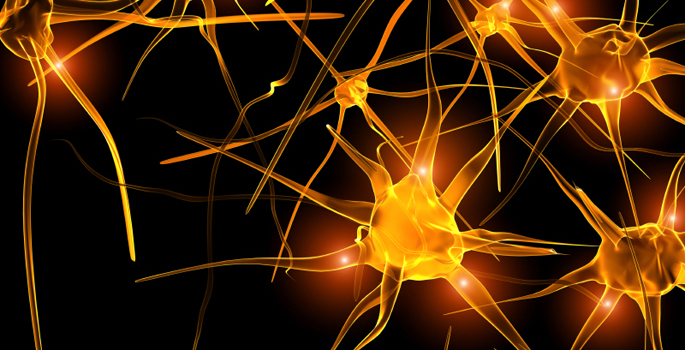
How nerves may lose their insulation
Vanderbilt’s Bruce Carter and colleagues have discovered how genetic changes in the protein PMP22 may contribute to a disease of peripheral nerves. Read MoreAug 22, 2019
-
Team’s study reveals details of new DNA repair pathway
Investigators have discovered how a DNA repair pathway protein shields sites of damage to avoid mutations and maintain genome integrity. Read MoreJul 25, 2019
-

A critical factor for wound healing
Vanderbilt-Ingram Cancer Center scientists have discovered a role for a tumor suppressor protein in skin wound healing. Read MoreJul 16, 2019