Aliquots
-
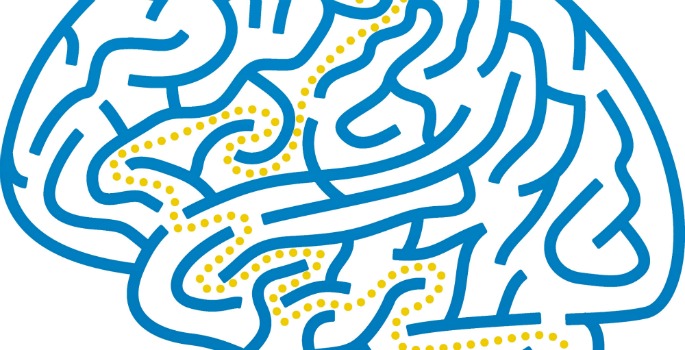
Connecting the dots in schizophrenia
Abnormalities of the hippocampus, a seahorse-shaped brain region involved in learning and memory, may play a role in the psychotic symptoms and cognitive deficits of schizophrenia. Read MoreJul 29, 2011
-

Stress circuitry key to drug relapse
Brain systems involved in the body’s stress response may drive drug relapse. Read MoreJul 22, 2011
-
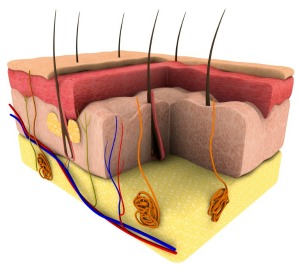
Give me some skin
A new understanding of the biochemical pathway that builds our skin barrier could lead to treatments for skin diseases. Read MoreJul 21, 2011
-

Dad’s diet influences birth timing
It may be possible to prevent preterm birth by modifying the father’s diet before a baby's conception. Read MoreJul 20, 2011
-
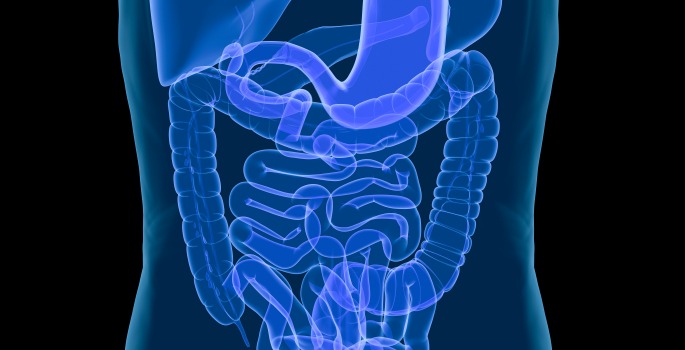
Protein loss sets up pro-tumor state
Loss of the protein p120 in the intestinal lining sets the stage for tumor formation. Read MoreJul 19, 2011
-

Stomach bugs impact nutrient levels
Helicobacter pylori, a bacterium that infects half of the world’s population and increases the risk for stomach cancer, appears to impair nutrient absorption. Read MoreJun 30, 2011
-

Protecting brainpower during radiation
Blocking a certain protein during radiation to treat brain cancers could protect the brain’s thinking powers. Read MoreJun 29, 2011
-

Inflammation relief: what’s the delay?
New research offers hope for patients needing the anti-inflammatory benefits of glucocorticoids without the adverse side effects associated with them. Read MoreJun 28, 2011
-

Antioxidant genes keep stomach moving
Antioxidant genes may be good targets for treating a stomach disorder that affects up to 40 percent of patients with diabetes. Read MoreJun 24, 2011
-

Fine-tuned protein makes memories
Researchers discover new wrinkles in how proteins build memories. Read MoreJun 24, 2011
-

Cocaine’s effects on the teenage brain
Cocaine exposure during the teen years causes long-lasting brain and behavioral changes in rats. Read MoreJun 24, 2011
-
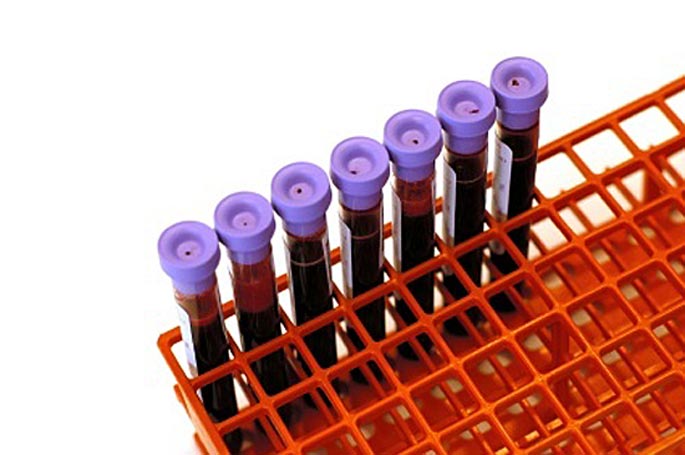
Magnesium affects prostate cancer risk
Low blood levels of magnesium are associated with more aggressive prostate cancer, a recent study suggests. Read MoreJun 3, 2011
-
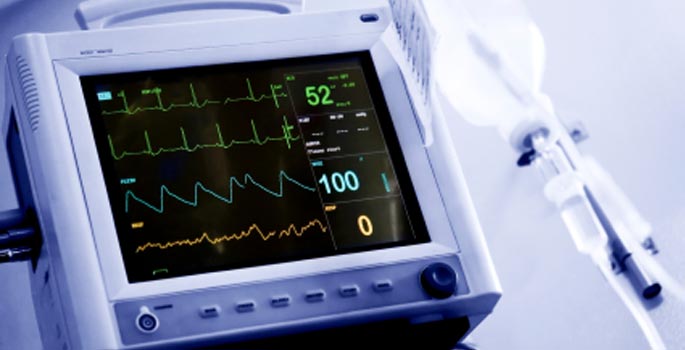
Sex hormone may predict death
Changes in blood levels of the sex hormone estradiol may provide a clinically useful predictor of death in critically ill or injured patients. Read MoreJun 3, 2011
-
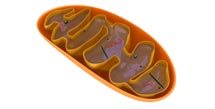
Evolution of cell’s power plant genome
Vanderbilt researchers provide new information about how the genome inside our cellular “power plants” – the mitochondria – has evolved. Read MoreMay 18, 2011
-
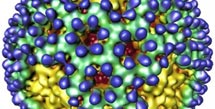
Cells open doors for reovirus
The cellular factor Src helps reoviruses enter cells. Read MoreMay 13, 2011
-

Protein problem after gastric bypass
Protein supplements often recommended after gastric bypass surgery may actually have undesirable metabolic effects, suggests a recent study led by Ronald Clements in the Vanderbilt Center for Surgical Weight Loss. Read MoreMay 13, 2011
-
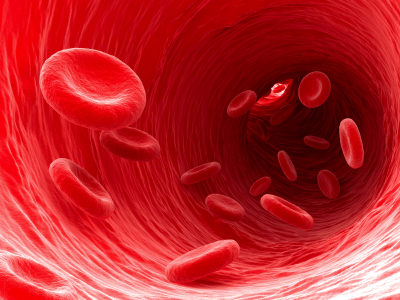
Stents relieve post-infection problem
Placing stents in blood vessels can provide long-term relief from rare complications of a fungal lung infection. Read MoreMay 5, 2011
-
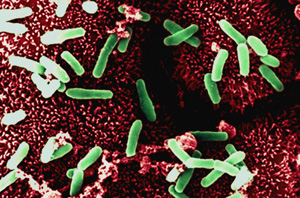
Host cell factors keep toxin at bay
Researchers have identified genes that may influence sensitivity of human cells to a bacterial toxin. Read MoreMay 3, 2011
-

Gene variant impacts exercise blood pressure
Subtle genetic changes can have big effects on blood pressure while exercising. Read MoreApr 28, 2011
-

Fishing for a new model of tuberous sclerosis complex
A zebrafish model of the genetic disease tuberous sclerosis complex will speed new discoveries. Read MoreApr 27, 2011