Research
-

New insight into impulse control
How the brain is wired to control impulsive behavior differs significantly from what psychologists have thought, new research finds. Read MoreAug 30, 2011
-
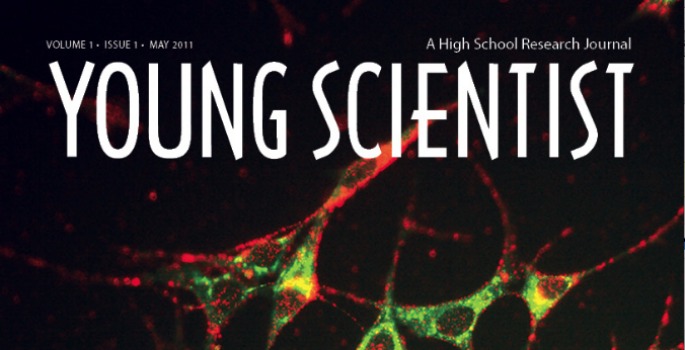
New journal publishes budding scientists’ research
In addition to her high school diploma, Aziza Hart earned an unusual honor this spring – her first scientific paper was published in a new Vanderbilt University journal, Young Scientist. Hart, who graduated from Nashville’s Glencliff High School, spent part of her senior year in a Vanderbilt laboratory, studying… Read MoreAug 30, 2011
-

Grant bolsters liver tumor surgery techniques
A team led by Vanderbilt University biomedical engineer Michael Miga has been awarded a five-year, $3.1 million grant from the National Cancer Institute to enhance image-guided surgery techniques for safely removing liver tumors. Read MoreAug 30, 2011
-

Starvation diet kills staph bacteria
The antibiotics of the future could take a page from the immune system’s playbook – and “starve” bacteria of the nutrients they need. Read MoreAug 26, 2011
-

Keep left, protein says
A regulatory loop in zebrafish may explain how the right and left sides of our brains take on different functions. Read MoreAug 26, 2011
-

Nashville innovations
Last week when the Nashville Scene’s annual Innovations Issue hit the newsstands, three of its ten “forward-thinking ideas that are pushing Nashville – and the world – into the future” came from Vanderbilt. The three campus projects that impressed the Scene editors were: Digging for Drugs:… Read MoreAug 23, 2011
-

Time to anticipate and adapt to climate change
Despite the uncertainties surrounding climate change, it is time to start developing effective strategies to keep the nation’s transportation systems and other critical infrastructure running. Read MoreAug 19, 2011
-

‘Robust’ link between preschool, language and literacy
Preschool teachers’ use of sophisticated vocabulary and analytic talk about books, combined with early support for literacy in the home, can predict fourth-grade reading comprehension and word recognition. Read MoreAug 18, 2011
-
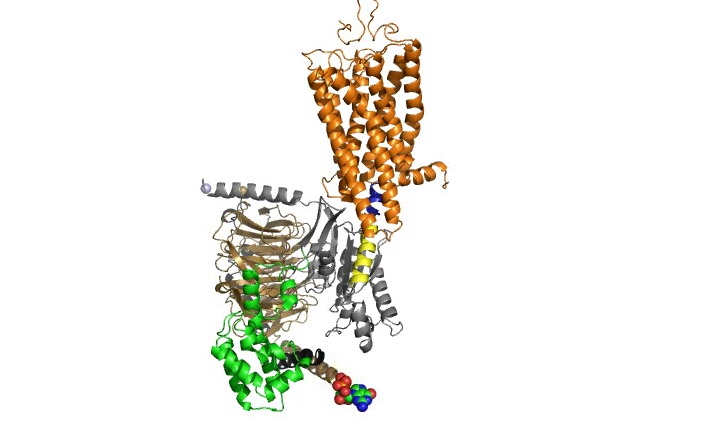
Discovery of how G proteins ‘turn on’ may lead to better drugs
Researchers have discovered how key proteins are “turned on” and transmit signals inside the cell. The discovery could lead to new, more effective drugs. Read MoreAug 18, 2011
-

GIS moves into math and science classrooms
Geographic information systems and geospatial technologies have moved into math and science courses at multiple levels, and teachers are learning how to integrate these tools into curriculums. Read MoreAug 17, 2011
-

New ‘bionic’ leg gives amputees a natural gait
A new lower-limb prosthetic uses the latest advances in computer, sensor, electric motor and battery technology to give it bionic capabilities. Read MoreAug 17, 2011
-

Heart attack repair kit
A certain signaling pathway could be key to improving cardiac repair after a heart attack. Read MoreAug 16, 2011
-

Study seeks genetic profile of mitral valve regurgitation
The Department of Cardiac Surgery and the Division of Cardiology are collaborating on a study to better understand the genetic profile of mitral valve regurgitation. Read MoreAug 15, 2011
-

Commonly prescribed antibiotic may not be best for kids’ MRSA
Researchers at Vanderbilt find less commonly prescribed drug is more effective in treating MRSA skin infections in children. Read MoreAug 15, 2011
-

Focus of fear in Williams syndrome
Brain imaging reveals clues about fear in Williams syndrome. Read MoreAug 11, 2011
-

Depressed brains more stressed
Patients with major depression may have altered gene expression associated with stressful conditions in certain brain areas. Read MoreAug 11, 2011
-

Study suggests new lung cancer therapy schedule
A new lung cancer study led by Vanderbilt-Ingram Cancer Center investigators found that various non-small cell lung cancer cells grow at different rates, which may explain why some tumors become resistant to anti-cancer drugs faster than others. Read MoreAug 10, 2011
-

Cancer study seeks clues to halting metastasis’ march
Vanderbilt researchers have identified small molecules that can restore normal protein expression in human colorectal carcinoma cells and prevent invasive cancer growth. Read MoreAug 10, 2011
-
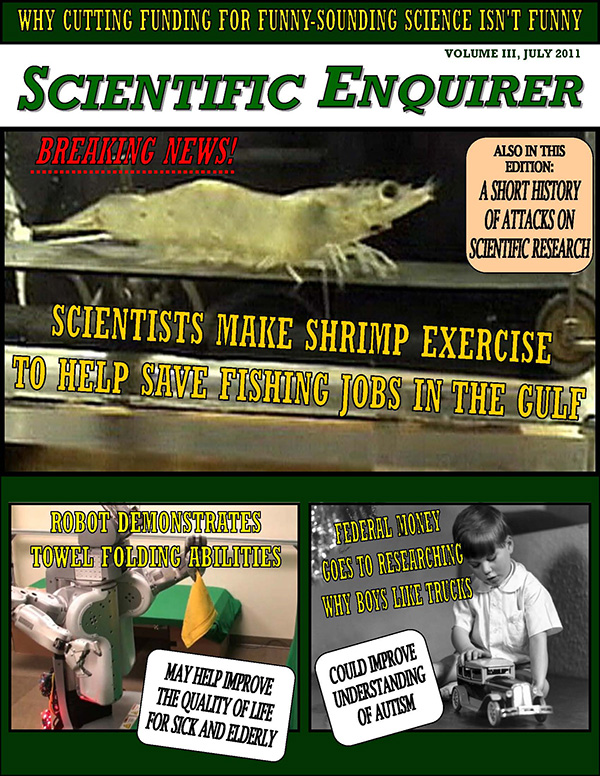
Defending funny-sounding science
It’s easy to make fun of things you don’t understand. That is particularly true of scientific research. In fact, making fun of federally funded science projects has become an unfortunate political tradition. The Association of American Universities has taken up the challenge of defending publicly… Read MoreAug 9, 2011
-

Clear vision of protein interactions
Researchers identify protein partners that may keep the lens of the eye transparent – and free from cataracts. Read MoreAug 5, 2011