Research
-

Project seeks to apply gene testing to drug prescribing
The U.S. Centers for Disease Control and Prevention has awarded Vanderbilt researchers a two-year, $1 million grant to Vanderbilt to develop a model for applying genomic testing to drug prescribing in “real-world” settings. Read MoreNov 11, 2011
-

Breastfeeding problems can be linked to a tied tongue
A simple procedure can correct ‘tongue-tie,’ a commonly missed condition that could prevent newborns from breastfeeding properly. Read MoreNov 10, 2011
-

Vanderbilt and University of Melbourne fund $344,000 in joint research projects
Vanderbilt University and Australia’s University of Melbourne have awarded $344,000 to support eight joint research projects as part of the expansion in their academic partnership announced last fall. Read MoreNov 9, 2011
-

Let there be light and melatonin
Light and the hormone melatonin may play important roles in the developing brain. Read MoreNov 4, 2011
-

Trauma program’s infection-fighting efforts show results
Implementation of antibiotic stewardship tactics as part of infection reduction campaigns sees significant results. Read MoreNov 4, 2011
-

VUCast Newscast: Vanderbilt on “Grey’s Anatomy”
This Week on VUCast, Vanderbilt’s weekly newscast highlighting research, experts, students, sports and everything Vanderbilt: A Vanderbilt doctor’s amazing surgery lands on “Grey’s Anatomy” Scientists create a breakthrough bug repellant A Vandy minister’s actions honored by the White House [vucastblurb] … Read MoreNov 4, 2011
-

NSF renews grant for scientists who study how the brain acquires visual expertise
A network of scientists who study how the brain acquires visual expertise has received a five-year renewal of support from the National Science Foundation. Read MoreNov 3, 2011
-
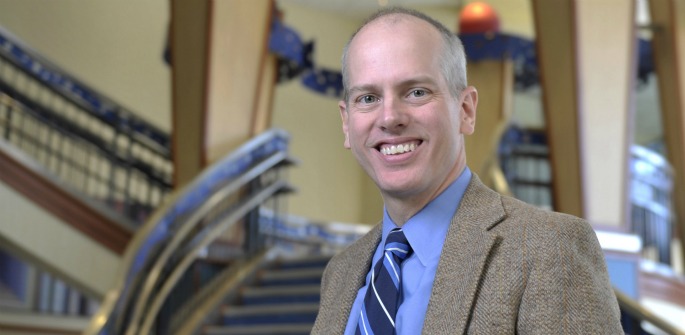
Vanderbilt study finds no heart risk in ADHD medications
Attention Deficit Hyperactivity Disorder (ADHD) medications do not increase the risk for heart disease or heart attack in children and young adults, according to a Vanderbilt study of 1.2 million patients taking drugs including Ritalin, Adderall, Concerta and Strattera between 1998 and 2005. Read MoreNov 2, 2011
-

Theologian says it’s time to rethink meaning of salvation
Dale Andrews of Vanderbilt Divinity School is a proponent of social justice, a way of looking at theology that is diametrically opposed to prosperity theology. "Western preaching has gotten so tied up in privilege and power as evidence of God’s faith,” Andrews said. “I am of the opinion that God holds favor with those who are suffering.” Read MoreNov 1, 2011
-
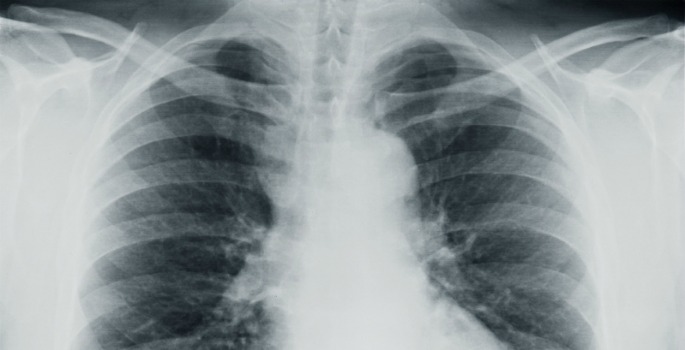
Lung disorder drug regimen found harmful
Longtime treatment for IPF ineffective and even dangerous. Read MoreOct 31, 2011
-

Putting the body back into the mind of schizophrenia
A study using a procedure called the rubber hand illusion has found striking new evidence that people experiencing schizophrenia have a weakened sense of body ownership and has produced the first case of a spontaneous, out-of-body experience in the laboratory. Read MoreOct 31, 2011
-
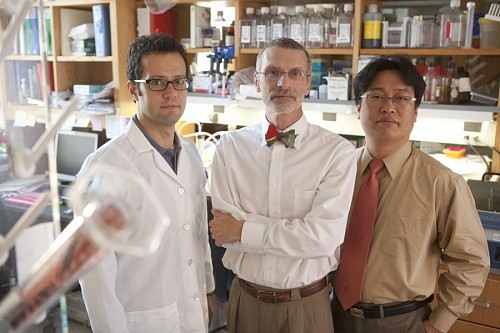
Protein family key to aging linked to suppressing tumors
The list of aging-associated proteins known to be involved in cancer is growing longer, according to research by investigators at Vanderbilt-Ingram Cancer Center and the National Institutes of Health. Read MoreOct 28, 2011
-

Vanderbilt doctors to screen patients taking statins for genetic risk factors
Vanderbilt University Medical Center doctors announced today they will begin screening patients who take commonly prescribed statin drugs for a rare genetic variation that can increase risks for side effects from these drugs such as muscle aches, kidney damage and even death. Read MoreOct 28, 2011
-

Remove a polyp? There’s an app for that!
By packing many tools into one advanced, minimally invasive platform, the MAC offers new capabilities for medical providers and less discomfort for patients undergoing colonoscopy or endoscopy. The robot is one of the initiatives of the Vanderbilt Institute for Surgery and Engineering. SAN DIEGO, Calif. – A team of Vanderbilt… Read MoreOct 28, 2011
-

Anthropologist explores modern Africa and black immigrant experience in America
In her interactions with black immigrants over the years, Jemima Pierre said she discovered a surprising sentiment. "They told me, 'I never knew I was black until I came to the U.S.' I found that fascinating." Read MoreOct 28, 2011
-

Religious scholar’s journey takes him from Millersburg to Bangladesh
Stewart, a specialist in the religions and literatures of the Bengali-speaking world, arrives at Vanderbilt with a reputation as a program builder. Read MoreOct 28, 2011
-
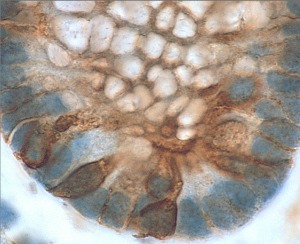
Stopping colitis, STAT
Study suggests a new therapeutic target in ulcerative colitis. Read MoreOct 27, 2011
-

Scientists: engage the public or perish
While listening to a physics colloquium titled “Science: What the Public is Thinking, What Congress is Doing, How You Can Contribute” delivered by Michael S. Lubell, professor of physics at the City College of New York and director of public affairs for the American Physical Society (APS), I couldn’t… Read MoreOct 26, 2011
-
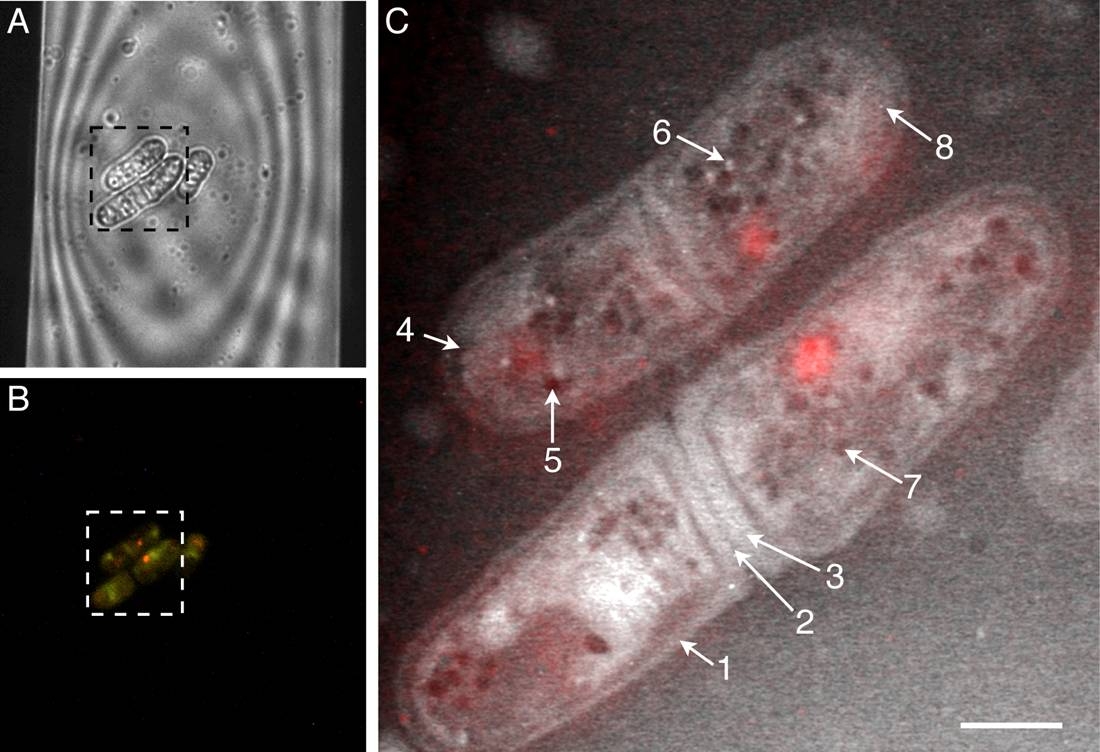
Microscopy method brings ‘nano-world’ into focus
A new technique for imaging whole cells in liquid – with a nanometer resolution that brings into focus individual proteins and other intracellular structures – could dramatically improve the study of cancer, viral infections and brain function. Read MoreOct 25, 2011
-

Listen: Making astronomy meaningful
Professor of Astronomy David Weintraub wanted his students to remember more of what they learned in his introductory class than the answers to typical questions on a quiz show. That was a strong impetus for his book How Old Is The Universe? It strives to make astronomy understandable… Read MoreOct 25, 2011