Research
-

A new mode of DNA repair
Structural details of a protein that removes DNA lesions shed light on fundamental mechanisms of DNA repair. Read MoreApr 14, 2017
-
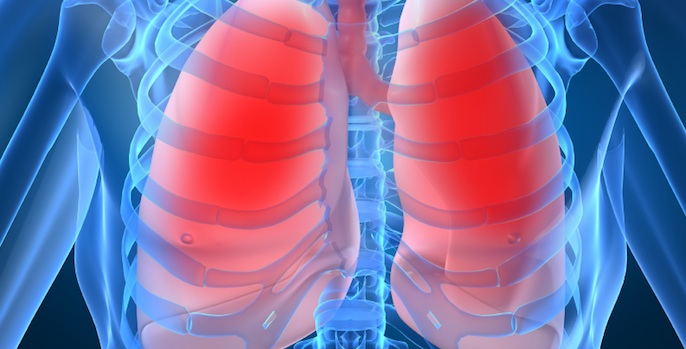
Clue to pulmonary hypertension
Vanderbilt investigators have studied the relationship between race, cardiometabolic traits and pulmonary hypertension. Read MoreApr 13, 2017
-

Teacher merit pay has merit: new report
Teacher merit pay programs have been associated with a statistically significant positive effect on student outcomes. Read MoreApr 11, 2017
-

Forget sponges: the earliest animals were marine jellies
A powerful new method has been devised to settle contentious phylogenetic tree-of-life issues. such as "What is the oldest branch of the animal family tree?" Read MoreApr 10, 2017
-

Fears about college debt vary by subgroup, study finds
Loan aversion is more common in prospective college students than previously documented and may be affected by gender, age and race. Read MoreApr 7, 2017
-

Venezuelans oppose closing the legislature in government standoff
A new survey in Venezuela shows that the public objects to efforts to curb the legislature's power. Read MoreApr 7, 2017
-

Sticker shock: How price awareness can curb consumer enjoyment
Everyone has experienced the unpleasant shock of a high price tag before buying something. But it turns out that price can have an impact on consumer perceptions even after a purchase is made. Read MoreApr 7, 2017
-

Risky business
Vanderbilt investigators have developed hospital readmission models that may help prevent payment penalties to hospitals when patients are readmitted too soon after discharge. Read MoreApr 5, 2017
-
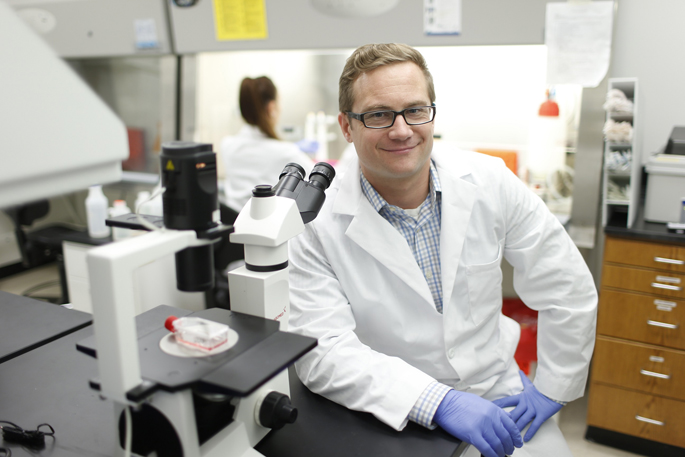
Vanderbilt investigator lands Stand Up To Cancer grant for “smart” nanoparticles cancer research
John Wilson, Ph.D., assistant professor of Chemical and Biomolecular Engineering and of Biomedical Engineering at Vanderbilt University, has received an Innovative Research Grant from Stand Up To Cancer (SU2C). Wilson is among 10 early-career scientists to receive the grant awards focused on immuno-oncology. Read MoreApr 3, 2017
-
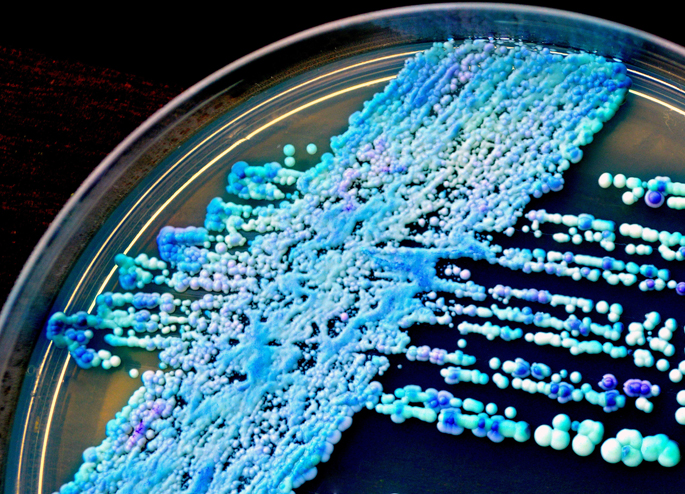
Fighting fungal infections
A detailed structural and functional analysis of the yeast protein that is the main target of antifungal drugs will help direct efforts to develop better treatments. Read MoreApr 3, 2017
-

A molecular clue to longevity
In budding yeast, accumulation of a certain type of RNA in the nucleus increased life span, offering a new clue to longevity. Read MoreMar 31, 2017
-

Symposium on modeling immunity set for April 27
The 2017 Vanderbilt Symposium on Modeling Immunity will be held from 1 to 4:30 p.m. Thursday, April 27, in room 1220 MRB III. Read MoreMar 30, 2017
-

Nanobeacon lights up colon tumors
A novel fluorescent nanobeacon can distinguish normal from diseased colon tissue, potentially offering advantages for colorectal cancer screening. Read MoreMar 30, 2017
-

Making America’s power grid much, much smarter
A new, open-source software platform has been designed to support applications required to create a smart power grid and protect it from dangers ranging from terrorists to tree limbs. Read MoreMar 29, 2017
-

Rebuilding middle class is the key to preserving democracy
Law professor Ganesh Sitaraman: "Our Constitution wasn’t designed for a country with significant economic inequality." Read MoreMar 24, 2017
-
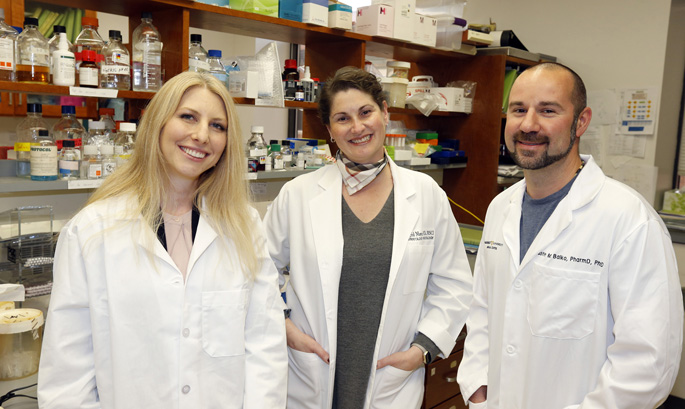
Breast cancer program lands new research grants
Several investigators in Vanderbilt-Ingram Cancer Center’s (VICC) Breast Cancer Program have received grant awards to support translational research that may improve disease outcomes for patients. Read MoreMar 23, 2017
-

Study takes 3-D perspective on colorectal cancer
Despite dramatic recent advances in treatment, colorectal cancer killed more than 49,000 Americans last year, according to the National Cancer Institute, making it the second most lethal malignancy after cancers of the lung and bronchus. Read MoreMar 23, 2017
-

Blocking neuroblastoma cell growth
An inhibitor of cell metabolism may be a good therapeutic target for neuroblastoma, which accounts for about 15 percent of pediatric cancer-related deaths. Read MoreMar 22, 2017
-

‘Flying saucer’ quantum dots hold secret to better, brighter lasers
Vanderbilt University chemists collaborated in research that ‘squashes’ the shape of nanoparticles to create inexpensive lasers that continuously emit light in a customizable rainbow of colors. Read MoreMar 20, 2017
-

Delirium in the ED
Interventions for delirium in the emergency department setting are needed to preserve patients’ long-term function and cognition, Vanderbilt investigators have found. Read MoreMar 20, 2017