Research
-

Researchers study unique couples intervention in Mozambique to reduce HIV transmission
Researchers in the Vanderbilt Institute for Global Health are testing whether a unique “couples-centered” intervention developed in the southern African nation of Mozambique can reduce mother-to-child transmission of HIV. Read MoreAug 3, 2017
-
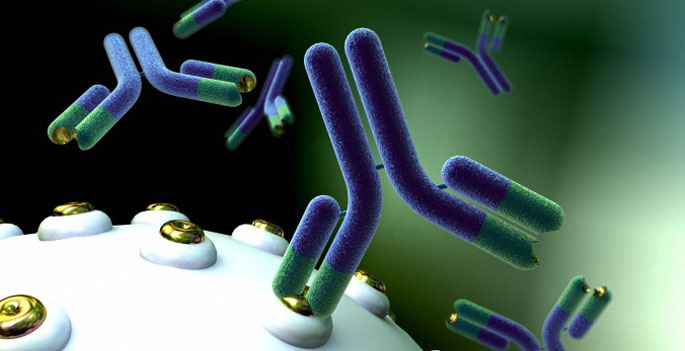
HDAC3 role in B-cell development
The histone deacetylase HDAC3 is required for the maturation of B cells, white blood cells that produce antibodies. Read MoreAug 3, 2017
-
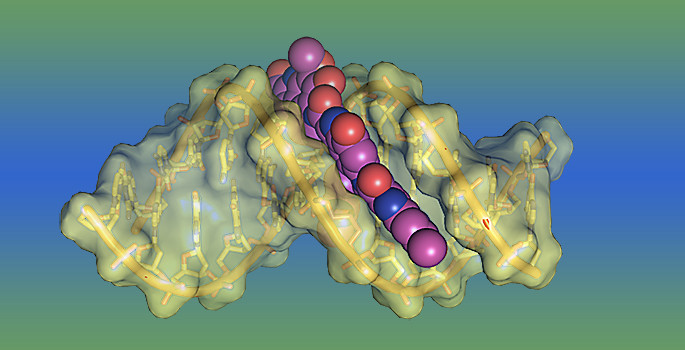
Deciphering potent DNA toxin’s secrets
Vanderbilt researchers uncover the secret of the remarkable potency of the DNA toxin yatakemycin, which could someday be harnessed to fight cancer. Read MoreAug 1, 2017
-

Investigators use light to kill microbial ‘vampires’
On July 24 Vanderbilt scientist Eric Skaar, Ph.D., MPH, summarized his group’s latest paper in a tweet: “If S. aureus is going to drink our blood like a vampire, let's kill it with sunlight.” Read MoreJul 27, 2017
-

Multitasking monolayers
Scientists have discovered a natural process that makes patterned monolayers suitable for creating a wide variety of novel materials with dual optical, magnetic, catalytic or sensing capabilities. Read MoreJul 21, 2017
-

Ultrathin device harvests electricity from human motion
A new energy harvesting system developed at Vanderbilt University can generate electrical current from the full range of human motions and is thin enough to embed in clothing. Read MoreJul 21, 2017
-

Probing the genetics of autoimmunity
Vanderbilt researchers have found that non-coding regions of the genome appear to contribute to the risk of autoimmune diseases and may represent attractive therapeutic targets. Read MoreJul 21, 2017
-
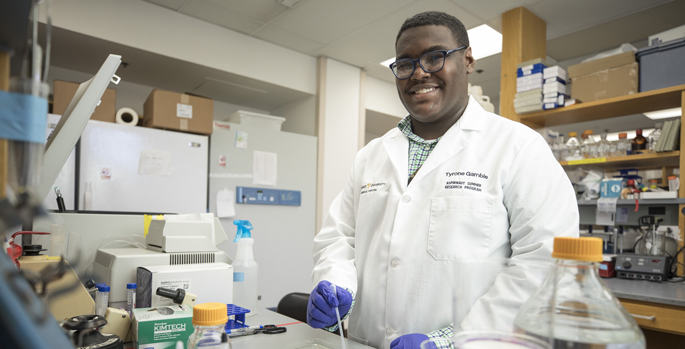
Aspirnaut program helps launch students into science
Now in its ninth year, a unique summer research program at Vanderbilt University Medical Center (VUMC) designed primarily for rural students with limited resources is proving that talent has no zip code. Read MoreJul 20, 2017
-

Osher Center to study standards for mindfulness training
As mindfulness grows in popularity as a treatment option for conditions ranging from anxiety to chronic pain, experts in integrative medicine at Vanderbilt are doing research to better quantify its effectiveness and setting standards for how it is administered. Read MoreJul 20, 2017
-
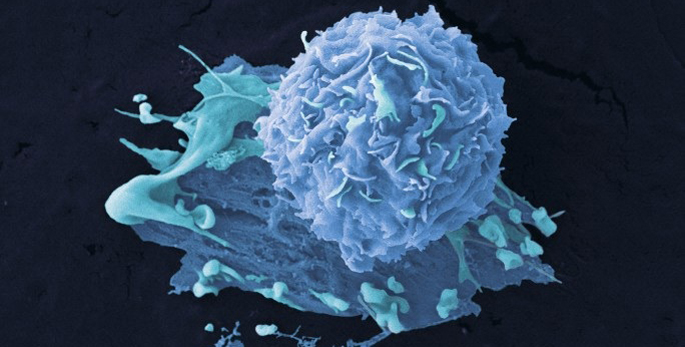
Drivers of breast cancer metastasis
Signaling through a complex of proteins called mTORC2 plays a role in breast cancer migration, invasion and metastasis, Vanderbilt researchers reported. Read MoreJul 20, 2017
-

Economist explains impacts of Senate health plan
Vanderbilt University economist Andrew Goodman-Bacon, who studies the long-term effects of public safety net programs like Medicaid, gives his take on the latest Senate health care proposal. Read MoreJul 17, 2017
-
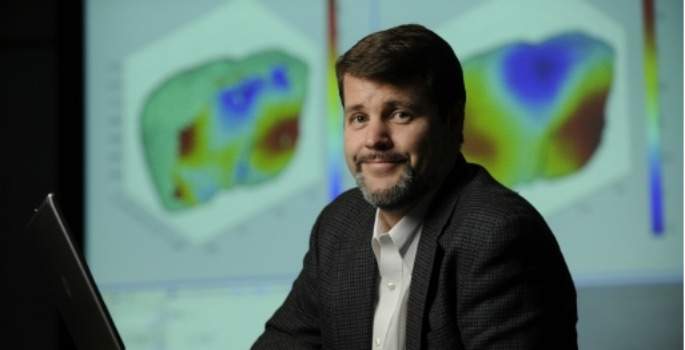
New tools help surgeons find liver tumors, not nick blood vessels
The liver is a particularly squishy, slippery organ, prone to shifting both deadly tumors and life-preserving blood vessels by inches between the time they’re discovered on a CT scan and when the patient is lying on an operating room table. Vanderbilt University’s Michael Miga and his team have published the potential solution. Read MoreJul 17, 2017
-
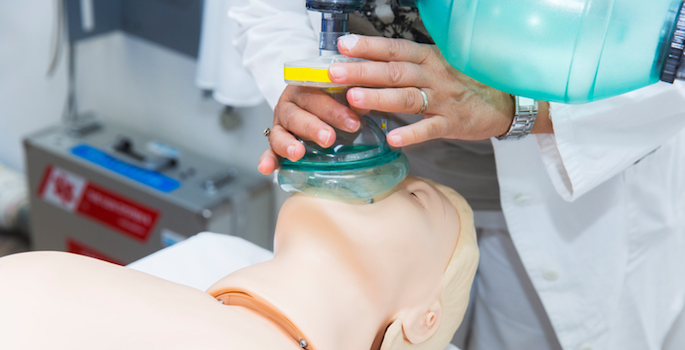
Study seeks to improve emergency event management
Anesthesiology has a long history of scrutinizing its practice and developing strategies for improvement. Read MoreJul 13, 2017
-

New approach for staph-related skin abscesses explored
New multicenter research that includes Vanderbilt University Medical Center (VUMC) investigators, could change treatment approaches to simple skin abscesses, infections often caused by Staphylococcus aureus (staph) bacteria. Read MoreJul 13, 2017
-
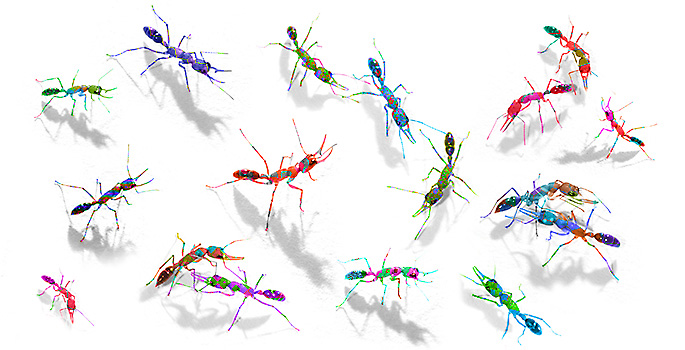
Decoding ants’ coat of many odors
A team of biologists report a major advance in deciphering the molecular genetics underlying the ant's high-definition sense of smell, an ability that underpins their highly complex society. Read MoreJul 10, 2017
-
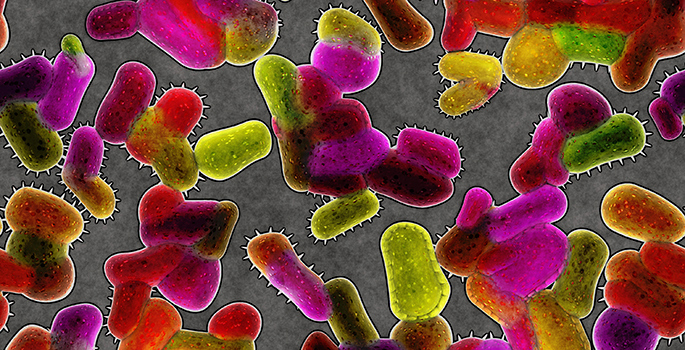
Bile acids, microbiota and colon cancer
Bile acids produced by a western diet alter the composition of the gut microbiota and promote intestinal carcinogenesis. Read MoreJul 5, 2017
-

NOTCH1 role in heart development
The identification of a genetic culprit for hypoplastic left heart syndrome could lead to new treatments for the condition. Read MoreJul 3, 2017
-

Rounds: A message from the President and CEO of VUMC
News from our nation’s capital about budget proposals that would reduce funding that universities and academic medical centers are reimbursed for providing health care to the nation’s poor and underserved, and for conducting research that supports the nation’s health, security, and economic leadership, has reached a cacophony. Read MoreJun 30, 2017
-

Cytokine linked to blindness
A signaling molecule called interleukin-6 may be a therapeutic target to prevent vision loss or nerve degeneration in glaucoma, Vanderbilt researchers have discovered. Read MoreJun 30, 2017
-
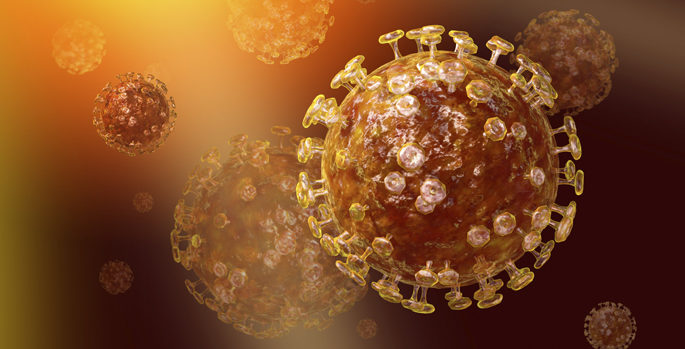
Team investigates antiviral that inhibits SARS, MERS
A new antiviral drug candidate inhibits a broad range of coronaviruses, including the SARS and MERS coronaviruses, a multi-institutional team of investigators reports this week in Science Translational Medicine. Read MoreJun 29, 2017