Leigh MacMillan
-

Immune landscape in adrenal cancer
The profile of immune-related gene expression and tumor-infiltrating immune cells in adrenocortical cancer suggests targets for new treatment strategies. Read MoreDec 14, 2021
-

Oral microbes and gastric cancer
Studies in three large population cohorts that include Asian, African American and European American people support a role for the oral microbiota — the collection of microbial species in the mouth — in gastric cancer development. Read MoreDec 13, 2021
-
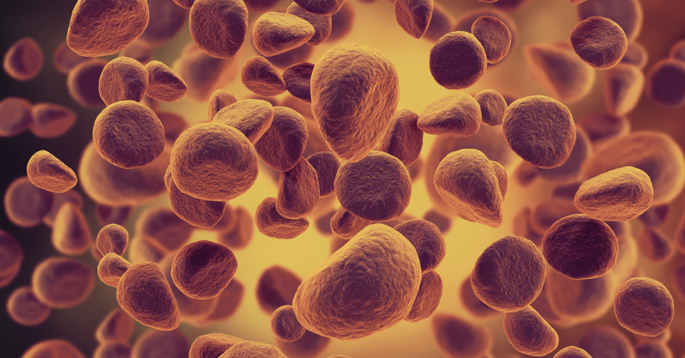
Cell signaling targets in leukemia
Vanderbilt researchers identified a critical role for IL-1beta signaling in leukemia cells with a certain mutation, suggesting this pathway may be a good target for novel treatments. Read MoreDec 9, 2021
-
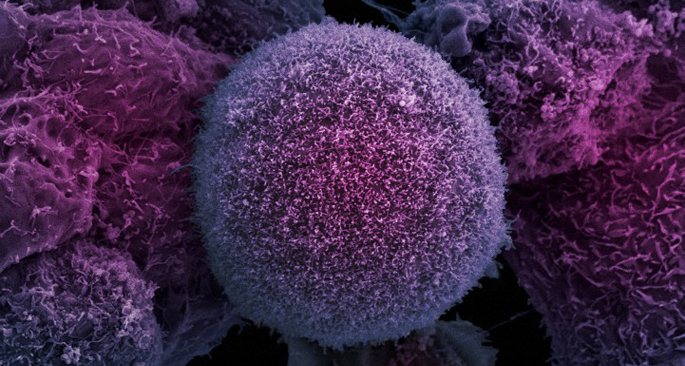
Prostate cancer treatment regret
Vanderbilt researchers suggest that to reduce treatment-related regret for men with localized prostate cancer, treatment preparation should focus on shared decision-making and aligning patient expectations with treatment toxicity. Read MoreDec 9, 2021
-

International study supports dupilumab for treatment of moderate-to-severe asthma in children
In a late-stage clinical trial, the biologic agent dupilumab reduced the rate of severe asthma attacks and improved lung function and asthma control for children ages 6 to 11 with moderate-to-severe asthma, offering a new option to these patients. Read MoreDec 8, 2021
-

Brain circuits in schizophrenia
Vanderbilt psychiatrists are probing brain circuit hyperactivity implicated in schizophrenia, with the idea that normalizing the hyperactivity may improve cognitive processes. Read MoreSep 20, 2021
-

Structural variants in breast cancer risk genes
Vanderbilt epidemiologists conducted in-depth whole genome sequencing of breast cancer risk genes in Black women, who die at higher rates and have more aggressive disease, to discover mutations that may improve testing and treatment selection. Read MoreSep 16, 2021
-
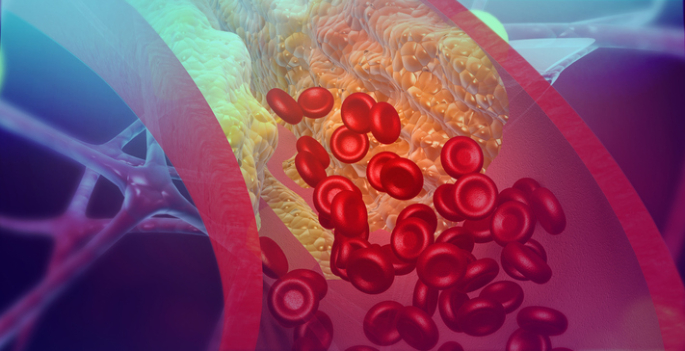
Vitamin D impact on disease biomarkers
In a randomized controlled trial, vitamin D supplementation did not improve biomarkers for cardiovascular and metabolic disease. Read MoreAug 10, 2021
-

Prediction models for breast cancer
Vanderbilt researchers developed new prognostic models for breast cancer outcomes and found that adding postdiagnostic weight change as a factor improves the prediction. Read MoreJul 27, 2021
-
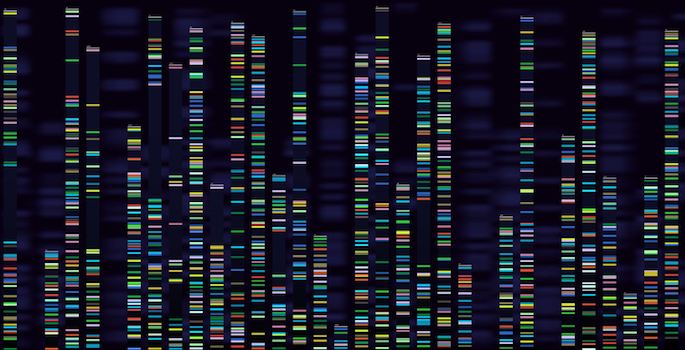
Probing statin-associated diseases with genetics
Vanderbilt researchers used genetics tools and biobanks with linked electronic health records to explore the associations between statins and noncardiovascular diseases. Read MoreJul 12, 2021
-

Genetics of hydrocephalus
Fluid build-up in the brain — hydrocephalus — increases pressure and risk for brain damage; Vanderbilt researchers have now identified genes and signaling pathways associated with the condition. Read MoreJul 8, 2021
-
Treating metastatic prostate cancer
An indirect comparative effectiveness study using published data suggests that the targeted therapy olaparib should be re-evaluated for treating metastatic prostate cancer. Read MoreJun 22, 2021
-
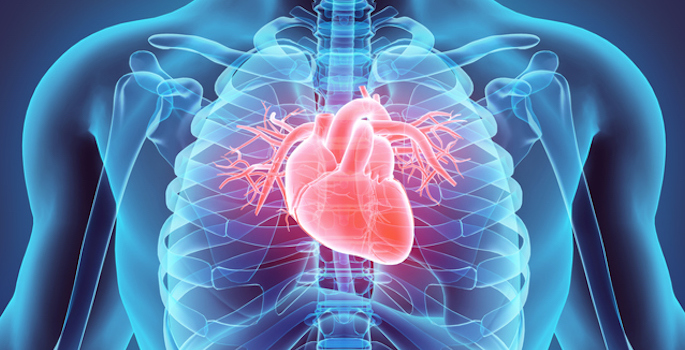
Heat for hypertension in autonomic failure
Heat therapy could offer a novel nonpharmacologic approach for treating the overnight hypertension that affects patients with autonomic failure. Read MoreMay 25, 2021
-
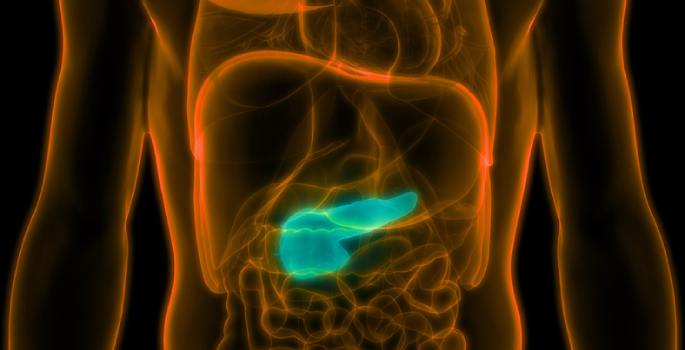
Beta cell regeneration
Vanderbilt researchers dissected the complex microenvironment of the pancreatic islet to discover the signals that drive beta cell regeneration — as a possible treatment for diabetes. Read MoreMay 20, 2021
-

New strategy to treat brain bleeding
Vasorelaxing peptides could offer a promising therapeutic strategy for reducing the neurological deficits caused by subarachnoid hemorrhage-induced cerebral blood vessel constriction. Read MoreMay 4, 2021
-
New therapeutic strategy for leukemia syndrome
Using primary cells from patients with chronic myelomonocytic leukemia, Vanderbilt researchers found synergistic inhibition of cell viability and proliferation, suggesting a new treatment strategy. Read MoreApr 20, 2021
-
Arrhythmia culprit: supertrafficking ion channel
Charles Sanders, PhD, and colleagues show how a “supertrafficking” mutant potassium channel contributes to heart rhythm abnormalities. Read MoreApr 15, 2021
-
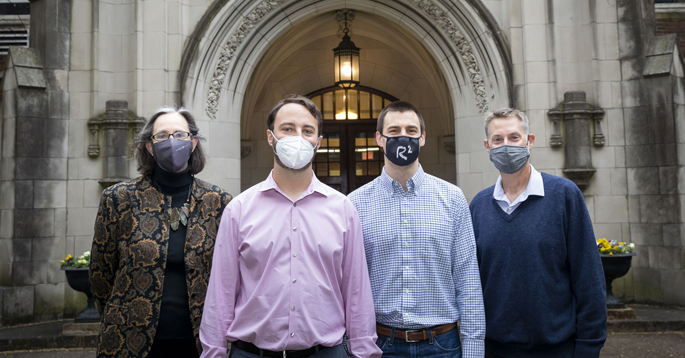
Study revises understanding of cancer metabolism
Tumors consume glucose at high rates, but a team of Vanderbilt researchers has discovered that cancer cells themselves are not the culprit, upending models of cancer metabolism that have been developed and refined over the last 100 years. Read MoreApr 7, 2021
-
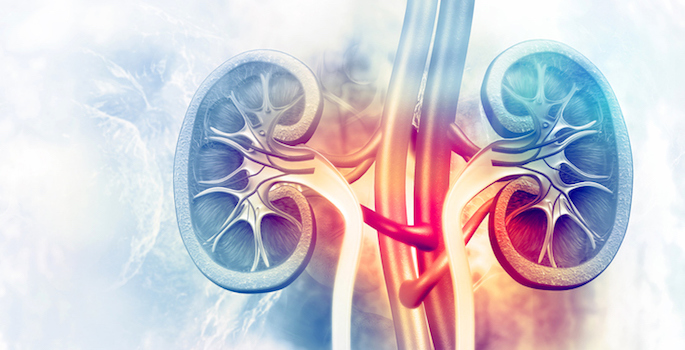
Genetic differences in Wilms tumor
Unique somatic gene mutations may contribute to racial disparities in the incidence of Wilms tumor — the most common childhood kidney cancer. Read MoreApr 6, 2021
-

Codeine metabolizer status in clinical practice
Vanderbilt researchers have developed a response score using genetic and clinical information to aid prescribing of the widely used pain medication codeine. Read MoreApr 5, 2021