David Salisbury
-
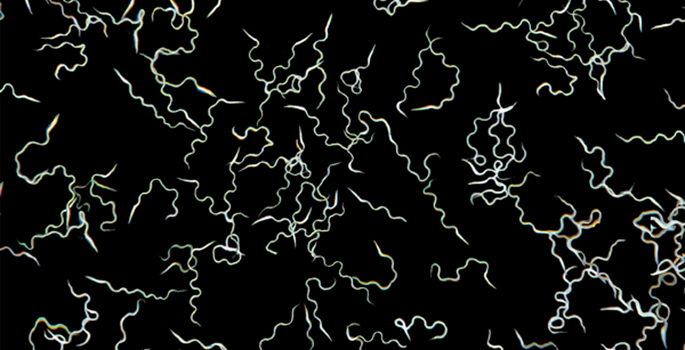
Mosquito sperm have a sense of smell
Vanderbilt biologists have discovered that mosquito sperm have a “sense of smell” and that some of same chemicals that the mosquito can smell cause the sperm to swim harder. Read MoreFeb 3, 2014
-

In the brain, the number of neurons in a network may not matter
A study has found that the time it takes neural networks in the brain to make decisions is remarkably stable regardless of size: a finding that could make it easier to achieve the goal of the President's BRAIN Initiative established last spring. Read MoreFeb 3, 2014
-

Vanderbilt research featured in Science News’ top science story of 2013
The popular science magazine Science News has chosen a story featuring research by Vanderbilt's Seth Bordenstein and Robert Brucker as its top science story for the year. Read MoreJan 17, 2014
-

Surprising new class of “hypervelocity stars” discovered escaping the galaxy
Two Vanderbilt astronomers are among an international team that has discovered a surprising new class of “hypervelocity stars” – solitary stars moving fast enough to escape the gravitational grasp of the Milky Way galaxy. Read MoreJan 9, 2014
-
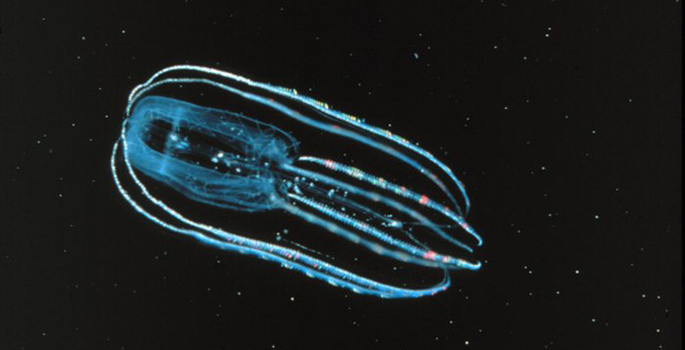
Could comb jellies, close cousins of jellyfish, be the earliest ancestors of animals?
With their intricate, translucent shapes and elaborate bioluminescent displays, comb jellies add beauty and mystery to the ocean depths. They also have an important story to tell about the origin of animals. Read MoreDec 13, 2013
-

Study gives new meaning to ‘let your fingers do the walking’
A new study has found that skilled typists can’t identify the positions of many of the keys on the QWERTY keyboard and that novice typists don’t appear to learn key locations in the first place. Read MoreDec 4, 2013
-
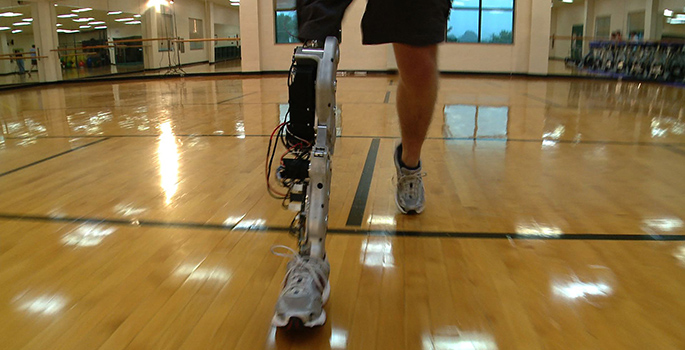
Robotic advances promise artificial legs that emulate healthy limbs
Recent advances in robotics technology make it possible to create prosthetics that can duplicate the natural movement of human legs which promises to dramatically improve the mobility of lower-limb amputees. Read MoreNov 7, 2013
-
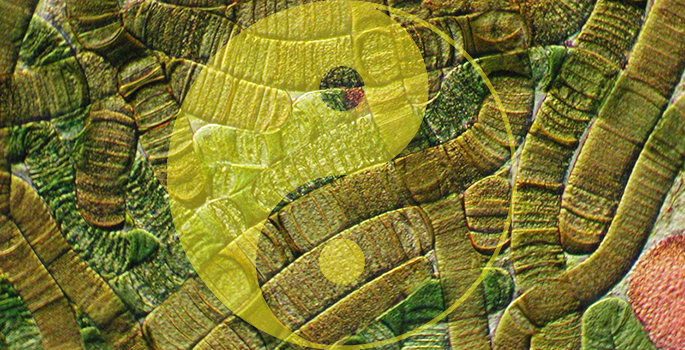
Tricking algae’s biological clock boosts production of drugs, biofuels
Tricking algae’s biological clock to remain in its daytime setting can dramatically boost the amount of commercially valuable compounds that these simple marine plants can produce when they are grown in constant light. Read MoreNov 7, 2013
-
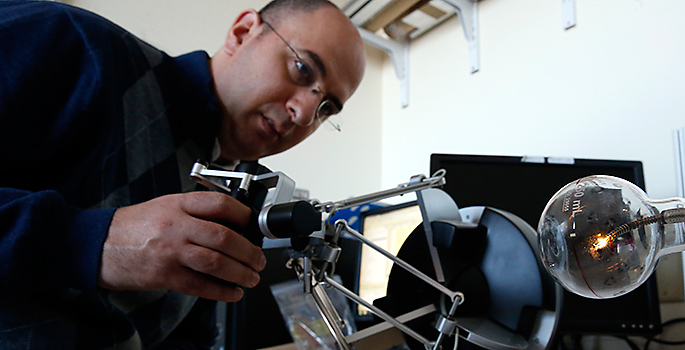
National Robotics Initiative grant will provide surgical robots with a new level of machine intelligence
Providing surgical robots with a new kind of machine intelligence that significantly extends their capabilities and makes them much easier and more intuitive for surgeons to operate is the goal of a major new grant announced as part of the National Robotics Initiative. Read MoreOct 25, 2013
-

Using sound waves for bomb detection
A remote acoustic detection system designed to identify homemade bombs can determine the difference between those that contain low-yield and high-yield explosives. Read MoreOct 23, 2013
-
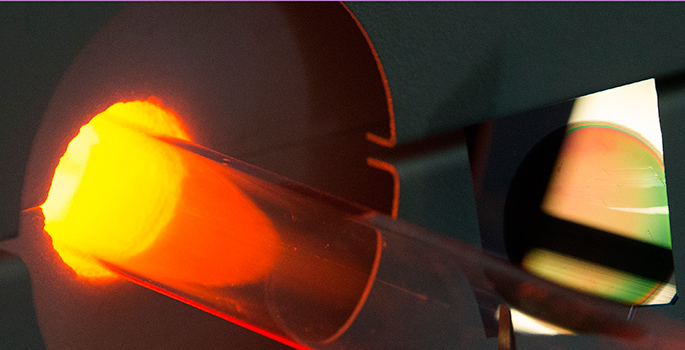
New device stores electricity on silicon chips
Solar cells that produce electricity 24/7. Cell phones with built-in power cells that recharge in seconds and work for weeks between charges: These are just two of the possibilities raised by a novel supercapacitor design invented by material scientists at Vanderbilt University. Read MoreOct 22, 2013
-

Restoring surgeons’ sense of touch during minimally invasive surgeries
A team of engineers and doctors have developed a new wireless capsule that can give surgeons back their sense of touch when performing minimally invasive surgery. Read MoreOct 15, 2013
-
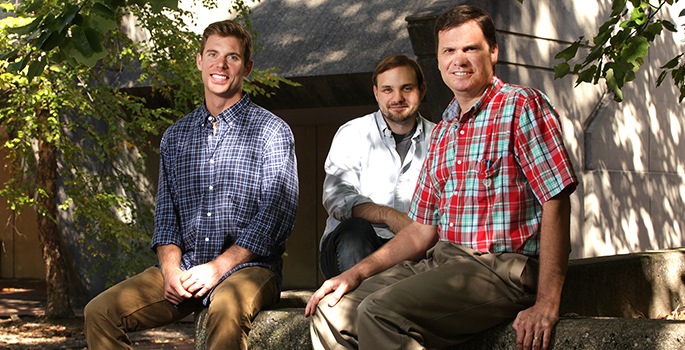
Students receive national award to help commercialize wound-healing foam
A pair of Vanderbilt graduate students has received a national award of $15,000 to pursue the development of an unique synthetic foam as a new treatment for deep skin wounds such as chronic foot ulcers caused by diabetes. Read MoreOct 2, 2013
-

Finding the place where the brain creates illusory shapes and surfaces
Neuroscientists have identified the location in the brain's visual cortex responsible for generating a common perceptual illusion: seeing shapes and surfaces that don't really exist when viewing a fragmented background. Read MoreSep 30, 2013
-
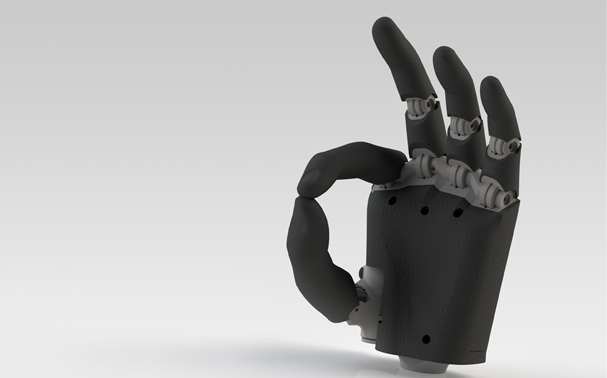
Vanderbilt Medicine: Robotics revolution
In the foreseeable future, robots will be sticking steerable needles in your brain to remove blood clots; capsule robots will be crawling up your colon as a painless replacement for the colonoscopy; and ultra-miniaturized snake robots will remove tumors from your bladder and other body cavities. Read MoreSep 11, 2013
-

Vanderbilt startup BioNanovations gets accelerated
Vanderbilt graduate student Charleson Bell, who is the president of the high tech startup BioNanovations, is participating in a 12-week accelerator program in Silicon Valley specifically designed to encourage underrepresented tech entrepeneurs. Read MoreAug 30, 2013
-

A brighter method for measuring the surface gravity of distant stars
Astronomers have found a clever new way to slice and dice the flickering light from a distant star in a way that reveals the strength of gravity on its surface. Read MoreAug 21, 2013
-
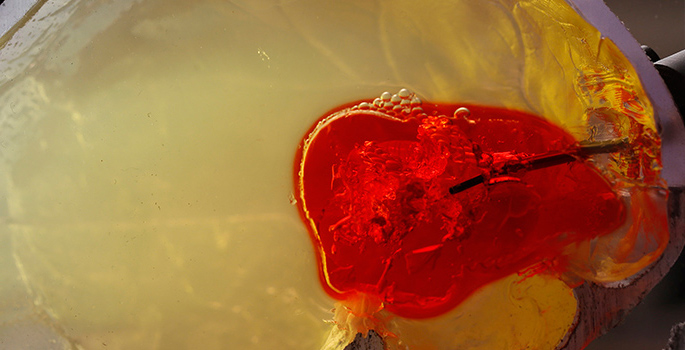
Robot uses steerable needles to treat brain clots
Surgery to relieve the damaging pressure caused by hemorrhaging in the brain is a perfect job for a robot. That is the basic premise of a new image-guided surgical system under development at Vanderbilt University. Read MoreAug 8, 2013
-
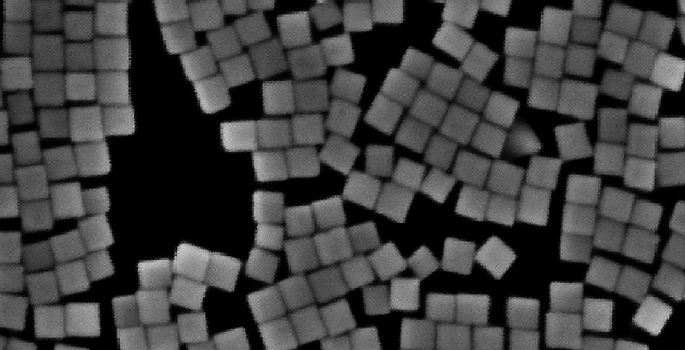
Size matters in nanocrystals’ ability to release gases
More efficient catalytic converters on autos, improved batteries and more sensitive gas sensors are some of the potential benefits of a new system that can directly measure the manner in which nanocrystals adsorb and release hydrogen and other gases. Read MoreAug 6, 2013
-
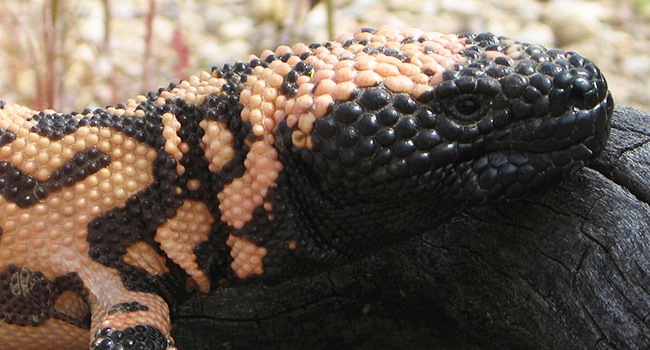
Award recognizes researcher who discovered diabetes medicine in Gila monster venom
Vanderbilt-sponsored Golden Goose Award celebrates University of California researcher's discovery that the poisonous venom of the Gila monster can help prevent some of diabetes’ most severe complications. Read MoreAug 1, 2013