Vanderbilt Research Trending
-
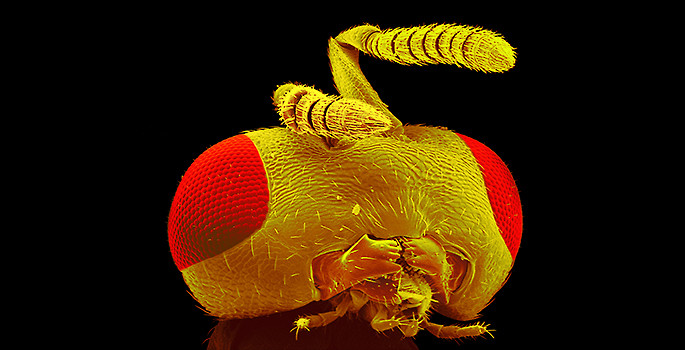
Each animal species hosts a unique microbial community and benefits from it
A laboratory study of four animal species and their microbiota finds that each species hosts a unique community of microbes that can significantly improve its health and fitness. Read MoreNov 28, 2016
-
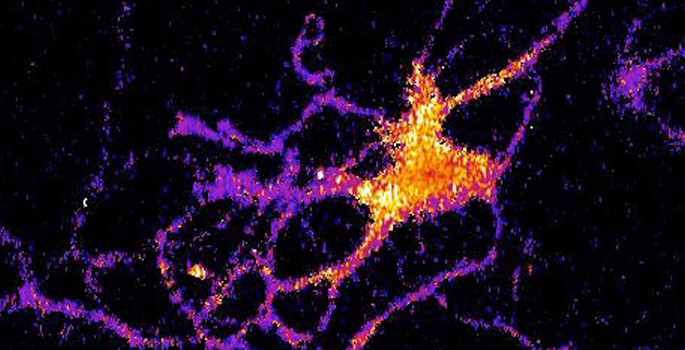
Bioluminescent sensor causes brain cells to glow in the dark
A team of Vanderbilt scientists have genetically modified luciferase, the enzyme that produces bioluminescence, so that it acts as an optical sensor that records activity in brain cells. Read MoreOct 27, 2016
-

Spending more on pre-K doesn’t guarantee success: Report
Many U.S. states have been quick to invest in pre-k without a clear strategy for success. Read MoreOct 25, 2016
-

Today’s self-taught typists almost as fast as touch typists – as long as they can see the keyboard
Sometimes you can't improve on a classic method: Touch typing is still the fastest. Read MoreOct 18, 2016
-

Study may help predict anxiety risk in children
In what could be a way to predict which children might be vulnerable to anxiety disorders, a Vanderbilt study has shown that an altered prefrontal cortex function in the brain marks a heightened anxiety risk in children. Read MoreOct 13, 2016
-

Antidepressants’ heart impact less than expected: study
A Vanderbilt University study published today in the Journal of Clinical Psychiatry may help patients prescribed higher doses of certain antidepressants feel better about attributed cardiac risks. Read MoreOct 13, 2016
-

Vanderbilt scientists to lead chronic disease research initiative in Vietnam
Scientists in the Vanderbilt Epidemiology Center (VEC) and Vanderbilt-Ingram Cancer Center (VICC) have been awarded a grant to plan and develop a Regional Center of Research Excellence in non-communicable diseases in Vietnam. Read MoreOct 6, 2016
-

Expert explains the power of implicit bias
Biases that people hold below the surface are influencing how they view this electoral season, as well as major political issues. Efrén Pérez is an expert and wrote a book on the topic. Read MoreSep 29, 2016
-

Researchers eye potential schizophrenia ‘switch’
Researchers at Vanderbilt University Medical Center have discovered a key mechanism that explains how compounds they’re developing can suppress schizophrenia-like symptoms without side effects in mice. Read MoreSep 15, 2016
-

Study reveals new clues to cystic fibrosis ‘gender gap’
A research team led by structural biologists from Vanderbilt University has come up with the first detailed molecular explanation for a factor that may contribute to the so-called cystic fibrosis (CF) “gender gap.” Read MoreSep 15, 2016
-
VICC leaders active in new Cancer Moonshot recommendations
As part of the national Cancer Moonshot initiative, a Blue Ribbon Panel (BRP) of cancer leaders, including four from Vanderbilt-Ingram Cancer Center, has delivered a series of recommendations to accelerate the pace of cancer prevention efforts and scientific discovery. Read MoreSep 9, 2016
-

Trial to test whether DBS slows Parkinson’s progression
A consortium led by Vanderbilt University Medical Center (VUMC) researchers has received funding as it makes plans for a multicenter trial that could determine whether deep brain stimulation (DBS) slows the progression of Parkinson’s disease in early-stage patients. Read MoreSep 1, 2016
-
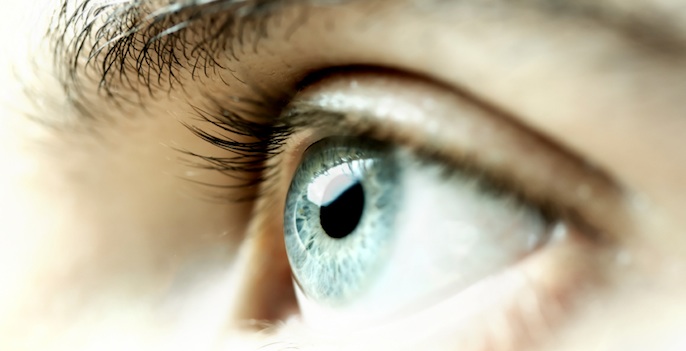
‘Audacious’ grant spurs research on retina regeneration
Researchers at Vanderbilt University Medical Center and Vanderbilt University have received a $1.9 million grant from the National Institutes of Health (NIH) to support research to restore vision through regeneration of the retina. Read MoreSep 1, 2016
-
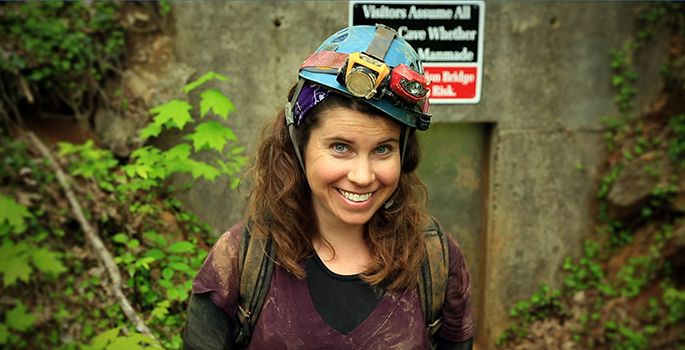
Cave study designed to solve puzzle of prehistoric megadroughts in the western U.S.
Paleoclimatic cave study in California is designed to identify the factors that made megadroughts commonplace in the western U.S. from 5,000 to 8,000 years ago. Read MoreAug 26, 2016
-
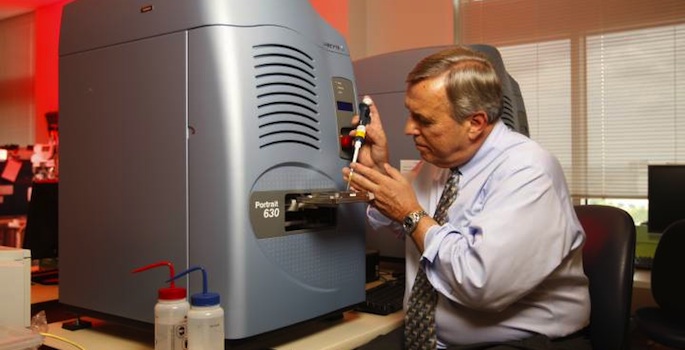
NIH grant bolsters mass spectrometry research initiatives
The National Institutes of Health (NIH) has awarded a major renewal grant to continue the National Research Resource for Imaging Mass Spectrometry at Vanderbilt University School of Medicine. Read MoreAug 11, 2016
-

Team explores transcription factor’s autoimmunity role
Increasing expression of a transcription factor called KLF2 can promote immunological self-tolerance and “tune down” autoimmunity, researchers at Vanderbilt University Medical Center reported recently. Read MoreAug 11, 2016
-

Super-eruptions may give only a year’s warning before they blow
A microscopic analysis of quartz crystals from an ancient California super-eruption indicates that the process of decompression preceding the eruption took place less than a year before. Read MoreJul 20, 2016
-

‘Dark pools’ threaten market governance of financial markets
The major stock exchanges need new methods of regulation because of "dark pools," trading platforms that allow trades to remain private for a short while, says Vanderbilt finance expert Yesha Yadav. Read MoreJul 14, 2016
-

These days, fecal transplantation is no joke
Fecal transplants are increasingly being used to treat certain human illnesses and more scientists have begun to research the transplants' effects in animals. Read MoreJul 12, 2016
-
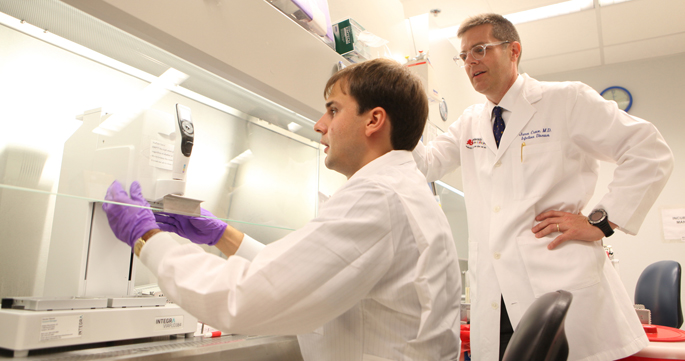
Vanderbilt and Human Vaccines Project launch initial studies to decode the human immune system
Researchers at Vanderbilt University Medical Center this month began recruiting volunteers to participate in a clinical trial aimed at decoding the human “immunome,” the genetic underpinnings of the immune system. Read MoreJun 21, 2016