Vanderbilt Ingram Cancer Center
-
New therapeutic strategy for leukemia syndrome
Using primary cells from patients with chronic myelomonocytic leukemia, Vanderbilt researchers found synergistic inhibition of cell viability and proliferation, suggesting a new treatment strategy. Read MoreApr 20, 2021
-

Prostate cancer microenvironment
Distinct cancer-associated fibroblasts in the prostate tumor microenvironment may influence tumor progression and could point to new therapeutic targets. Read MoreMar 23, 2021
-
Gene network for leukemia factor
A new method speeds the analysis of factors that control gene expression from days to minutes, allowing researchers to uncover new targets for cancer treatment. Read MoreFeb 4, 2021
-
WIN for blocking cancer growth
William Tansey and colleagues identified proteins that interact with the cancer drug target WDR5 and are important for cancer cell growth. Read MoreJan 21, 2021
-

Hot spots identified for colorectal cancer mortality rates among young women
Women diagnosed with early-onset colorectal cancer have a greater risk of dying from the disease depending upon their county of residence, according to a study published in Clinical and Translational Gastroenterology. Read MoreNov 23, 2020
-

New drug for metastatic colorectal cancer enters phase 3 trial
A new therapy for metastatic colorectal cancer that has been granted fast track designation by the U.S. Food and Drug Administration is being tested in a phase 3 clinical trial at Vanderbilt-Ingram Cancer Center. Read MoreNov 18, 2020
-

Breast cancer treatment in older women
A new study from Vanderbilt epidemiologists suggests that it’s time to reconsider clinical practice guidelines for the treatment of early-stage breast cancer in older women. Read MoreNov 12, 2020
-
Study underscores importance of personalized medicine in kidney cancer
A new study sheds light on how molecular subsets within the tumors of kidney cancer patients determine treatment outcomes and underscores the importance of personalized medicine in making therapy decisions. Read MoreNov 10, 2020
-
New markers of colorectal cancer risk
Vanderbilt epidemiologists identified new markers for colorectal cancer risk and characterized a previously unidentified tumor suppressor that regulates overall tumor volume in vivo. Read MoreOct 29, 2020
-
New predictors of prostate cancer risk
An international group of researchers including Vanderbilt epidemiologists has identified new DNA methylation biomarkers associated with prostate cancer risk. Read MoreSep 17, 2020
-
Blocking tumor ‘signals’ and ‘fuel’
Combining two drugs reduced colorectal cancer cell growth in vitro and in an animal model, suggesting the combination may be a promising treatment for patients. Read MoreAug 25, 2020
-

A step toward cancer prevention
A computational technique that combines the effect of multiple genomic variants has the potential to identify high-risk individuals for cancer prevention. Read MoreAug 10, 2020
-

Post-transplant complication
Vanderbilt researchers conducted the largest analysis to date of a heart complication in children following stem cell transplant. The findings may help guide screening practices to improve outcomes. Read MoreJul 28, 2020
-

Cellular antiviral defenses
A cellular RNA quality control mechanism was known to restrict replication of RNA viruses. Vanderbilt researchers have discovered it is also antiviral against DNA viruses. Read MoreJul 23, 2020
-

Probing DNA damage repair
After discovering a new mechanism for DNA damage repair last year, Vanderbilt biochemists now provide direct evidence for how it works. Read MoreJun 18, 2020
-

Study finds AI can categorize cancer risk of lung nodules
Computed tomography scans for people at risk for lung cancer lead to earlier diagnoses and improve survival rates, but they can also lead to overtreatment when suspicious nodules turn out to be benign. Read MoreMay 7, 2020
-
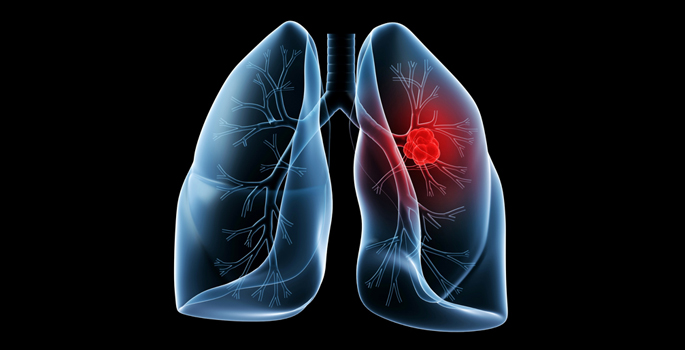
Study tracks genomics of lung tumor behavior
A study by Vanderbilt researchers has identified genomic alterations in early stage adenocarcinomas of the lung that may indicate whether the lesions develop into aggressive tumors. Read MoreApr 13, 2020
-

Triple-negative breast cancer drug therapy shows promise
Researchers from Vanderbilt-Ingram Cancer Center (VICC) discovered a role for MYCN in triple-negative breast cancer (TNBC), a particularly aggressive form of the disease, and identified a potential intervention for further clinical investigation. Read MoreMar 12, 2020
-

One-two punch for cancer
A drug combination effectively killed aggressive blood cancers in cell and animal models; now it’s being tested in patients. Read MoreMar 5, 2020
-

Breast cancer study may help predict treatment response
Researchers at VUMC are reporting another advance in the understanding and treatment of triple-negative breast cancer, which is particularly aggressive and difficult to treat. Read MoreFeb 27, 2020