Vanderbilt Ingram Cancer Center
-

Research Snapshot: Understanding protein mutations that affect gene expression
Graduate student Hillary Layden studies transcriptional control of cancer in the lab of Scott Hiebert, Hortense B. Ingram Chair in Cancer Research and professor of biochemistry. She shares the results from her research in which she used a deep genomic analysis to determine how protein mutations influence gene expression to promote cancer progression. Read MoreMay 30, 2024
-

Imagining Wholeness uplifts experiences of cancer and community through the expressive arts
Imagining Wholeness is a culminating showcase of works of expressive art created by participants in the Express Yourself writing workshops at Vanderbilt-Ingram Cancer Center and in visual art workshops hosted collaboratively by the Curb Center and Gilda’s Club Middle Tennessee. Read MoreMay 20, 2024
-
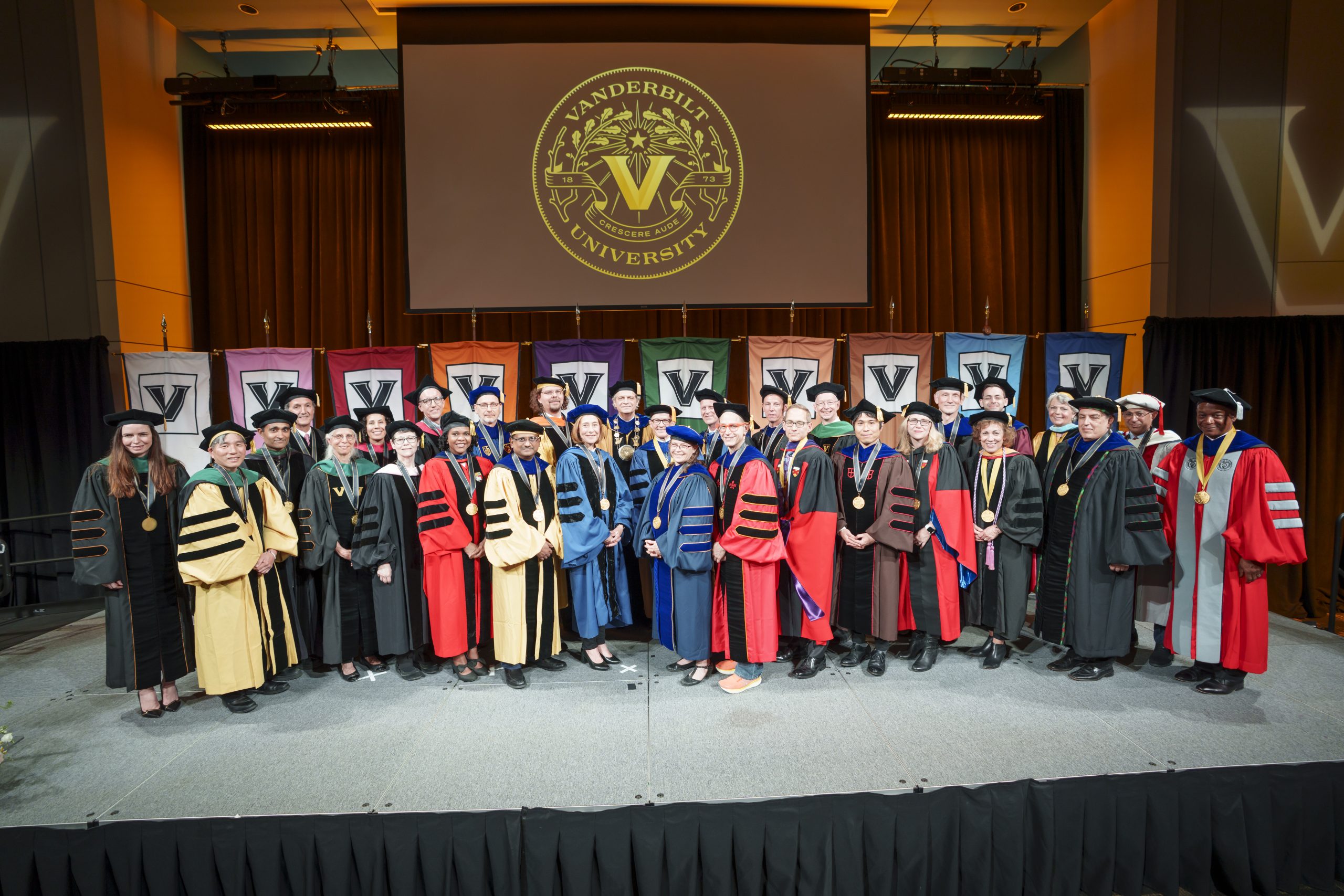
28 faculty honored at endowed chair investiture
The distinguished faculty members and deans representing eight colleges and schools were presented with medallions that symbolize the attainment of their positions and will become part of their official academic regalia. Chair holders contribute their expertise to real-world challenges, including climate change, political inequality and access to justice, artificial intelligence and ICU trauma. Read MoreApr 11, 2024
-
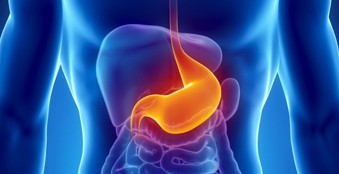
Fatty acids rewire energy supply chain in stomach cancer development
A study by Vanderbilt researchers has revealed how metabolic changes spurred by fatty acids contribute to the transformation of cells into abnormal versions of themselves that are the precursors to stomach cancer. Read MoreJan 31, 2024
-
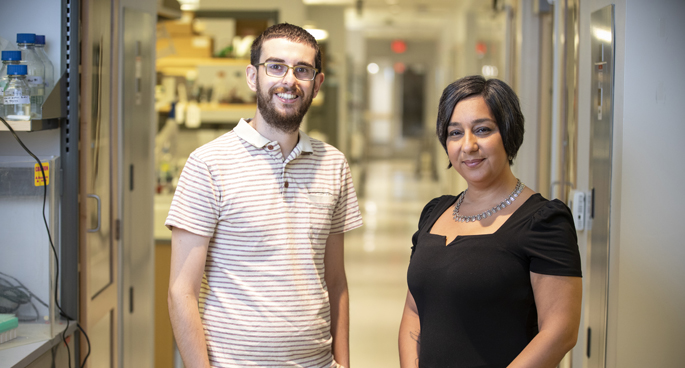
Foundation funds research to block drug resistance in cancer treatment
The Robert J. Kleberg, Jr. and Helen C. Kleberg Foundation has awarded a three-year grant to support research led by Houra Merrikh, PhD, professor of Biochemistry, and Ben Ho Park, MD, PhD, the Benjamin F. Byrd Jr. Professor of Oncology and director of Vanderbilt-Ingram Cancer Center, to create an anti-evolution drug to reduce the capacity of cancer cells to develop resistance. Read MoreSep 5, 2023
-
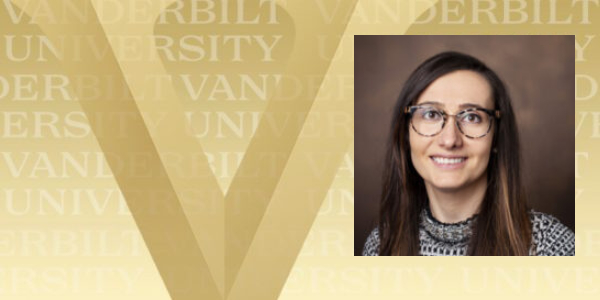
Holowatyj receives National Cancer Institute MERIT Award
Vanderbilt's Andreana Holowatyj, PhD, MSCI, has received the National Cancer Institute’s Method to Extend Research in Time Award to support her ongoing investigation into how early-onset colorectal cancer and its treatments impact reproductive health. Read MoreJul 19, 2023
-

Early-onset CRC germline genetic differences identified by race, ethnicity
A Vanderbilt study that delved into genetic predisposition for early-onset colorectal cancer by race and ethnicity has identified differing germline risk variants. Read MoreJun 15, 2023
-
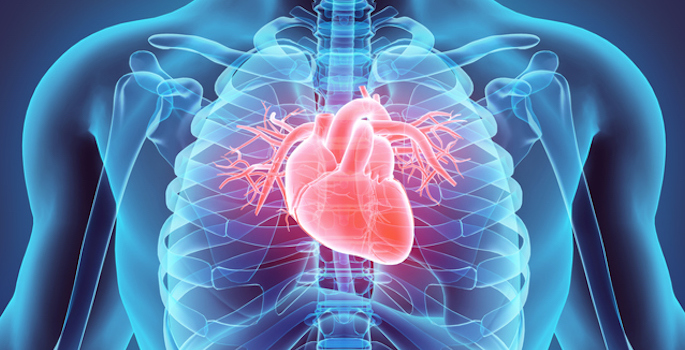
Cardiac antigen identified as mechanism for heart complication with immunotherapy-related myocarditis
Researchers from from Vanderbilt-Ingram Cancer Center have identified the mechanism for the deadly heart inflammation myocarditis. Read MoreNov 16, 2022
-
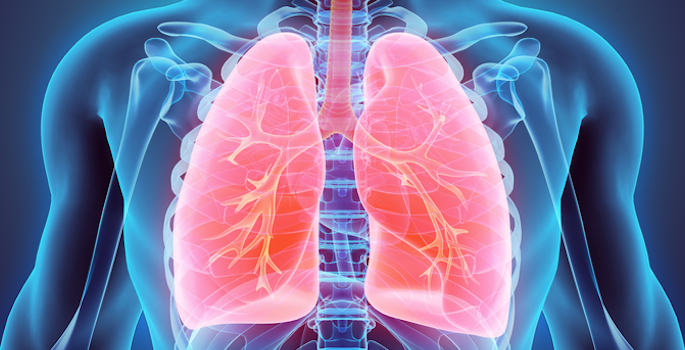
Policy, resources crucial for lung cancer screening: study
Vanderbilt reseach shows that resources for lung cancer screening programs increased the number of veterans screened. Read MoreSep 29, 2022
-
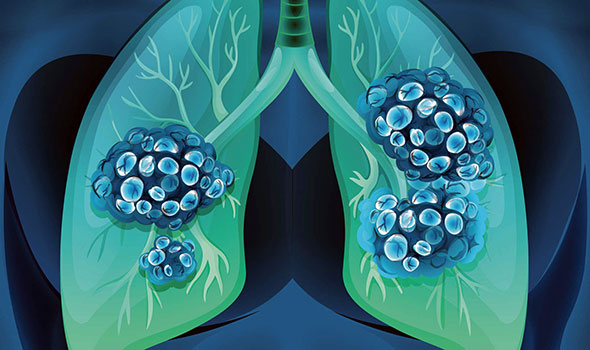
Study reveals need for matching targeted therapies with EGFR subtypes
A Vanderbilt study suggests that clinicians should take a deeper dive into distinguishing EGFR mutations when prescribing targeted therapies for non-small-cell lung cancers. Read MoreJul 28, 2022
-

Studies combine genetic testing, electronic health records to find undiagnosed diseases
Combining genetic testing with information from electronic health records revealed undiagnosed heart rhythm disorders and new conditions associated with inherited cancer gene mutations. Read MoreApr 28, 2022
-
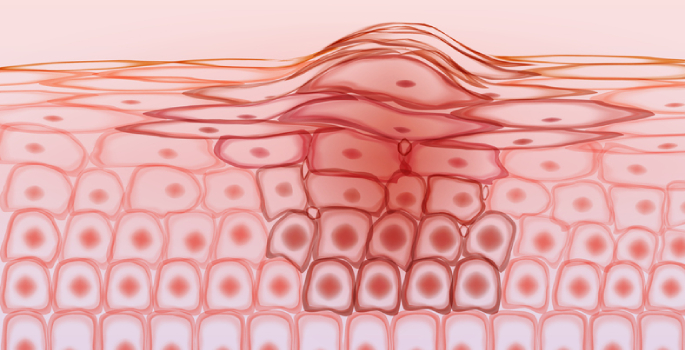
Research Snapshot: Vanderbilt team discovers potential explanation for treatment resistance in skin cancer
Melanoma is the fifth most-common type of cancer in the U.S., and according to the American Cancer Society, about half of patients with malignant melanoma have mutations of the BRAF gene. Identification of potential tumor biomarkers such as SOX10 can help physicians better predict outcomes for their patients. Read MoreFeb 28, 2022
-

Study of fully vaccinated patients with cancer who had breakthrough COVID-19 shows 13% mortality rate
New research finds that fully vaccinated patients with cancer who had breakthrough COVID-19 infections remained at high risk for hospitalization and death. Read MoreDec 24, 2021
-

Oral microbes and gastric cancer
Studies in three large population cohorts that include Asian, African American and European American people support a role for the oral microbiota — the collection of microbial species in the mouth — in gastric cancer development. Read MoreDec 13, 2021
-
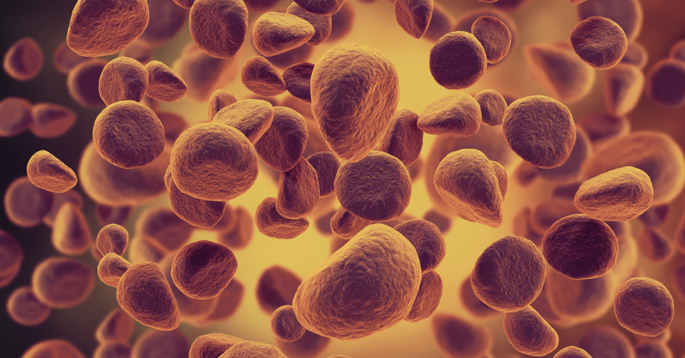
Cell signaling targets in leukemia
Vanderbilt researchers identified a critical role for IL-1beta signaling in leukemia cells with a certain mutation, suggesting this pathway may be a good target for novel treatments. Read MoreDec 9, 2021
-
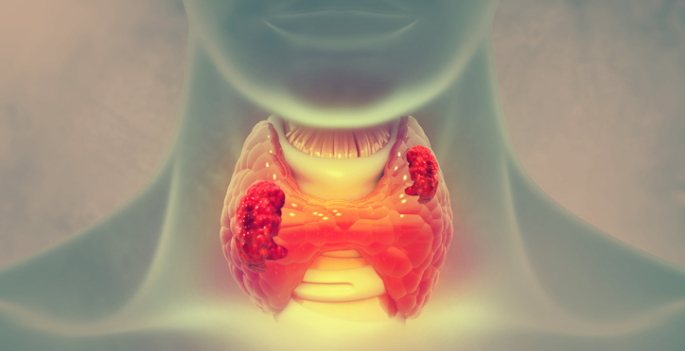
Thyroid cancer paper lands national recognition
Researchers in the Endocrine Neoplasia Research Laboratory at Vanderbilt University Medical Center have received national recognition for their work to discover better treatments for thyroid cancer. A paper describing their lab work was awarded first place in the Basic Science category at the 2021 Cancer Research Competition. Read MoreDec 2, 2021
-
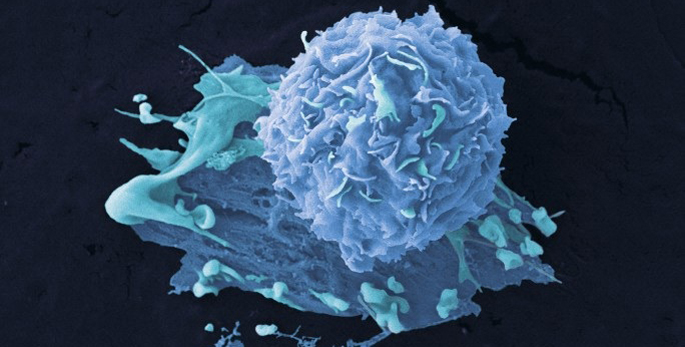
‘Multi-omics’ reveals treatment option for breast cancer subtype
by Bill Snyder In a multidisciplinary collaboration, researchers at Vanderbilt University Medical Center and the University of Miami Miller School of Medicine have identified a subtype of triple-negative breast cancer (TNBC) that appears to be able to escape detection by the immune system and evade immunotherapy. Their report, published Nov. 1 in the journal... Read MoreNov 18, 2021
-

Structural variants in breast cancer risk genes
Vanderbilt epidemiologists conducted in-depth whole genome sequencing of breast cancer risk genes in Black women, who die at higher rates and have more aggressive disease, to discover mutations that may improve testing and treatment selection. Read MoreSep 16, 2021
-
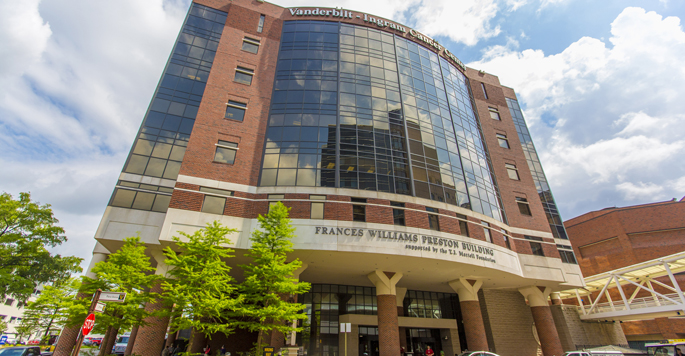
Vanderbilt researchers present new data on clinical trials at ASCO 2021
Vanderbilt-Ingram Cancer Center researchers will present data on clinical trials involving targeted therapies, immunotherapies and drug combination synergies at the 2021 American Society of Clinical Oncology Annual Meeting, June 4-8. The meeting is a virtual event this year. Read MoreMay 26, 2021
-

People at high genetic risk for colorectal cancer benefit more from lifestyle changes
People with a high polygenic risk score for colorectal cancer could benefit more at preventing the disease by leading healthy lifestyles than those at lower genetic risk, according to a study by Vanderbilt researchers published in the April issue of The American Journal of Clinical Nutrition. Read MoreMay 13, 2021