School Of Medicine Basic Sciences
-

Measurements of age-related changes in eye lens proteins yield insights into cataract formation
By determining how proteins in different areas of the eye’s lens change over time, Vanderbilt researchers have learned more about how they could contribute to the mysterious progression of cataracts—a clouding of the lens that affects more than 65 million people worldwide each year. Read MoreJan 5, 2023
-
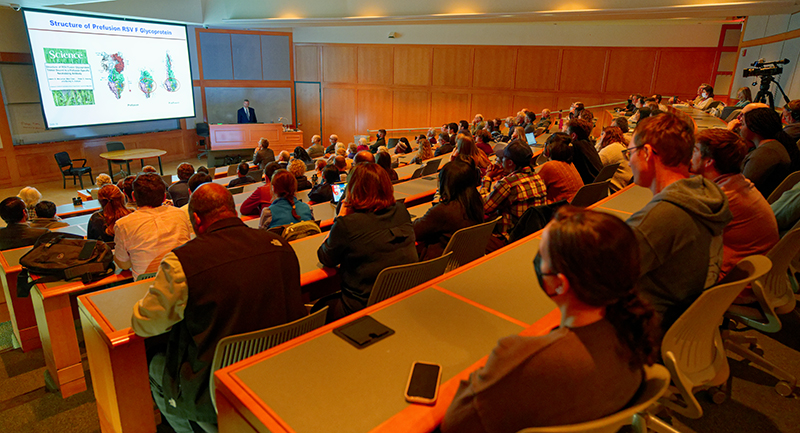
Basic Sciences Dean’s Lecture presented by renowned virologist
The School of Medicine Basic Sciences Dean’s Lecture featured renowned immunologist, virologist, and alumnus Dr. Barney S. Graham. In his talk, “Reflections on Pandemics and the Future of Medicine,” Graham discussed his early research experiences leading up to his seminal work on the first experimental COVID-19 vaccines, along with his observations on the pandemic and hopes for the future of medicine. Read MoreNov 9, 2022
-
Embarking on the adventure of “Wellness Explored”
A proposal to enhance wellness and resiliency training, led by RC Stabile, associate director for trainee wellbeing in the Office of Biomedical Research Education and Training, was recently awarded by the National Institute of General Medical Sciences. Read MoreJul 22, 2022
-
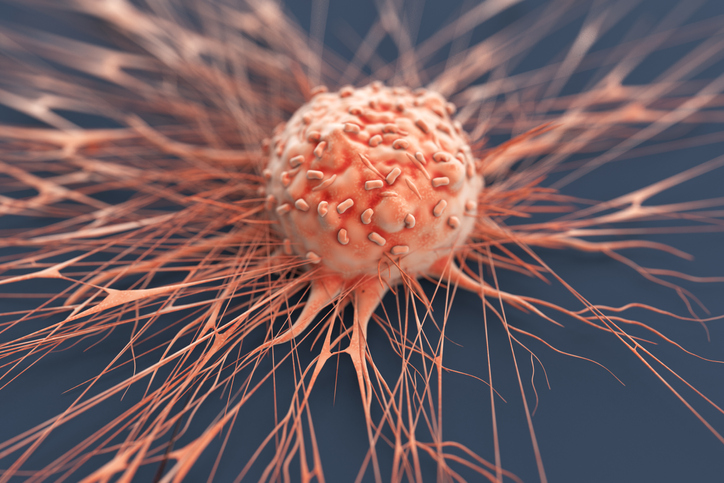
Research Snapshot: Collaborative research lays groundwork for potential treatment of a rare and deadly type of cancer
A collaborative project between William Tansey and Stephen Fesik has laid the foundation for pre-clinical and clinical trials for rare childhood tumors that are diagnosed in 25 children per year in the United States. Read MoreApr 22, 2022
-
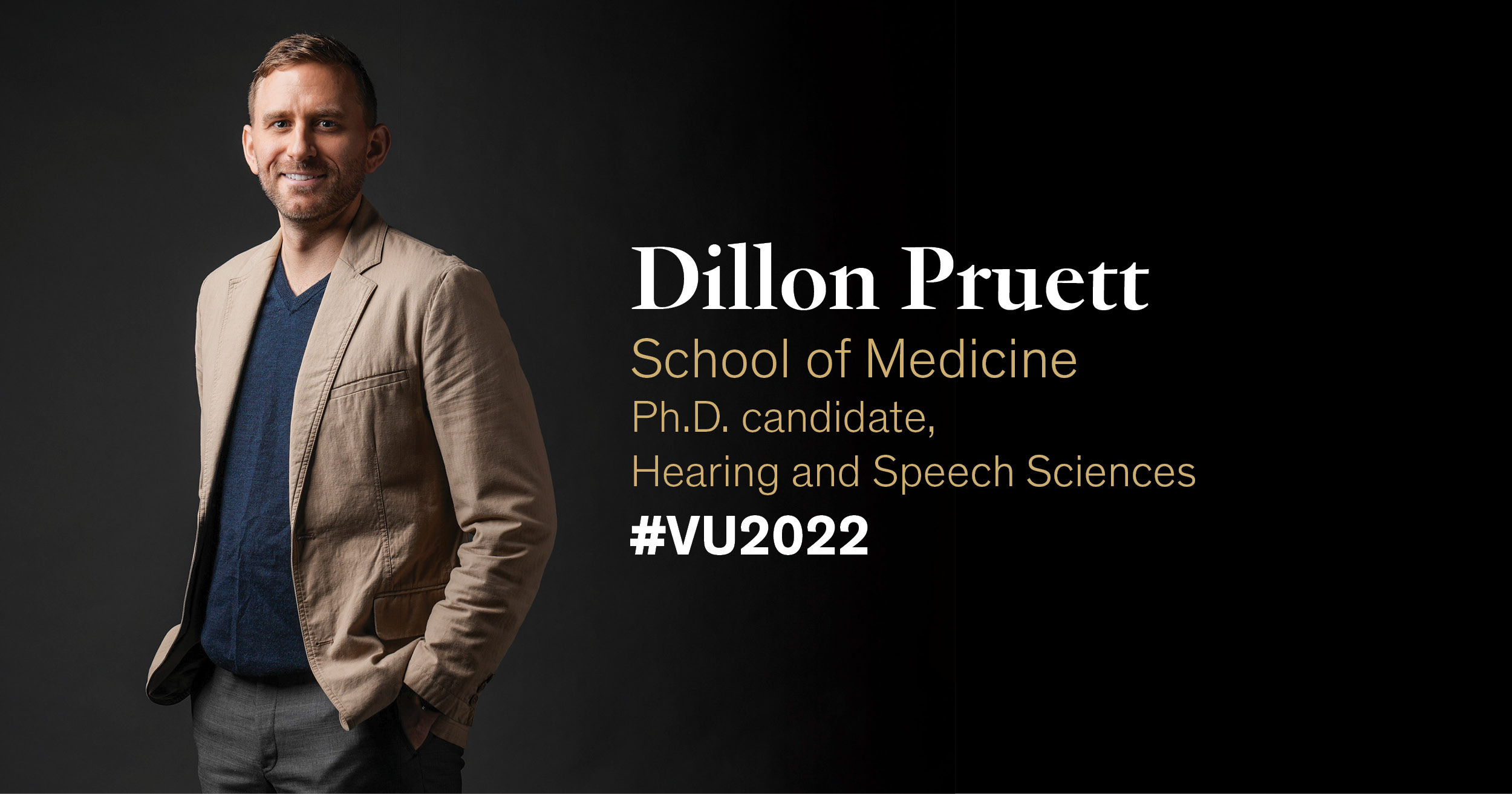
Class of 2022: Dillon Pruett draws on personal experience in genetic research of stuttering
Class of 2022: Growing up, Dillon Pruett didn’t know anyone who stuttered like he did, but he was well aware of how widely misunderstood the disorder was, both among children and adults. As he learned more about the science behind it, he became determined to dispel those misconceptions. Today the Basic Sciences Ph.D. candidate is conducting novel genetic research to provide a better understanding of stuttering and ultimately develop new therapies to treat it. Read MoreApr 13, 2022
-
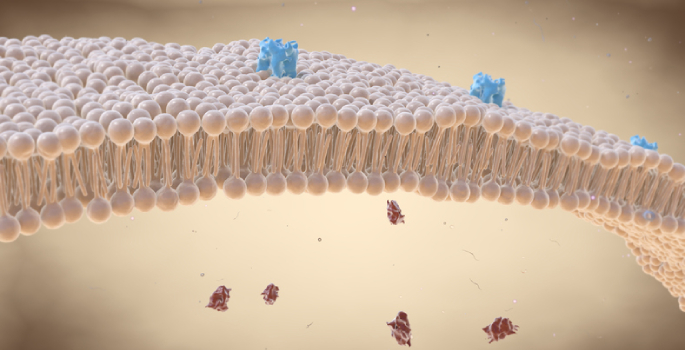
Research Snapshot: Biochemical technique for finding small molecules discovered by Vanderbilt and University of Virginia researchers
A team including the Sanders lab developed a new methodology for finding small molecules associated with lipid rafts, an essential part of cell structure and regulation. Read MoreMar 28, 2022
-

Research Snapshot: Hunger signals, including those from cannabinoids, mapped in the brain
Body-made cannabinoids that fine tune hunger signals in the brain have been mapped, with implications for helping those with deadly feeding-related illnesses Read MoreMar 23, 2022
-
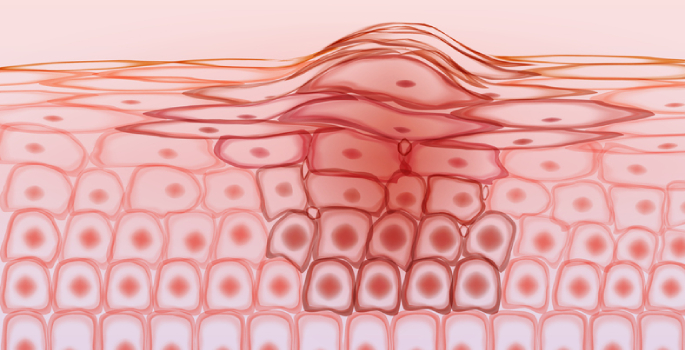
Research Snapshot: Vanderbilt team discovers potential explanation for treatment resistance in skin cancer
Melanoma is the fifth most-common type of cancer in the U.S., and according to the American Cancer Society, about half of patients with malignant melanoma have mutations of the BRAF gene. Identification of potential tumor biomarkers such as SOX10 can help physicians better predict outcomes for their patients. Read MoreFeb 28, 2022
-

Watch: ‘Black Excellence in Research and the Future of Diversity in Academia’ virtual event
In recognition of Black History Month, the School of Medicine Basic Sciences’ monthly virtual Lab-to-Table Conversation will celebrate Black excellence in research and discuss the future of diversity in academia. The event will take place on Tuesday, Feb. 22, from noon to 1 p.m. CT. Read MoreFeb 16, 2022
-

Research Snapshot: Vanderbilt researchers discover new spontaneous signaling pathway in the brain
Ege Kavalali and Heidi Hamm collaborated to discover a signaling pathway for how spontaneous release of neurotransmitters can be selectively regulated without disrupting evoked action potentials. Read MoreFeb 14, 2022
-
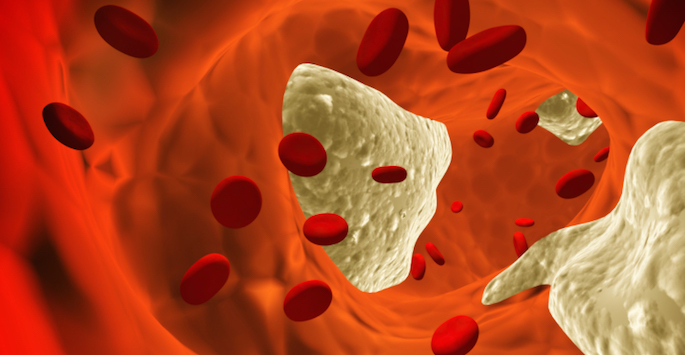
Potential protection from atherosclerosis
Vanderbilt researchers have discovered a potential way to reduce atherosclerosis: blocking the modification of an HDL-associated enzyme by reactive molecules called isolevuglandins. Read MoreAug 19, 2021
-
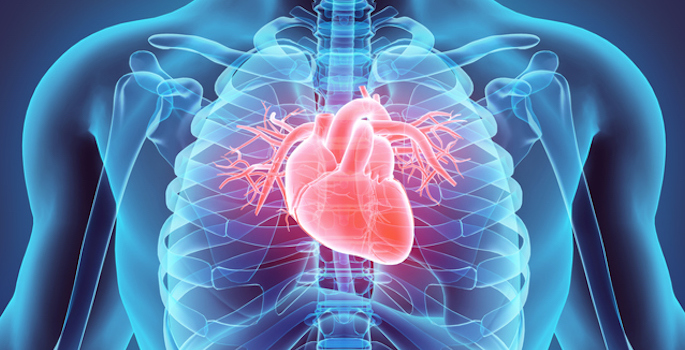
Arrhythmia culprit: supertrafficking ion channel
Charles Sanders, PhD, and colleagues show how a “supertrafficking” mutant potassium channel contributes to heart rhythm abnormalities. Read MoreApr 15, 2021
-
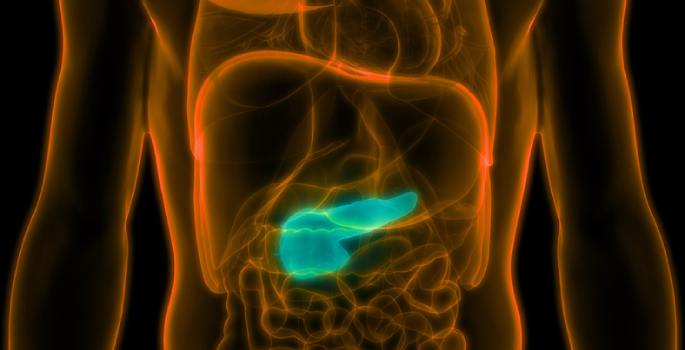
Targeting glucagon action in diabetes
Disrupting the action of glucagon — a pancreatic hormone that works to raise blood glucose — restores functional insulin-producing cells in mouse models of type 1 diabetes and may be a promising treatment strategy. Read MoreMar 4, 2021
-

Janina Jeff, MS’12, PhD’12, Finding Lost Identities
The first African American to earn a doctorate in human genetics from Vanderbilt, Janina Jeff, MS'12, PhD'12, launched an award-winning podcast called "In Those Genes" that translates cutting-edge genetic research into everyday language that uncovers the lost identities of African-descended Americans through the lens of Black culture. Read MoreFeb 25, 2021
-

Genetic clues in eye birth defect
Sabine Fuhrmann and colleagues have discovered a novel underlying cause of coloboma — a birth defect that causes missing tissue in the eye and accounts for up to 10% of childhood blindness. Read MoreFeb 18, 2021
-
Gene network for leukemia factor
A new method speeds the analysis of factors that control gene expression from days to minutes, allowing researchers to uncover new targets for cancer treatment. Read MoreFeb 4, 2021
-
WIN for blocking cancer growth
William Tansey and colleagues identified proteins that interact with the cancer drug target WDR5 and are important for cancer cell growth. Read MoreJan 21, 2021
-
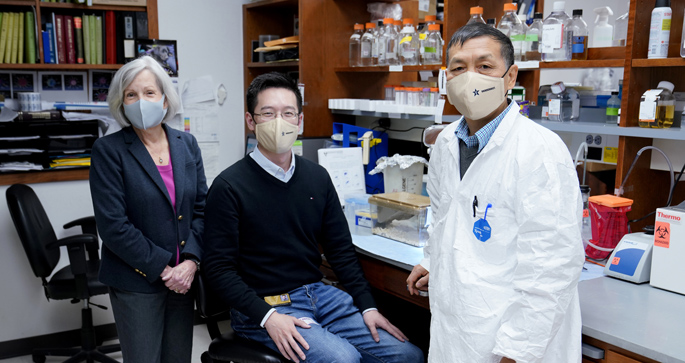
Study reveals new strategy for reducing tumor growth, metastasis
A team of Vanderbilt investigators has discovered that blocking a certain signaling pathway boosts antitumor immunity and reduces tumor growth and metastasis in models of breast cancer and melanoma. Read MoreDec 17, 2020
-
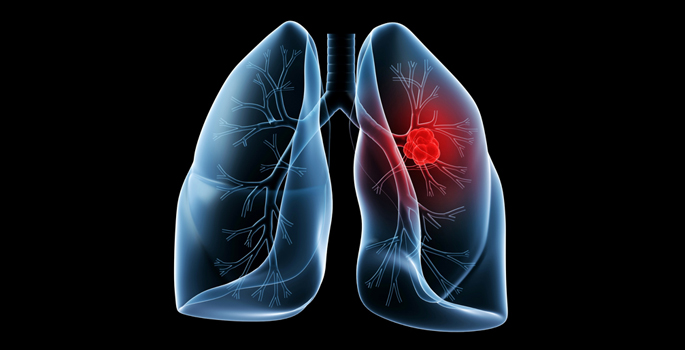
New therapeutic target for lung cancer
Vanderbilt researchers have identified a new molecular partner — and potential therapeutic target — in a signaling axis that drives lung cancer. Read MoreNov 12, 2020
-

Jerri Rook is awarded the Alzheimer’s Drug Discovery Foundation’s prestigious Melvin R. Goodes prize
Behavioral and systems neuropharmacologist Jerri Rook is recognized by the Alzheimer’s Drug Discovery Foundation with the Goodes Prize to continue her work in Alzheimer’s disease research. Read MoreNov 2, 2020