NIH
-

Taking the ‘noise’ out of protein data
Vanderbilt researchers have developed a novel algorithm to improve results from proteomic studies. Read MoreMay 1, 2013
-

Fava beans’ impact on urine sodium
Eating fava beans increases dopamine in blood and urine, but does not stimulate urinary sodium excretion. Read MoreApr 29, 2013
-
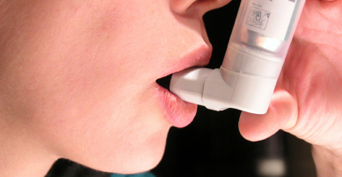
Factor reduces virus-related asthma attacks
An immune system factor associated with severe asthma may actually reduce asthma attacks induced by viral infections. Read MoreApr 26, 2013
-

Food variety drives overeating in mouse model of obesity syndrome
Dietary variety – not high-fat or sugary foods – appears to stimulate overeating in a mouse model of an inherited obesity syndrome. Read MoreApr 25, 2013
-
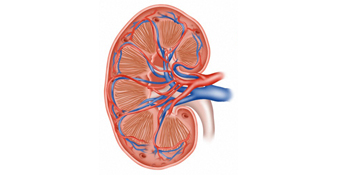
‘Longevity’ gene aids kidney survival
A gene associated with cell survival and longevity may protect the kidney from acute injury. Read MoreApr 17, 2013
-

A role for blood vessels in delirium?
Dysfunction of the endothelial cells that line blood vessels may contribute to delirium and coma in critically ill patients – and could be a target for therapy. Read MoreApr 15, 2013
-

Lung damage protector
Targeting repair pathways in the lung’s air sacs may be a valuable therapeutic direction for pulmonary fibrosis – the scarring of lung tissue. Read MoreApr 12, 2013
-
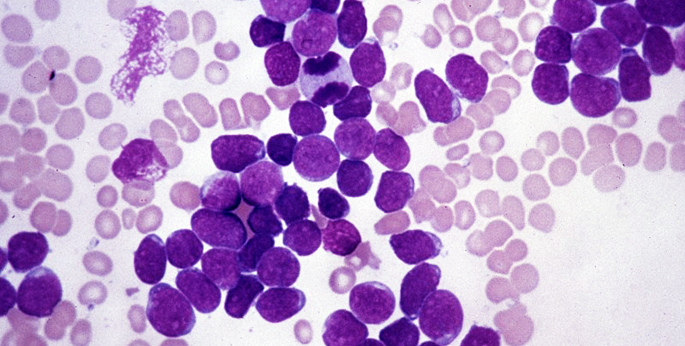
Leukemia culprit’s cellular actions
Overexpression of a gene that is a common culprit in leukemia induces stem cell-like features in T cells, which may enable the cells to become cancerous. Read MoreApr 11, 2013
-
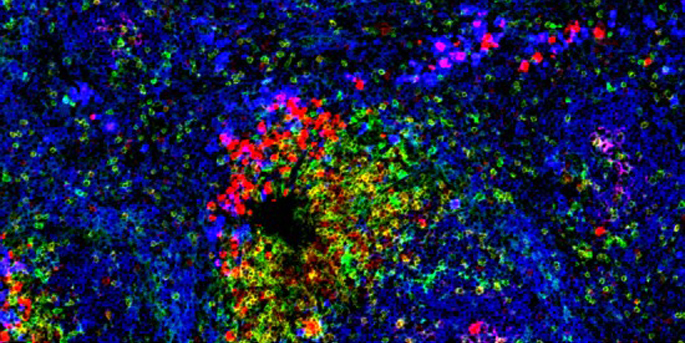
“Silent” B cells trigger autoimmunity
Immune cells that recognize self antigens (e.g. insulin), but are functionally silent, can trigger autoimmune diseases such as diabetes. Read MoreApr 3, 2013
-

Fingers and toes: joint forming factor
The gene Has2 participates in signaling that is important in developing fingers and toes, and may have relevance for cancer development. Read MoreApr 1, 2013
-

Plant compound stops colon cancer cells
Berberine, an herbal remedy for diarrhea and intestinal parasites, may be useful in colon cancer therapy. Read MoreMar 29, 2013
-

Acetaminophen: protective in sepsis?
In critically ill patients with sepsis, plasma hemoglobin may be a new indicator of disease severity – and a potential target for treatment with acetaminophen. Read MoreMar 28, 2013
-

Humanoid robot helps train children with autism
An interdisciplinary team of mechanical engineers and autism experts at Vanderbilt University have developed an adaptive robotic system and used it to demonstrate that humanoid robots can be powerful tools for enhancing the basic social learning skills of children with autism. Read MoreMar 23, 2013
-

IRF6 on the tip of tongue development
The factor IRF6 plays important roles in the development of the tongue. Read MoreMar 18, 2013
-

Diagnostic codes identify smoking status
Diagnostic codes used for billing purposes effectively identify smokers in a general clinic population and can be used to adjust smoking status in genetic and epidemiologic studies. Read MoreMar 15, 2013
-

Bacterial resistance breaks bridges
Understanding how bacteria become resistant to quinolone antibiotics could guide strategies for developing new antibacterial drugs. Read MoreMar 14, 2013
-

Eye disorder’s genetic risk factors come into focus
An international group of investigators has identified seven new genetic regions associated with age-related macular degeneration (AMD), a common cause of blindness in older individuals. Read MoreMar 7, 2013
-

Tick-tock – predicting menopause
An ultrasound count of potentially egg-producing follicles could predict the timing of menopause. Read MoreMar 6, 2013
-

Dr. Jeffrey R. Balser: Stop the Sequester
The vital partnership between NIH and Vanderbilt – reproduced at universities all around the country – supports thousands of brilliant minds from all around the world. Sequestration will discourage a generation of young people from even considering a career in research. Read MoreMar 5, 2013
-
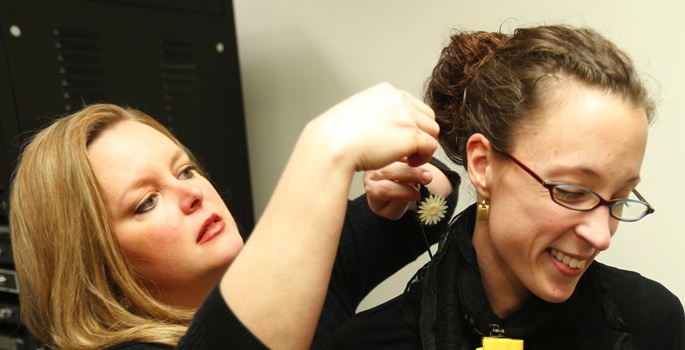
High Fidelity: Cochlear implant users report dramatically better hearing with new Vanderbilt process
Longtime cochlear implant users are reporting such dramatic improvements in their hearing, thanks to new image-guided programming methods developed by Vanderbilt University researchers. Read MoreMar 5, 2013