NIH
-
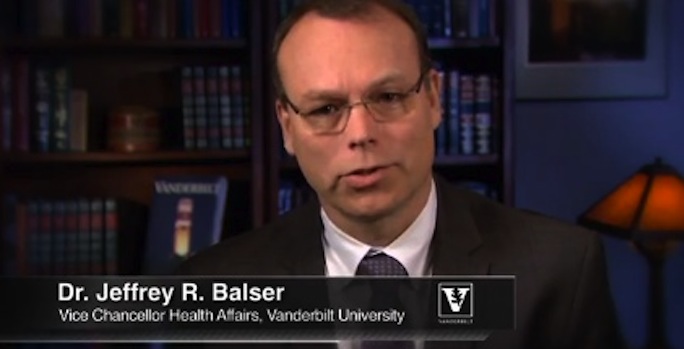
Dr. Jeffrey R. Balser: Stop the Sequester
The vital partnership between NIH and Vanderbilt – reproduced at universities all around the country – supports thousands of brilliant minds from all around the world. Sequestration will discourage a generation of young people from even considering a career in research. Read MoreMar 5, 2013
-
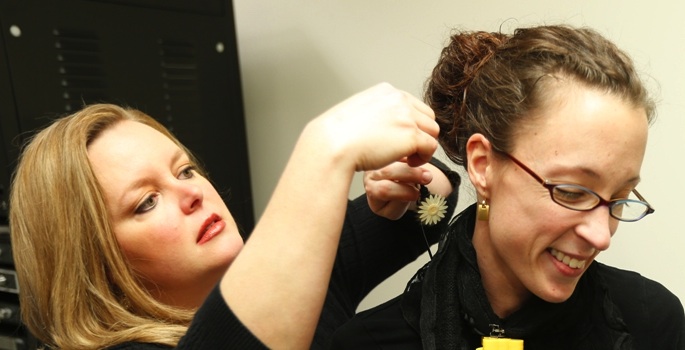
High Fidelity: Cochlear implant users report dramatically better hearing with new Vanderbilt process
Longtime cochlear implant users are reporting such dramatic improvements in their hearing, thanks to new image-guided programming methods developed by Vanderbilt University researchers. Read MoreMar 5, 2013
-
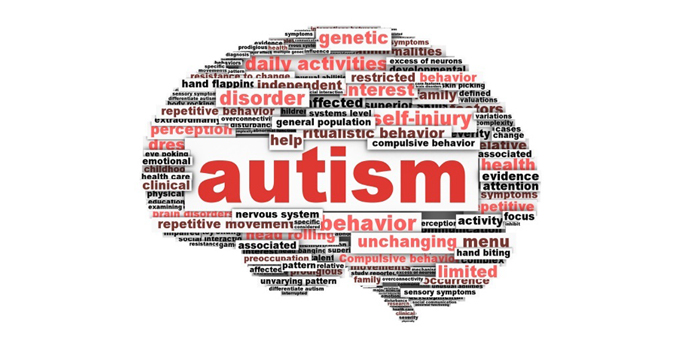
Gene ‘dose’ may be key to autism
Individuals with overexpression of the gene MECP2 have core features of autism spectrum disorder. Read MoreMar 4, 2013
-

Target for inflammatory bowel disease
The factor STAT6 appears to play a role in the pathogenesis of an inflammatory bowel disease, suggesting it may be a promising target for new treatments. Read MoreMar 1, 2013
-
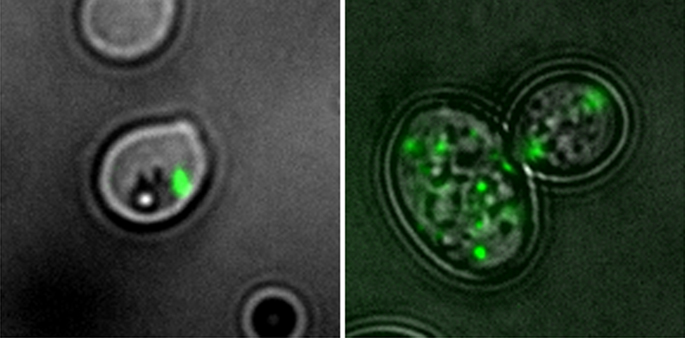
Starting up protein synthesis, in yeast
Researchers have found an unusual interaction between a factor that “turns on” protein synthesis and one that produces fatty acids. Read MoreFeb 28, 2013
-
Antibacterial protein’s molecular workings revealed
Vanderbilt investigators report new insights to the workings of calprotectin, an immune system protein that “starves” bacterial pathogens of the metal nutrients they require. Read MoreFeb 21, 2013
-
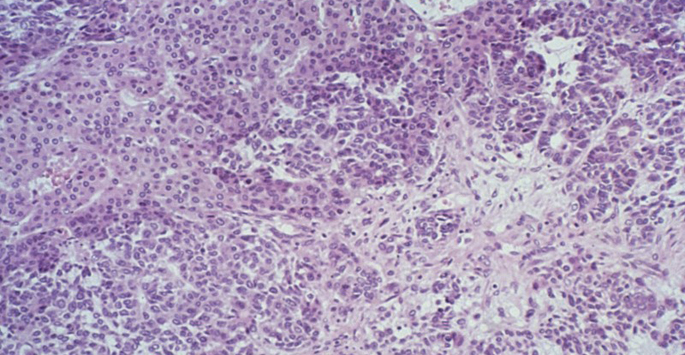
Factor CITED in pediatric liver cancer
Vanderbilt researchers report that they have found a factor involved in the persistence of embryonic cells implicated in childhood liver cancer. Read MoreFeb 20, 2013
-
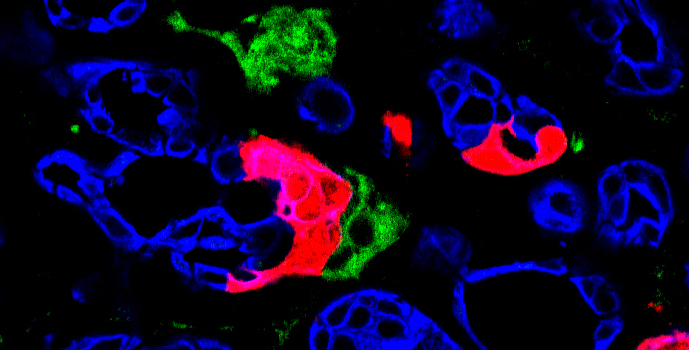
Pancreas cells full of potential
Adult cells in the pancreas can return to a less mature state – and then become a different cell type, like the beta cells that secrete insulin. Read MoreFeb 18, 2013
-
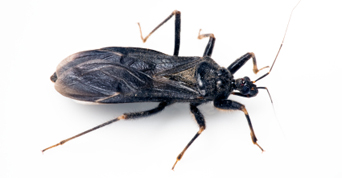
Cure in sight for kissing bug’s bite
It’s possible to cure Chagas disease – a deadly tropical infection transmitted by “kissing bugs” – in a mouse model. Read MoreFeb 15, 2013
-
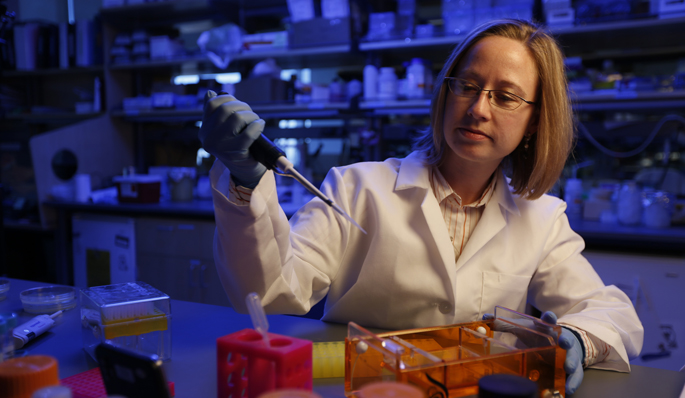
NIH lauds Rex’s ideas for future of vision research
Tonia Rex, Ph.D., assistant professor of Ophthalmology and Visual Sciences at the Vanderbilt Eye Institute, was recently named one of 10 winners of the National Institutes of Health competition for ideas on the future of vision research. Read MoreFeb 14, 2013
-

Cell connections key in valve disease
A protein that connects cells together participates in the calcification that occurs in heart valve disease. Read MoreFeb 14, 2013
-

GROWing obesity prevention trial
See how community members– and Beyoncé– are helping to kick off a large, NIH funded, community-based study bent on the prevention of childhood obesity. Now excitement is building as Vanderbilt researchers work to recruit 600 families with pre-school aged children to participate in Grow Right Onto Wellness (GROW). For more… Read MoreFeb 12, 2013
-
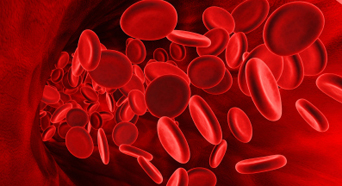
Linking oxygen, iron and red blood cells
The HIF oxygen-sensing pathway and its responses to low oxygen may be targeted for treatments of anemia and disorders of iron balance. Read MoreFeb 6, 2013
-
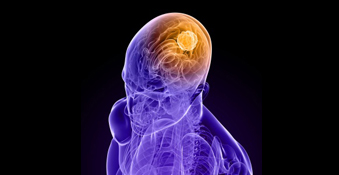
Brain tumor TIP reveals new target
The protein TIP-1 appears to be a novel prognostic marker for glioblastoma and may be a good therapeutic target for disrupting tumor-driven blood vessel development. Read MoreFeb 4, 2013
-
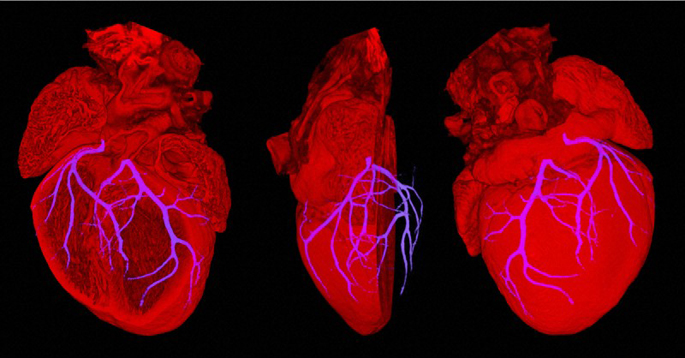
Cell source of heart’s blood vessels
An unexpected group of cells generates the coronary arteries and may be useful for regeneration therapies following injury to the heart. Read MoreFeb 1, 2013
-
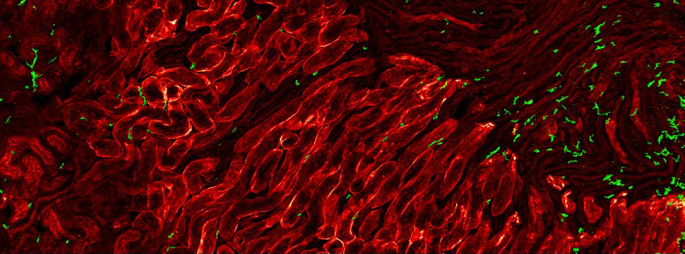
Do-it-yourself repair in the kidney
The kidney can mediate its own repair through proliferation of resident immune system cells. Read MoreJan 31, 2013
-

VKC’s Science Day explores promise of research
Recent advances in genetics and understanding how the brain works raise the possibility that intellectual developmental disabilities are treatable and some actually may be reversible. Read MoreJan 24, 2013
-

New view of DNA processing ‘hub’
Structural studies reveal a new framework for understanding a central player in DNA processing. Read MoreJan 23, 2013
-
HDL cholesterol impaired in kidney disease
HDL cholesterol is impaired in patients with chronic kidney disease – and may increase their cardiovascular disease risk. Read MoreJan 21, 2013
-

Seeing light receptor’s interactions
Understanding how the main receptor for light interacts with other signaling molecules may inform new pharmaceutical development. Read MoreJan 18, 2013