National Science Foundation
-
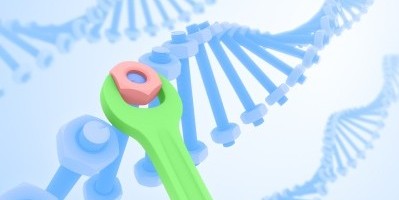
DNA damage repair: molecular insights
Structural details about a protein involved in the repair of damaged DNA provide insight into xeroderma pigmentosum disorders, which are characterized by increased risk for skin cancer. Read MoreDec 5, 2017
-
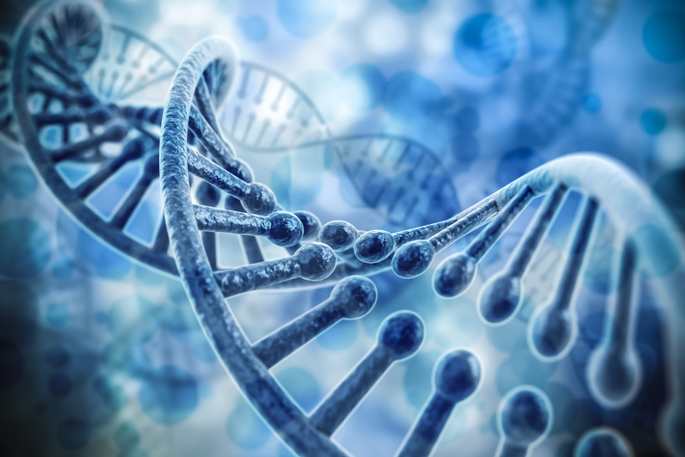
Novel insights to antibiotic targets
New mechanistic details about the DNA-unwinding activity of antibacterial protein targets could lead to the design of better antibiotic medicines. Read MoreSep 29, 2017
-

Ultrathin device harvests electricity from human motion
A new energy harvesting system developed at Vanderbilt University can generate electrical current from the full range of human motions and is thin enough to embed in clothing. Read MoreJul 21, 2017
-
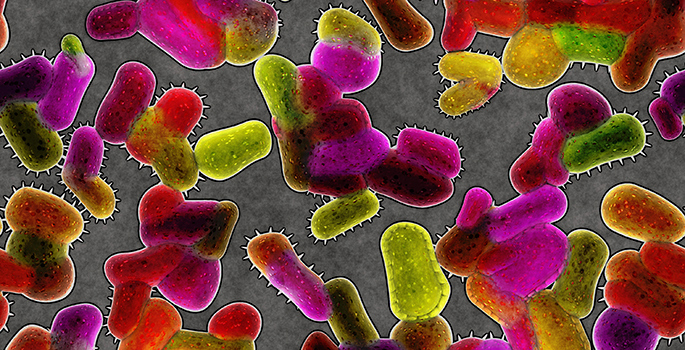
Bacterial signaling systems
Vanderbilt researchers have identified a unique example of communication between bacterial signaling systems, which may have relevance for antibiotic resistance. Read MoreFeb 3, 2017
-
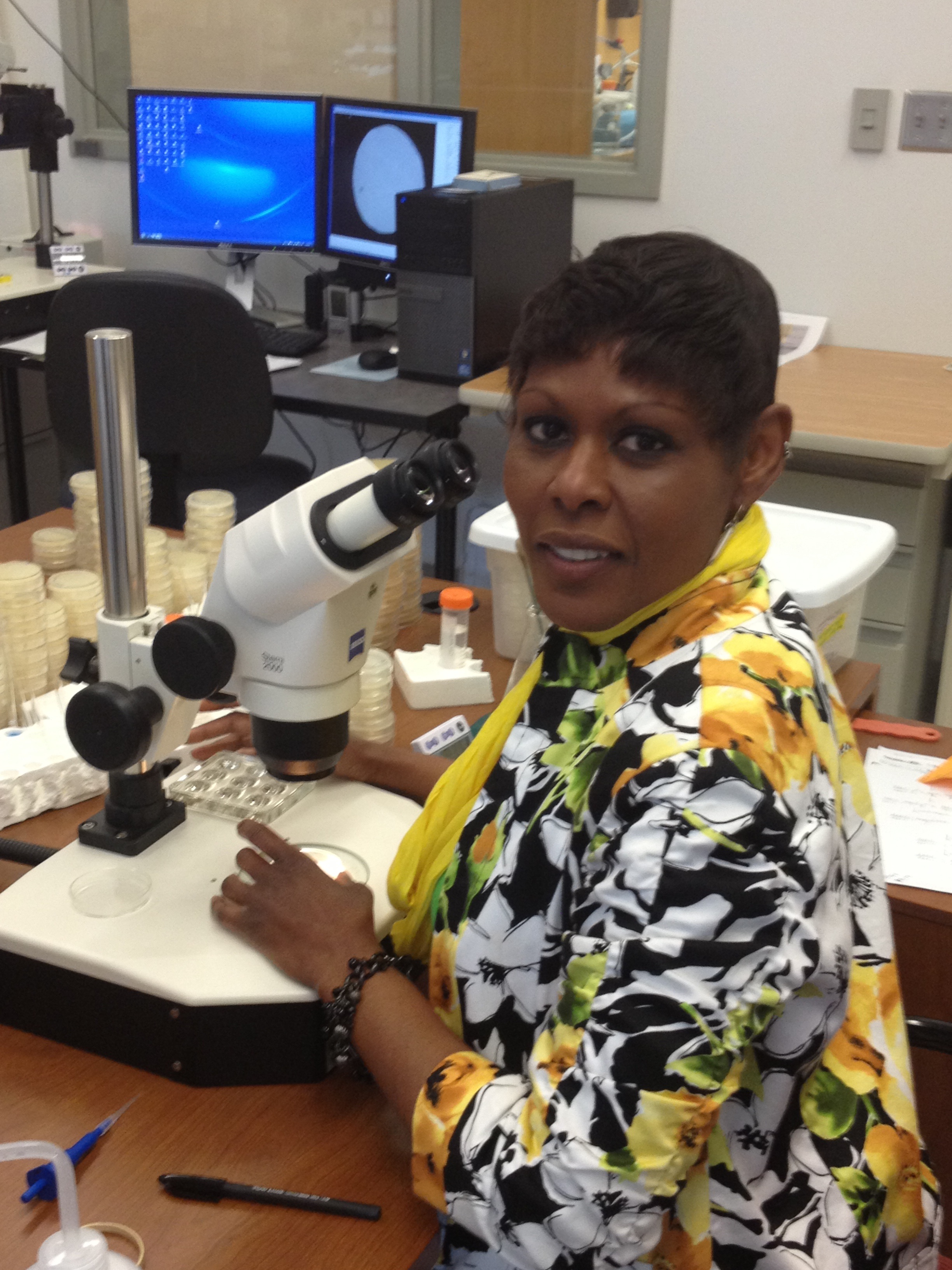
NSF award goes to Fisk geneticist following VU post-doc training
The partnership with Fisk through the Fisk-Vanderbilt Masters-to-PhD Bridge Program and other avenues, “presents us with an opportunity to see the results of our efforts impact an under-served community." Read MoreJul 7, 2015
-
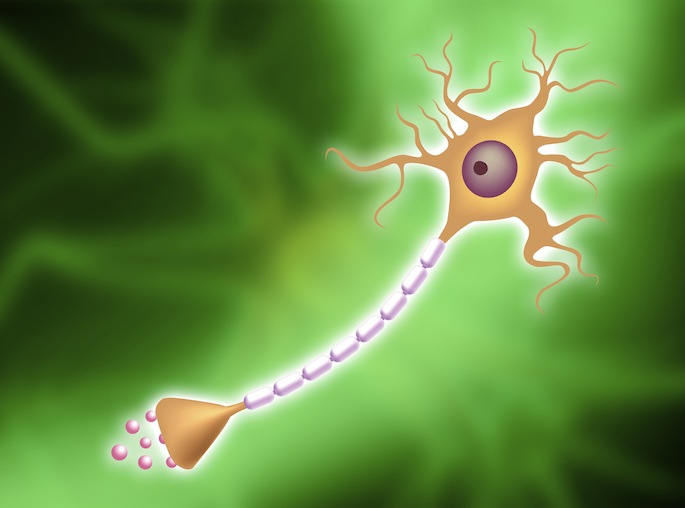
RNA defects in multiple sclerosis
Vanderbilt researchers have discovered that profound defects exist in the integrity of structural RNA molecules in patients with relapsing remitting multiple sclerosis. Read MoreApr 30, 2015
-

What makes math instruction in China more effective?
A $200,000 grant from the National Science Foundation will enable a team of U.S. and Chinese researchers to identify instructional supports that lead to higher levels of mathematics achievement. Read MoreOct 23, 2013
-
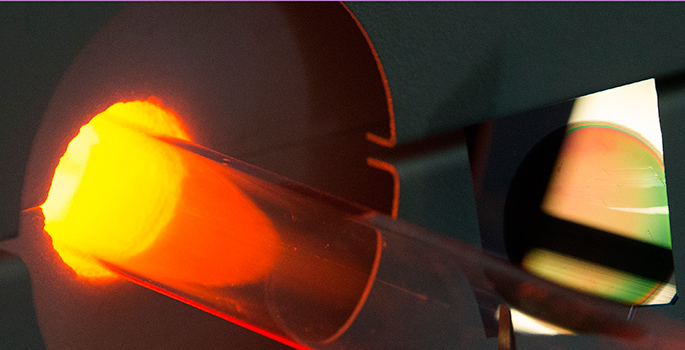
New device stores electricity on silicon chips
Solar cells that produce electricity 24/7. Cell phones with built-in power cells that recharge in seconds and work for weeks between charges: These are just two of the possibilities raised by a novel supercapacitor design invented by material scientists at Vanderbilt University. Read MoreOct 22, 2013
-

VUCast: When is it more than just a tummy ache?
Why you should worry about your child’s chronic tummy aches See a robotic arm that could help save lives And why kids love a new health care app All this and more in VUCast, Vanderbilt’s online newscast. Watch now. [vucastblurb]… Read MoreAug 27, 2013
-
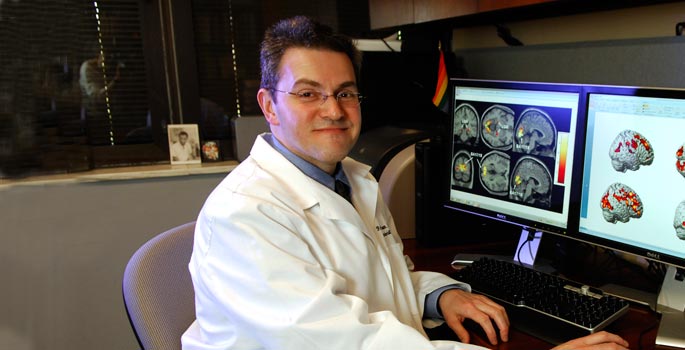
Ecstasy associated with chronic change in brain function
Recreational Ecstasy use is associated with a chronic change in brain function, raising concerns about proposals to use it to treat post-traumatic stress and other disorders. Read MoreMay 5, 2011
-

Insights on NSF funding from agency’s deputy director
Cora Marrett, nominated to serve as deputy director of NSF, speaking at the NSF regional grants conference at Loews Vanderbilt March 21. (Susan Urmy / Vanderbilt) The Loews Vanderbilt Hotel was bustling with scientists, engineers and research administrators March 21 and 22 when Vanderbilt University hosted its… Read MoreMar 24, 2011