Jens Meiler
-
New research offers promise for treatment-resistant cystic fibrosis patients
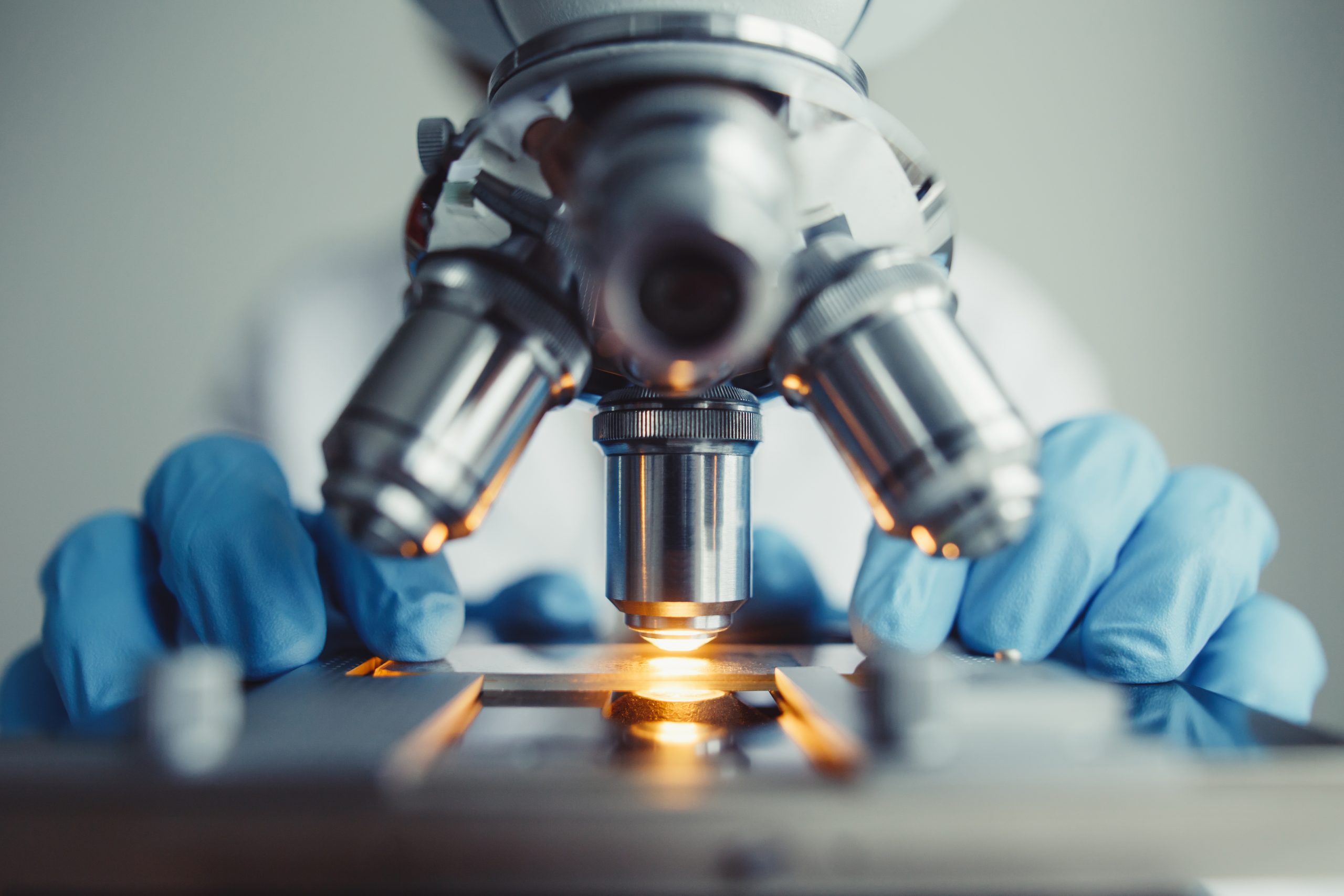
A recent study from the labs of Lars Plate and Jens Meiler, published in the Proceedings of the National Academy of Sciences of the United States of America, analyzed both selectively responsive and poorly responsive variants of cystic fibrosis and revealed the molecular determinants of drug response. Read MoreJun 12, 2025
-
Vanderbilt awarded up to $46M through ARPA-H to develop tools against alphaviruses
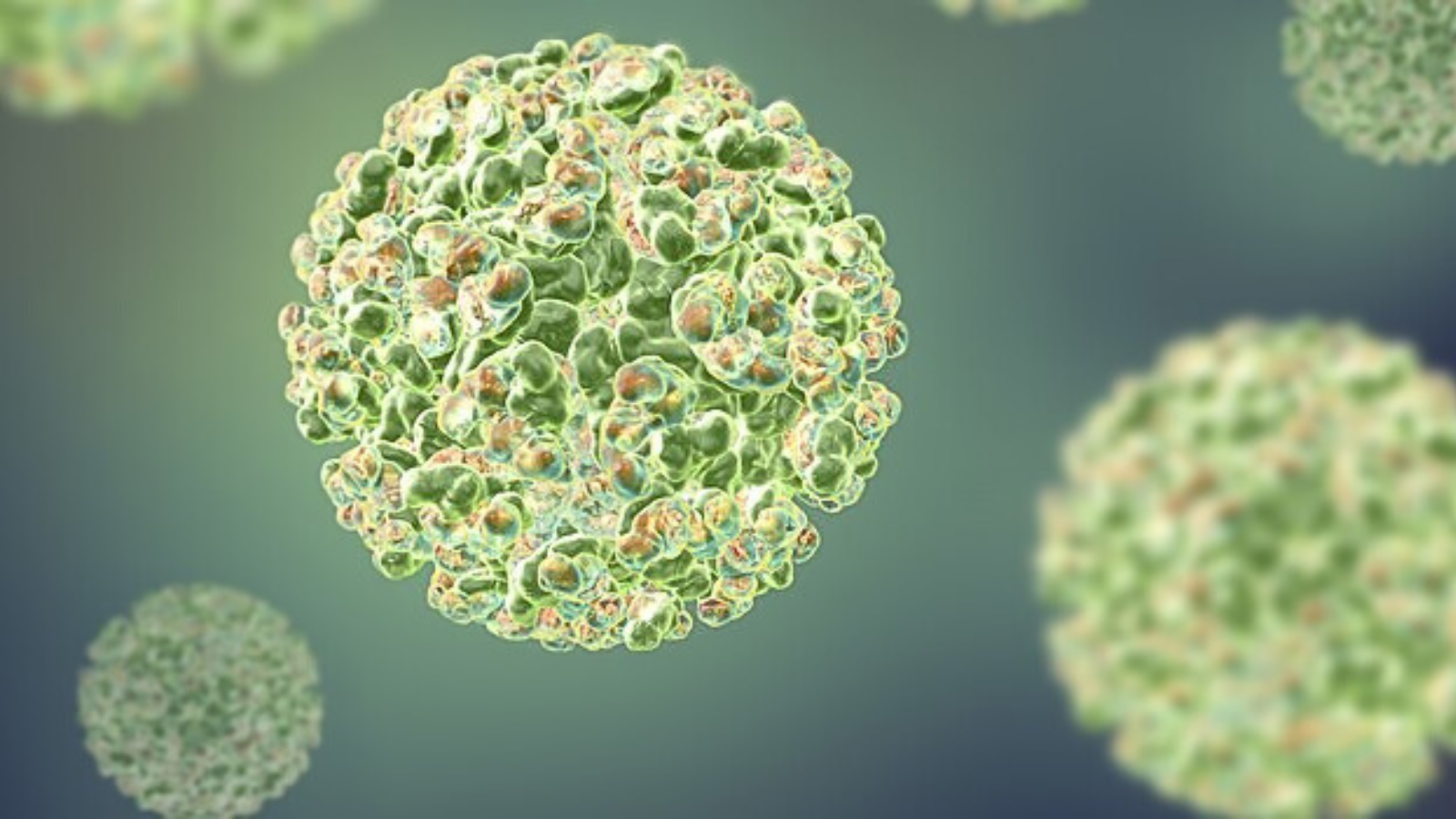
Jens Meiler, Distinguished Research Professor of Chemistry, was named the principal investigator for the project, in cooperation with 14 investigators across eight institutions. The team will work together to use advanced technology, including computational modeling, AI-driven predictions and structural biology, to develop a groundbreaking vaccine against all alphaviruses that offers long-lasting protection. Read MoreDec 2, 2024
-
New drug candidates targeting blood clots developed through computer-aided drug design
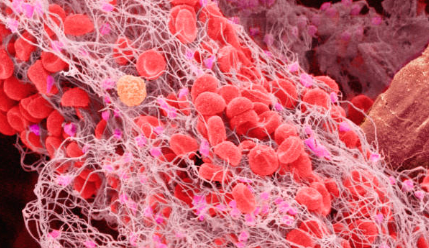
Using computer-aided drug design, Heidi Hamm, Craig Lindsley, and Jens Meiler and their labs generated a novel series of biologically active compounds that can serve as a basis for anti–blood clot preventative drugs. Read MoreJun 11, 2024
-
WATCH: Computer science major helps fight infectious diseases with AI-focused Immersion Vanderbilt project
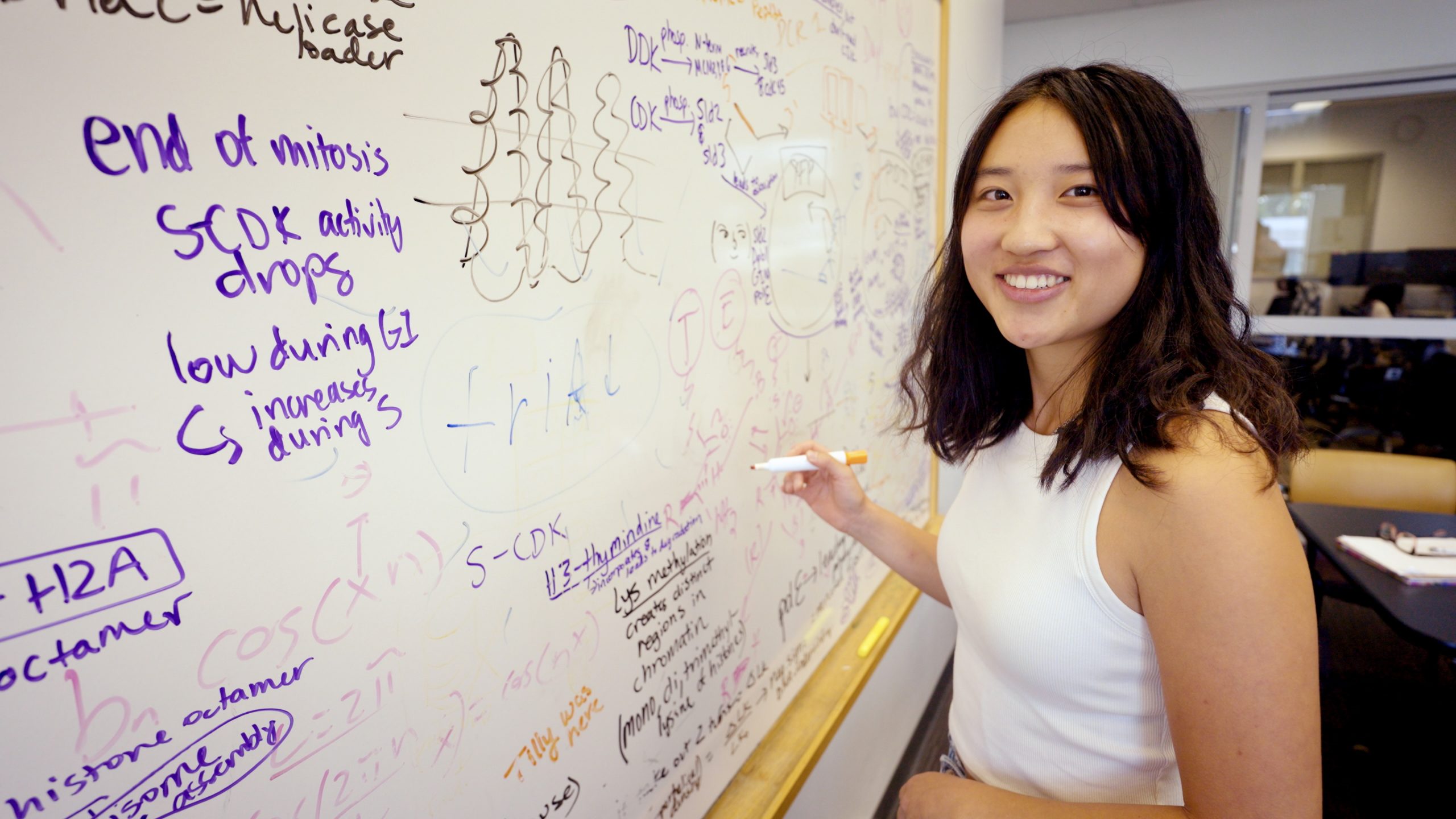
WATCH: Today’s fight against infectious diseases is being waged in the computer lab as much as the wet lab. Using artificial intelligence and machine learning, Vanderbilt researchers and students like School of Engineering undergraduate Karen Pu are expanding the power of computer modeling to identify mutating viruses—and potentially improve vaccines. Read MoreOct 17, 2023
-
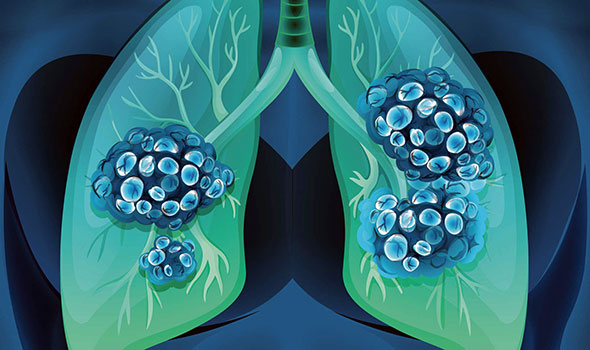
Study reveals need for matching targeted therapies with EGFR subtypes
A Vanderbilt study suggests that clinicians should take a deeper dive into distinguishing EGFR mutations when prescribing targeted therapies for non-small-cell lung cancers. Read MoreJul 28, 2022
-
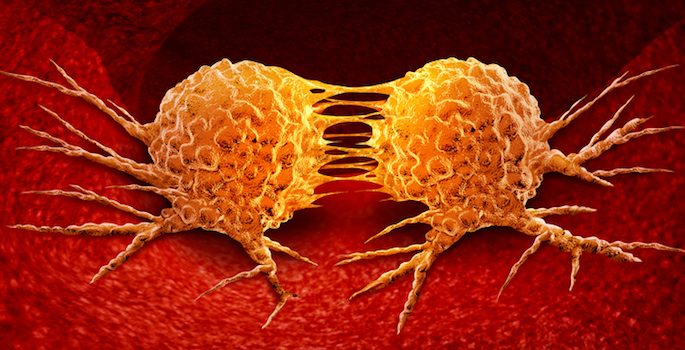
Personalized Structural Biology aids cancer treatment decisions
Cancer specialists at Vanderbilt University Medical Center, in partnership with biochemists and structural biologists across the Vanderbilt University campus, are taking “personalized” cancer therapy to a new level. Read MoreApr 8, 2021
-

Vanderbilt researchers develop publicly available COVID-19 animal susceptibility prediction tool; suggests increased risk to horses
All-remote collaboration results in free animal susceptibility tool to help prioritize research and closer examination of at-risk species. Read MoreOct 6, 2020
-

Poster session Friday will feature work on next-gen vaccines
The computer-aided design and engineering of antibodies and vaccine candidates that can neutralize viral scourges like influenza and Ebola will be the topic of an Aug. 17 poster session presented by the Vanderbilt Center for Structural Biology and the Vanderbilt Vaccine Center. Read MoreAug 6, 2018
-

Characterizing ‘keyhole’ is first step to fighting obesity at the cellular level
A Vanderbilt team and their international colleagues characterized for the first time a complex, little-understood cellular receptor type that, when activated, shuts off hunger. Read MoreApr 18, 2018
-

Transcription factor evolution
Vanderbilt researchers have discovered a novel model of evolution for factors that control gene expression. Read MoreAug 11, 2016
-
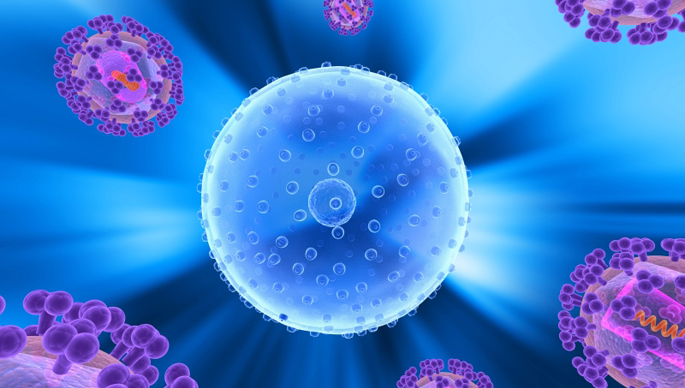
Potent HIV antibodies suggest new vaccine development approach
It’s been known for some time that the immune system can produce antibodies capable of “neutralizing” HIV, and stopping the AIDS-causing virus dead in its tracks. Read MoreApr 7, 2016
-
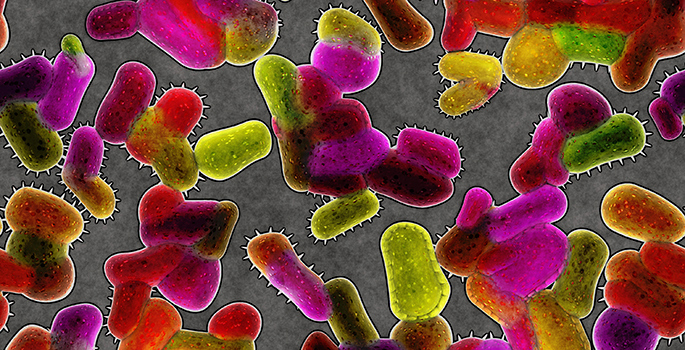
Dynamics of a drug resistance transporter
Vanderbilt investigators are exploring the shape changes in a multidrug transporter to understand the mechanisms of antibacterial resistance. Read MoreFeb 5, 2016
-
Chemist Jens Meiler receives Humboldt Foundation award
Associate Professor of Chemistry Jens Meiler has received a Friedrich Wilhelm Bessel Research Award from the Alexander von Humboldt Foundation in Bonn, Germany. Read MoreDec 15, 2015
-
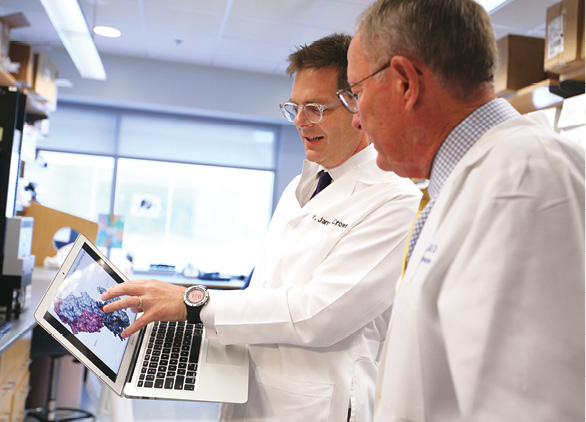
Grant to Help Improve Flu Vaccines
Vanderbilt researchers have received a five-year, $9 million grant from the National Institutes of Health to design more effective flu vaccines and novel antibody therapies. Read MoreJul 31, 2015
-
‘Redesigned’ antibodies may control HIV: study
With the help of a computer program called “Rosetta,” researchers at Vanderbilt University have “redesigned” an antibody that has increased potency and can neutralize more strains of the AIDS-causing human immunodeficiency virus (HIV) than can any known natural antibody. Read MoreMay 21, 2015
-

VU lands $9 million NIH grant to design better flu vaccines
Vanderbilt University researchers have received a five-year, $9 million grant from the National Institutes of Health (NIH) to design more effective flu vaccines and novel antibody therapies. Read MoreMay 15, 2015
-
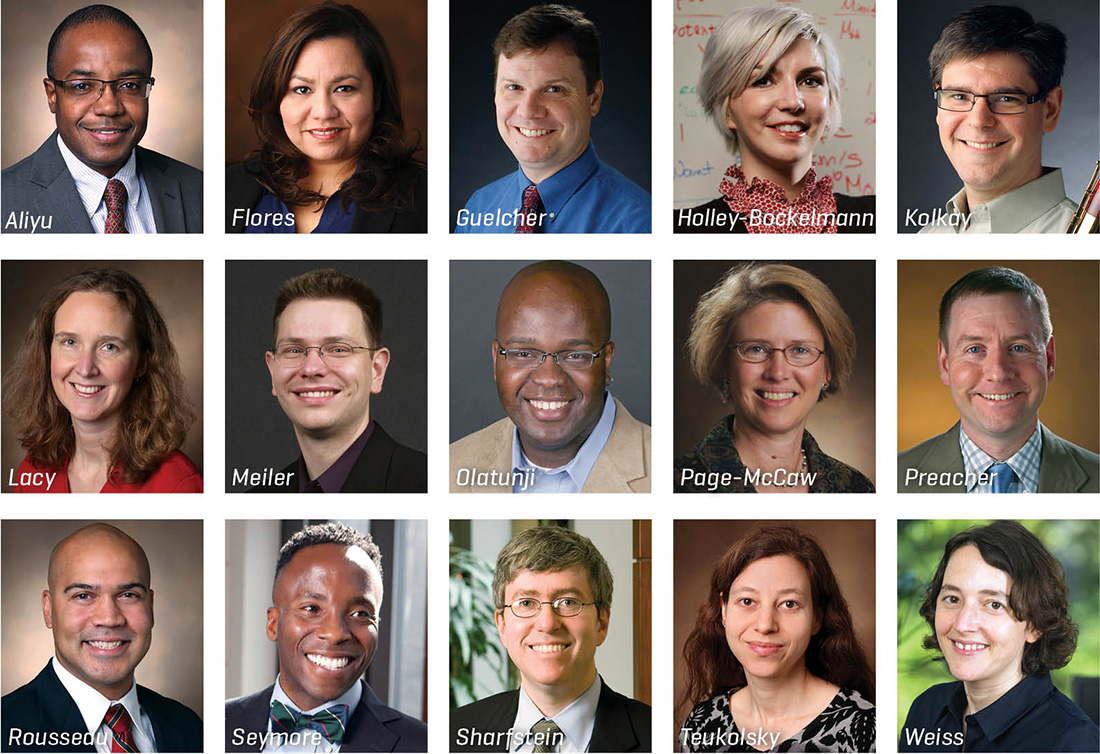
Chancellor Faculty Fellows Program to Advance Trans-institutional Scholarship
Fifteen faculty members from diverse disciplines have been selected as the first cohort of the Chancellor Faculty Fellows program. Read MoreMar 23, 2015
-

VU researchers report G protein advancement that could lead to more effective drugs
Thanks in part to a computer program named “Rosetta,” Vanderbilt University researchers are closer to understanding how the ubiquitous G protein is activated – a discovery that could lead to the design of more specific and effective drugs. Read MoreDec 2, 2013
-
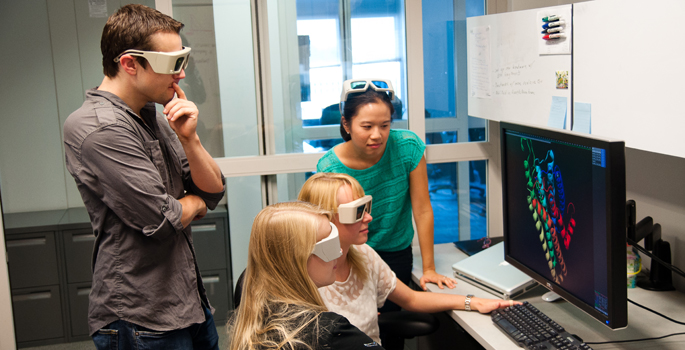
The Leipzig Connection
In the last five years a grassroots faculty collaboration with the University of Leipzig has flowered, making the historic German university one of Vanderbilt's half dozen strategic international partners. Read MoreDec 14, 2012
-
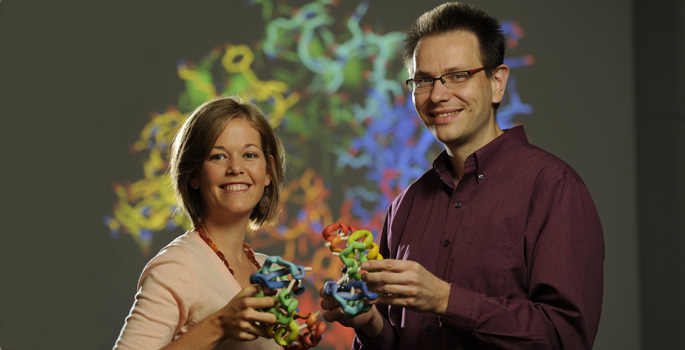
Creation of the largest human-designed protein boosts protein engineering efforts
A team of Vanderbilt chemists have designed and successfully synthesized the largest artificial protein using a new approach that greatly expands scientists’ ability to create proteins unknown in nature. Read MoreNov 15, 2011