Arts And Science
-
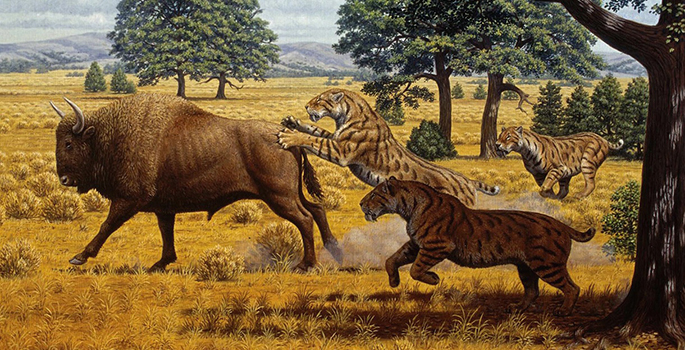
Evidence shows starvation did not cause saber-tooth cat extinction
The latest study of the microscopic wear patterns on the teeth of the American lions and saber-toothed cats that roamed North America in the late Pleistocene found that they were living well off the fat of the land in the period just before they went extinct. Read MoreDec 26, 2012
-
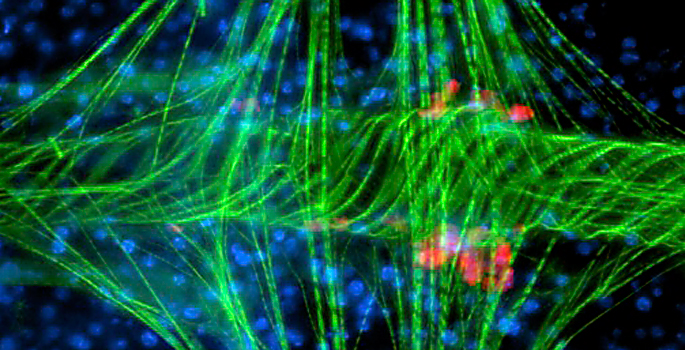
Mosquitoes as involuntary bioterrorists
Vanderbilt biologists have discovered that mosquitoes possess a previously unknown mechanism for destroying pathogens which takes advantage of the peculiarities of the insect’s circulatory system to increase its effectiveness. Read MoreNov 29, 2012
-
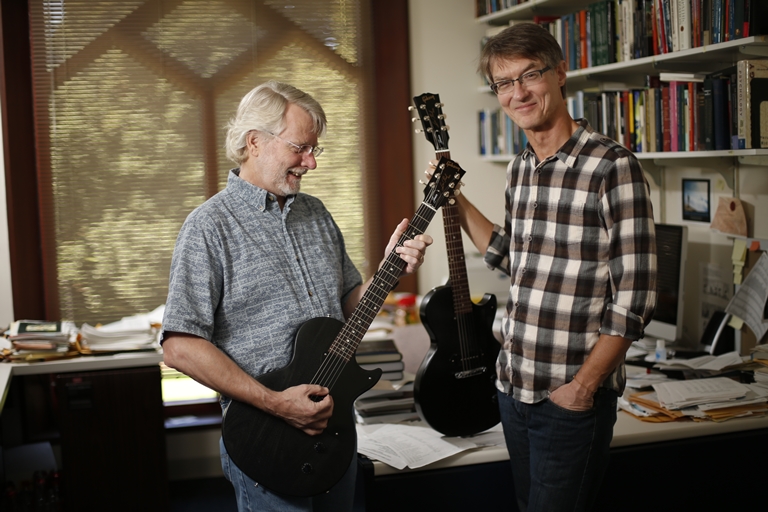
Why learning guitar is different from learning other instruments
Through a set of experiments, Gordon Logan, Nashville musician Jerry Kimbrough and Matthew Crump (now of Brooklyn College-CUNY) have illustrated that guitarists – and players of other related instruments like mandolin, banjo and bass – tend to acquire their skills differently than most other musicians. Read MoreNov 13, 2012
-
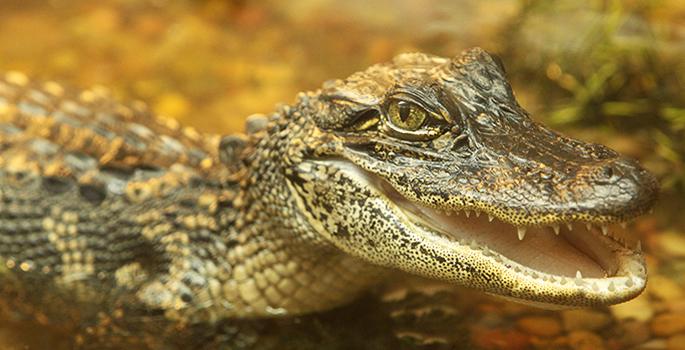
Despite their thick skins, alligators and crocodiles are surprisingly touchy
Researchers have discovered that alligators and crocodiles possess one of the most acute senses of touch in the animal kingdom. Read MoreNov 8, 2012
-

Brain study provides new insight into why haste makes waste
A new study demonstrates how the brain follows Ben Franklin’s famous dictum, “Take time for all things: great haste makes great waste.” Read MoreNov 7, 2012
-

Obama/Romney negative ads continue to strike out: Vanderbilt/YouGov surveys
Negative advertising may be obligatory in the presidential campaign, but it doesn't seem to be paying off this time around when it comes to changing voter's minds. “It looks like we are way past much bang for the buck with these ads,” said John Geer of Vanderbilt University. Read MoreOct 26, 2012
-

Democrats dig Big Bird; Republicans not so much
At the moment, Republicans and Democrats can’t even agree on the appeal of a giant yellow Muppet. Democrats gave Big Bird a favorable rating by an 85 percent margin. Only 55 percent of Republicans held that view. Read MoreOct 12, 2012
-

One of two Romney approaches offers his best chance: Vanderbilt analysis
Mitt Romney can still win the presidential election if he can convince Americans he has the best plan to reinvigorate the economy, according to analysis by Vanderbilt professor John Geer of two new ads released by Romney’s campaign. Read MoreOct 2, 2012
-
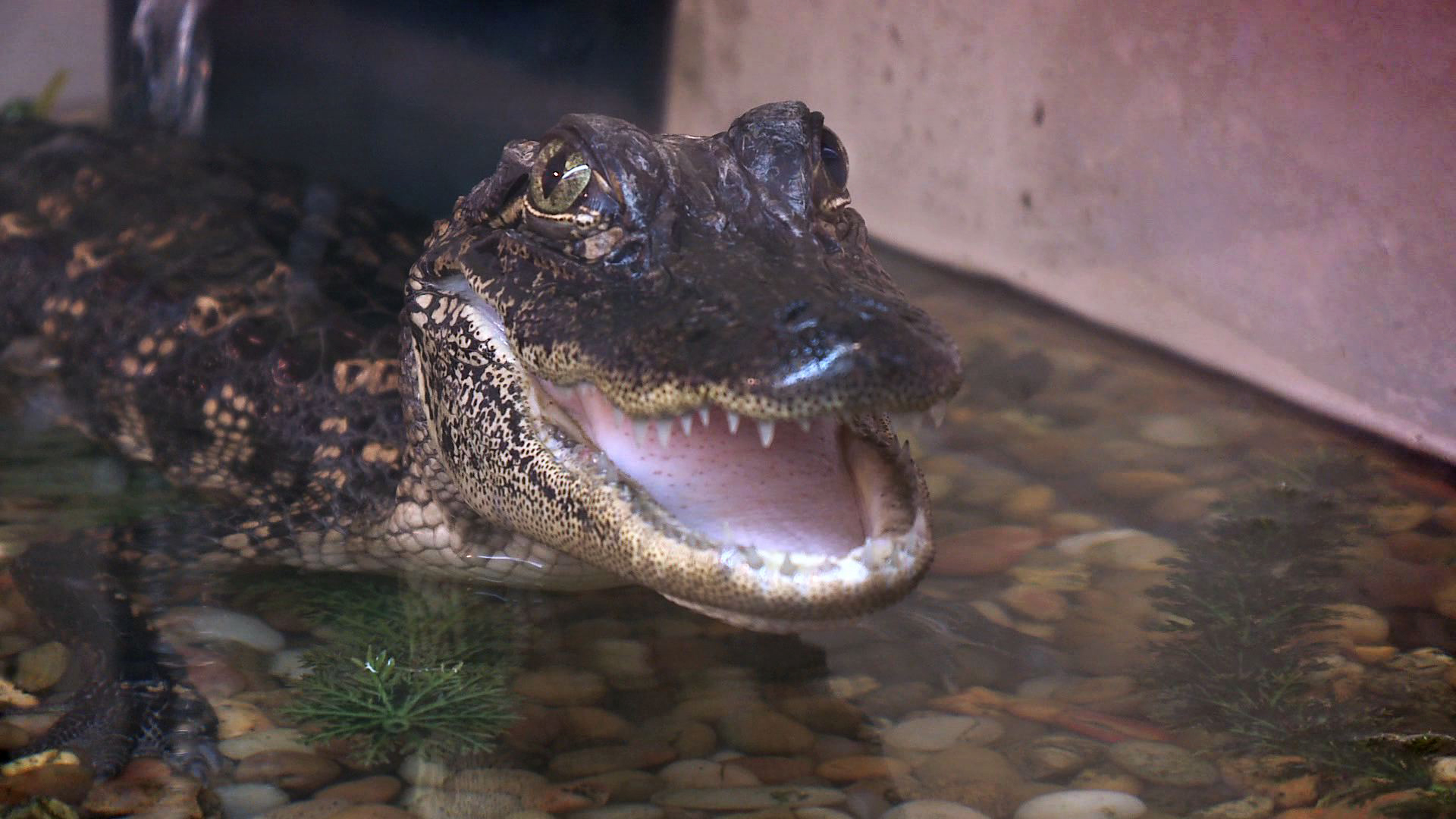
VUCast: Gators Give Researchers Clues
This Week on VUCast, Vanderbilt’s online newscast: What these “sensitive” alligators have in common with humans. Brainy bugs! Why ants are smarter than the average bug. And a worldwide “girl power” movement comes to Vanderbilt. Read MoreSep 28, 2012
-

Dwindling undecided voters have lost much of their power
There now is only a small and ever dwindling chance that the remaining undecided voters might influence the outcome of the presidential election, said a Vanderbilt University political scientist. Read MoreSep 26, 2012
-
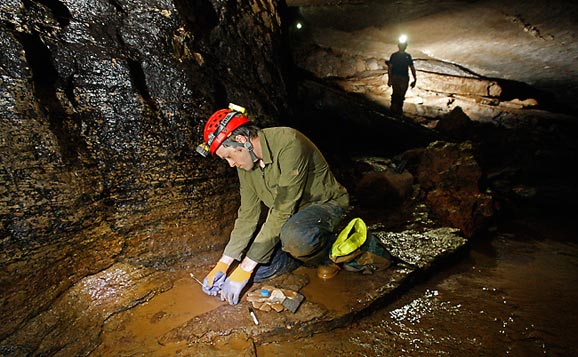
Caving for Cures project gains museum limelight
If you drop by the American Museum of Natural History the next time you visit New York, there is a good chance that you will see an exhibit highlighting Vanderbilt chemist Brian Bachmann’s "caving for drugs" research. Read MoreSep 17, 2012
-
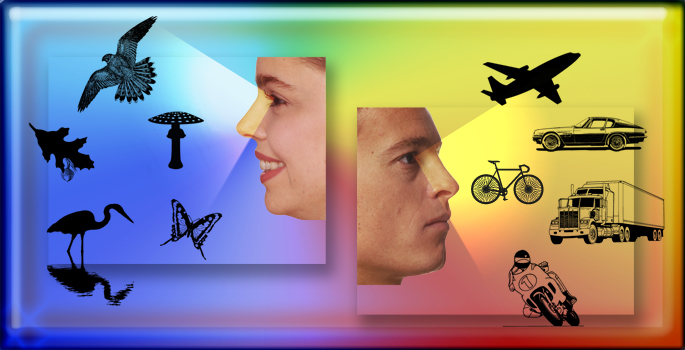
Sex matters: Guys recognize cars and women recognize birds best
Women are better than men at recognizing living things and men are better than women at recognizing vehicles: That is the unanticipated result of an analysis of data from a series of visual recognition tasks collected by Vanderbilt psychologists. Read MoreSep 17, 2012
-
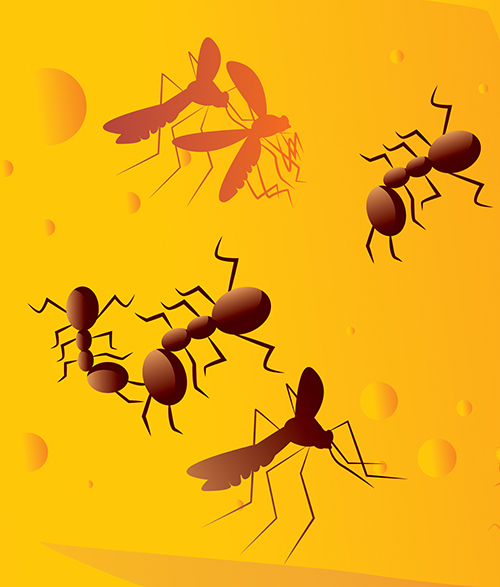
Zwiebel Lab adds ants to its research repertoire
After more than a decade spent successfully decoding the malaria mosquito’s sense of smell, the Zwiebel Lab has added ant olfaction to its research repertoire and has just received a major grant to pursue this new avenue for the next four years. Read MoreSep 13, 2012
-
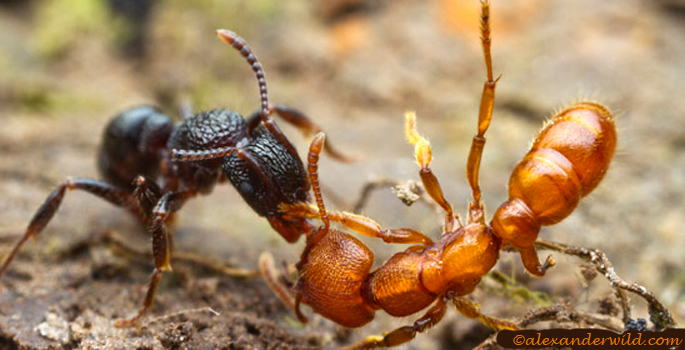
Ants have an exceptionally high-def sense of smell
Ants have four to five times more odor receptors than most other insects, a team of researchers have discovered. Read MoreSep 10, 2012
-

Bill Clinton better at rallying the Democratic base than Obama: study
The latest political ad to be rated by the Vanderbilt/YouGov Ad Rating Project shows former president Bill Clinton doing a better job of rallying Democratic voters to re-elect President Obama than the president himself. Read MoreAug 28, 2012
-

Ned Porter receives physical organic chemistry award
Stevenson Professor of Chemistry Ned Porter is the recipient of the James Flack Norris Award for Physical Organic Chemistry for 2013, the American Chemical Society has announced. Read MoreAug 23, 2012
-
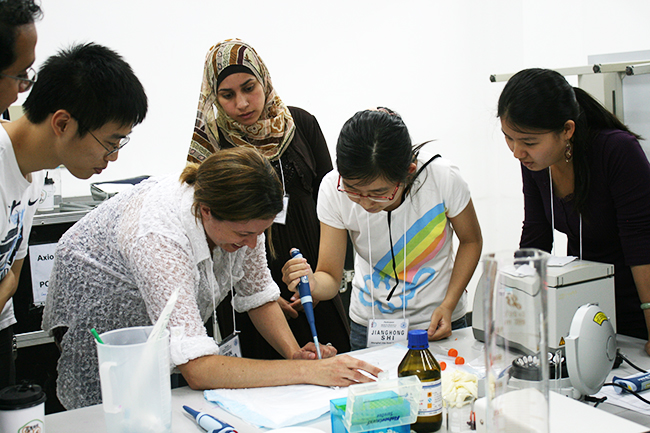
Vanderbilt physicist promotes hands-on science research in the developing world
Biophysicist Erin Rericha spent 12 days in Shanghai this summer demonstrating inexpensive methods for studying cell migration to graduate students and young faculty members from developing countries as part of an annual meeting organized by The Hands-on Research in Complex Systems School. Read MoreAug 23, 2012
-
Engineer, astronomer and geologist receive NSF Faculty Early Career Development awards
An electrical engineer who is attempting to make wireless communications more reliable, an astronomer who studies the evolution of the cosmos by creating large numbers of virtual universes and a geologist who is studying the origins of super-eruptions have received the National Science Foundation’s Faculty Early Career Development awards. Read MoreAug 9, 2012
-
Negative ad proves more effective for Obama
Positive ads from President Obama won't get the job done of defeating challenger Mitt Romney in the presidential race, data from the Vanderbilt/YouGov Ad Rating Project continues to suggest. Read MoreAug 7, 2012
-

Newborn star’s spots confirm stellar growth theory
The latest observations of a newly born star have found that it has a pair of spots on its surface that are heated to more than one million degrees. The presence of these spots confirms a theory for how stellar infants grow advanced by Professor of Astronomy David Weintraub and a colleague. Read MoreJul 10, 2012