Arts And Science
-
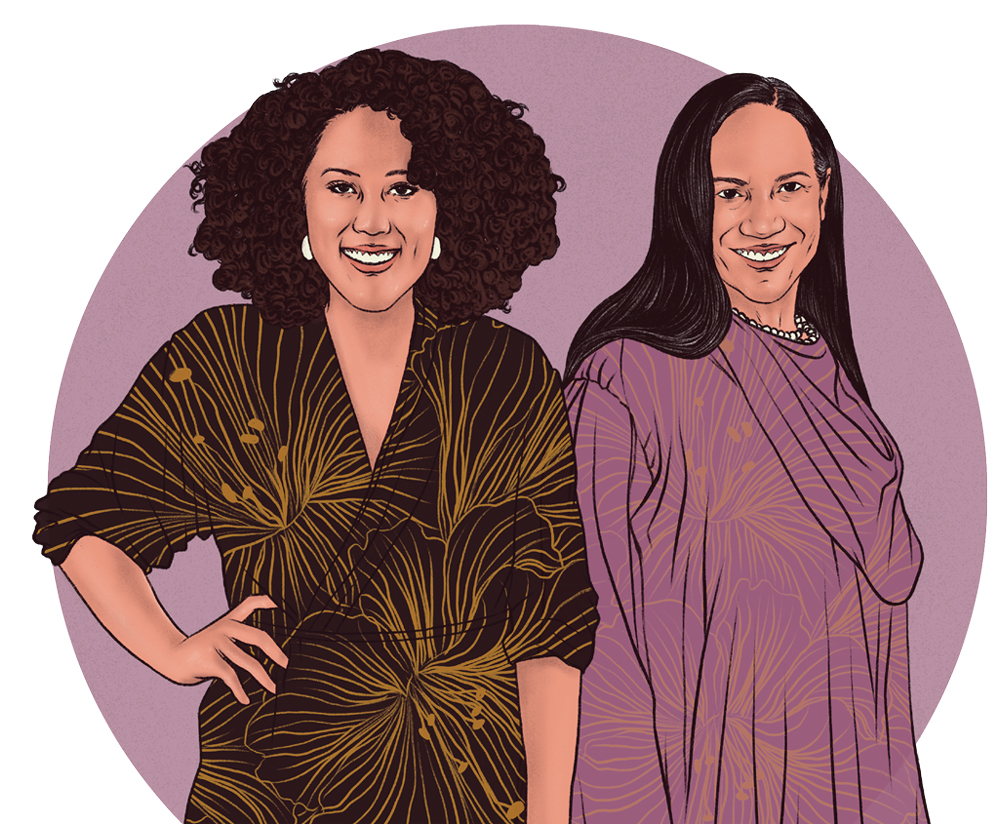
Words in Common: Mother-daughter duo and writers-in-residence Alice Randall and Caroline Randall Williams share a deep creative calling
Alice Randall and Caroline Randall Williams are both writers-in-residence at Vanderbilt—Randall in the Department of African American and Diaspora Studies and Williams in the Department of Medicine, Health and Society. And neither is afraid to shine a light on complicated questions around race. Read MoreOct 2, 2020
-
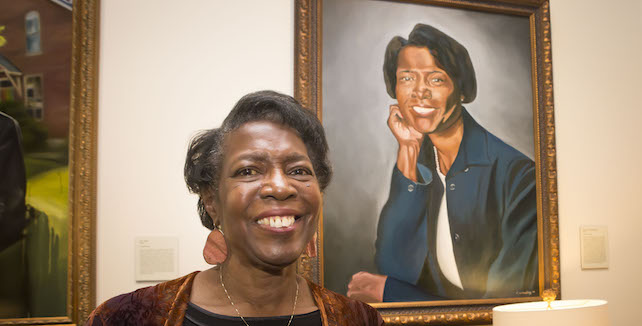
Trailblazing alumna Dorothy Phillips discusses her career as a chemist, importance of diversity in the physical sciences
Dorothy J. Wingfield Phillips, BA’67, the first African American woman to receive an undergraduate degree from Vanderbilt and a member of the inaugural class of Vanderbilt Trailblazers, recently was interviewed by the American Chemical Society about her career as a chemist and the importance of making the physical sciences more inclusive for women and underrepresented minorities. Read MoreOct 2, 2020
-
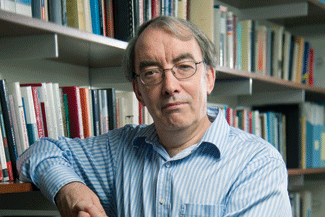
Ethnic fears eroding democratic attitudes among Republicans, new research finds
Ethnocentric concerns about the growing political power and social influence of immigrants, African Americans and Latinos are undermining Republicans’ commitment to long-held democratic norms, according to new research by Vanderbilt University political science professor Larry Bartels. Read MoreSep 4, 2020
-

Turning Heads: The Vanderbilt Brain Institute has emerged as a hub of discovery as neuroscience’s influence expands
The VBI recently marked its 20th anniversary, a span that has seen the institute’s wide-ranging missions—including administering the university’s Neuroscience Graduate Program, as well as postdoctoral training and community outreach—steadily coalesce under a single umbrella. Read MoreAug 5, 2020
-
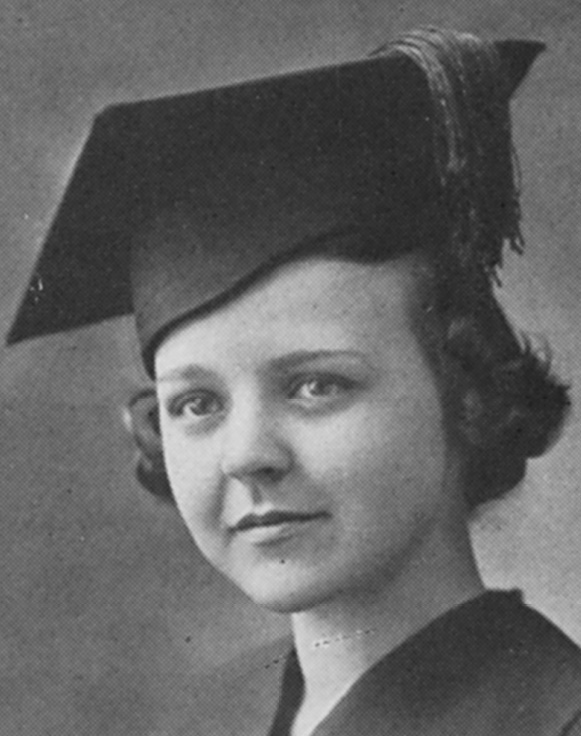
The Power of a Vanderbilt Education
Even at 104 years old, Helen Sterling, BA’36, MA’38, handled aging with optimism and grace. Her affection for her alma mater motivated her to include the university in her estate plans. Thanks to her $1.6 million bequest for unrestricted support at Peabody College and the College of Arts and Science, her legacy at Vanderbilt endures. Read MoreAug 4, 2020
-

Get to know Vanderbilt’s residential faculty: Professor Celso Castilho
As the new academic year approaches, Vanderbilt's faculty heads of house are revealing some things about themselves in this special portrait series. Meet Celso Thomas Castilho, associate professor of history and faculty head of Memorial House. Read MoreAug 1, 2020
-
Get to know Vanderbilt’s residential faculty: Professor Rosevelt Noble

As the new academic year gets underway, Vanderbilt’s faculty heads of house are revealing some things about themselves in this special portrait series. Get to know Rosevelt Noble, senior lecturer in sociology and director of the Bishop Joseph Johnson Black Cultural Center and faculty head of Stambaugh House. Read MoreJul 29, 2020
-
Get to know Vanderbilt’s residential faculty: Professor Christoph Zeller

As the new academic year approaches, Vanderbilt’s faculty heads of house are revealing some things about themselves in this special portrait series. Get to know Christoph Zeller, associate professor of German studies and of European studies and faculty head of West House. Read MoreJul 29, 2020
-
John Vrooman, revered professor of sports economics, has died
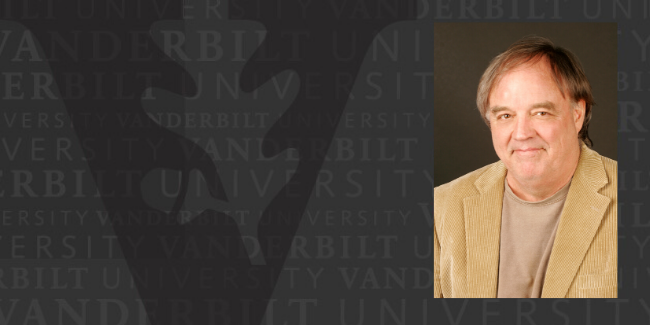
Vanderbilt emeritus professor of economics John Vrooman, who had a passion for all things sports and taught one of the most popular classes at Vanderbilt focusing on sports economics, passed away on July 5. Before he passed, Vrooman asked that he not have an official obituary, but fellow economics professor Robert Driskill wrote this remembrance of Vrooman, who had a teaching career that spanned almost five decades. Read MoreJul 17, 2020
-

And the Beat Goes On: A resilient Vanderbilt community finds innovative ways to thrive amid the challenges of COVID-19
As the COVID-19 pandemic continues to upend lives in countless ways, members of the Vanderbilt community have shown remarkable resilience in the face of the crisis. Read MoreMay 14, 2020
-

‘Mask’: A poem by Beth Bachmann
The poem originally appeared in The New Yorker’s April 6, 2020, issue. Read MoreMay 14, 2020
-

Ask an Expert: How does the economy restart?
Kathleen McKiernan, assistant professor of economics, discusses how the economy can restart after the devastating effects of the COVID-19 pandemic. Read MoreApr 29, 2020
-

Study: Effective legislators do better at the primary polls
Primary voters prefer incumbents with a proven record of success, according to a new working paper from the Center for Effective Lawmaking, coauthored by Alan Wiseman. Read MoreApr 20, 2020
-
M. Fräncille Bergquist, ‘Heart’ of Arts and Science
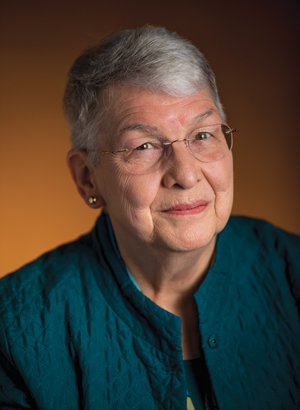
Photo by John Russell M. Fräncille Bergquist, a beloved professor of Spanish, emerita, and retired College of Arts and Science administrator who devoted much of her life to advising and mentoring thousands of undergraduate students, died Nov. 17 in Nashville. She was 74. “Fräncille had a wonderful talent for believing… Read MoreFeb 17, 2020
-

Vanderbilt Poll finds Tennesseans broadly united on key issues, economic insecurity top of mind for many
The 2019 Vanderbilt Poll shows that Tennesseans agree on many tough issues, while a new set of questions reveals insights into the financial and health care worries of Tennessee voters. Read MoreDec 17, 2019
-

All-Stars: Dynamic educators and researchers join Vanderbilt’s distinguished faculty
This fall Vanderbilt welcomed its newest faculty members to campus, and their impact is already being felt, both in the classroom and through their wide-ranging research. Read MoreNov 7, 2019
-

Behavioral science models can help identify the greenest dietary changes
Spreading the gospel of veggie-only diets may not be the most effective way to help reduce overall, food-related greenhouse gas emissions, according to a new model based on behavioral science. In new commentary published Aug. 9 in Nature Sustainability, Jonathan Gilligan, associate professor of Earth and Environmental Sciences, examines… Read MoreAug 9, 2019
-
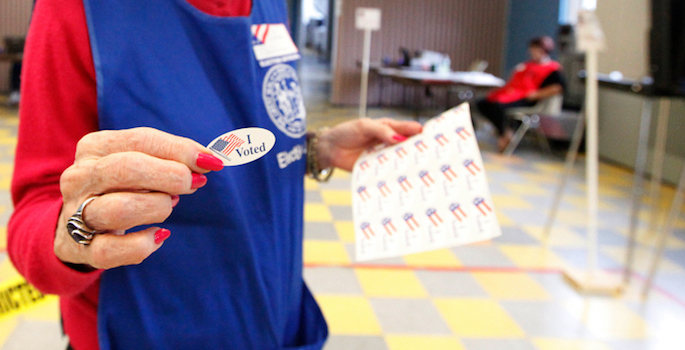
The momentum myth: Staggering primaries didn’t affect outcome of 2016 nominating contests
During the 2016 primary season, voters didn't shift their preferences based on who was winning, according to an analysis of more than 325,000 tracking poll results. Read MoreJul 29, 2019
-

When legislatures can and can’t check executive powers
The largest analysis of gubernatorial executive orders to date reveals important nuances that explain how and when legislatures can constrain executive power. Read MoreJul 29, 2019
-

Decline of U.S. auto industry linked to midcentury shift in production models
A massive shift in production models by American automakers to limit the impact of labor unions may have unintentionally stifled innovation and led to the present decline of the U.S. auto industry, according to new research by Joshua Murray. Read MoreJul 18, 2019