Research
-

Study suggests cancer’s ‘clock’ can be rewound
Researchers at Vanderbilt University Medical Center have “turned back the clock” in a mouse model of metaplasia — precancerous stomach lesions — raising hopes that gastric cancer, a worldwide scourge that’s rising in the United States, can be prevented. Read MoreMar 17, 2016
-

Study explores gene’s role in protecting HIV patients from TB
An international research team led by scientists from Vanderbilt University Medical Center has identified a genetic variant that protects people with HIV from developing active tuberculosis. The variant is near the gene encoding the infection-fighting cytokine IL-12. Read MoreMar 17, 2016
-

Study explores carb-loading’s effect on heart
Drinking a high carbohydrate shake can have an acute and detrimental effect on heart function, a study published in the Journal of the American College of Cardiology (JACC) has found. Read MoreMar 17, 2016
-

The Conversation: Organizing a student protest? Have a look at 1970s Germany
Christoph Zeller, associate professor of German, writes: "Looking back at the protest movement in Germany reveals parallels that help to understand the present." Read MoreMar 11, 2016
-

IOM study calls for better evidence for biomarker tests
Biomarker tests that help determine which patients may benefit from molecularly targeted therapies need better evidence and oversight to improve their effectiveness and availability, according to a study by the Institute of Medicine (IOM) of the National Academies of Sciences, Engineering, and Medicine. Read MoreMar 10, 2016
-
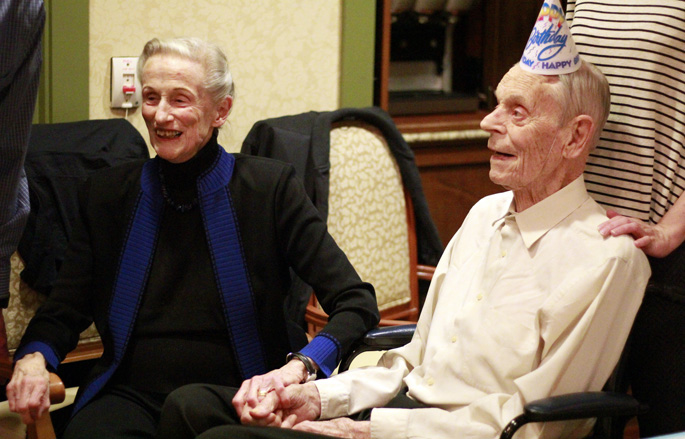
Pioneering diabetes researcher Park celebrates 100th birthday
Pioneering Vanderbilt diabetes researcher Charles R. “Rollo” Park, M.D., celebrated his 100th birthday on March 2 at the Heritage of Brentwood with his wife of more than 70 years, Jane Park, Ph.D., professor emerita of Molecular Physiology and Biophysics. Read MoreMar 10, 2016
-

The Conversation: Are looser gun laws changing the social fabric of Missouri?
Jonathan Metzl, director of the Center for Medicine, Health, and Society, writes: "Again and again, people with whom I spoke raised concerns, not just about the lethal potential of firearms, but about the ways that allowing guns into previously gun-free communal spaces might impact a host of commonplace civic encounters as well." Read MoreMar 10, 2016
-

Eye of a cytokine storm
A new animal model can be used to “dissect” the inflammatory response to infection. Read MoreMar 9, 2016
-
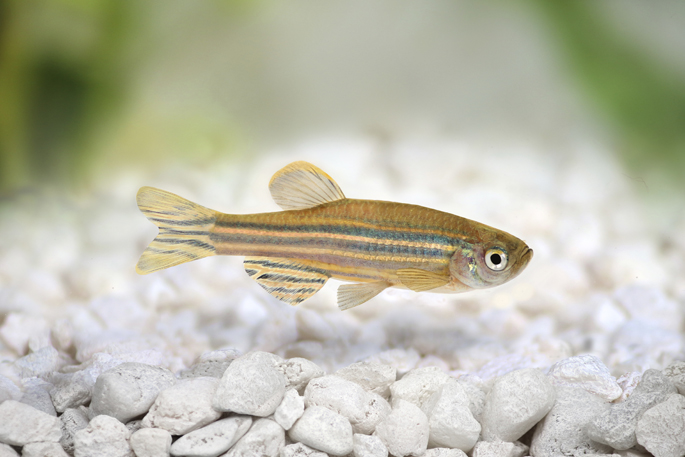
Fat hormone’s role in zebrafish
The hormone leptin regulates glucose balance, but not fat stores, in zebrafish. Read MoreMar 8, 2016
-
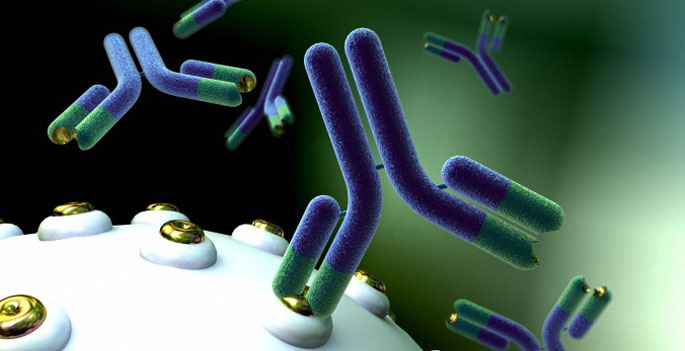
Vanderbilt researchers identify potential antibody treatment for H7 avian flu
Researchers at Vanderbilt University Medical Center have isolated human antibodies against a type of bird flu that has killed more than 200 people in China since 2012 and which may pose a worldwide pandemic threat. Read MoreMar 7, 2016
-
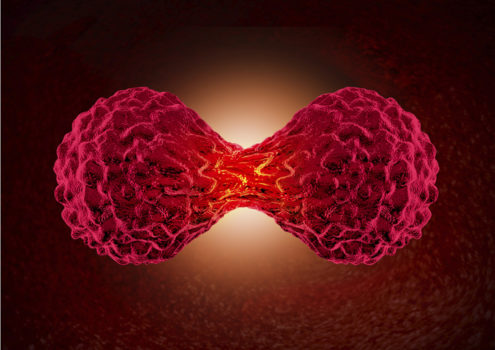
A clue to cell cleavage
Actin and microtubule cytoskeletons are coordinated during cytokinesis – the process that separates one cell into two and is linked to events underlying cancer. Read MoreMar 7, 2016
-

Harsh immigration rhetoric pushes Latinos away: Survey
When Latinos hear tough talk about immigrants and immigration from politicians, their level of political trust is reduced and they start identifying more with their ethnic group than other qualities such as class or religion. Read MoreMar 4, 2016
-
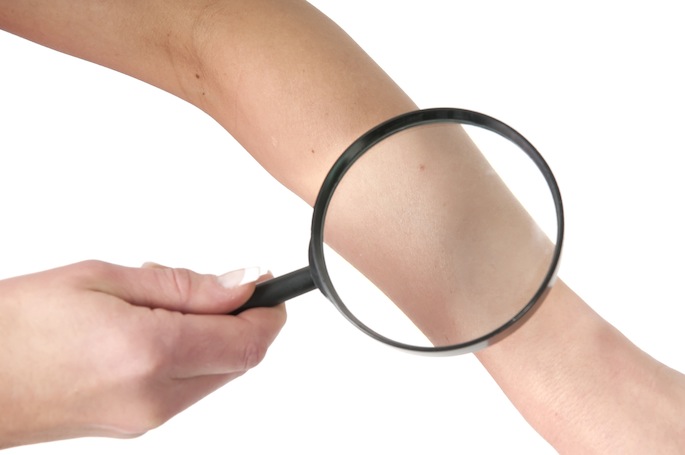
Melanoma response to immune therapy
Melanoma-specific expression of a certain protein identifies tumors that are more responsive to an immune therapy. Read MoreMar 3, 2016
-

Study reveals possible ‘dimmer switch’ drug for Rett syndrome
Researchers at Vanderbilt University Medical Center have relieved symptoms in a mouse model of Rett syndrome with a drug-like compound that works like the dimmer switch in an electrical circuit. Read MoreMar 3, 2016
-
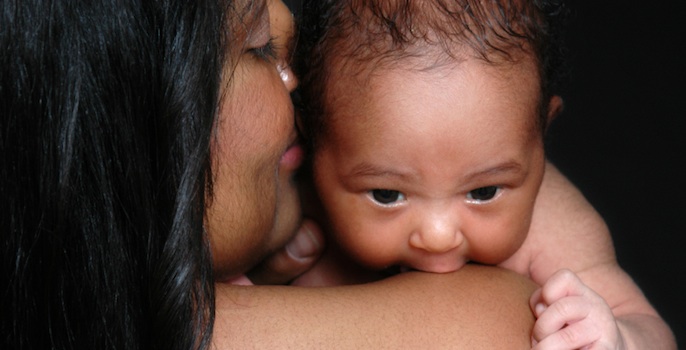
Study seeks to ease pediatric HIV infection rates in Africa
Mother-to-child transmission of the human immunodeficiency virus (HIV), which causes AIDS, is still a major problem in resource-limited, rural areas of the world where health care providers are scarce. Read MoreMar 3, 2016
-
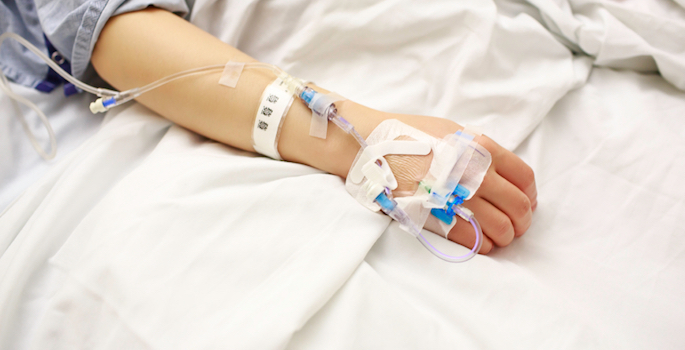
Study finds health literacy efforts ease readmission rates
Vanderbilt University Medical Center and Brigham and Women’s Hospital in Boston recently collaborated on a study analysis to determine the effect of a tailored, pharmacist-delivered health literacy intervention on unplanned hospital readmission or emergency department visit following discharge. Read MoreMar 3, 2016
-
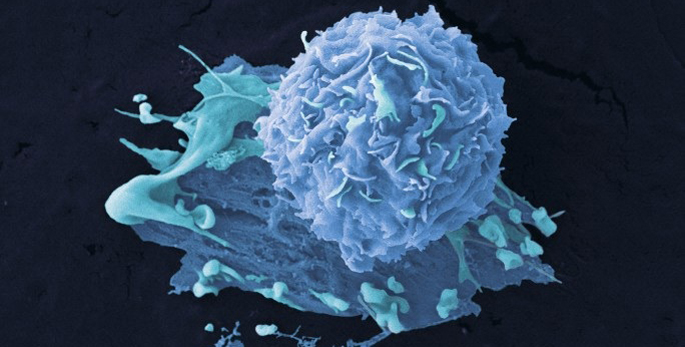
Grant spurs research into how cancer cells spread
Aron Parekh, Ph.D., assistant professor of Otolaryngology, has received a four-year, $790,000 Research Scholar Grant from the American Cancer Society to further his research into the mechanical and biological properties of cancer cells and the methods by which they leave the initial tumor and spread or metastasize to other parts of the body. Read MoreMar 3, 2016
-

How to make electric vehicles that actually reduce carbon
Scientists from Vanderbilt and George Washington universities have worked out a way to make electric vehicles that not only are carbon neutral but carbon negative. Read MoreMar 2, 2016
-

Grant bolsters rheumatoid arthritis research
C. Michael Stein, MBChB., and his colleagues at Vanderbilt University Medical Center have received a five-year, $1.35 million award from the Arthritis Foundation to develop new biomarkers for rheumatoid arthritis that also may revolutionize treatment. Read MoreFeb 25, 2016
-

Chemo better option following pancreatic cancer surgery: study
A multicenter study led by Vanderbilt University Medical Center (VUMC) investigators found that pancreatic cancer patients who underwent surgery and received chemotherapy lived longer and had fewer cancer recurrences in other parts of the body than patients who also received chemoradiation therapy. Read MoreFeb 25, 2016