Research – VUMC Reporter
-

Academic acceleration has no negative long-term effects on the psychological well-being of gifted youth
A new longitudinal study published in the Journal of Educational Psychology from Vanderbilt’s Study of Mathematically Precocious Youth finds that there are no negative effects on the long-term well-being of gifted youth from academic acceleration such as skipping grades, graduating early, or a combination of advanced educational placement methods. Read MoreAug 3, 2020
-

Birth of an Idea: Steven Townsend’s pathbreaking molecular research into human milk
This year alone, Townsend has earned an $800,000 National Science Foundation CAREER award for his research on the protective properties of human milk, a $1.5 million grant from the National Institutes of Health to discover new antibiotics, a $110,000 award from the American Chemical Society, and a place on the Chemical & Engineering News 2019 “Talented 12” list of scientists. Read MoreFeb 17, 2020
-

A Climate of Caring: New course focuses on treating patients affected by the impacts of climate change
Carol Ziegler, MSN’06, DNP’12, spent her younger years discussing climate change with her environmentalist father, but it wasn’t until a trip to Kenya in 2009 that she saw the direct impact it could have on every aspect of a society. Read MoreNov 7, 2019
-
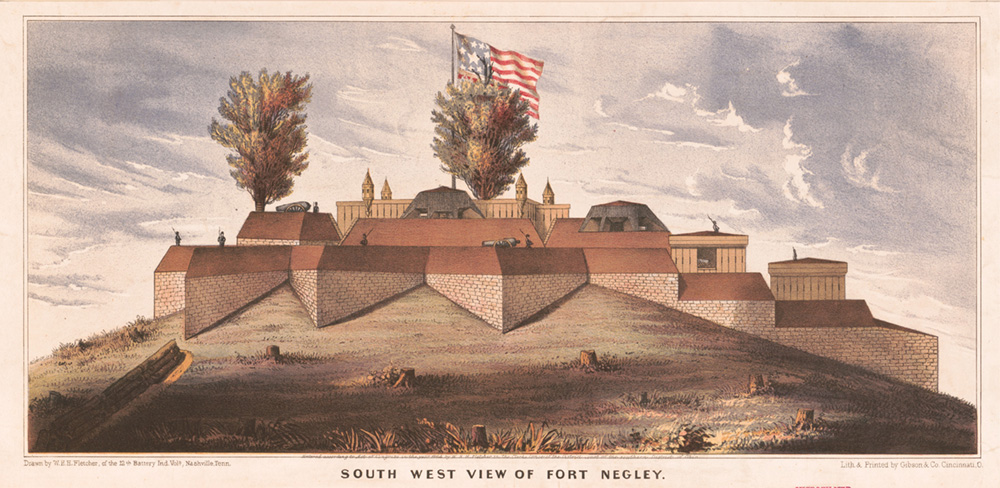
Fortifying History: Vanderbilt research leads to UNESCO designation for Nashville’s Fort Negley
Two years ago, Fort Negley, a Union Army stronghold located a few miles east of Vanderbilt’s campus, was slated to be demolished to make way for one of Nashville’s newest mixed-use developments. Yet, in part because of efforts by Vanderbilt researchers to document the vital contributions African Americans made to building and defending the site, not only was Fort Negley spared, but the United Nations Educational, Scientific and Cultural Organization (UNESCO) also recognized it as a “Site of Memory” as part of its Slave Route Project. Read MoreAug 20, 2019
-

Breaking Barriers: $2.5 million grant from Facebook CEO boosts researcher’s investigation into neurodegenerative disease
Vanderbilt researcher Ethan Lippmann, assistant professor of chemical and biomolecular engineering, has won $2.5 million as part of a wider grant from the Chan Zuckerberg Initiative to fund his work on neurodegenerative diseases. Read MoreMay 23, 2019
-

Explosive Discoveries: What science can tell us about the next volcanic super-eruption
Guilherme Gualda, associate professor of Earth and environmental sciences, has spent much of his career working to find out what causes volcanic super-eruptions. Read MoreFeb 19, 2019
-

Up Close and Personal: Vanderbilt explores the frontiers of imaging technology
Recent advances in imaging technology are enabling Vanderbilt scientists to gain unprecedented views of how molecules, cells and tissues work together, yielding radical new insights into the causes, treatment and prevention of disease. Read MoreJun 8, 2018
-

The Power of the Peanut: Nutritional Supplement Serves Vital Need for Malnourished Children in Guatemala
About two dozen Vanderbilt students and faculty from across the university have worked with a leading international malnutrition research organization to produce Mani+, a nutritionally fortified peanut butter, to help combat childhood hunger in Guatemala. (MODESIGNS58/ISTOCK) Malnutrition is defined as a lack of food and calories. But really, it’s… Read MoreFeb 29, 2016
-

New Blog Explores Science Fiction
Since launching his blog in April, Professor Robert Scherrer has covered a range of topics, from faster-than-light warp drives and wormholes to the viability of monster ants. Read MoreJul 31, 2015
-
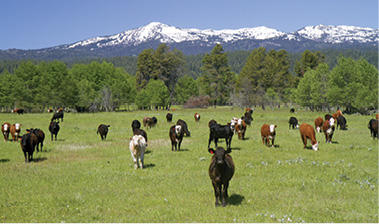
Cattle Research Yields Lung Disease Clues
Vanderbilt researchers have discovered a genetic mutation that causes pulmonary hypertension, which leads to brisket disease, a life-threatening pulmonary condition that affects cattle grazed at high altitude. Read MoreJul 31, 2015
-

Research Roundup, Summer 2015
Creating artificial human capillary blood vessels using cotton candy and gelatin | Increasing and improving retention of underrepresented minority students in STEM fields Read MoreJul 31, 2015
-
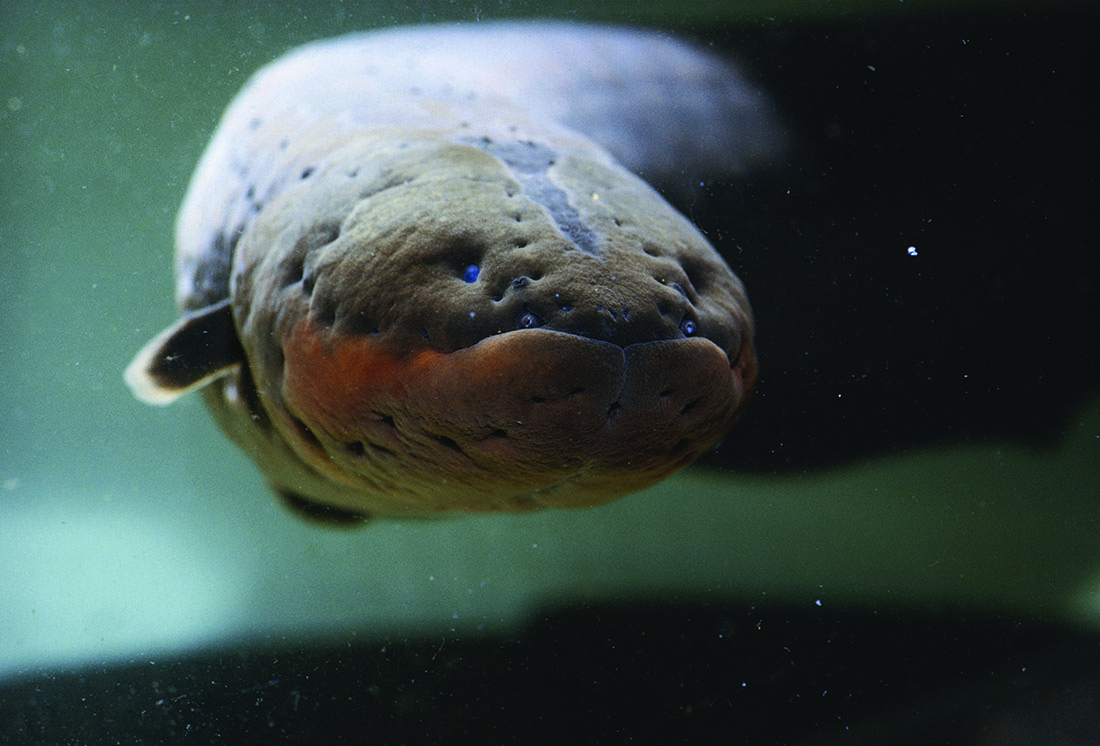
Predatory Eels Deliver Taser-Like Jolts
The electric eel—the scaleless Amazonian fish that can deliver a jolt strong enough to knock down a horse—possesses an electroshock system uncannily similar to a Taser. Read MoreMar 23, 2015
-

3-D Culturing Predicts Cancer Drug Efficacy
New “tumor in a dish” technology is poised to assess rapidly how effective specific anticancer cocktails will be on an individual’s cancer before chemotherapy begins. Read MoreMar 23, 2015
-

Game Theory Can Help Predict Crime
About a decade ago, the hit movie Minority Report featured a police force that could predict crimes and swoop in before they happened. That kind of crime fighting may not be far off if a team headed by Eugene Vorobeychik, assistant professor of computer science and computer engineering, has its way. Read MoreMar 23, 2015
-
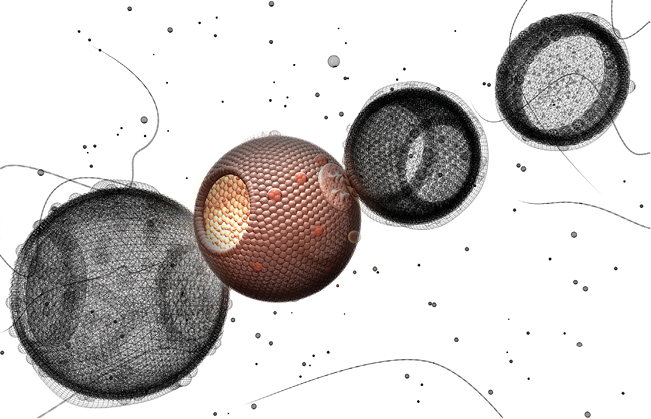
‘Good Cholesterol’ Levels Don’t Tell the Whole Story
High-density lipoprotein (HDL) is known as “good cholesterol” because elevated levels protect against heart attacks and plaque buildup. However, in some cases HDL may not function properly and may actually accelerate the disease. Read MoreDec 23, 2014
-
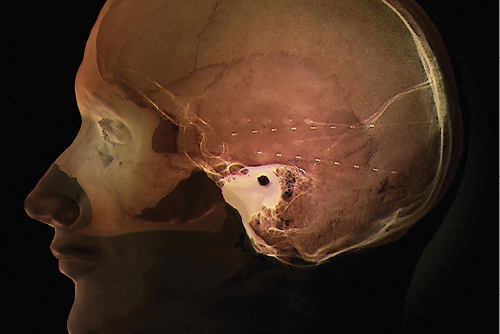
Brain Surgery through the Cheek
For those most severely affected, epilepsy treatment means drilling through the skull deep into the brain to destroy the small area where seizures originate—invasive, dangerous, and requiring a long recovery period. Five years ago a team of Vanderbilt engineers wondered: Is it possible to address epileptic seizures in a less invasive way? Read MoreDec 23, 2014
-

Research Roundup, Winter 2015
Bacterial Bullies |Nurses Staying in Workforce Longer |A Reassessment of Minority-Serving Colleges | Vice–Virtue Bundles Read MoreDec 23, 2014
-

Early Earth Less Hostile than Previously Thought
Conditions on Earth for the first 500 million years after it formed may have been surprisingly similar to the present day, complete with oceans, continents and active crustal plates. Read MoreDec 23, 2014
-

High-Dose Flu Vaccine More Effective in Elderly
High-dose influenza vaccine is 24 percent more effective than the standard-dose vaccine in protecting persons ages 65 and over against influenza illness and its complications. Read MoreDec 23, 2014
-

The Search for Earth-Like Planets
Researchers have developed a model that estimates the effect that a star's diet has on its chemical composition. This model will add substantially to astronomers’ understanding of the process of planet formation as well as assist in the ongoing search for Earth-like exoplanets. Read MoreSep 26, 2014