Engineering And Technology
-
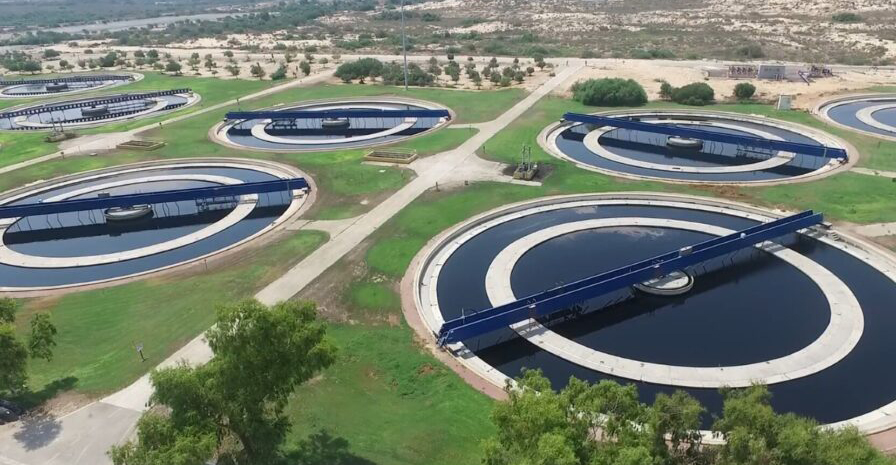
Engineering group goes to Israel to study water recycling leader’s operations, research
Vanderbilt engineering professors and students will spend their 2023 spring break in Israel to learn about the country’s water recycling programs and bring those lessons back to share with Sterling Ranch, a 21st century sustainable city south of Denver, Colorado. Read MoreMar 9, 2023
-

Engineering Professor Hiba Baroud selected for Global Young Academy
Hiba Baroud has been selected for membership in the Global Young Academy. She joins the world’s top 200 young researchers and professionals to contribute innovative and creative solutions that address critical global challenges. Read MoreMar 7, 2023
-
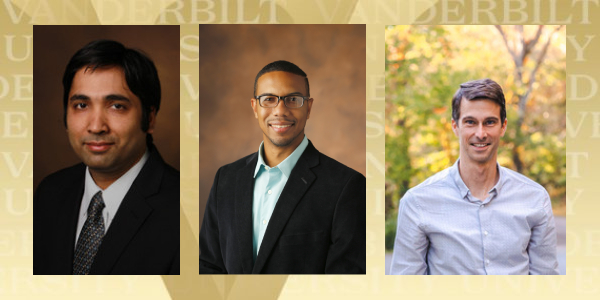
Three Vanderbilt Engineering School faculty win National Science Foundation CAREER Awards
Vanderbilt professors Abhishek Dubey, Jonathan Brunger, and Carlos Silvera Batista have won National Science Foundation CAREER Awards. The prestigious five-year award honors early career faculty who have the potential to serve as role models in research and education and lead advances in their fields. Read MoreFeb 23, 2023
-

The Wond’ry, Vanderbilt’s innovation center, collaborates with IBM to equip learners for STEM-related careers
The Wond’ry is working with IBM to equip Vanderbilt community members with no-cost STEM education and career readiness resources through IBM SkillsBuild, a no-cost education program focused on underrepresented communities, that helps develop valuable new skills and equitable access to career opportunities in technology fields. Read MoreFeb 15, 2023
-
Engineering professor applies eye tracking technology and machine learning algorithms to education and training environments
Vanderbilt engineering professor Gautam Biswas partnered with the School of Nursing to bring eye tracking technology and machine learning algorithms into education and training environments. Read MoreFeb 7, 2023
-
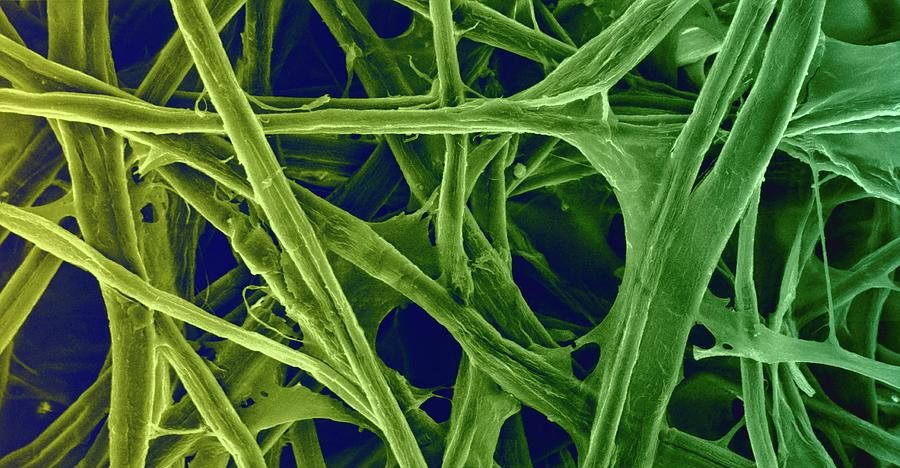
Vanderbilt engineers’ innovative research directly monitors cellulose production from individual synthase enzymes
Vanderbilt researchers have uncovered conditions needed to produce cellulose at the single molecule level that could one day aid in the dismantling of bacterial defenses as well as potentially lead to the engineering of more efficient and cost-effective biofuel feedstock sources. Read MoreDec 14, 2022
-
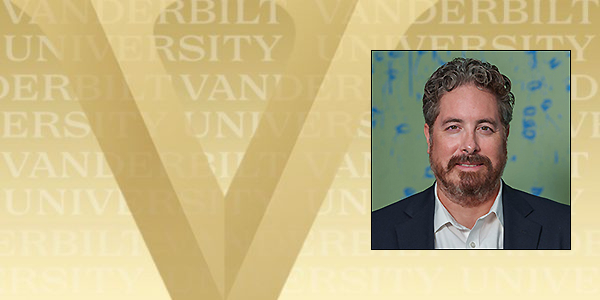
Michael R. King named National Academy of Inventors Fellow
Vanderbilt University engineering professor Michael R. King has been elected a fellow of the National Academy of Inventors, the highest professional distinction accorded solely to academic inventors. Read MoreDec 8, 2022
-

Research Snapshot: Civil engineers identify factors influencing bicycle crash severity in urban areas, provide recommendations for safety improvements
Bicycle safety has deteriorated according to the National Highway Safety Administration. Vanderbilt civil engineers identify and propose safety improvements applicable to all transportation in urban areas. Est. reading time: 2.5 mins. Read MoreDec 8, 2022
-

Blake Christiansen recognized as Class of 2023 Outstanding Senior for leadership, community building
A talent for cultivating fellowship and belonging helped earn Blake Christiansen this year’s Outstanding Senior Award, one of Vanderbilt’s highest undergraduate student honors. Read MoreNov 11, 2022
-
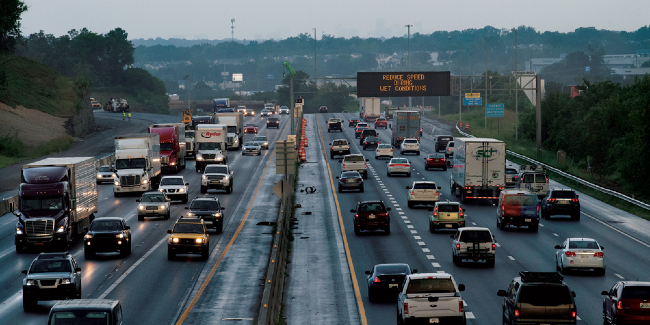
World’s largest open-track traffic experiment being conducted in Nashville Nov. 14–18
The CIRCLES Consortium, consisting of Vanderbilt University and several other universities, in coordination with Nissan North America, Toyota, GM, and the Tennessee Department of Transportation, will test 100 AI-equipped vehicles in an effort to mitigate human-caused traffic jams. Read MoreNov 10, 2022
-
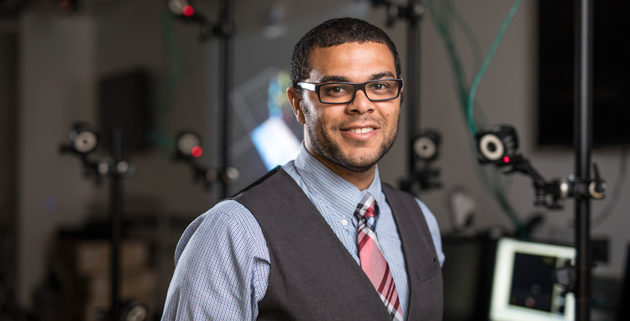
Body Builder: How Karl Zelik is using biomedical engineering to prevent back pain and enhance endurance
Karl Zelik, associate professor of mechanical and biomedical engineering and of physical medicine and rehabilitation, is using smart technology to tackle one of the most common and often debilitating problems for millions of people: back pain. His work includes a partnership with the U.S. military. Read MoreOct 10, 2022
-
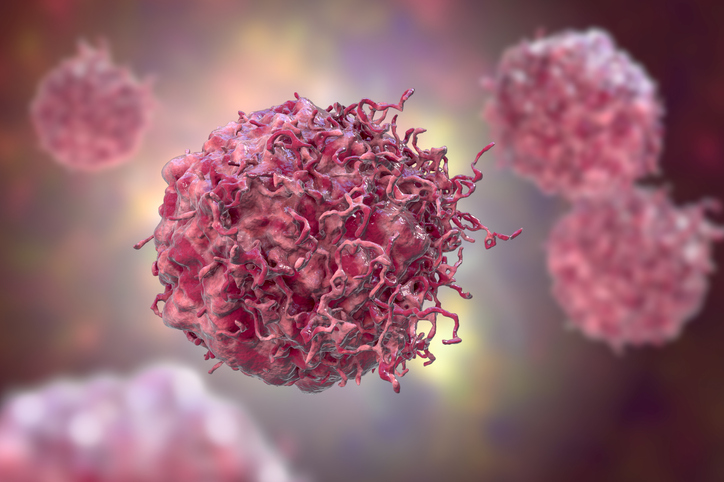
Nanoengineering may hold the key to developing more effective, safer treatments for a deadly childhood cancer
A grant from the National Institutes of Health will allow John T. Wilson to explore ways to use recently developed nanoparticles to stimulate immunity pathways in children, with the aim of making immunotherapy treatments for neuroblastoma more effective. Read MoreSep 16, 2022
-

Vanderbilt researcher receives nearly $2.7 million in NSF and NIH funding to explore how augmented reality can ease loneliness in older adults
Vanderbilt researcher Nilanjan Sarkar is partnering with Lorraine Mion of the Ohio State University and two Middle Tennessee long-term care facilities to investigate how augmented reality technologies can ease loneliness among residents. Read MoreSep 13, 2022
-

High blood pressure may accelerate bone aging according to new study led by Vanderbilt biomedical engineering graduate student
When high blood pressure was induced in young mice, they had bone loss and osteoporosis-related bone damage comparable to older mice, according to new research presented at the American Heart Association’s Hypertension Scientific Sessions 2022 conference. Read MoreSep 7, 2022
-
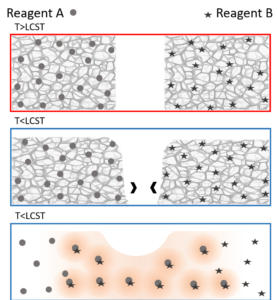
Vanderbilt research shows how a gel that “melts” at cold temperatures can be used to start chemical reactions
A new study by Vanderbilt researchers demonstrates the ability to initiate chemical reactions by cooling materials instead of heating them. Read MoreAug 29, 2022
-

Stop and Wond’ry: Explore careers focused on problem-solving on Aug. 29
One of the world’s most gifted problem solvers comes to the Wond’ry on Monday, Aug. 29, to share his journey with students considering unique career paths. Read MoreAug 25, 2022
-
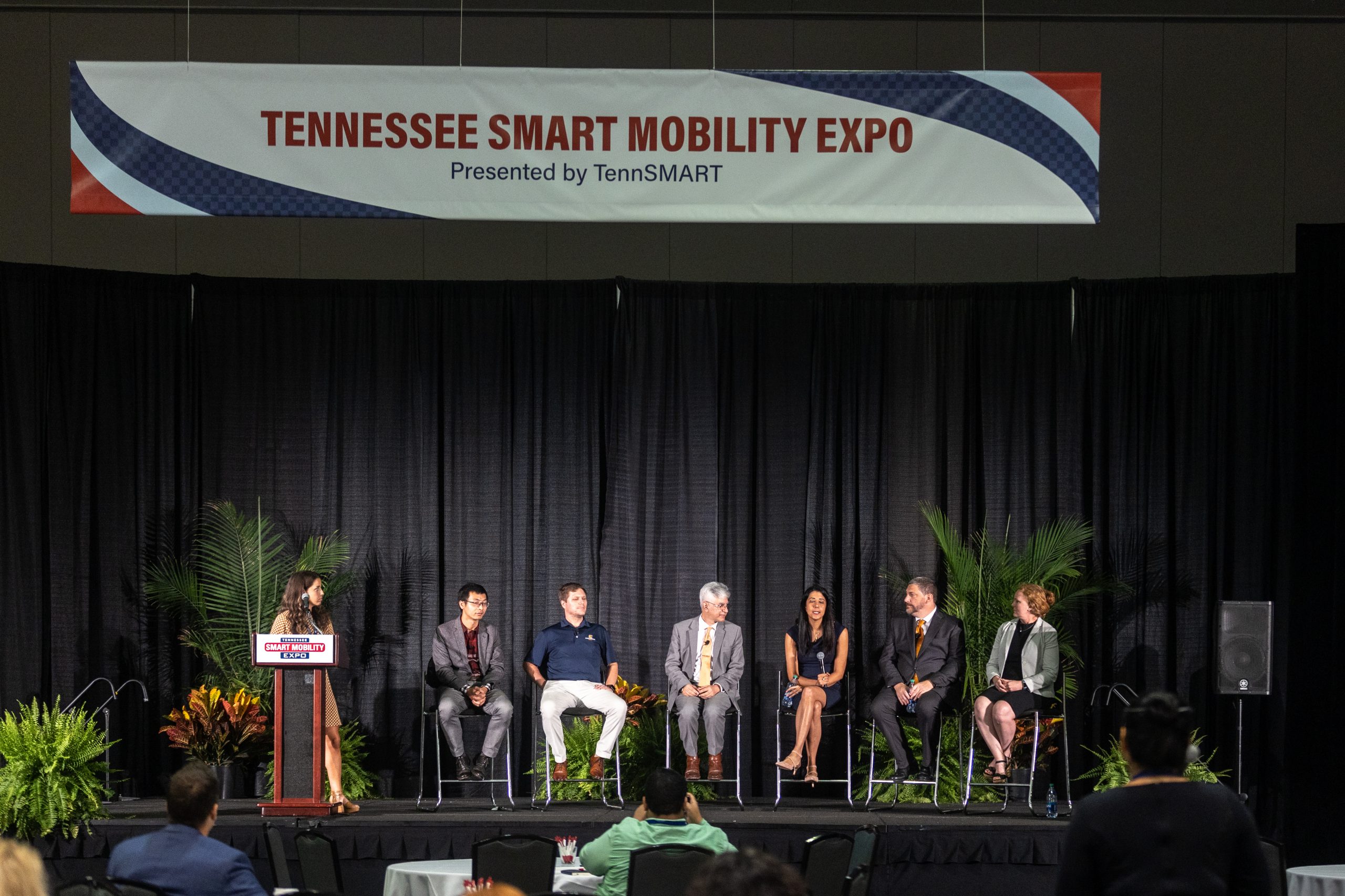
Vanderbilt faculty connect with regional partners, share interdisciplinary mobility, sustainability and resilience innovations at inaugural Tennessee Smart Mobility Expo
Faculty, representatives from the Office of Research and Innovation and the Office of Government and Community Relations share mobility, smart city, community resiliency, and transit technologies and solutions being developed, built and deployed by Vanderbilt and throughout the region and build connections for future collaborations. Read MoreAug 10, 2022
-
Vanderbilt’s Frist Center for Autism & Innovation wins NSF grant to support neurodiverse engineering students in their education, careers
Vanderbilt School of Engineering’s Frist Center for Autism and Innovation, working in partnership with Fisk University, has won a $1.9 million grant from the National Science Foundation to create a system of programs to support neurodiverse students in engineering majors and careers. Read MoreAug 4, 2022
-
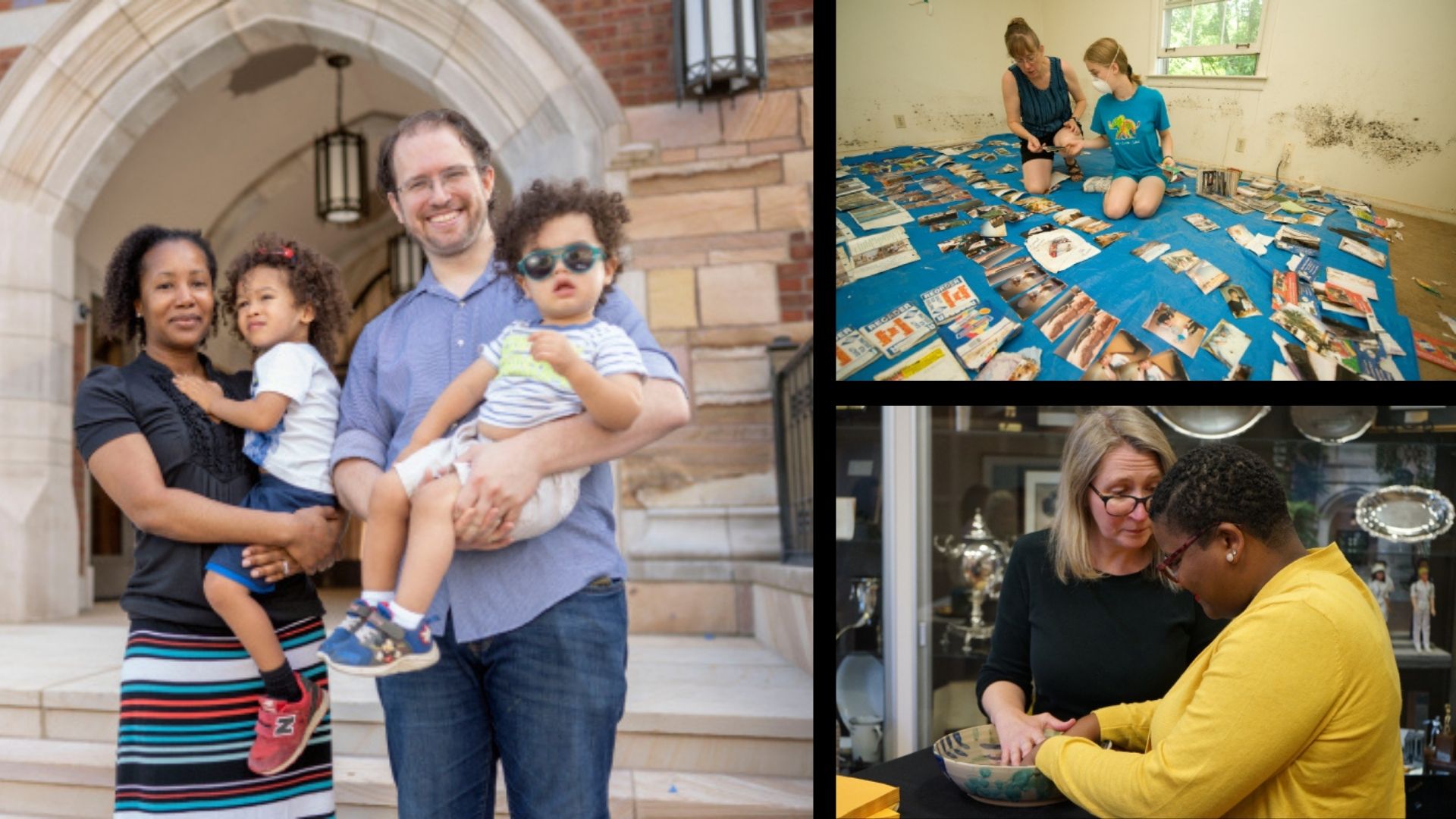
Moms who research moms: Spotlighting VU research on motherhood
They say motherhood is the toughest job you’ll ever love. That’s true for this group of Vanderbilt researchers, who’ve built successful careers around researching various aspects of parenthood while raising their own children. Read MoreMay 5, 2022
-
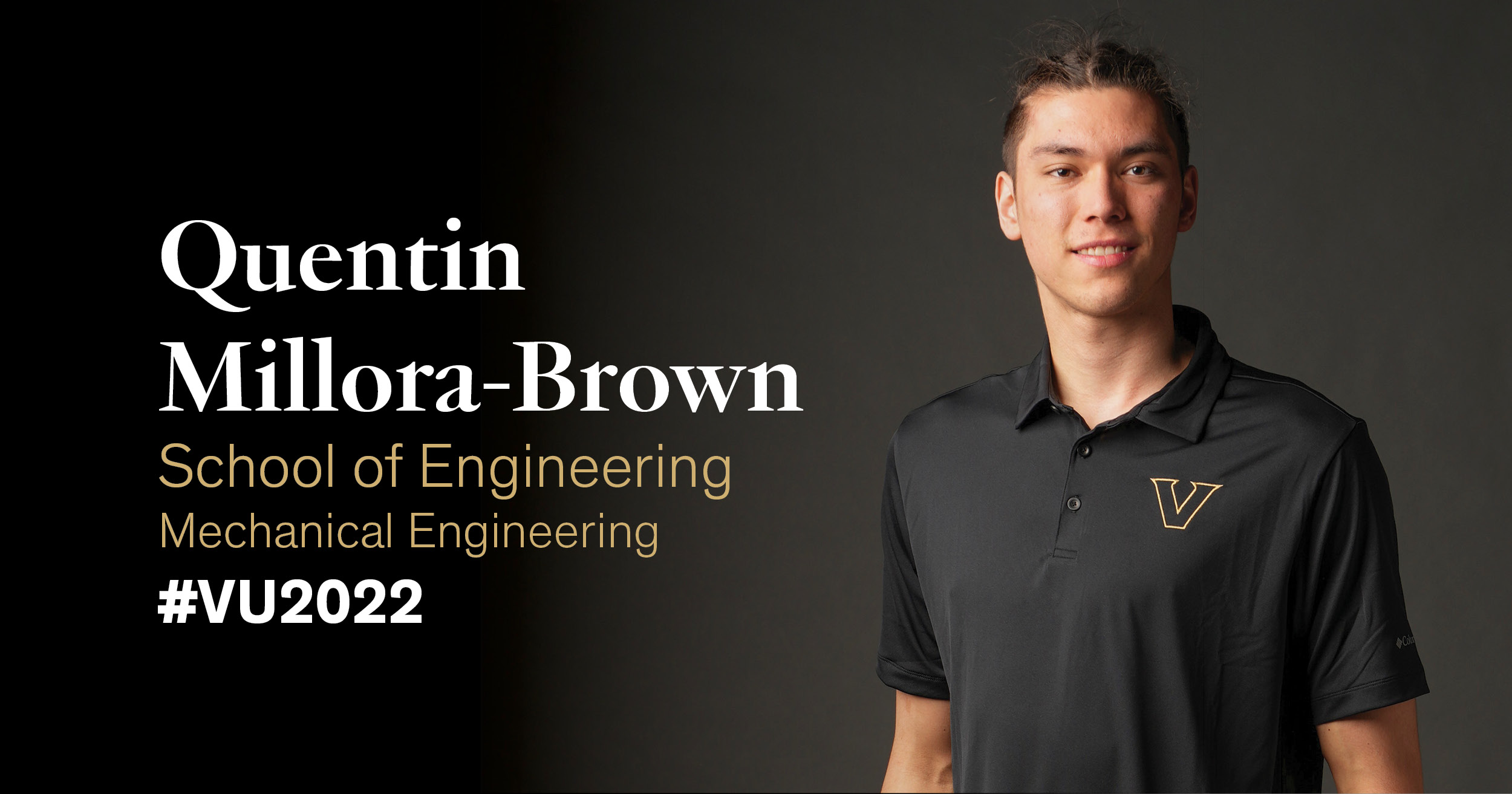
Class of 2022: Quentin Millora-Brown willing to play his role in engineering climate change solutions
Quentin Millora-Brown, a senior forward on the men’s basketball team, had his best individual season this year. A starter in 30 games, he led Vanderbilt in blocked shots and was second in rebounding. Perhaps even more importantly, he helped create the culture of succes. Off the court, Millora-Brown knows that camaraderie alone won’t solve society’s most pressing issues, such as the climate crisis—a problem he is passionate about. But he believes the same team approach in pursuit of a larger goal will make a difference. Read MoreApr 27, 2022