Research
-

Wikswo, VIIBRE team on track to build third-generation ‘self-driving lab’ with $1M from NSF
John Wikswo, founder and director of the Vanderbilt Institute for Integrative Biosystems Research and Education and Gordon A. Cain University Professor, is the principal investigator of a $1 million award from the National Science Foundation. The object is to build a pathbreaking “robot scientist”—a fully automated microfluidic system for parallel, independent, long-duration, machine-guided experiments. The... Read MoreMar 5, 2022
-
International research collaboration reveals new possibilities in nanophotonics
Joshua Caldwell, Flowers Family Chancellor’s Faculty Fellow in Engineering and associate professor of mechanical engineering, and Joseph Matson, a graduate student in Caldwell’s lab, have contributed to an international study that has discovered a new type of light-matter coupling. The work has long-term implications for how optical components can be even further miniaturized, a discovery... Read MoreMar 3, 2022
-
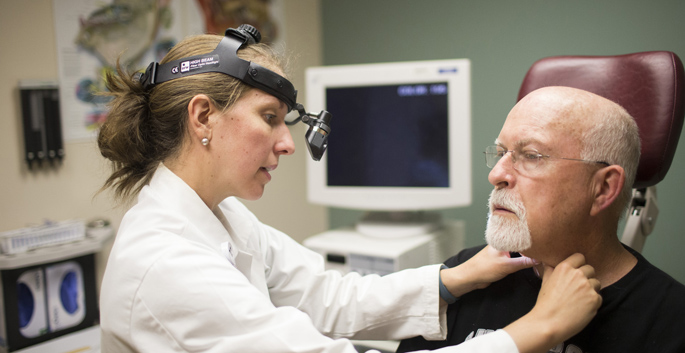
Probing cancer cell invasion
The rigidity of the extracellular matrix that surrounds cells impacts the contractile and invasive properties of head and neck cancer cells. Read MoreMar 1, 2022
-
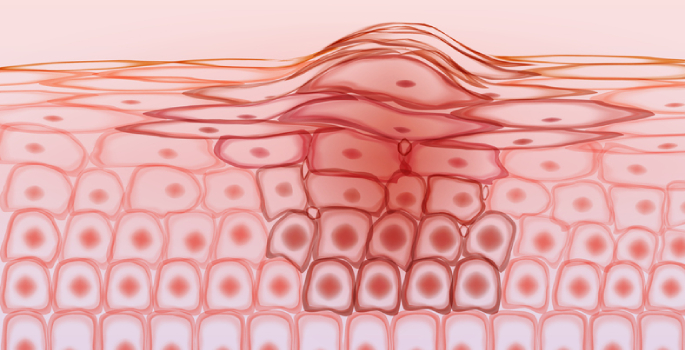
Research Snapshot: Vanderbilt team discovers potential explanation for treatment resistance in skin cancer
Melanoma is the fifth most-common type of cancer in the U.S., and according to the American Cancer Society, about half of patients with malignant melanoma have mutations of the BRAF gene. Identification of potential tumor biomarkers such as SOX10 can help physicians better predict outcomes for their patients. Read MoreFeb 28, 2022
-

Literature researchers identify attitudes toward genetics across 100 years of film and television
Science’s influence on pop culture is undeniable, and the reverse is equally important. Research led by Jay Clayton, the first literature professor to ever receive funding from the NIH, shows that films portray genetic science as risky far more often than television shows. Read MoreFeb 28, 2022
-

Invasive strep can defy zinc toxicity
Vanderbilt researchers find that invasive Group B Streptococcus strains, a significant risk to pregnant patients and infants, can grow in presence of toxic zinc levels. Read MoreFeb 28, 2022
-
Researchers test and validate platform for potential PPE tracking across U.S. hospitals
A multidisciplinary team that includes a Vanderbilt computer science professor has established the foundation for an automated, up-to-date assessment of personal protective equipment across U.S. hospitals—work that got its start before the COVID-19 pandemic but took on greater urgency. Significantly, the team developed a secure, third-party system to operate independent of federal and state governments... Read MoreFeb 25, 2022
-
PET imaging probe for Alzheimer’s disease
Vanderbilt researchers report on a new PET imaging probe that will be useful for exploring Alzheimer’s disease pathology. Read MoreFeb 24, 2022
-
Multicenter team seeks to create at-home artificial lung system
Vanderbilt team to focus on engineering, testing the device by Matt Batcheldor Vanderbilt University Medical Center will share in an $8.7 million federal grant to create an artificial lung system that patients with incurable lung disease can use at home. The Department of Defense Congressionally Directed Medical Research Program (CDMRP) grant will fund research to create... Read MoreFeb 24, 2022
-

WATCH: Experts discuss the keys to compromise and action on climate change
Climate change and environmental issues can no longer be considered partisan if any real progress is going to be made, according to experts who participated in a virtual discussion hosted by the Vanderbilt Project on Unity and American Democracy on Feb. 22. Read MoreFeb 24, 2022
-

Watch: ‘Black Excellence in Research and the Future of Diversity in Academia’ virtual event
In recognition of Black History Month, the School of Medicine Basic Sciences’ monthly virtual Lab-to-Table Conversation will celebrate Black excellence in research and discuss the future of diversity in academia. The event will take place on Tuesday, Feb. 22, from noon to 1 p.m. CT. Read MoreFeb 16, 2022
-
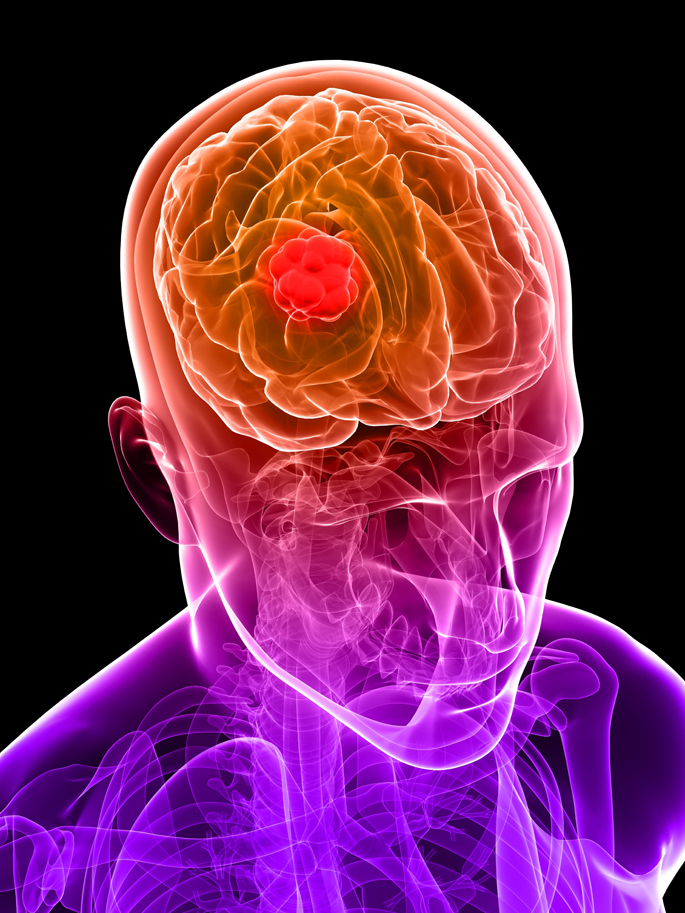
Predicting brain cancer outcome
Red blood cell distribution width has prognostic value for many diseases, but it was not associated with overall survival in patients with glioblastoma, Vanderbilt researchers found. Read MoreFeb 15, 2022
-

Research Snapshot: Vanderbilt researchers discover new spontaneous signaling pathway in the brain
Ege Kavalali and Heidi Hamm collaborated to discover a signaling pathway for how spontaneous release of neurotransmitters can be selectively regulated without disrupting evoked action potentials. Read MoreFeb 14, 2022
-

Provost launching initiatives focused on research support, graduate education and more
Provost and Vice Chancellor for Academic Affairs C. Cybele Raver today announced six initiatives that include strengthening the university’s support of research, furthering connections and collaboration with Vanderbilt University Medical Center and further defining the future of graduate education. Read MoreFeb 10, 2022
-
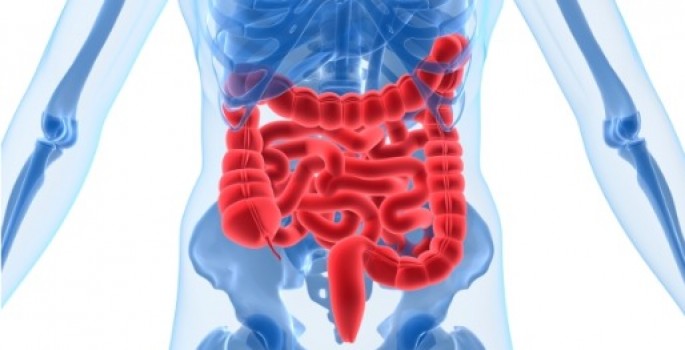
Diverticulitis surgery: guidelines needed
Surgical removal of the colon for recurrent diverticulosis varies by geographic region and is associated with surgeon and hospital factors; stronger national guidelines are needed, Vanderbilt researchers report. Read MoreFeb 10, 2022
-

Gene variants increase risk of kidney failure in Black veterans with COVID-19: study
Gene variants increased the risk of acute kidney injury and death in veterans of African ancestry who were hospitalized with COVID-19, possibly explaining some health disparities associated with COVID-19. Read MoreFeb 10, 2022
-

Vanderbilt and CDC research shows third vaccine dose key to preventing omicron hospitalization
Vanderbilt research shows that two doses of an mRNA COVID-19 vaccine result in lower effectiveness for preventing hospitalization for the omicron variant than previous variants. However, importantly, a third (“booster”) vaccine dose significantly improves protection against omicron hospitalization up to 86%. Read MoreFeb 9, 2022
-
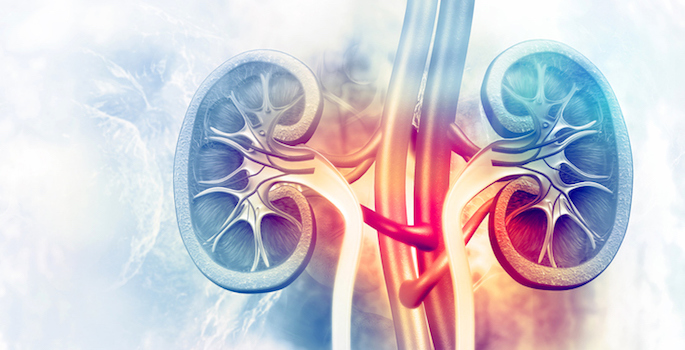
VUMC study raises hope for improving treatment of kidney disease
Vanderbilt research has revealed an important mechanism in the kidney by which a cell surface receptor known as DDR1 fans the flames of inflammation and fibrosis that ultimately lead to kidney failure. Read MoreFeb 2, 2022
-
Accelerating podocyte production
A new method developed by Vanderbilt researchers to generate kidney cells from stem cells offers a faster and less expensive way to make these valuable tools for studying kidney diseases. Read MoreFeb 1, 2022
-

Impact of digital health interventions
Vanderbilt researchers test and recommend statistical approaches to study the association between engagement with digital health interventions and clinical outcomes. Read MoreJan 31, 2022